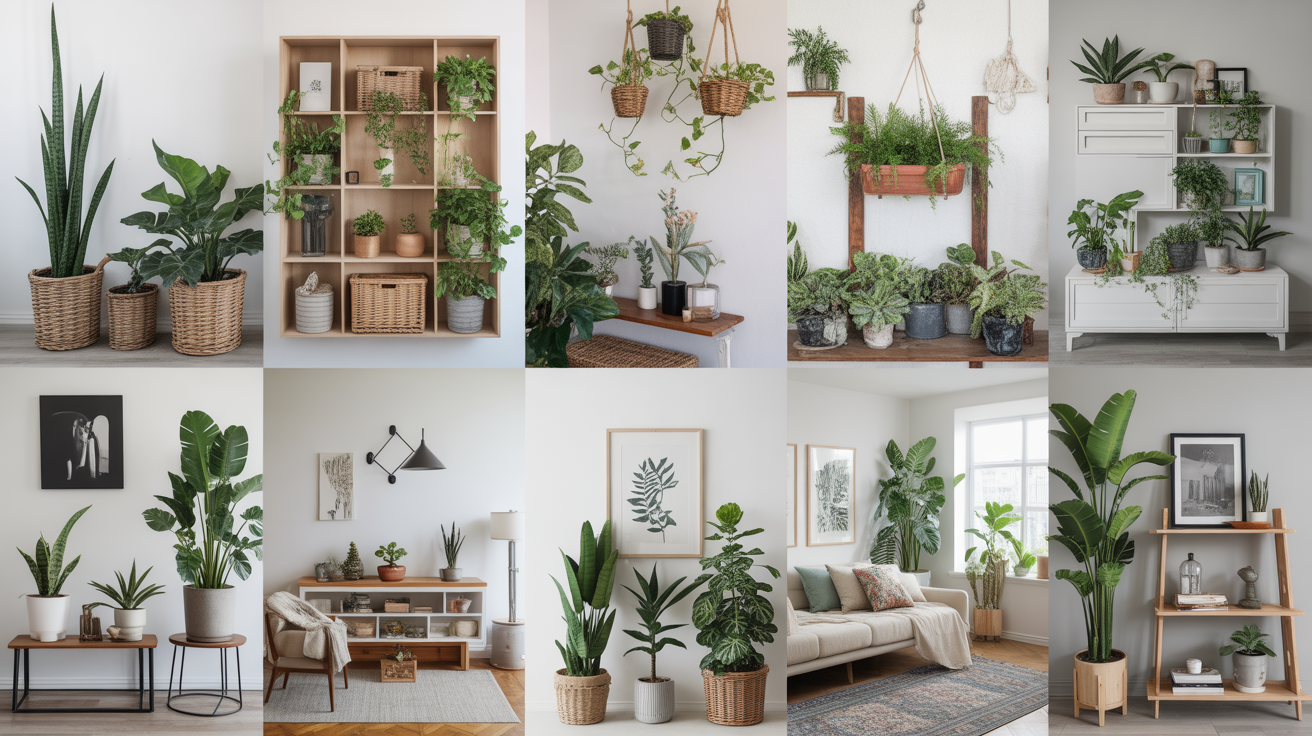
27 Serene Indoor Plant Styling Ideas for a Calm, Peaceful Home
Introduction
Have you ever noticed how a few quiet, well-placed plants can make an entire room feel more peaceful? That is the heart of serene indoor plant styling ideas, where greenery is chosen and arranged to soothe rather than stimulate. Instead of bold colors or busy groupings, this approach favors soft textures, gentle light, and calming simplicity. It is a styling philosophy that turns ordinary corners into quiet, restorative retreats.
In this post, we are sharing twenty-seven serene ideas to bring calming greenery into your everyday spaces. From zen-inspired displays and soft neutral pots to quiet reading nooks and gentle morning light, each idea favors stillness over spectacle. You will find practical tips for placement, pairing, and choosing plants that genuinely soothe. By the end, you will have plenty of inspiration ready to pin and bring into your own home.
1. Zen-Inspired Bonsai Tree Display
A small bonsai tree brings quiet, deliberate beauty to a tabletop or shelf without ever feeling busy or loud. The slow, careful shaping of a bonsai mirrors the patience and mindfulness many people seek in a calming space. Displaying it alone, without competing decor nearby, keeps the focus entirely on its gentle, sculptural form. This idea works beautifully as a daily reminder to slow down and appreciate small, simple details.
Choose a shallow, neutral-toned dish to keep the display feeling grounded and understated. Placing the bonsai somewhere it receives consistent, indirect light supports its slow, steady growth. Pruning occasionally with care becomes part of the calming ritual itself. This idea suits meditation corners, desks, and quiet shelves.
Best For: Meditation corners, desks, and quiet shelves
Pro Tip: Choose a shallow dish to keep the display grounded.
2. Minimalist Single Plant Vignette
A single, well-chosen plant displayed alone often creates more calm than a crowded grouping ever could. This idea relies on restraint, allowing one plant’s natural shape and texture to speak quietly for itself. Choosing a simple, neutral pot keeps attention on the plant rather than any decorative distractions nearby. This approach suits anyone who finds visual clutter overwhelming or distracting in their daily environment.
Choose a plant with an interesting natural silhouette, like a snake plant or rubber plant, for the most striking single display. Leaving generous empty space around the plant enhances its sense of calm presence. Dusting leaves gently keeps the display looking intentional and well cared for. This idea suits minimalist, modern, and Japanese-inspired interiors.
Best For: Minimalist homes, desks, and quiet corners
Pro Tip: Leave generous empty space around a single plant.
3. Soft Neutral Ceramic Pots
Choosing ceramic pots in soft, muted tones like stone gray, cream, or pale sage keeps a plant display feeling calm and cohesive. These understated colors allow the greenery itself to remain the visual focus rather than competing with bold pot patterns. This idea works beautifully across an entire home, since neutral pots pair effortlessly with nearly any room’s existing palette. A soft, consistent pot color also makes future plant additions easy to incorporate seamlessly.
Choose a matte glaze finish for an even softer, more understated look. Mixing pot sizes within the same neutral tone adds variety without disrupting the calm feeling. Wiping pots clean occasionally keeps the muted finish looking fresh. This idea suits Scandinavian, minimalist, and Japandi-style interiors.
Best For: Living rooms, bedrooms, and Japandi interiors
Pro Tip: Choose matte glazes for the softest, calmest finish.
4. Calming Snake Plant Corner
A snake plant’s tall, upright leaves bring a sense of quiet structure to any corner without requiring much fuss. This low-maintenance plant tolerates a wide range of light conditions, making it a reliable choice for a calming display. Its clean, architectural lines suit serene, minimal spaces especially well, never feeling overgrown or chaotic. Placing just one or two in a quiet corner adds presence without adding visual noise.
Choose a simple, neutral pot that allows the plant’s structural leaves to remain the main focus. Positioning the plant where it receives indirect light keeps growth slow and steady. Wiping leaves occasionally with a damp cloth keeps them looking glossy and calm. This idea suits bedrooms, offices, and quiet hallways.
Best For: Bedrooms, home offices, and hallways
Pro Tip: Choose indirect light for slow, steady, calm growth.
5. Meditation Corner With Greenery
Designating a small corner for meditation, paired with one or two calming plants, creates a dedicated retreat within a busy home. This idea works especially well when combined with a simple cushion, soft lighting, and minimal surrounding decor. Choosing plants known for their calming presence, like peace lilies or ferns, reinforces the corner’s restful purpose. This space becomes a quiet anchor point, even within a smaller home or apartment.
Choose plants that thrive in the corner’s available light rather than forcing an unsuitable choice. Keeping the space uncluttered, with just a cushion and one or two plants, preserves the sense of calm. Returning to this corner regularly helps reinforce its restorative purpose. This idea suits bedrooms, studies, and quiet living room corners.
Best For: Bedrooms, studies, and quiet living corners
Pro Tip: Keep the meditation corner uncluttered and simple.
6. Quiet Reading Nook Pairing
Pairing a single trailing plant with a comfortable reading chair creates a softly framed, peaceful spot to unwind. The gentle movement of trailing leaves adds a subtle, living element without distracting from a good book. This idea works beautifully near a window, where natural light supports both reading and plant health simultaneously. A reading nook styled this way feels intentional, calm, and inviting at any time of day.
Choose a plant that drapes gently rather than one with bold, attention-grabbing leaves. Positioning the plant slightly behind or beside the chair keeps it from blocking light while reading. Watering on a consistent schedule keeps the nook looking cared for and calm. This idea suits window seats, bedrooms, and quiet corners.
Best For: Window seats, bedrooms, and quiet corners
Pro Tip: Choose plants that drape gently, not boldly.
7. Soft Filtered Morning Light Display
Positioning plants where soft, filtered morning light reaches them creates a naturally gentle, calming glow throughout the early hours. This idea takes advantage of sheer curtains or blinds that diffuse harsh sunlight into something softer and more soothing. Plants placed in this kind of light often appear to glow gently, adding a peaceful quality to the room. This approach also tends to suit plants that prefer indirect rather than intense, direct sun.
Choose sheer curtains nearby to soften and diffuse incoming light throughout the day. Placing plants close enough to benefit from the light without sitting in harsh direct rays keeps them healthy. Observing how the light shifts throughout the day helps fine-tune placement over time. This idea suits east-facing bedrooms and breakfast nooks.
Best For: East-facing bedrooms and breakfast nooks
Pro Tip: Use sheer curtains to soften and diffuse light.
8. Ikebana-Inspired Plant Arrangement
Borrowing from the Japanese art of ikebana, this idea favors a few carefully chosen branches or leaves over a full, bushy arrangement. The intentional use of negative space is just as important as the greenery itself in this minimal styling approach. Choosing a simple, low vessel keeps the focus on the careful angles and balance of each stem. This idea brings a quiet, meditative quality to a tabletop or shelf display.
Choose just two or three stems rather than filling the vessel completely. Considering the angle and height of each stem individually creates a more intentional, balanced composition. Refreshing the water or stems regularly keeps the display looking fresh and considered. This idea suits entryways, dining tables, and quiet shelves.
Best For: Entryways, dining tables, and quiet shelves
Pro Tip: Use only two or three stems for true ikebana calm.
9. Stone and Pebble Plant Base
Surrounding the base of a potted plant with smooth stones or pebbles adds a quiet, natural texture reminiscent of a peaceful garden path. This idea also helps retain soil moisture while giving the display a more finished, intentional appearance. Choosing stones in neutral, earthy tones keeps the overall look calm rather than decorative or busy. This simple addition transforms an ordinary potted plant into a small, grounded landscape.
Choose smooth, rounded stones rather than sharp or brightly colored gravel for the calmest effect. Layering stones evenly around the base, rather than piling them unevenly, keeps the look tidy. Rinsing stones occasionally keeps the display looking fresh and clean. This idea suits zen-inspired spaces, desks, and entryways.
Best For: Zen-inspired spaces, desks, and entryways
Pro Tip: Choose smooth, rounded stones for the calmest texture.
10. Eucalyptus Bundle for Calm Aroma
A simple bundle of dried or fresh eucalyptus adds a soft, calming scent alongside its naturally soothing silver-green color. Hanging a small bundle near a window or doorway allows gentle movement and fragrance to drift through the room. This idea pairs beautifully with neutral, understated decor, since eucalyptus rarely clashes with existing color palettes. Many people also find the scent itself genuinely relaxing, adding another sensory layer to the styling.
Choose a small, simple ribbon or twine to bundle the stems together naturally. Hanging the bundle somewhere with gentle airflow helps release its calming scent throughout the day. Replacing dried bundles every few months keeps the fragrance and appearance fresh. This idea suits bedrooms, bathrooms, and entryways.
Best For: Bedrooms, bathrooms, and entryways
Pro Tip: Hang bundles where gentle airflow releases their scent.
11. Simple Wooden Plant Stand
A plain, unadorned wooden plant stand brings warmth and quiet sophistication to any single plant display. The natural material feels grounding and organic, especially when paired with a plant in a neutral pot. This idea avoids ornate or decorative stands in favor of clean, simple lines that do not distract from the greenery itself. A wooden stand also elevates a plant slightly, allowing better airflow and a more considered presentation.
Choose a stand with simple, tapered legs rather than anything overly carved or decorative. Placing just one plant per stand maintains the calm, uncluttered feeling this idea relies on. Dusting the wood occasionally keeps the natural material looking warm and well cared for. This idea suits living rooms, bedrooms, and reading corners.
Best For: Living rooms, bedrooms, and reading corners
Pro Tip: Choose simple, tapered legs over decorative carving.
12. Soft Draping Pothos Corner
A pothos plant allowed to drape softly from a shelf or stand adds gentle, flowing movement to a quiet corner. Unlike bold, structural plants, pothos feels relaxed and unhurried as its vines slowly lengthen over time. This idea works beautifully in corners that feel a little stiff or underused, softening the space naturally. The plant’s low-maintenance nature also makes it an easy, calming addition for anyone new to plant care.
Choose a simple, neutral pot so the soft green vines remain the visual focus. Allowing the vines to drape naturally, rather than training them onto a trellis, keeps the look relaxed. Trimming only when vines become noticeably leggy preserves the soft, flowing shape. This idea suits bedrooms, offices, and reading nooks.
Best For: Bedrooms, offices, and reading nooks
Pro Tip: Let vines drape naturally instead of training them upward.
13. Quiet Bedroom Plant Styling
Choosing just one or two calming plants for the bedroom supports both better sleep and a more peaceful morning routine. Plants like snake plants or peace lilies pair beautifully with soft bedding and warm, low lighting in this kind of space. This idea favors restraint, since a bedroom filled with too many plants can start to feel busy rather than restful. A few thoughtfully placed plants instead create a gentle, calming presence throughout the night and day.
Choose plants known to tolerate lower light, since many bedrooms receive less direct sun than other rooms. Placing one plant near the bed and another near a window balances the room naturally. Watering on a simple, consistent schedule keeps the routine calming rather than stressful. This idea suits primary bedrooms and guest rooms alike.
Best For: Primary bedrooms and calm guest rooms
Pro Tip: Limit bedroom plants to just one or two total.
14. Spa-Inspired Bathroom Greenery
Styling a bathroom with ferns, eucalyptus, or other humidity-loving plants instantly creates a softer, spa-like atmosphere. This idea takes advantage of the natural moisture bathrooms provide, which many plants genuinely thrive in. Placing greenery near the tub or shower adds a calming, almost retreat-like quality to everyday routines. This approach turns a purely functional space into something that feels intentional and restorative.
Choose plants specifically suited to higher humidity and lower light if the bathroom lacks large windows. Positioning plants on a small stool or shelf keeps them elevated and out of direct water spray. Wiping leaves occasionally removes soap residue and keeps the display looking fresh. This idea suits bathrooms with some natural light or steady airflow.
Best For: Bathrooms, powder rooms, and spa-style spaces
Pro Tip: Choose plants suited to high humidity and lower light.
15. Linen-Wrapped Neutral Pots
Wrapping a simple pot in soft linen or burlap fabric adds a quiet, textural softness that plastic or glossy pots cannot offer. This idea is an easy, affordable way to unify mismatched pots under one calming, neutral material. The slightly imperfect, woven texture of linen feels organic and relaxed rather than polished or formal. This approach suits anyone who wants their plant displays to feel handmade and gentle rather than store-bought.
Choose a neutral linen shade, like oatmeal or soft gray, to keep the look understated. Securing the fabric with simple twine rather than visible glue keeps the finish looking natural. Replacing the fabric occasionally as it wears keeps the display looking fresh. This idea suits boho, coastal, and Japandi interiors.
Best For: Boho homes, coastal interiors, and Japandi spaces
Pro Tip: Secure linen wraps with simple twine, not glue.
16. Single Statement Peace Lily
A peace lily, with its glossy leaves and occasional soft white blooms, brings a quiet elegance to any calm display. This plant is known for its gentle, air-purifying qualities, adding both beauty and a sense of well-being to a room. Displaying just one peace lily, rather than grouping it with other plants, allows its graceful shape to stand out fully. This idea suits anyone seeking a single, meaningful green statement rather than a busy collection.
Choose a simple, rounded pot that complements the plant’s soft, drooping leaf shape. Placing it somewhere with indirect light supports both healthy leaves and occasional blooming. Wiping leaves gently keeps them looking glossy and well-maintained. This idea suits living rooms, offices, and quiet hallways.
Best For: Living rooms, offices, and quiet hallways
Pro Tip: Display one peace lily alone for the calmest effect.
17. Calm All-Green Plant Grouping
Limiting a plant grouping entirely to shades of green, without any flowering or brightly colored varieties, creates an especially calming, monochromatic display. This idea relies on variation in leaf shape and texture rather than color to keep the grouping visually interesting. Choosing several different green tones, from deep emerald to soft sage, adds subtle depth without ever feeling busy. This approach suits anyone who finds bold color overstimulating in their everyday living spaces.
Choose at least three different leaf shapes within the all-green grouping for variety. Keeping pots in a consistent neutral tone reinforces the calm, cohesive feeling. Watering plants with similar needs together simplifies ongoing care. This idea suits living rooms, offices, and meditation spaces.
Best For: Living rooms, offices, and meditation spaces
Pro Tip: Vary leaf shape, not color, within an all-green grouping.
18. Minimal Zen Garden Tray
A small tray filled with sand, a rake, and a single tiny plant or stone creates a quiet, meditative desk accessory. This idea borrows from traditional zen gardens, scaled down for a tabletop or shelf within a modern home. The simple act of raking the sand into gentle patterns can become a small, calming ritual throughout the day. This approach adds a tactile, mindful element that goes beyond typical plant styling.
Choose fine, light-colored sand for the most calming, gallery-like appearance. Adding just one small stone or succulent keeps the display from feeling cluttered. Raking the sand occasionally turns the display into an interactive, mindful practice. This idea suits desks, meditation corners, and quiet shelves.
Best For: Desks, meditation corners, and quiet shelves
Pro Tip: Add only one small stone to keep the tray calm.
19. Quiet Window Seat Greenery
Placing a single plant beside a window seat adds a gentle, living element to one of the home’s most naturally restful spots. The combination of soft cushions, natural light, and a quiet plant creates an ideal corner for relaxing or daydreaming. This idea works especially well with trailing or low, rounded plants that do not block the view outside. A window seat styled this way feels complete without needing additional, busier decor.
Choose a plant that complements the window seat’s existing cushion colors for a cohesive look. Positioning the plant to the side, rather than directly in front of the view, keeps the sightline open. Watering consistently keeps the corner looking cared for and calm. This idea suits reading nooks, bedrooms, and sunrooms.
Best For: Reading nooks, bedrooms, and sunrooms
Pro Tip: Position plants beside, not in front of, the window view.
20. Soft Moss Display
A small dish or bowl of soft, cushioned moss adds an unexpected, calming texture rarely found in typical plant displays. Moss requires very little light or care, making it an easy, low-maintenance way to add quiet greenery indoors. Its naturally soft, rounded texture feels gentle and soothing compared to the sharper lines of many houseplants. This idea works beautifully as a small accent piece on a desk, shelf, or coffee table.
Choose a simple, shallow dish that allows the moss to spread naturally over time. Misting the moss lightly every few days keeps it looking soft and vibrant. Placing it somewhere with indirect light prevents the moss from drying out too quickly. This idea suits desks, coffee tables, and quiet shelves.
Best For: Desks, coffee tables, and quiet shelves
Pro Tip: Mist moss lightly every few days to keep it soft.
21. Symmetrical Plant Pairing
Placing two identical plants in matching pots on either side of a doorway, mirror, or bed creates a calm, balanced sense of symmetry. This idea relies on repetition rather than variety, which often feels more soothing and orderly to the eye. Symmetrical pairings work especially well in entryways or bedrooms, where balance naturally feels more restful. This approach also simplifies care, since both plants typically require the same light and watering schedule.
Choose two plants of the exact same size and variety for the most polished, calming effect. Positioning them at equal distances from the central point, like a doorway, reinforces the sense of balance. Watering both plants on the same schedule keeps their growth consistent. This idea suits entryways, bedrooms, and hallways.
Best For: Entryways, bedrooms, and hallways
Pro Tip: Choose two identical plants for true visual balance.
22. Soft Glow Candle and Plant Corner
Pairing a softly lit candle with a single calming plant creates a small, sensory corner that engages both sight and scent. This idea works beautifully on a nightstand, shelf, or small side table within a bedroom or living room. Choosing a candle in a soft, neutral-colored vessel keeps the overall display feeling understated rather than decorative. The gentle flicker of candlelight alongside quiet greenery adds a calming ritual to evening routines.
Choose unscented or very subtly scented candles so the fragrance does not overwhelm the room. Placing the plant slightly behind or beside the candle, rather than directly above it, keeps things safe. Lighting the candle during quiet evening moments reinforces the corner’s calming purpose. This idea suits bedrooms, living rooms, and reading nooks.
Best For: Bedrooms, living rooms, and reading nooks
Pro Tip: Choose unscented candles so plants stay the focus.
23. Quiet Home Office Greenery
Adding one or two calming plants to a home office supports focus while softening the often sterile feel of a workspace. This idea favors simple, structural plants like snake plants or ZZ plants that require minimal daily attention. Positioning a plant within view of the desk, but not directly in the line of sight to a screen, keeps the space calm without becoming distracting. This approach helps create a small sense of nature within an otherwise indoor, screen-heavy environment.
Choose low-maintenance varieties that tolerate inconsistent watering during busy workweeks. Placing the plant near, but not on, the desk keeps the workspace itself clear and functional. Wiping leaves occasionally during breaks adds a small, calming pause to the workday. This idea suits home offices, studies, and reading desks.
Best For: Home offices, studies, and reading desks
Pro Tip: Keep desk plants nearby but never directly on the desk.
24. Gentle Curved Branch Arrangement
Displaying a few simple, naturally curved branches in a tall, narrow vase adds quiet, sculptural interest without requiring any leaves or blooms at all. This idea strips plant styling down to its most minimal form, focusing entirely on line, shape, and negative space. Branches like curly willow or simple dried stems work beautifully for this understated display. This approach suits anyone drawn to a quieter, more architectural take on greenery.
Choose a tall, narrow vase that allows the branches’ natural curves to remain visible. Limiting the arrangement to just a few stems keeps the display feeling calm rather than full. Dusting branches occasionally keeps the display looking fresh over time. This idea suits entryways, living rooms, and minimalist shelves.
Best For: Entryways, living rooms, and minimalist shelves
Pro Tip: Limit branch arrangements to just a few stems.
25. Mindful Watering Ritual Corner
Designating one small area of plants specifically for a slow, mindful watering routine turns everyday plant care into a calming practice. This idea encourages pausing daily life briefly to check on, water, and simply observe a few favorite plants. Choosing plants with similar watering needs in this corner keeps the ritual simple rather than complicated. This approach reframes plant care as a quiet moment of mindfulness rather than another task on a to-do list.
Choose a small watering can in a soft, neutral finish to make the ritual feel intentional. Grouping plants with similar schedules together avoids confusion about which ones need attention. Taking a few slow, quiet moments during watering reinforces the calming purpose. This idea suits any room with a few favorite plants.
Best For: Living rooms, kitchens, and sunrooms
Pro Tip: Group plants by watering schedule for a simpler ritual.
26. Soft Gray and Sage Pot Palette
Limiting plant pots to a soft palette of gray and sage tones creates a quiet, nature-inspired color story throughout the home. This combination feels especially calming because both colors already exist naturally within plant leaves and stems. Choosing this palette over brighter colors keeps the overall look understated and cohesive room to room. This idea works particularly well for those who want their plant displays to feel like a natural extension of the walls and furniture.
Choose a mix of matte gray and muted sage pots rather than glossy or bright finishes. Repeating this palette consistently across different rooms ties the whole home together gently. Cleaning pots regularly helps the muted tones stay looking fresh rather than dusty. This idea suits Scandinavian, Japandi, and modern farmhouse interiors.
Best For: Living rooms, bedrooms, and Japandi interiors
Pro Tip: Repeat the gray and sage palette across every room.
27. Calming Fern Display Near a Water Feature
Placing soft, feathery ferns near a small tabletop fountain or water feature combines two naturally soothing elements in one corner. The gentle sound of trickling water paired with delicate fern fronds creates a multisensory, calming retreat within the home. This idea works especially well in a living room or entryway corner that could use a quiet, restorative focal point. Ferns also tend to enjoy the added humidity a nearby water feature naturally provides.
Choose a fern variety suited to higher humidity, like a Boston fern, for the healthiest pairing. Positioning the fern close enough to benefit from moisture without sitting directly in water keeps it healthy. Cleaning the water feature regularly keeps both the sound and the display feeling fresh. This idea suits living rooms, entryways, and quiet reading corners.
Best For: Living rooms, entryways, and quiet reading corners
Pro Tip: Choose ferns suited to higher humidity near water features.
Final Thoughts
Serene indoor plant styling proves that calm, restorative spaces do not require elaborate effort or an overwhelming amount of greenery. From single-statement plants and soft neutral pots to mindful rituals and gentle water features, these 27 serene indoor plant styling ideas show how a few intentional choices can transform a room. The quiet beauty of this approach lies in its simplicity, allowing each plant the space to truly be appreciated. Now is the perfect time to start choosing a few calming additions of your own.
We hope this list left you feeling inspired to slow down and bring a little more peace into your everyday spaces. Take your time choosing plants and pairings that genuinely feel restful to you, rather than rushing to fill every corner. For more home inspiration like this, visit us anytime at Trendy Decor Guide. Thank you for spending this time with us, and we cannot wait to see the calm, peaceful home you create.