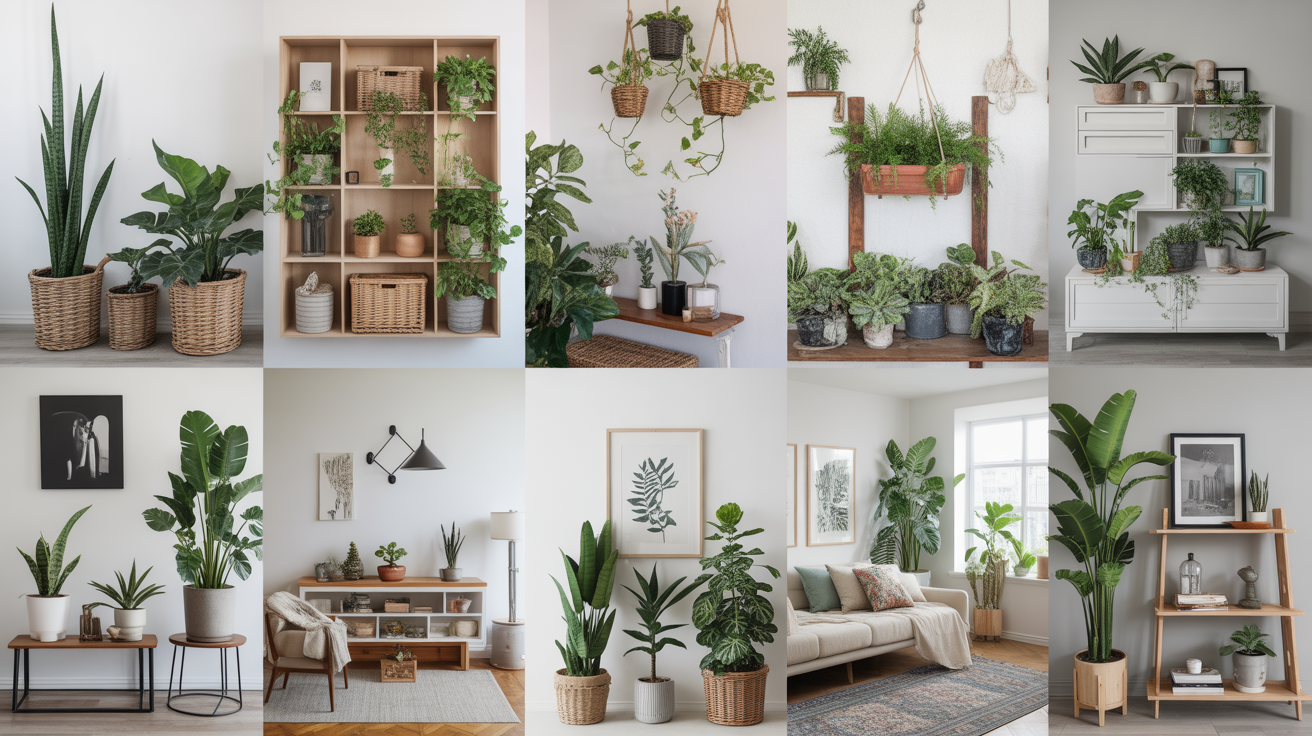
27 Functional Indoor Plant Styling Ideas to Transform Every Room
Introduction
Have you ever walked into a room and instantly felt more at peace because of the greenery around you? Functional indoor plant styling ideas are about creating intentional, living spaces that work hard and look beautiful at the same time. When plants are placed with both purpose and design in mind, every room takes on a whole new energy.
Whether you are a devoted plant parent or just beginning your green collection, this guide is packed with ideas for every skill level and space. You are about to discover 27 smart and stunning ways to style indoor plants that go beyond decoration and actually improve how your home feels and functions. Get ready to fall in love with your home all over again.
1. Hanging Plants in Small Kitchens
Small kitchens often lack counter space, which makes hanging plants one of the smartest styling choices you can make. Trailing varieties like pothos or string of pearls look gorgeous suspended from ceiling hooks near windows, and keep your surfaces completely clear. This approach draws the eye upward and makes a compact kitchen feel taller and more open.
Hanging plants also serve a practical purpose by improving air circulation and adding a natural, lived-in feel to what can often be a cold, utilitarian room. Choose lightweight pots and sturdy hooks to keep everything secure above your workspace. Mix different trailing varieties at varying heights to create a lush, layered effect that feels intentional and professionally styled.
Best For: Small kitchens, studio apartments, and galley-style cooking spaces
Pro Tip: Use a tension rod inside cabinets to hang small herb pots.
2. Plant Shelf Styling in Living Rooms
Styling plants on floating shelves in the living room is one of the most popular approaches in functional indoor plant styling today. The key is to mix plant sizes pair a tall snake plant with a small succulent and a trailing vine to create natural visual rhythm. Leave space between pots so each plant can breathe and be appreciated individually.
Beyond looks, shelf plants help filter indoor air and reduce background noise, making your living room feel more comfortable and calm. Combine plants with books, candles, or small decor pieces to give the shelf a balanced, styled finish. Odd-numbered groupings — three or five plants tend to look the most natural and pleasing to the eye.
Best For: Living rooms, reading nooks, and accent walls
Pro Tip: Group plants in odd numbers for a naturally balanced display.
3. Bathroom Corner Plant Displays
Bathrooms are some of the most underrated rooms when it comes to plant styling, and a well-placed corner display can completely transform the space. Plants that love humidity — like ferns, peace lilies, and snake plants — thrive in bathroom environments and require very little extra care. Even a single well-chosen plant can make a small bathroom feel like a luxury retreat.
For corners with limited floor space, consider a tiered plant stand that goes vertical and allows you to style multiple plants without crowding the room. The combination of steam, natural light, and moisture creates a perfect microclimate for many tropical houseplants. These plants also actively absorb excess humidity and help reduce mold over time.
Best For: Bathrooms, powder rooms, and spa-style ensuites
Pro Tip: Choose humidity-loving ferns for effortless bathroom plant success.
4. Bedroom Nightstand Plant Arrangement
Placing the right plant on your nightstand is a simple but powerful functional indoor plant styling move that can genuinely improve your sleep quality. Lavender and snake plants are known for their calming properties and their ability to release oxygen at night, making bedroom air fresher and more restful. Keep the pot small and proportional so it enhances rather than overwhelms the surface.
The nightstand is one of the first things you see when you wake up and the last before sleep, so a beautiful small plant there sets a peaceful tone for your day. Avoid plants with strong nighttime scents if you are sensitive to fragrance stick to low-maintenance greenery that works quietly in the background. This tiny styling detail makes a surprisingly big difference in how your bedroom feels.
Best For: Bedrooms, guest rooms, and reading corners
Pro Tip: Snake plants release oxygen overnight, perfect for bedrooms.
5. Window Sill Herb Garden
A window sill herb garden is one of the most genuinely functional indoor plant styling ideas because it is both beautiful and edible every single day. Lining up small pots of basil, rosemary, thyme, and mint along a sunny kitchen window creates an instant visual focal point while giving you fresh herbs at arm’s reach. The variety of leaf shapes and textures makes this display look naturally rich without any extra effort.
Choose terracotta pots in matching sizes for a cohesive, neat look that does not feel chaotic even with many varieties lined up together. Make sure your window receives at least four to six hours of sunlight daily so your herbs grow strong and productive. Water consistently but never let herbs sit in standing water, as this is the fastest way to lose them.
Best For: Kitchen windows, sunny breakfast nooks, and studio apartments
Pro Tip: Harvest herbs regularly, which encourages bushier, healthier growth.
6. Plant Dividers for Open Floor Plans
Using tall plants as natural room dividers is one of the cleverest functional indoor plant styling techniques for open-plan homes and studio apartments. A row of tall fiddle leaf figs or large snake plants between a living and dining area creates a soft, organic boundary that feels far more beautiful than any wall or screen. This approach defines each zone without closing off the space or making it feel smaller.
For maximum impact, choose plants of similar heights and style them in matching or complementary pots to create a cohesive, intentional look. Mix in shorter plants at the base of taller ones to fill the lower level and create a lush, layered divider. The end result is a home that feels both open and thoughtfully organized at the same time.
Best For: Open-plan apartments, studio spaces, and loft-style homes
Pro Tip: Use matching pots for a cohesive, intentional divider look.
7. Vertical Wall Plant Installations
A vertical plant wall is one of the most dramatic and rewarding functional indoor plant styling ideas you can bring into any room. Whether you use a pre-made wall planter system or a DIY version with small pots and wooden dowels, the effect is always stunning and completely unique. Vertical installations make use of wall space that would otherwise go completely unused.
Beyond the visual impact, a living wall genuinely improves the air quality of your room by multiplying the number of plants in a concentrated area. They also act as natural insulation and can reduce noise from outside, making your home feel quieter and more comfortable. Install your vertical garden near a light source to keep all plants thriving throughout the year.
Best For: Living rooms, dining rooms, and home offices
Pro Tip: Mist air plants twice weekly for healthy vertical installations.
8. Trailing Plants on High Shelves
Placing trailing plants on high shelves is one of the easiest and most visually rewarding techniques in functional indoor plant styling that anyone can pull off immediately. Plants like pothos, string of pearls, and heartleaf philodendron naturally cascade downward in long, beautiful vines that add movement and softness to any room. High shelves are also a smart choice if you have pets or small children.
This styling technique draws the eye upward and adds visual interest to spaces that might otherwise feel flat and one-dimensional. Style the base of your trailing plant with a complementary pot that matches the room’s color palette for a finished, intentional look. Allow vines to grow freely for a boho look, or train them along a shelf edge for something more structured.
Best For: Living rooms, home libraries, and bedroom feature walls
Pro Tip: Let pothos vines trail freely they grow faster when relaxed.
9. Plant Clusters on Coffee Tables
Styling a cluster of small plants on your coffee table is an easy and affordable way to bring functional indoor plant styling into your living room right now. Choose three to five small plants in varying pot sizes and textures to create a layered grouping that looks curated and intentional rather than random. A decorative tray underneath unifies the cluster and makes it easy to move the entire display when needed.
Be mindful of choosing plants that do not need frequent watering, as reaching across a coffee table cluster multiple times a week can feel cumbersome. Succulents, haworthia, and small cacti are ideal choices for this display because they thrive on minimal attention. Swap plants in and out seasonally to keep your coffee table display feeling fresh and new.
Best For: Living room coffee tables, ottomans, and low sideboards
Pro Tip: Use a tray to group and easily move coffee table plants.
10. Desk Plant Styling for Home Offices
Bringing plants into your home office is a genuinely functional indoor plant styling choice backed by research showing that greenery improves focus and reduces stress during long work sessions. A small succulent or potted herb on your desk adds life to what can often feel like a cold, screen-heavy environment. Choose a compact plant that does not obstruct your monitor or crowd your keyboard.
For home offices with limited natural light, consider a ZZ plant, pothos, or peace lily, as these varieties handle low-light conditions exceptionally well. Place the plant at the corner or side of your desk to keep your central working area clear and practical. A small grow light on a timer means your plants always look healthy, even in windowless setups.
Best For: Home offices, study rooms, and creative studio desks
Pro Tip: ZZ plants thrive with neglect, perfect for busy work desks.
11. Entryway Plant Styling
Your entryway is the very first impression your home makes, and a well-styled plant there sets a welcoming, warm tone immediately. A tall statement plant like a fiddle leaf fig or rubber tree placed beside an entryway console table signals that your home is thoughtfully designed and full of life. Pair it with a beautiful pot that complements your entryway’s color scheme for maximum impact.
For smaller entryways, a tabletop plant on the console or a small hanging plant above the door works beautifully and achieves the same warm, welcoming effect. Consider adding a trailing plant at the edge of your entryway shelf so that its vines gently cascade down, creating a naturally elegant welcome moment. Choose hardy plants for entryways since these spots often have less consistent light and can be drafty.
Best For: Entry hallways, front porches, and apartment foyers
Pro Tip: Choose hardy rubber plants; they tolerate entryway drafts well.
12. Staircase Plant Arrangements
Styling plants along a staircase is one of the most creative and visually dramatic approaches in functional indoor plant styling for multi-level homes. Placing small potted plants on each step, or alternating between steps with larger floor plants at the base, creates a cascading green display that makes your staircase a living feature. This works especially well in homes with natural light streaming through staircase windows.
Choose plants that do not need frequent repositioning — succulents, ferns, or low-maintenance trailing plants work best in a spot that gets foot traffic daily. Make sure any pots on the steps are secure and have drainage trays to protect your stairs from water damage and prevent safety hazards. Keep the display uniform in pot style or color to prevent the staircase from looking cluttered.
Best For: Staircases, split-level homes, and multi-story townhouses
Pro Tip: Secure step pots with non-slip mats to prevent accidents.
13. Bookshelf Plant Styling
Weaving plants into a bookshelf display is a beloved functional indoor plant styling technique that gives your book collection a living, organic quality no decorative objects alone can replicate. Balance a small trailing plant at one end of a shelf with a vertical succulent at the other end to frame the books between them. Vary heights by propping some pots on small risers to create visual movement across the entire shelf.
Bookshelves often receive indirect light, so choose shade-tolerant plants like pothos, snake plants, or cast iron plants that will not suffer in lower light conditions. Avoid over-watering plants on bookshelves to protect your books from moisture damage. Always use pots with drainage holes and trays underneath. A beautifully styled bookshelf with plants is a look that never goes out of style.
Best For: Home libraries, living room shelving, and built-in bookcases
Pro Tip: Wipe leaves monthly. Clean plants look better among books.
14. Kitchen Counter Herb Display
A styled herb display on your kitchen counter is one of the most truly functional indoor plant styling ideas because every plant you grow there can be used in your cooking every day. Choose three or four of your most-used herbs — basil, parsley, chives, and cilantro — and pot them in matching containers for a clean, cohesive counter look. Position them near your kitchen window for the best available natural light.
A counter herb display also reduces how often you need to buy packaged herbs from the grocery store, saving money and reducing plastic waste over time. Keep pots elevated on a small wooden board or riser to protect your counter surface from water rings and to add a touch of height to the display. Snip regularly and enjoy cooking with herbs you grew yourself right inside your own home.
Best For: Kitchen counters, breakfast bars, and open kitchen shelving
Pro Tip: Snip herbs above a node, they regrow bushier and fuller.
15. Terracotta Pot Groupings
Styling a collection of plants in terracotta pots is a classic functional indoor plant styling approach that never loses its charm or relevance in modern interior design. The warm, earthy tones of terracotta complement almost every decor style, and the porous material is better for most plants because it allows soil to breathe and dry evenly. Group several pots of varying heights together on a tray to create an instantly cohesive rustic display.
Mix in a few painted or aged terracotta pots alongside plain ones to add subtle variety and personality without losing visual unity. Terracotta clusters work beautifully on patios, kitchen counters, bookshelves, and entryway consoles with equal success. Clean pots regularly with a dry brush to remove salt deposits that build up over time and keep them looking their most beautiful.
Best For: Kitchen windowsills, outdoor patios, and earthy-styled living rooms
Pro Tip: Soak new terracotta pots in water before use to prevent drying.
16. Statement Floor Plant in Living Rooms
A single large statement floor plant is perhaps the most powerful move in all of functional indoor plant styling because it transforms the entire mood of a room with just one well-placed addition. Fiddle leaf figs, large monstera deliciosa, and tall bird of paradise plants command attention naturally and bring an instant sense of tropical luxury to any living room. Place your statement plant in a corner that receives bright indirect light for the best results.
A floor plant also functions as a natural anchor for the rest of your living room styling, giving the eye a clear focal point. Choose a pot with a drainage hole and a matching saucer in a material that complements your floor — woven, ceramic, or matte stone all look stunning beneath a large plant. Rotate the plant a quarter turn each week to ensure even growth on all sides.
Best For: Living room corners, reading areas, and open dining spaces
Pro Tip: Rotate floor plants weekly for balanced, upright, healthy growth.
17. Plant Stands for Corner Spaces
Plant stands are one of the most underused tools in functional indoor plant styling and they genuinely solve one of the most common challenges — how to fill a corner beautifully without making it feel heavy. A tiered or multi-level plant stand allows you to style several plants of different heights in one compact footprint, ideal for corners that would otherwise remain empty and wasted. Choose a stand in a finish that coordinates with your existing furniture for a cohesive result.
The beauty of a plant stand is also its flexibility — you can move it easily as the seasons change or as you rearrange your room. Mix flowing trailing plants on higher shelves with compact upright varieties on lower levels to create a naturally graduated green display. Corners that once collected clutter or went unnoticed become one of the most beautiful and intentional spots in your entire home.
Best For: Living room corners, bedroom nooks, and sunroom spaces
Pro Tip: Choose a rotating stand for even light without manual turning.
18. Hanging Macrame Plant Holders
Hanging macrame plant holders bring warmth, texture, and a handcrafted quality to any room and are one of the most Pinterest-beloved approaches in functional indoor plant styling right now. The natural fibers of macrame complement the organic quality of plants in a way that no manufactured hanger ever could, creating a genuinely cohesive and beautiful pairing. Hang them at varying heights near a bright window and fill each holder with a trailing plant for maximum visual impact.
Beyond their beauty, macrame hangers lift plants off surfaces and into the air, which is particularly useful in small homes where floor and shelf space is already at a premium. Make sure to choose a hanger with strong support and always use a hook rated to hold the combined weight of the pot, soil, and plant. Group several macrame hangers together in a sunny corner to create a hanging garden effect that takes up zero floor space.
Best For: Boho-style bedrooms, sunlit living rooms, and plant-filled porches
Pro Tip: Use glass or ceramic pots in macrame for a polished, styled look.
19. Glass Terrarium Displays
Glass terrariums are one of the most self-contained and stunning expressions of functional indoor plant styling because they create an entire miniature ecosystem that practically cares for itself once established. Choose a geometric glass terrarium in a shape that complements your decor. Triangular ones suit modern styles beautifully, while round bowl-shaped ones feel more romantic and organic. Fill your terrarium with a drainage layer of pebbles, activated charcoal, and potting mix before adding your chosen plants and a decorative layer of moss.
Closed terrariums are particularly clever for busy people because the moisture inside recycles itself in a self-contained mini water cycle, meaning you may only need to water every few weeks. Open terrariums suit succulents and cacti beautifully, providing just enough airflow to keep dryer-loving plants thriving without the risk of rot. Place your terrarium in bright indirect light and avoid direct sunlight through glass, which magnifies heat and can scorch plants quickly.
Best For: Dining tables, office desks, and decorative bathroom shelves
Pro Tip: Use activated charcoal in terrariums to prevent mold and odors.
20. Propagation Station Styling
A propagation station is one of the most charming and genuinely functional indoor plant styling ideas that has exploded in popularity across Pinterest in recent years. Fill a row of small glass vases, vintage bottles, or test tubes with water and place stem cuttings inside to root — the glass allows you to watch beautiful roots develop over time. Line these up on a windowsill or floating shelf to create a display that is both decorative and actively growing new plants.
A propagation station also tells a beautiful story about your home — it signals that this is a space where things grow, are nurtured, and are shared with others. Change the water every few days to keep it fresh and clear so the glass stays beautiful and cuttings remain healthy. Once roots reach about two to three centimeters, transfer cuttings into soil and watch them establish quickly into full new plants.
Best For: Kitchen windowsills, home office shelves, and sunny bathroom ledges
Pro Tip: Change the propagation water every three days to prevent algae buildup.
21. Plant Ladder Styling for Small Spaces
A wooden plant ladder is one of the most space-efficient and visually elegant tools available in functional indoor plant styling for homes where floor space is limited but vertical space is abundant. Simply lean a decorative ladder against a wall and style each rung with a potted plant of different sizes and varieties to fill vertical space beautifully and efficiently. The lean-against-the-wall design means no wall fixtures, no damage to plaster, and complete flexibility to move the display anytime.
Choose a ladder in raw wood for a natural, organic finish or one painted in matte white or black to suit a contemporary interior aesthetic. Mix trailing plants on upper rungs so they cascade downward toward the floor-level plants below, creating a wonderful waterfall of greenery from top to bottom. A beautifully styled plant ladder makes a room look thoughtfully designed rather than simply decorated.
Best For: Small bedrooms, narrow bathrooms, and studio apartment living areas
Pro Tip: Place heavier pots on lower rungs to keep the ladder stable.
22. Minimalist Single Plant Styling
Sometimes the most powerful statement in functional indoor plant styling is made not by many plants, but by one single, perfectly chosen plant placed with complete intention and confidence. A large, healthy monstera in a stunning sculptural pot placed on a clean surface with nothing else competing for attention is a study in effortless modern elegance. The minimalist approach allows the plant’s natural beauty, its leaf structure, color, and form, to take center stage completely.
The key to pulling off single-plant minimalist styling is choosing a plant that genuinely earns its solo spotlight through dramatic leaf shape, unusual color, or impressive scale. Make sure the pot is as carefully chosen as the plant itself. A sculptural ceramic or matte concrete pot elevates the entire display and makes it feel like an art installation. Keep the surface the plant sits on clear so the plant remains the undisputed focal point at all times.
Best For: Minimalist living rooms, modern entryways, and Scandinavian-inspired bedrooms
Pro Tip: One perfect plant in a great pot outperforms ten mediocre ones.
23. Bedroom Windowsill Plant Display
Styling a collection of small plants along your bedroom windowsill is one of the most calming and genuinely beneficial applications of functional indoor plant styling in the entire home. The natural light that streams through a bedroom window is often the perfect quality for a wide range of houseplants, making windowsills one of the most plant-friendly spots without any additional intervention. Seeing green the moment you open your eyes in the morning is a small but genuinely meaningful daily joy.
Keep the windowsill display neat and curated rather than overloaded — three to five plants arranged thoughtfully always look better than ten crammed together competing for light and space. Use matching pots in soft, muted tones that complement your bedroom’s color palette rather than drawing attention away from the peaceful atmosphere of the space. Clean the windowsill and pots regularly to keep the entire display looking fresh and well-loved.
Best For: Bedroom windowsills, guest room windows, and sunlit reading corners
Pro Tip: Soft succulents on bedroom windowsills need water just once weekly.
24. Dining Table Centerpiece Plants
Replacing traditional cut flower centerpieces with living potted plants on your dining table is a smart and sustainable approach to functional indoor plant styling that keeps your table beautiful week after week. A low-growing arrangement of small succulents, a trailing plant, and a compact fern creates a lush, textured centerpiece that feels alive and inviting every time you sit down to eat. Keep plant heights low enough that guests can see each other comfortably across the table.
Place the plants on a wooden board or decorative tray to make them easy to move when you need the full table surface for a larger meal or gathering. Living plant centerpieces are considerably more affordable over time than buying cut flowers weekly, as the same plants can stay on your table for months with proper care. Choose plants that do not shed leaves or release strong fragrances near food for a pleasant, uninterrupted dining experience.
Best For: Dining tables, kitchen islands, and breakfast nook surfaces
Pro Tip: Keep dining centerpiece plants below eye level for easy conversation.
25. Bathroom Shelf Plant Arrangements
Styling plants along bathroom shelves creates one of the most luxurious and spa-inspired results in all of functional indoor plant styling with very little effort or investment. Small potted ferns, aloe vera, or a golden pothos look beautiful tucked between towels and candles on bathroom shelving, adding organic texture to what can otherwise be a purely functional and sterile-looking space. The steam from daily showers provides natural humidity that many of these plants genuinely love.
Choose pots in materials that complement your bathroom fixtures — ceramic works beautifully in clean, modern bathrooms while woven basket covers suit more natural, earthy aesthetics. Ensure your bathroom shelf receives at least some ambient natural or artificial light to keep plants healthy and looking their best over the long term. Wipe bathroom shelves dry regularly to protect both the shelving material and the base of your plant pots from prolonged moisture exposure.
Best For: Bathroom open shelving, vanity tops, and wet room alcoves
Pro Tip: Aloe vera on bathroom shelves doubles as a natural skin soother.
26. Nursery and Kids Room Plant Styling
Bringing plants into a nursery or children’s room is a wonderful and gentle introduction to the natural world that supports a child’s growing curiosity and sense of wonder. Choose completely non-toxic plants for these spaces spider plants, Boston ferns, and areca palms are beautiful, safe choices that also actively improve indoor air quality for young, developing lungs. Place plants out of reach of small hands by styling them on high shelves or hanging them from the ceiling in secure hangers.
Involve older children in the care of their room’s plants by giving them simple tasks like misting leaves or placing pebbles on the soil — this builds responsibility and genuine pride in their own space. Choose durable varieties that can handle the occasional knocked-over pot or missed watering without suffering too badly. Styling even a single beautiful plant in your child’s room plants a seed of appreciation for the natural world that will grow with them for their entire life.
Best For: Nurseries, toddler rooms, and shared children’s bedrooms
Pro Tip: Spider plants are non-toxic, fast-growing, and completely child-safe.
27. Outdoor-to-Indoor Plant Transitions
Bringing outdoor plants indoors for seasonal styling is one of the most refreshing and creative expressions of functional indoor plant styling because it constantly evolves your home’s green spaces with the natural rhythm of the world outside. In cooler months, bring robust outdoor plants like large ferns, elephant ears, or tropical palms inside where they add incredible lush scale to your interior styling without requiring any new purchases.
When transitioning plants from outdoors to indoors, always check for pests or insects hiding in the soil or on leaves before bringing them inside your home. Give transitioning plants a few days to acclimatize in a sheltered outdoor spot like a covered porch before moving them fully inside to reduce stress. Wipe leaves clean and repot if necessary before the indoor debut so your plants arrive in their new space looking their freshest and best.
Best For: Covered patios, sunrooms, and homes with large indoor-outdoor living areas
Pro Tip: Check for pests carefully before moving outdoor plants inside.
Final Thoughts
Functional indoor plant styling is truly one of the most rewarding ways to invest in your home because every plant you place with intention adds beauty, improves the air around you, and makes your space feel more alive and genuinely yours. Whether you start with a single statement plant or dive straight into a full propagation station, the most important thing is simply to begin. Every one of the 27 ideas in this post is designed to be approachable, practical, and genuinely beautiful.
For even more plant styling inspiration, home decor ideas, and beautifully curated guides to help you make the most of every room, visit Trendy Decor Guide and explore everything waiting for you there. Your most beautiful, plant-filled home is closer than you think, and you have everything you need right now to begin creating it. Save this post, pick your favorite idea from the list, and start styling today.