25 Open Layout Living Room Dining Room Ideas for Modern Homes
Introduction
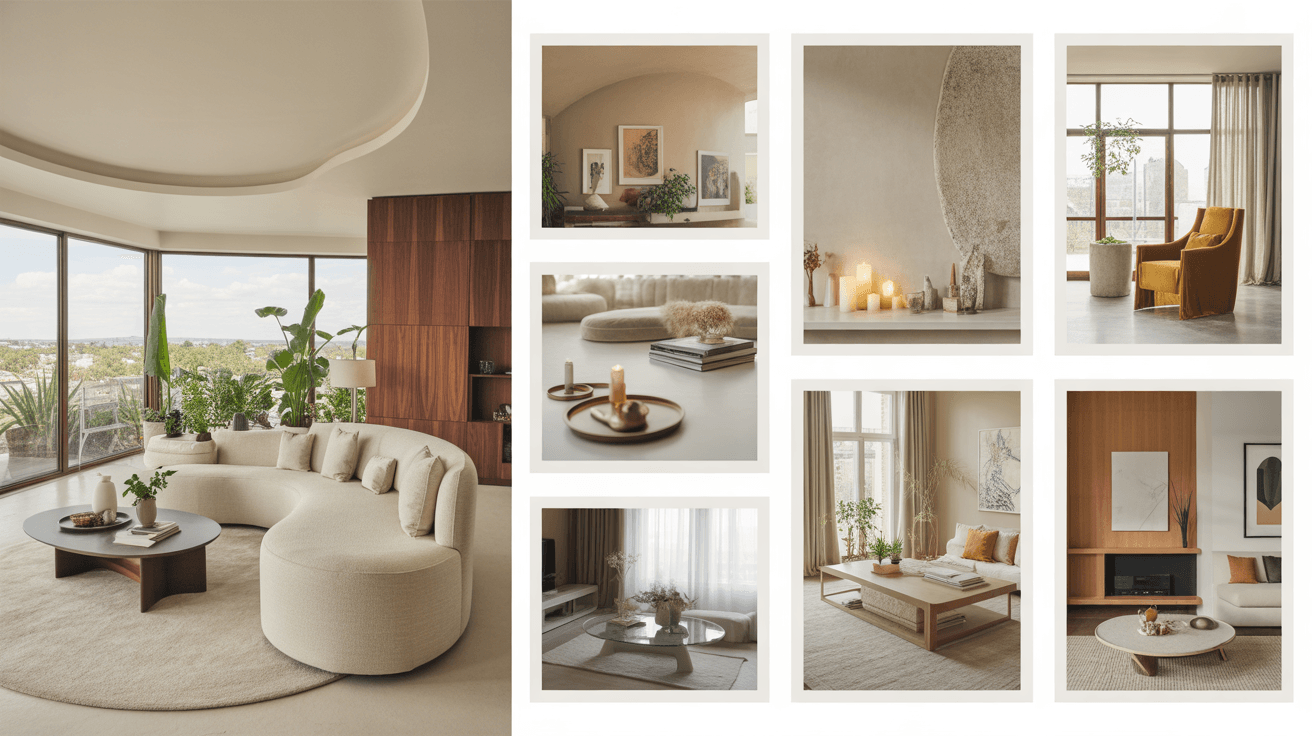
Open layout living room and dining room designs are a defining feature of modern homes because they create a spacious, connected, and highly functional environment. By removing walls and barriers, these layouts allow natural light to flow freely, making the space feel brighter, larger, and more welcoming. This open concept also encourages better interaction, making it ideal for families and social gatherings.
These layouts are not just about openness but also about balance, zoning, and thoughtful furniture placement. A well-designed open layout ensures both living and dining areas feel connected yet serve their own purpose effectively. In this blog, we will explore 25 Open Layout Living Room Dining Room Ideas to help you create a stylish, organized, and functional open space.
1. Minimal Open Layout Design
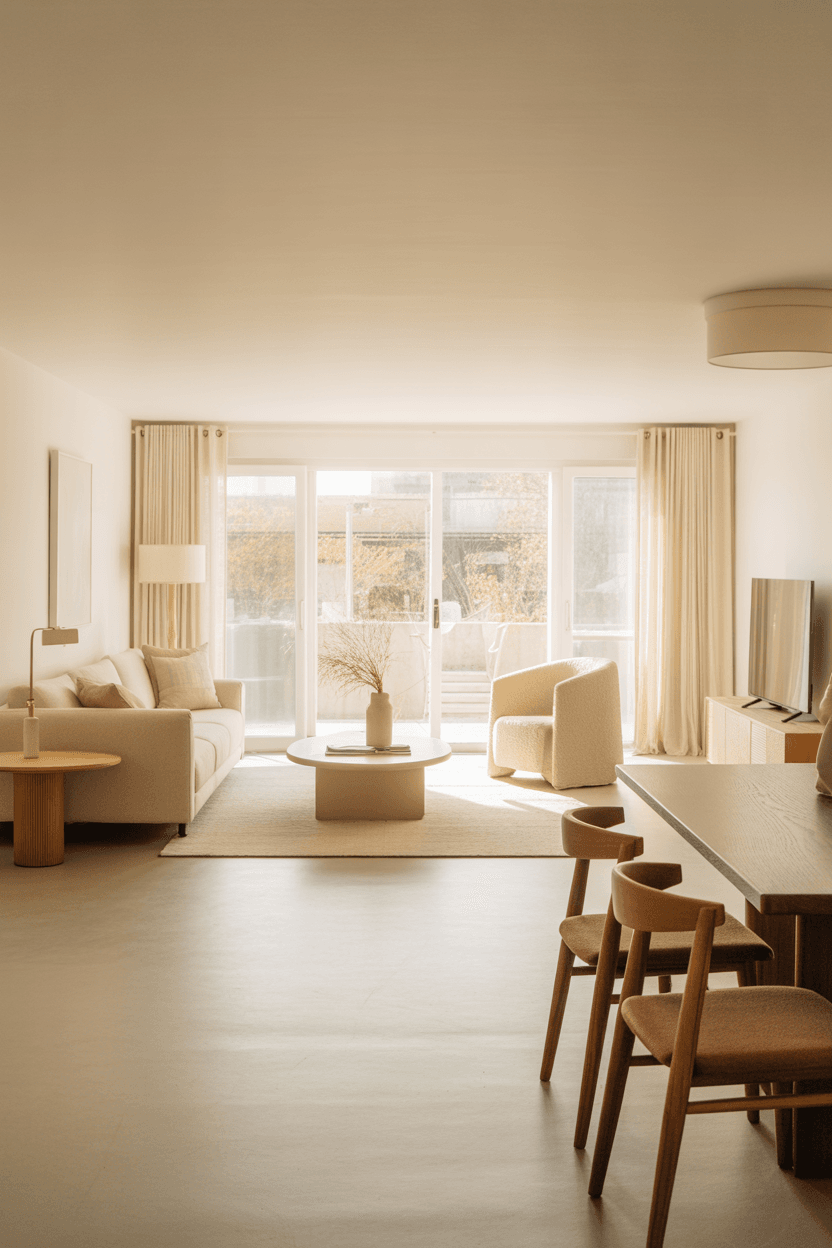
Minimal open layout design focuses on simplicity, clean lines, and clutter-free arrangements that create a calm and well-organized environment. By using limited furniture and soft neutral tones, the space feels more open, airy, and visually light. This approach enhances the natural flow between the living and dining areas, allowing both spaces to connect seamlessly without distractions.
It works perfectly in modern homes where simplicity and functionality are top priorities for everyday living. The overall design feels elegant, spacious, and easy to maintain, making it ideal for busy lifestyles. It also promotes a peaceful and relaxing atmosphere that improves comfort and enhances the overall living experience.
Best for: Minimal homes and modern compact spaces.
Pro Tip: Keep décor simple and clutter-free.
2. Neutral Tone Open Layout
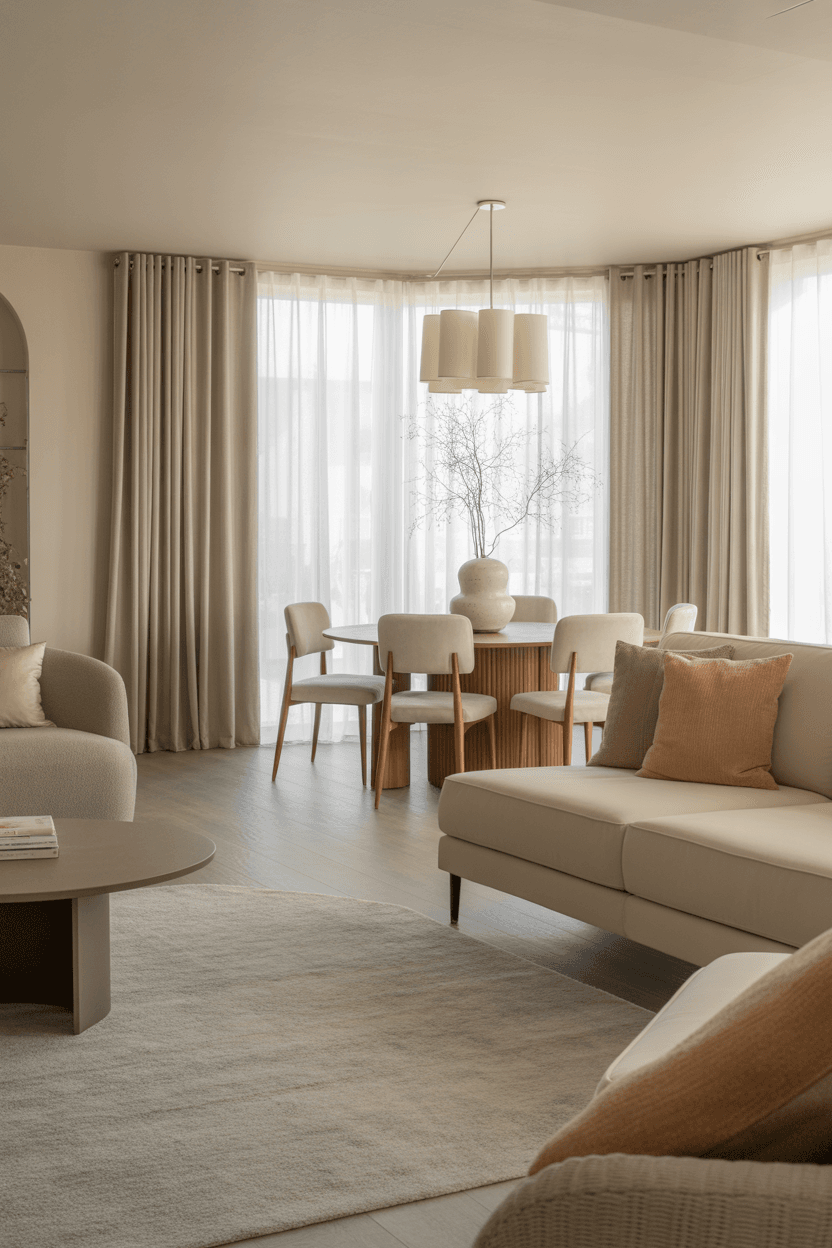
Neutral tone open layouts use soft shades like beige, cream, and grey to create a cohesive, balanced, and visually soothing environment. These colors blend effortlessly across both the living and dining areas, ensuring a smooth and seamless transition between spaces. This approach maintains harmony while keeping the overall design calm, elegant, and easy on the eyes.
This style is ideal for those who prefer a timeless interior that can be refreshed easily with simple decor updates. It keeps the space soft, inviting, and adaptable for changing trends or seasonal styling. The flexibility of neutral tones makes the design both practical and long-lasting.
Best for: Versatile homes and adaptable interiors.
Pro Tip: Add texture layers for depth and warmth.
3. Zoning with Rugs
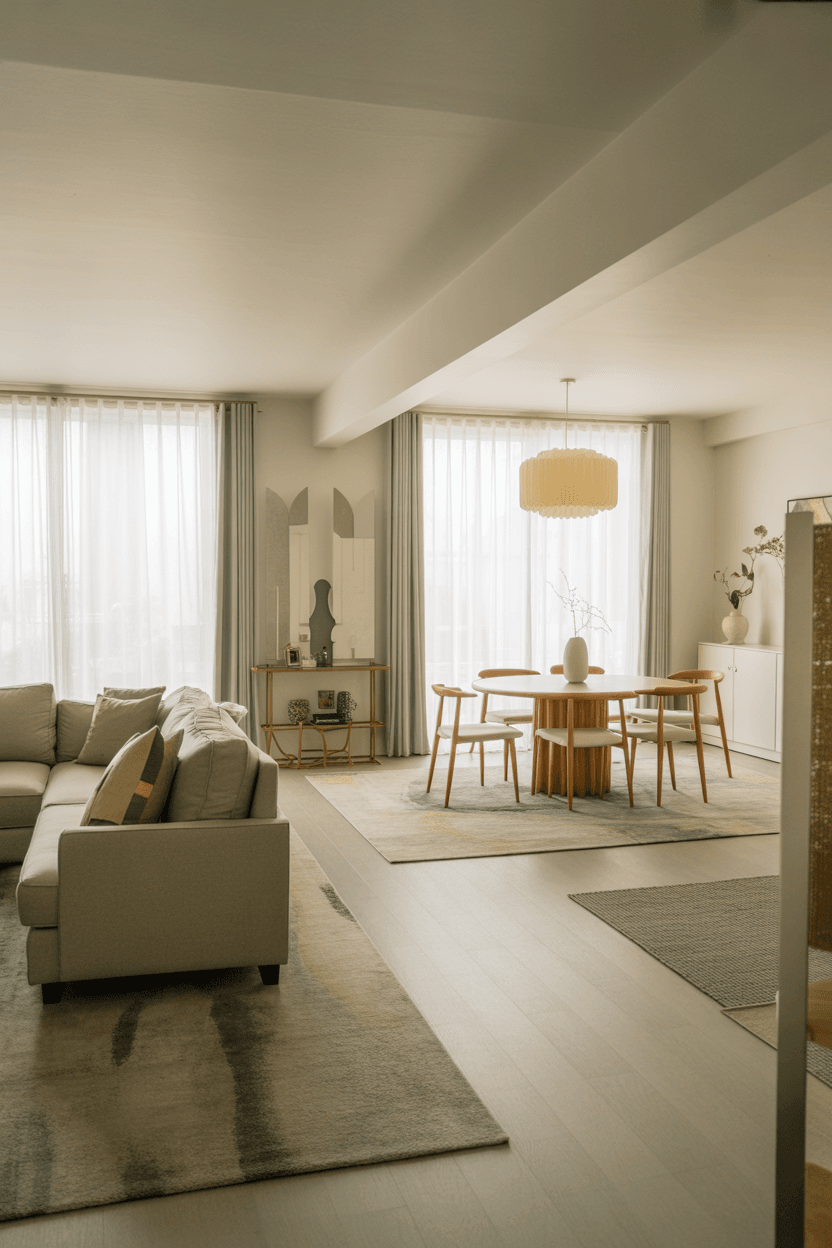
Using rugs is one of the easiest and most effective ways to define separate zones within an open layout without adding physical barriers. Placing one rug under the sofa and another under the dining table helps clearly distinguish both areas while maintaining openness. This simple technique improves organization and gives the space a more structured and intentional look.
This method keeps the layout airy and spacious while adding subtle visual boundaries that enhance functionality. It allows both areas to feel connected yet clearly defined, creating a balanced and well-designed environment. The result is a space that looks organized, stylish, and comfortable for everyday living.
Best for: Open spaces and large living areas.
Pro Tip: Use contrasting rugs to define zones.
4. Statement Lighting Design
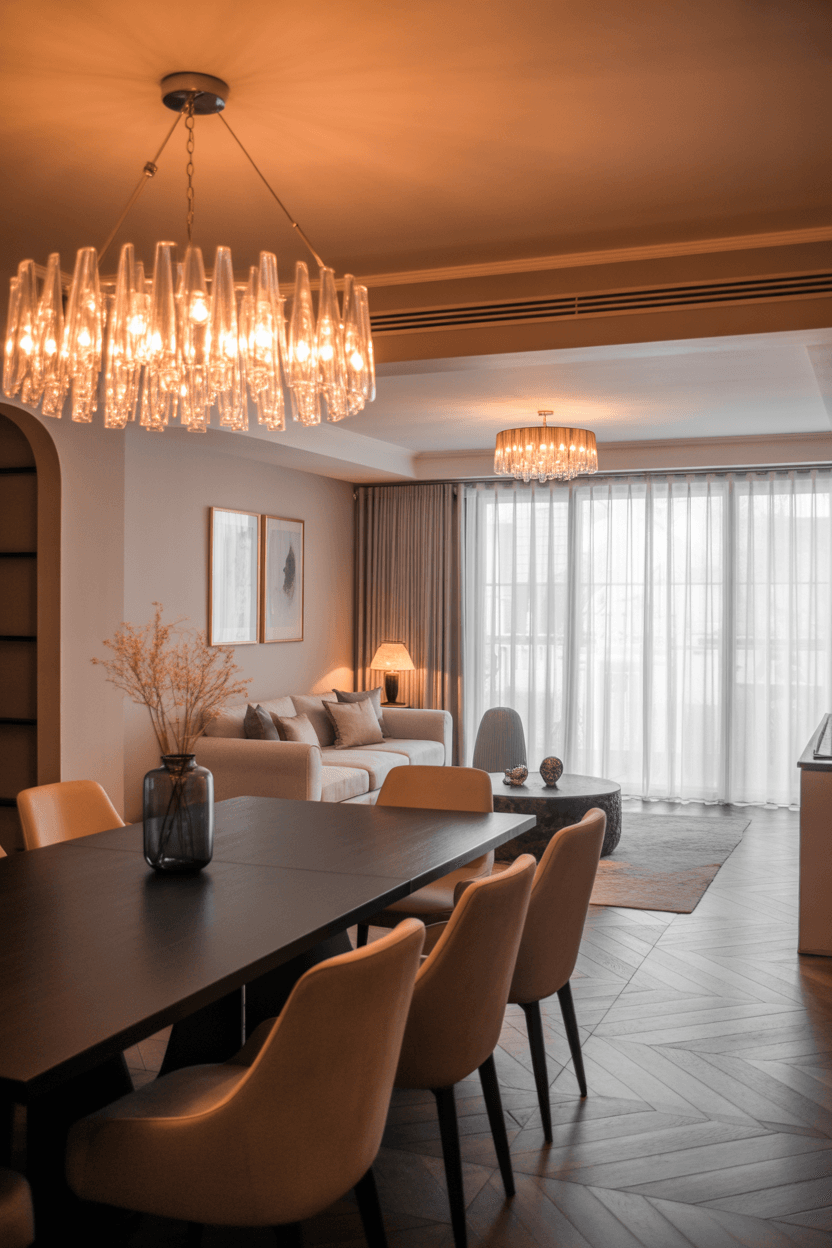
Statement lighting helps define different zones in an open layout by using distinct fixtures for each area in a thoughtful way. A chandelier placed above the dining table and pendant or floor lights in the living room create clear visual separation without the need for walls. This approach adds depth, structure, and a touch of elegance to the overall design.
Lighting in this setup becomes both functional and decorative, enhancing the mood and overall ambiance of the space. It creates a well-lit, stylish environment that feels modern, warm, and inviting for everyday use. The right lighting choices can truly elevate the entire look and feel of the room.
Best for: Stylish homes and modern interiors.
Pro Tip: Mix different lighting styles for depth.
5. Furniture Alignment Layout
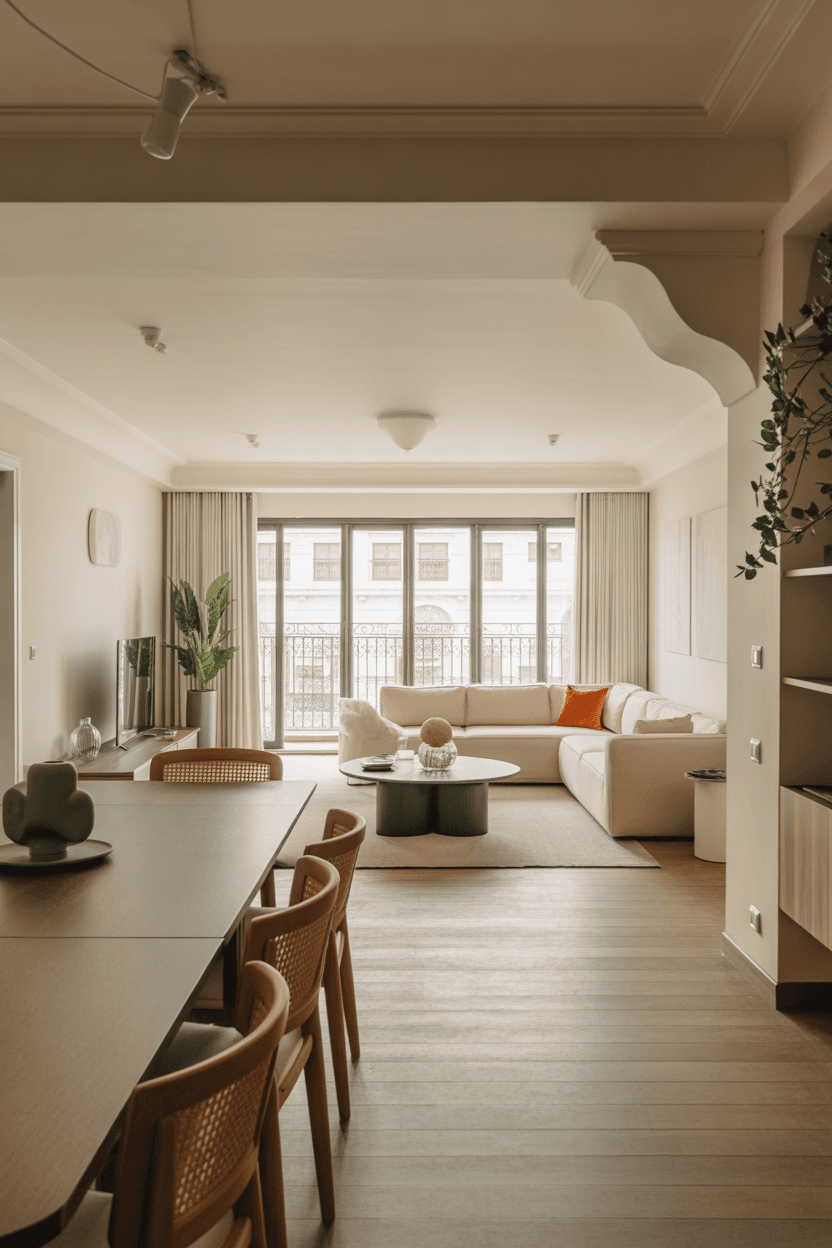
Furniture alignment plays a key role in maintaining flow and balance within an open layout, ensuring the space feels organized and easy to navigate. Arranging sofas, dining tables, and chairs in a structured and thoughtful way helps guide movement naturally between areas. This setup improves usability while also enhancing comfort and visual harmony throughout the space.
It ensures that both the living and dining areas remain connected while still functioning independently for their specific purposes. The result is a well-balanced environment that feels practical, comfortable, and visually pleasing. This approach makes everyday living more efficient while maintaining a clean and cohesive design.
Best for: Organized homes and structured layouts.
Pro Tip: Keep pathways clear for easy movement.
6. Open Layout with Divider Shelf
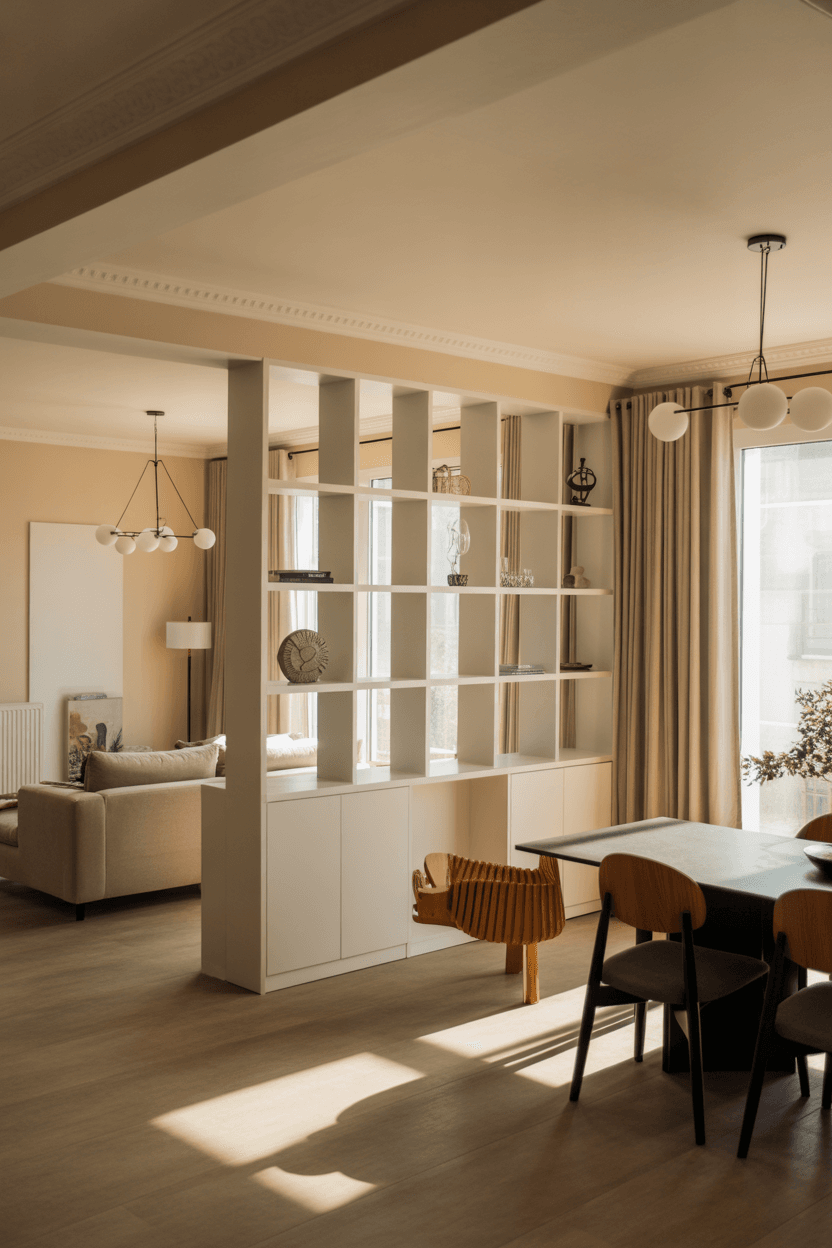
Divider shelves act as subtle boundaries that help separate spaces without blocking natural light or making the layout feel closed. They provide useful storage and display options for decor, books, or everyday items, adding both functionality and style to the space. This approach keeps the overall layout open while still giving it a sense of structure and organization.
This design enhances organization while maintaining a modern, airy, and visually appealing environment. It creates a smooth and interesting transition between the living and dining areas without disrupting flow. The result is a space that feels balanced, practical, and thoughtfully designed.
Best for: Functional homes and smart living spaces.
Pro Tip: Keep shelves minimal and uncluttered.
7. Modern Luxury Open Layout
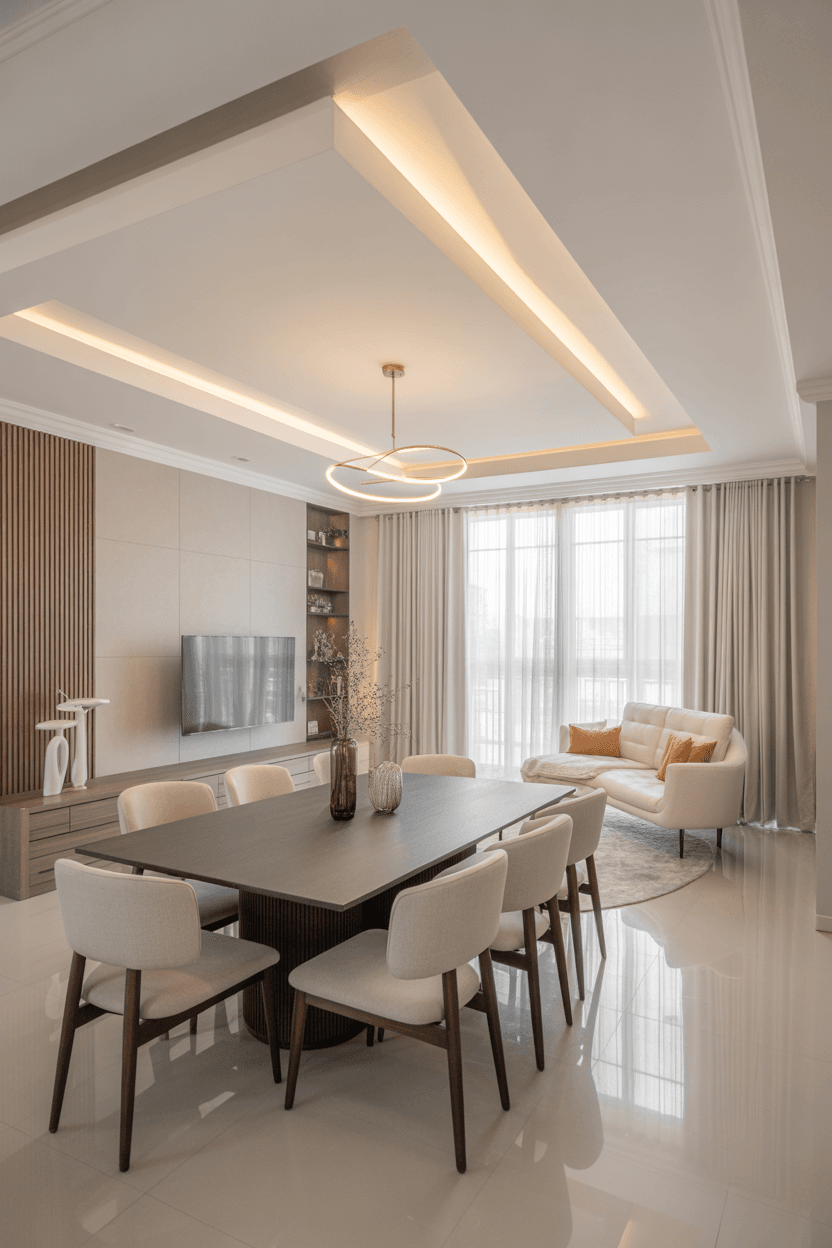
Modern luxury layouts use premium materials, elegant furniture, and cohesive color schemes to create a refined and sophisticated environment. Every element is carefully selected to ensure both the living and dining areas complement each other seamlessly, resulting in a unified and polished look. This approach adds depth, richness, and a high-end feel to the entire space.
This design is perfect for creating a luxurious and well-balanced interior that feels both stylish and comfortable. It enhances the overall ambiance while maintaining a spacious and open atmosphere. The result is a home that looks elegant, modern, and effortlessly refined.
Best for: Luxury homes and high-end interiors.
Pro Tip: Use premium finishes for an elegant look.
8. Scandinavian Open Layout
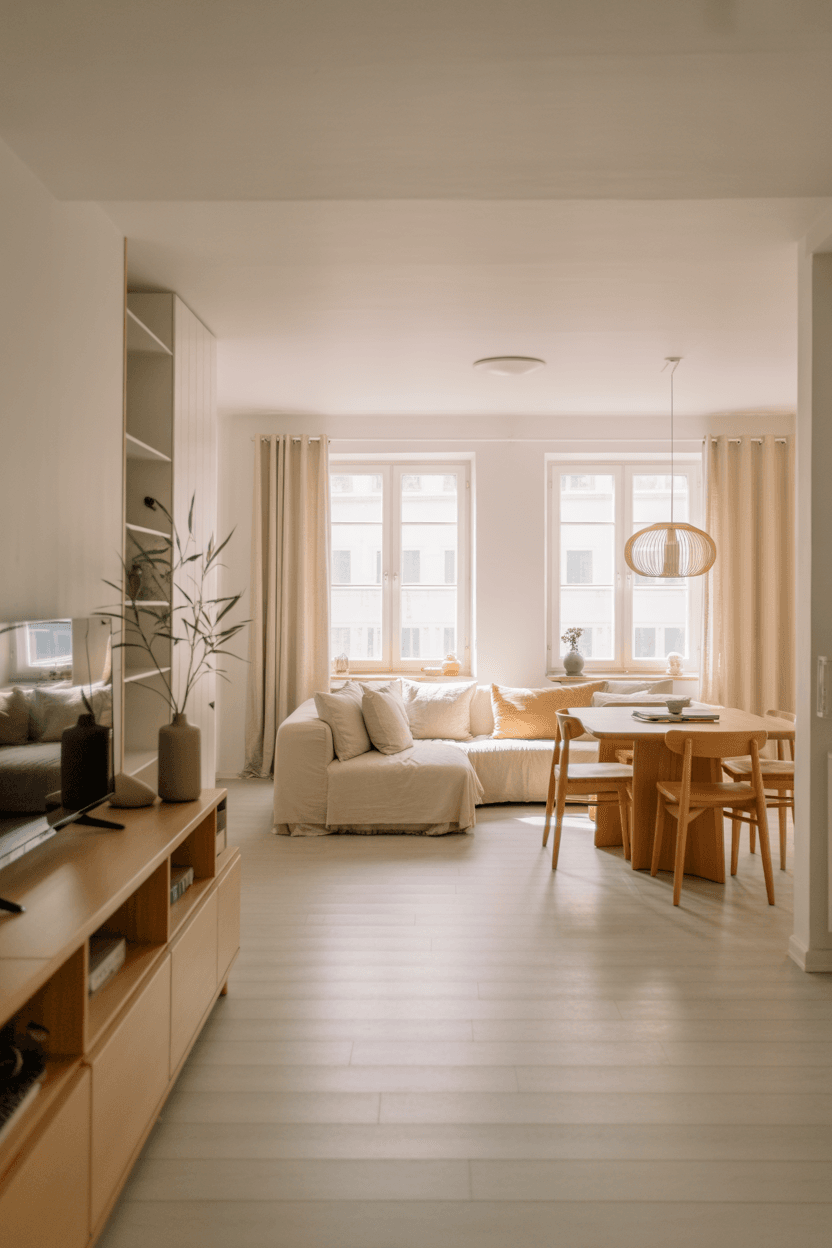
Scandinavian layouts focus on light tones, natural wood elements, and minimal decor to create a calm, cozy, and well-balanced environment. The design feels open, fresh, and airy while maintaining a sense of warmth and simplicity. Clean lines and natural materials help enhance comfort and create a visually soothing space.
It works especially well in modern homes that prefer simple yet inviting interiors with a soft, natural touch. This style promotes relaxation, comfort, and ease of living, making the space feel peaceful, functional, and effortlessly stylish.
Best for: Calm interiors and peaceful living spaces.
Pro Tip: Add wood accents for warmth and balance.
9. Open Layout with Accent Wall
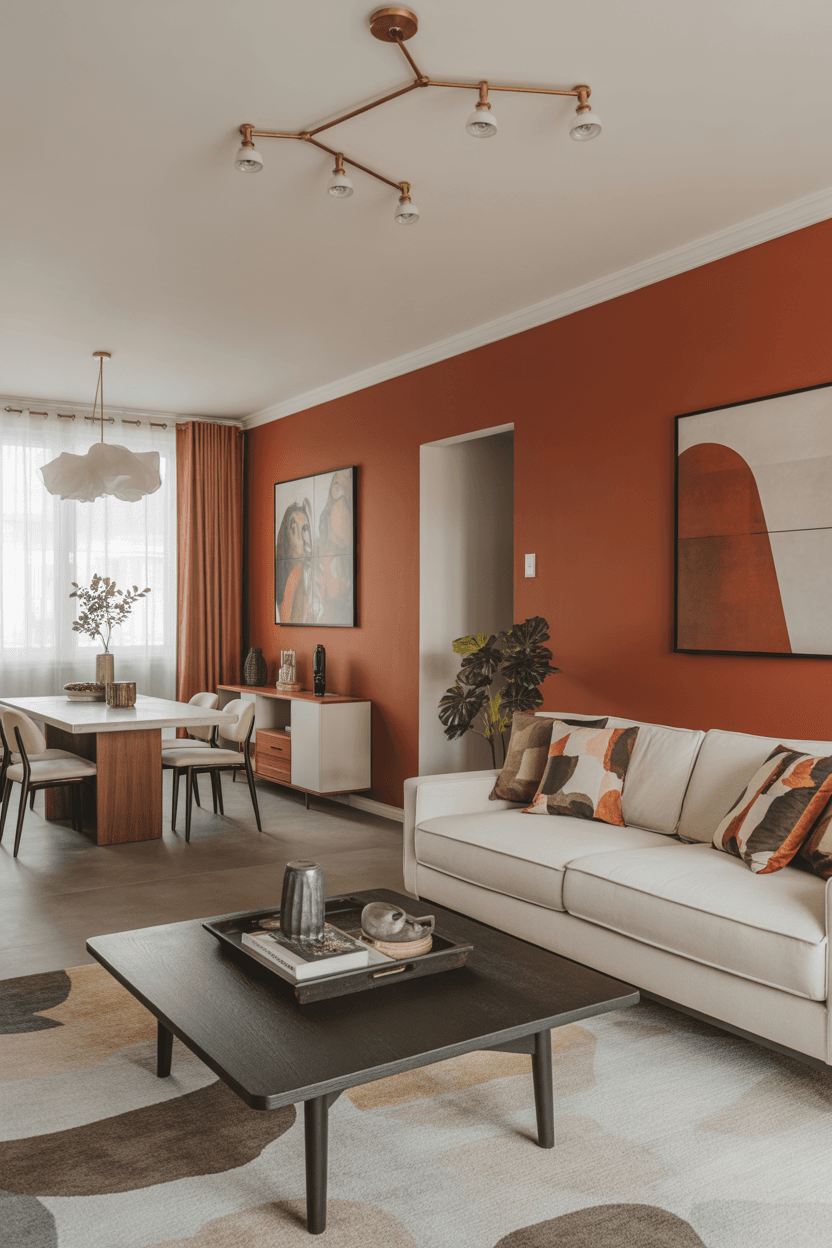
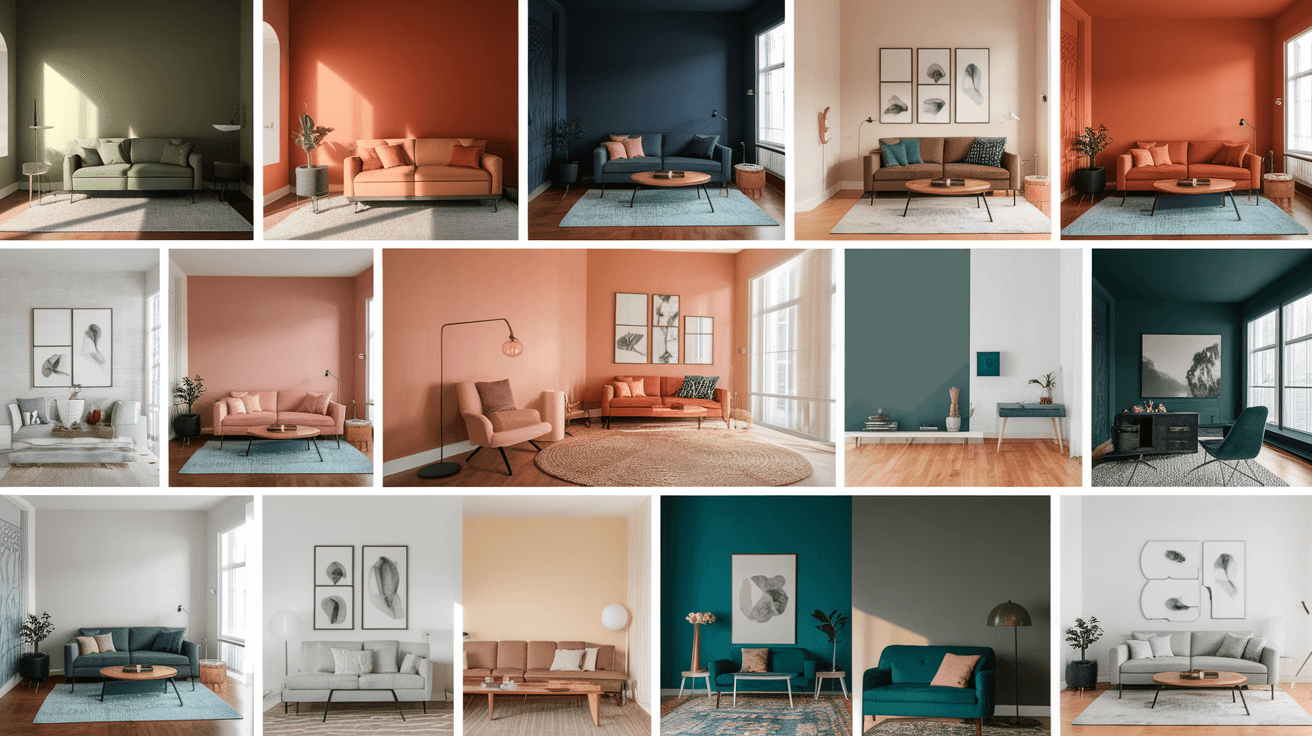
An accent wall adds depth, contrast, and visual interest by highlighting a specific section of the open layout, such as the dining or living area. It acts as a natural focal point that draws attention without breaking the overall flow of the space. This simple design technique helps define zones while keeping the interior cohesive and visually appealing.
This design allows bold expression through colors, textures, or patterns while still maintaining balance and harmony in the room. It enhances the overall aesthetic effectively by adding personality and style without overwhelming the open layout.
Best for: Modern homes and contemporary interiors.
Pro Tip: Use bold colors for a striking look.
10. Dining Focus Layout
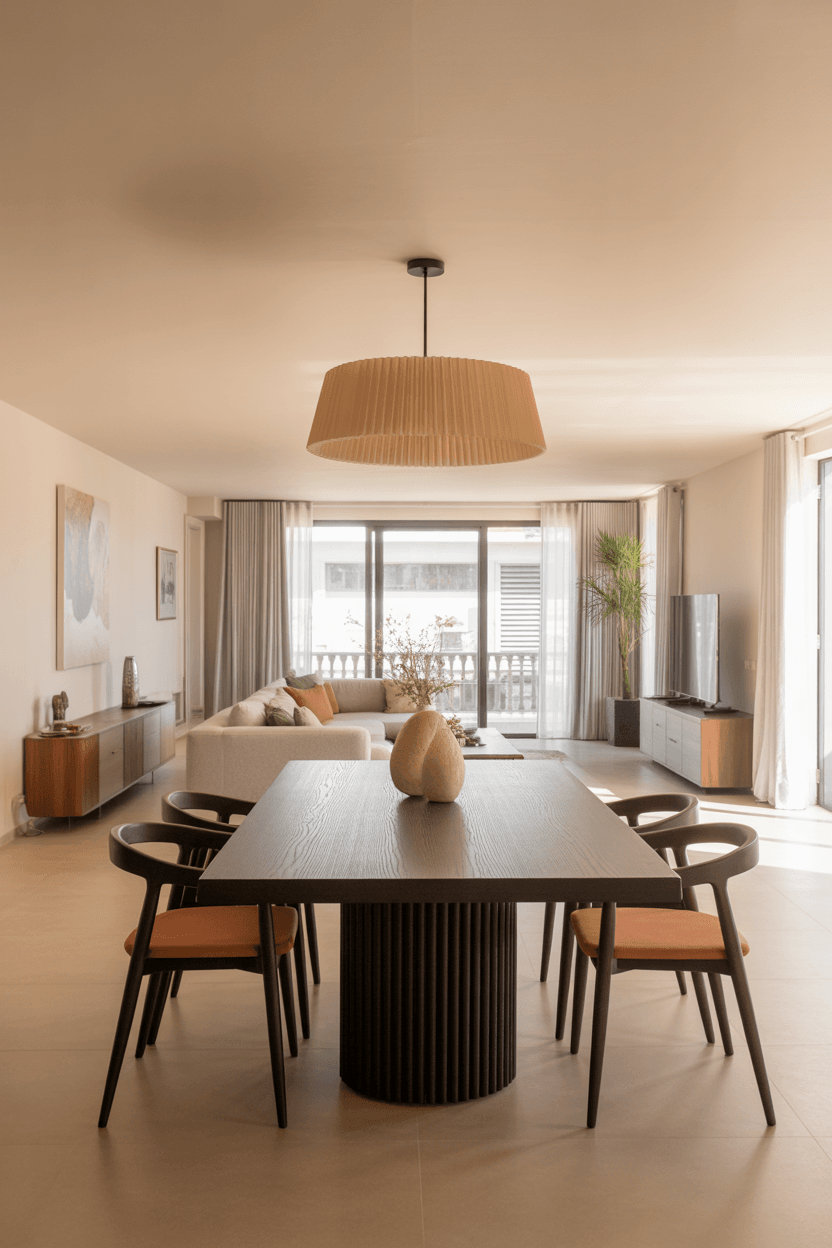
This layout highlights the dining area as the main focal point by using bold furniture pieces, statement lighting, or distinctive design elements. It creates a clear visual hierarchy within the open space, drawing attention naturally toward the dining zone. The arrangement helps define purpose while still keeping the overall layout connected and harmonious.
It is ideal for homes where dining and shared meals are a central part of daily life and social gatherings. While giving importance to the dining area, it still balances both living and dining spaces effectively, ensuring a cohesive, stylish, and well-structured interior.
Best for: Family homes and shared living spaces.
Pro Tip: Highlight the dining table as a focal point.
11. Living Room Focus Layout
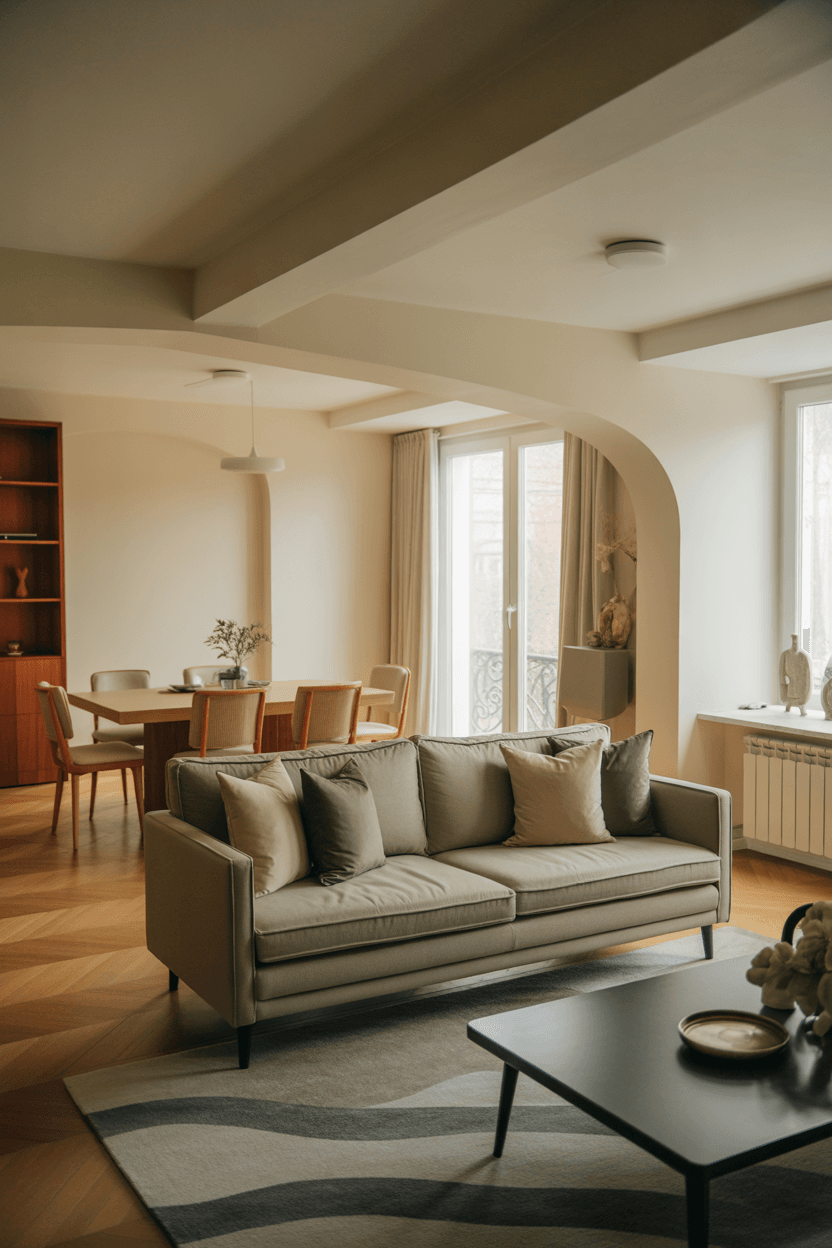
This design emphasizes the living area as the main focal point by arranging comfortable seating in a way that encourages relaxation and easy conversation. The layout is carefully planned to make the space feel warm, welcoming, and visually centered around comfort. It helps create a natural flow that makes the living area more functional and enjoyable for daily use.
It works especially well for entertainment-focused homes where relaxation, socializing, and media activities are a priority. While highlighting comfort and usability, it still maintains a balanced connection with the dining area, ensuring the overall open layout feels cohesive and well-organized.
Best for: Relaxation spaces and cozy living areas.
Pro Tip: Use a statement sofa to anchor the room.
12. Open Layout with Glass Divider
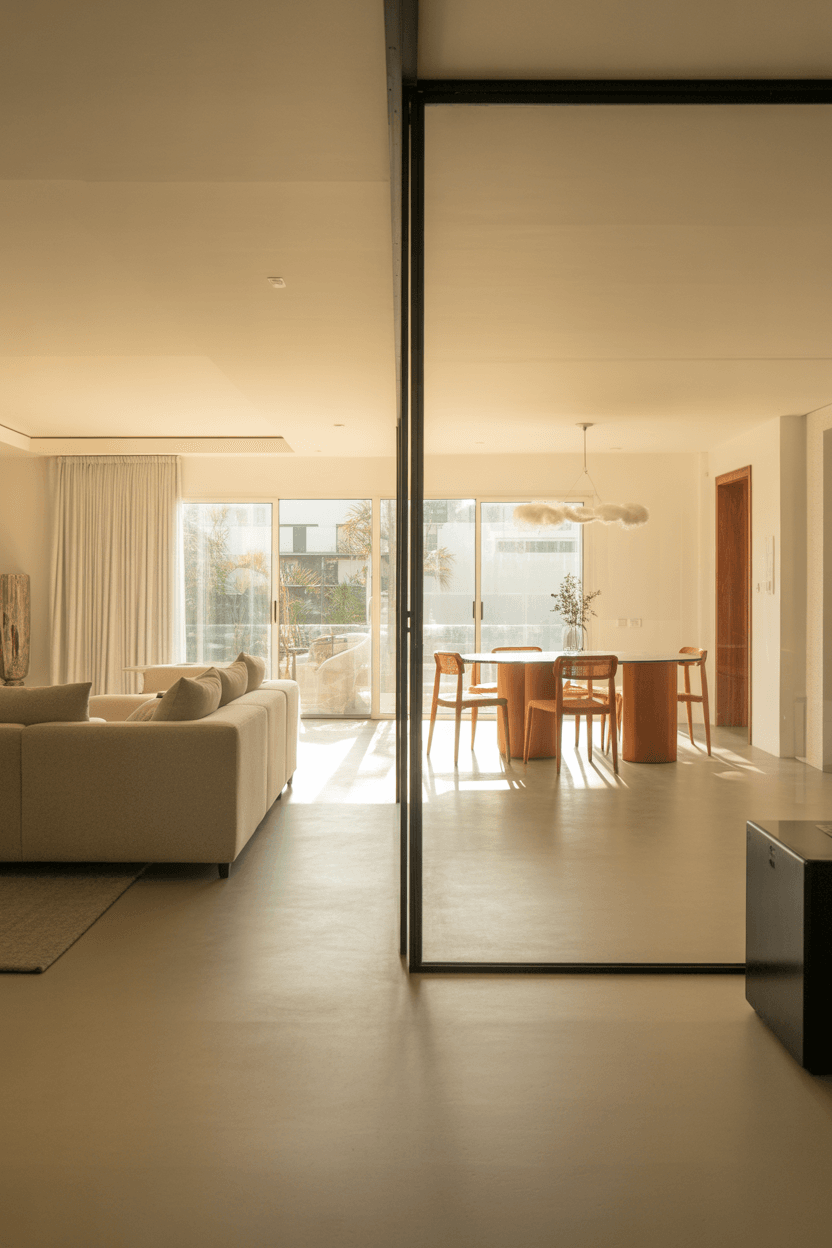
Glass dividers provide subtle separation within an open layout while still maintaining transparency and a sense of openness. They allow natural light to flow freely between the living and dining areas, which helps keep the space bright, airy, and visually connected. This creates a balanced environment without making the rooms feel closed or divided.
This design is perfect for modern homes that want structure and definition without losing openness. It feels sleek, stylish, and contemporary, offering a clean architectural look that enhances both functionality and overall interior appeal.
Best for: Modern interiors and open-plan homes.
Pro Tip: Use clear glass for a sleek look.
13. Industrial Open Layout
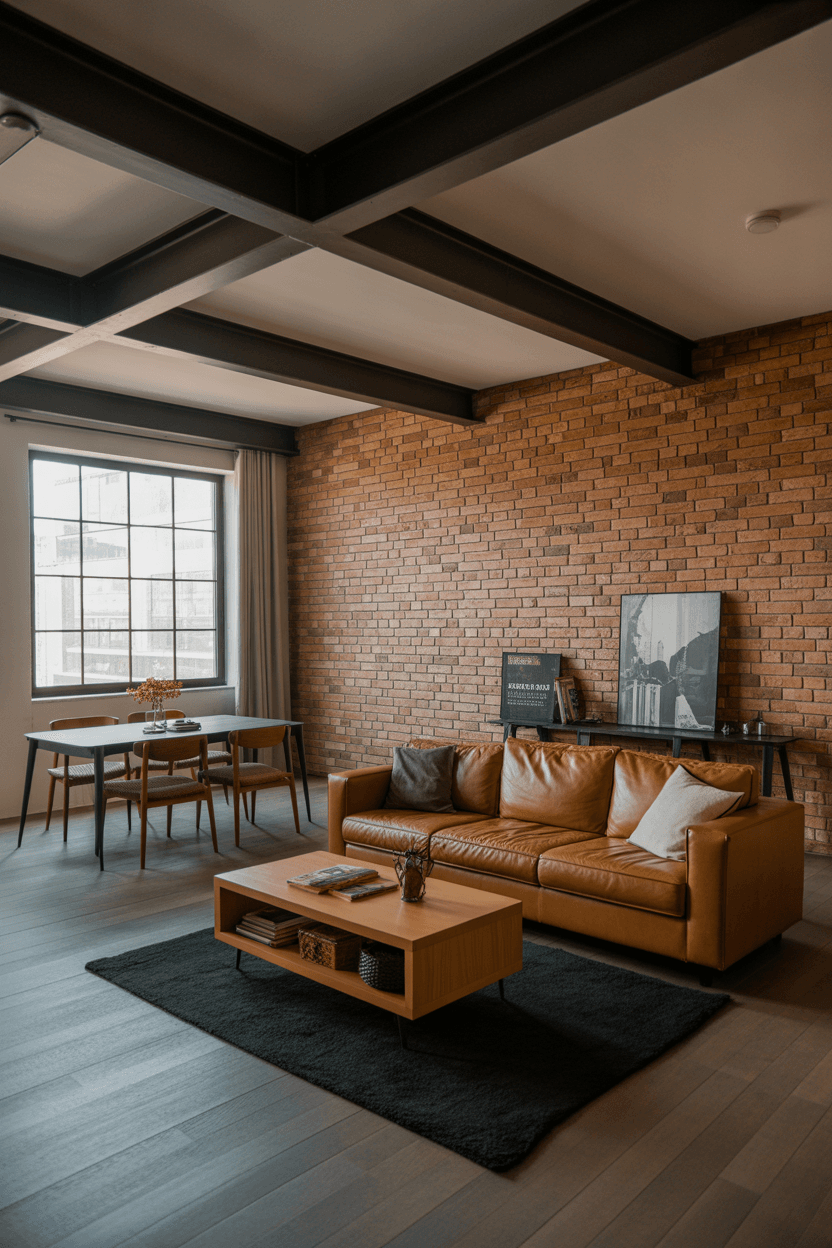
Industrial layouts use raw materials such as exposed metal, natural wood, and concrete-inspired finishes to create a bold, edgy, and modern interior style. This design highlights raw textures and unfinished surfaces that bring depth, character, and a strong visual identity to the space.
This style is ideal for urban homes, loft apartments, and city-inspired interiors. It creates a strong, unique, and visually powerful atmosphere that feels modern, expressive, and full of personality while maintaining a functional and contemporary appeal.
Best for: Urban homes and modern loft-style interiors.
Pro Tip: Use raw textures for an authentic industrial look.
14. Open Layout with Island Connection
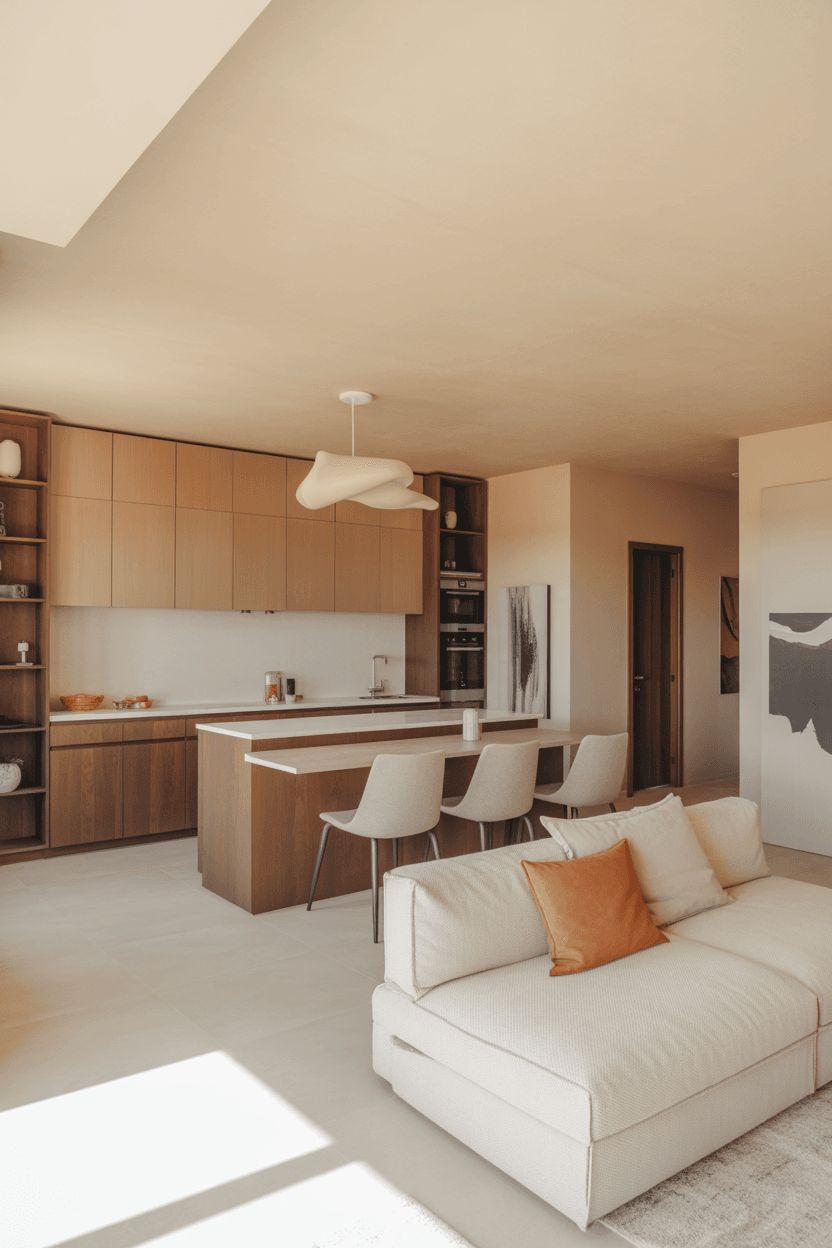
Connecting the dining area with a kitchen island creates a smooth and seamless flow between cooking, serving, and dining spaces. It improves movement within the layout and encourages better interaction between family members and guests. This open connection also makes the overall space feel more spacious, functional, and well-integrated.
This design is both practical and stylish for modern living, as it combines convenience with contemporary aesthetics. It improves space usage by reducing separation between areas, making everyday activities easier, more efficient, and more enjoyable.
Best for: Modern kitchens and open-plan homes.
Pro Tip: Keep island design simple and functional.
15. Bohemian Open Layout
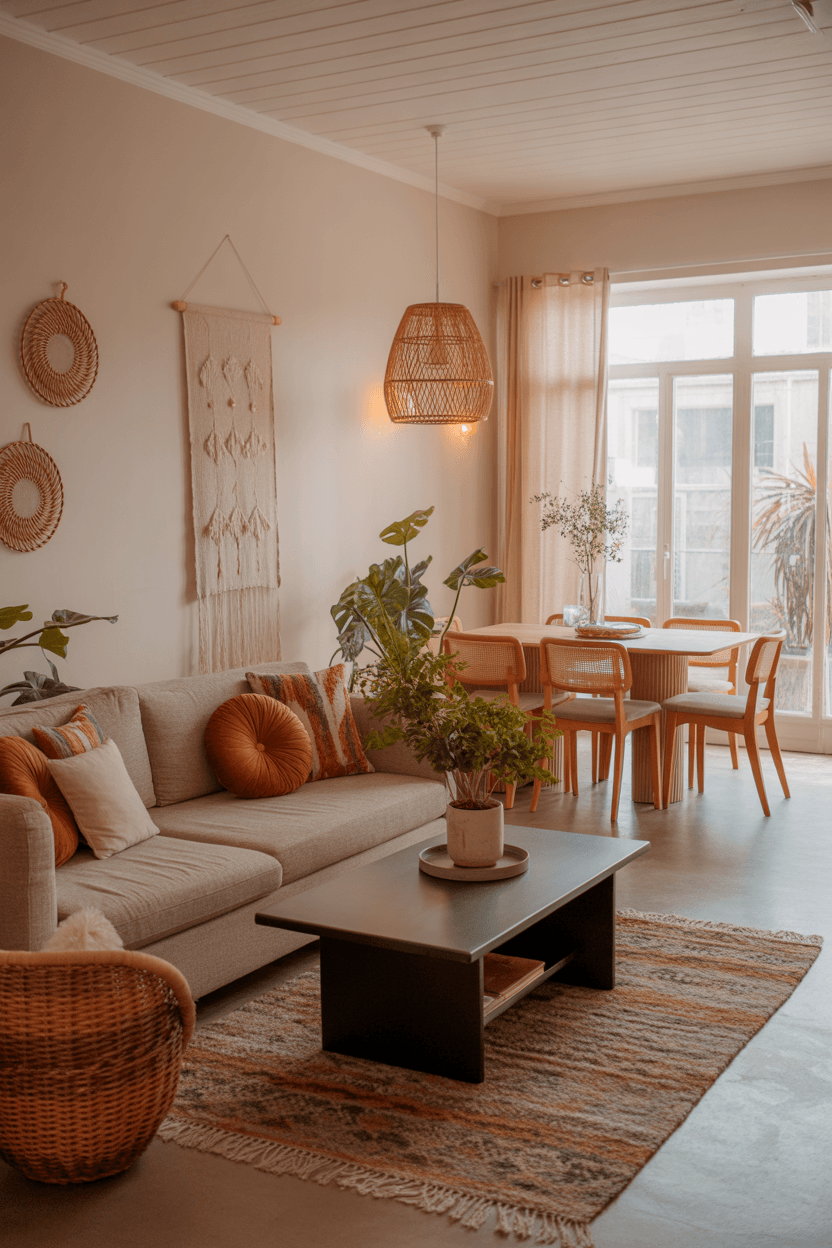
Bohemian layouts use vibrant colors, mixed patterns, and layered textures to create a rich and highly creative visual look. This design style embraces freedom and individuality, allowing different elements to come together in a relaxed yet artistic way. The combination of bold tones and textured details makes the space feel lively, warm, and full of personality.
This style is perfect for artistic homes that value self-expression and unique decor choices. It creates a relaxed, inviting, and cozy atmosphere where creativity flows naturally, making the living and dining space feel comfortable, expressive, and visually engaging.
Best for: Creative homes and expressive interiors.
Pro Tip: Mix patterns to add depth and personality.
16. Open Layout with Matching Furniture
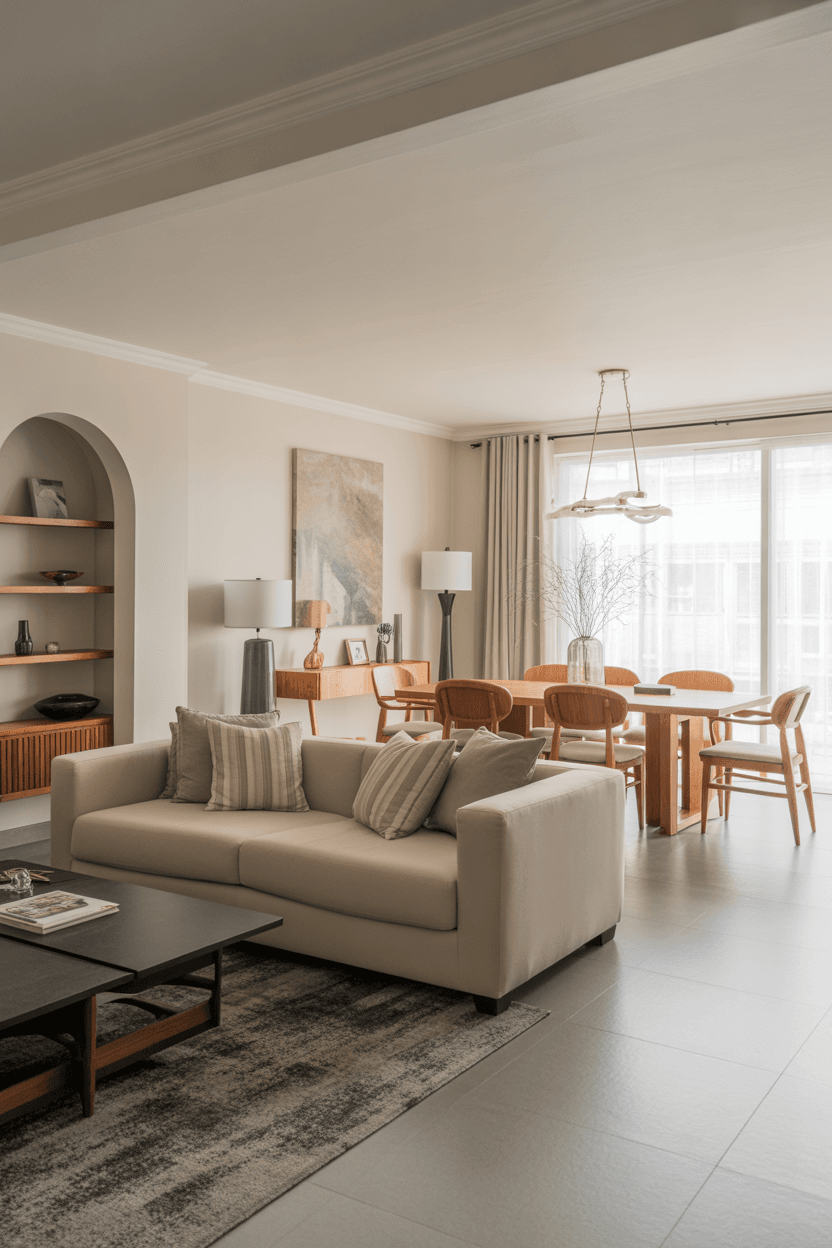
Using matching furniture across both the living and dining areas creates a strong sense of visual harmony and balance within an open layout. It ensures consistency in design by keeping colors, materials, and styles aligned, which helps the entire space feel more unified and thoughtfully planned.
This method makes the space feel more organized, cohesive, and well-structured. It enhances the overall appeal by creating a seamless connection between both areas, resulting in a polished, elegant, and professionally designed look.
Best for: Balanced interiors and cohesive open spaces.
Pro Tip: Match color palette for a unified look.
17. Open Layout with Bold Contrast
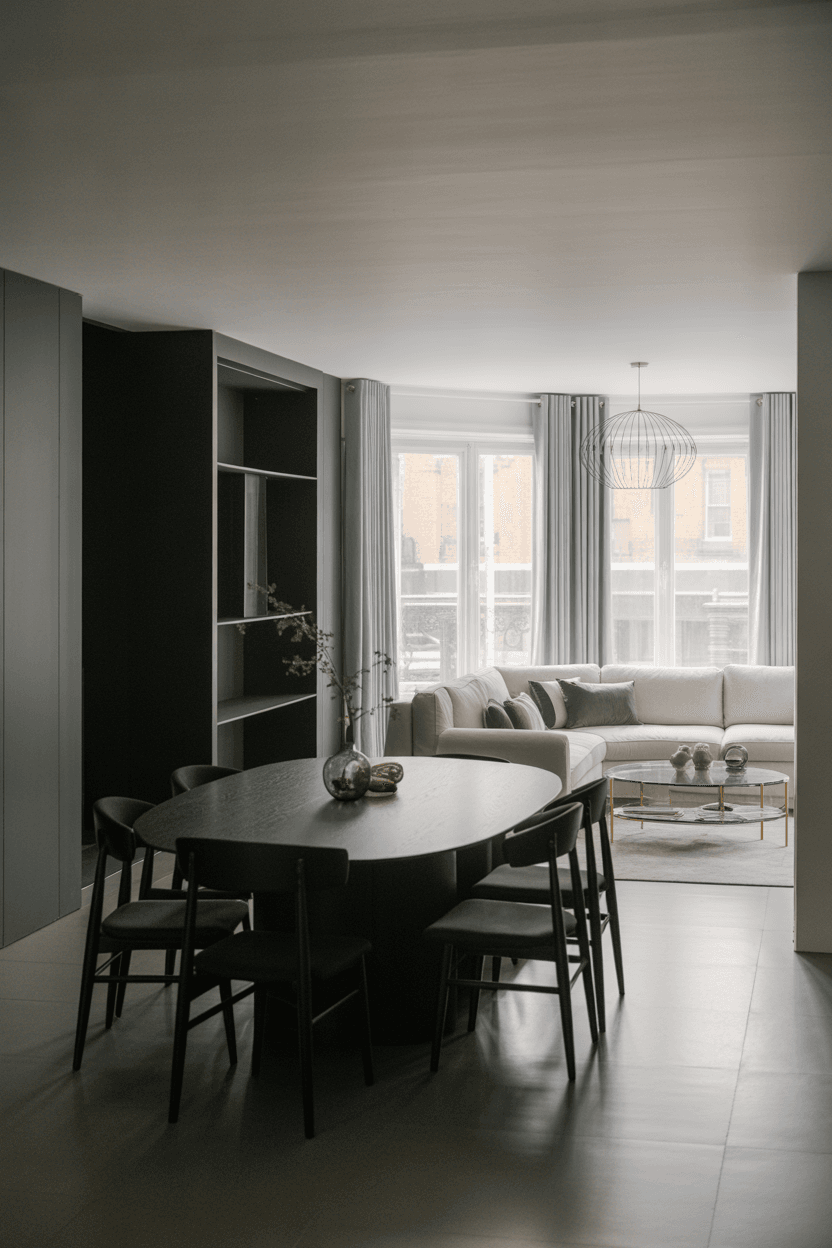
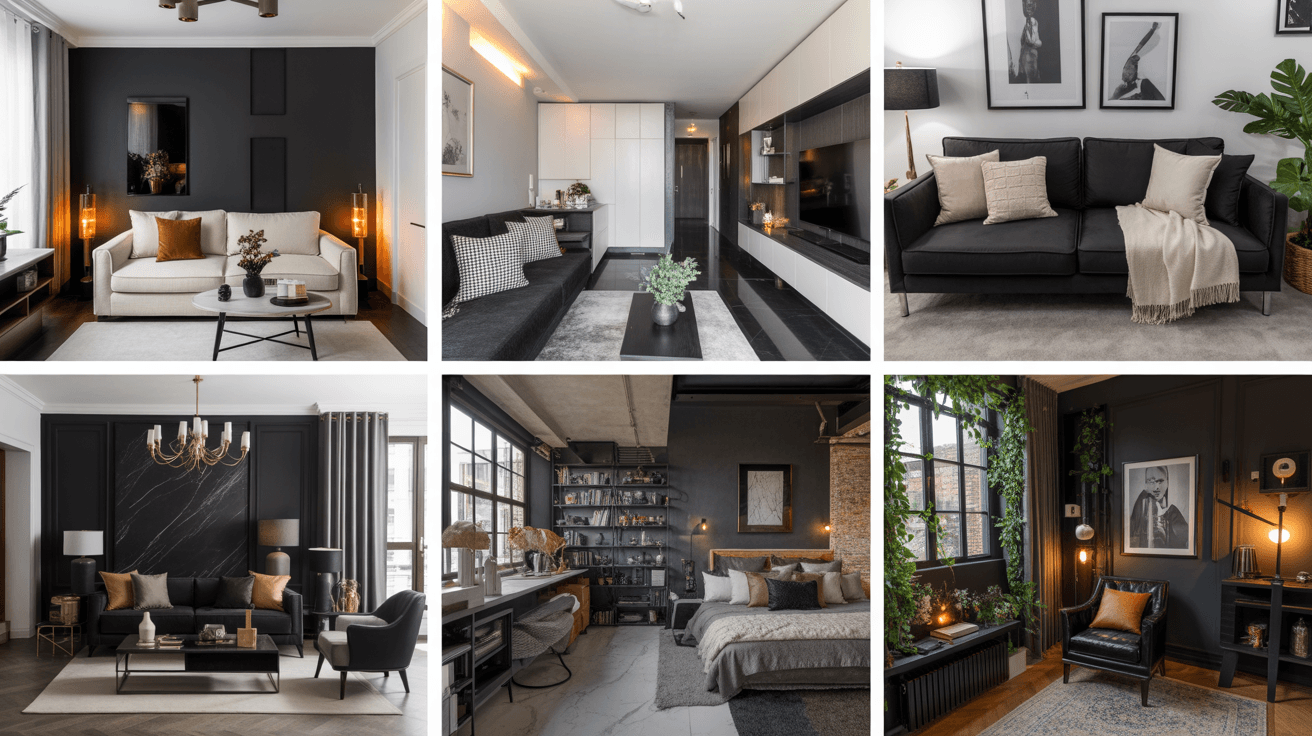
Bold contrast styling uses a combination of dark and light tones to create a strong, eye-catching visual effect within an open layout. This contrast adds depth, dimension, and a sense of balance that makes the space feel more dynamic and visually engaging. It helps highlight key areas while maintaining a modern and structured design flow.
This design is ideal for modern interiors that prefer dramatic and expressive looks. It enhances uniqueness by creating a bold visual identity, making the space feel more stylish, confident, and distinctly designed.
Best for: Contemporary homes and modern interiors.
Pro Tip: Balance contrasts for a harmonious look.
18. Multi-Functional Open Layout
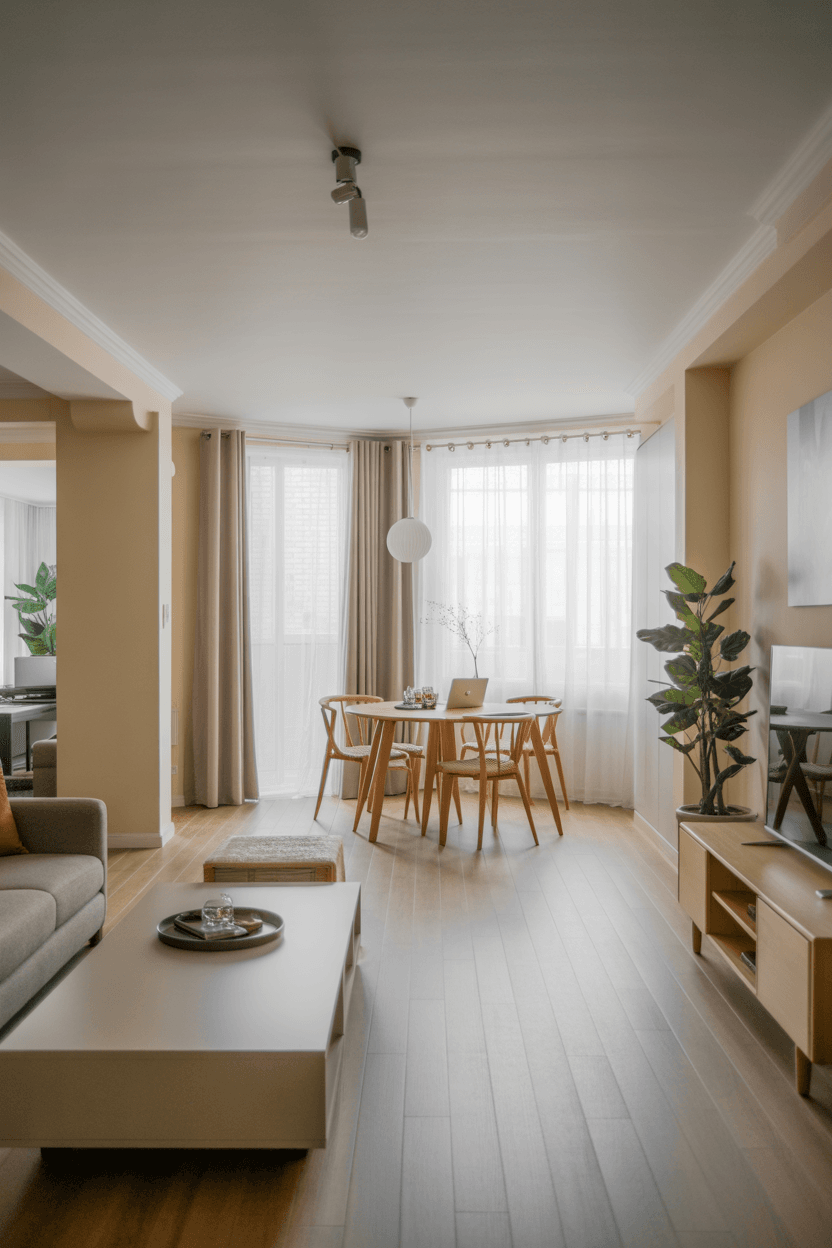
MMulti-functional layouts combine dining, lounging, and workspace areas into a single, well-organized environment. This smart design approach allows one space to serve multiple purposes without feeling crowded or chaotic. Careful planning and furniture placement help maintain flow while maximizing every part of the room effectively.
This design is perfect for small homes and apartments that require flexibility and smart space usage. It improves efficiency by making the most of limited space while ensuring comfort, practicality, and a clean, modern living experience.
Best for: Functional homes and smart living spaces.
Pro Tip: Use flexible furniture for better adaptability.
19. Open Layout with Greenery
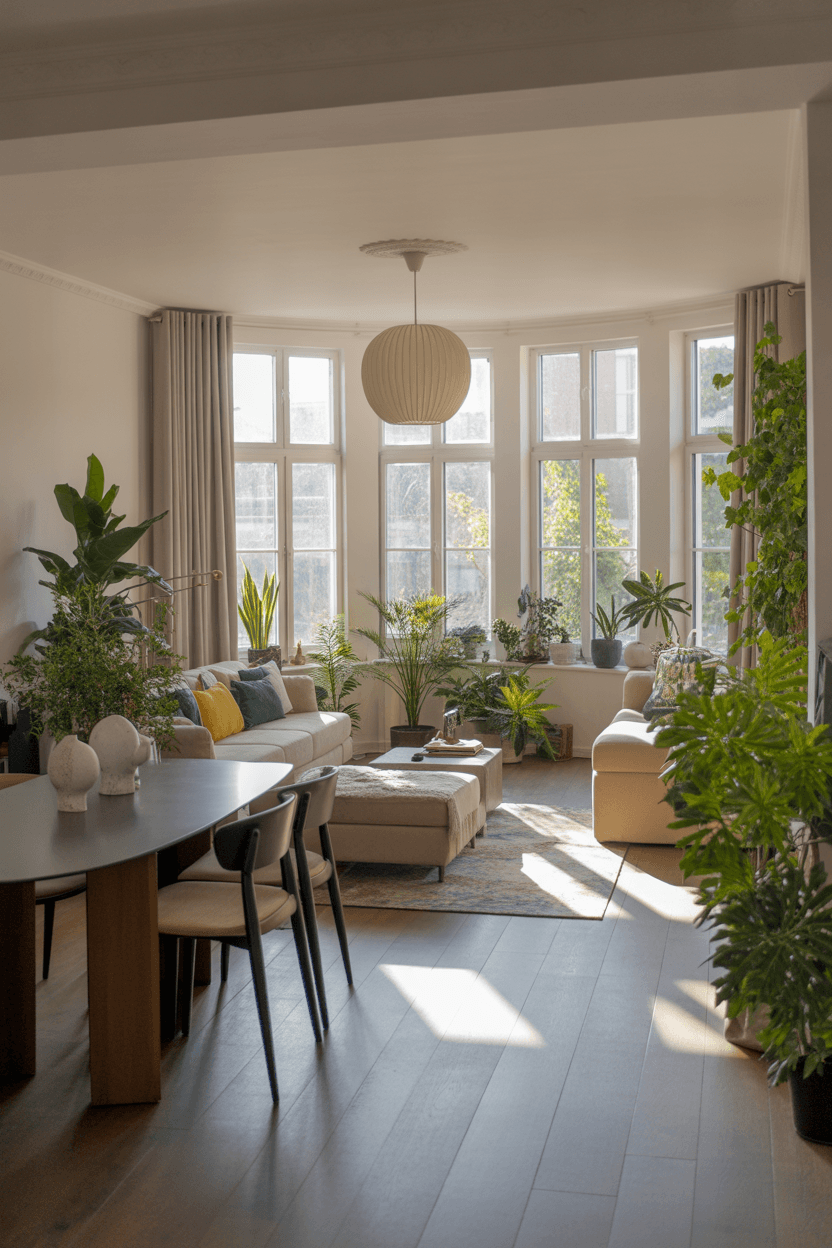
Adding plants brings natural freshness, color, and life into the space, making the overall environment feel more vibrant and welcoming. Greenery softens hard edges and adds a refreshing touch that improves both the visual appeal and mood of the room. It also helps create a more lively and balanced interior atmosphere.
This design creates a calming, natural, and soothing environment that feels closer to nature. It enhances overall comfort by making the space more peaceful, breathable, and visually relaxing, which improves the everyday living experience.
Best for: Nature-inspired homes and calming interiors.
Pro Tip: Use indoor plants to add freshness and life.
20. Compact Open Layout
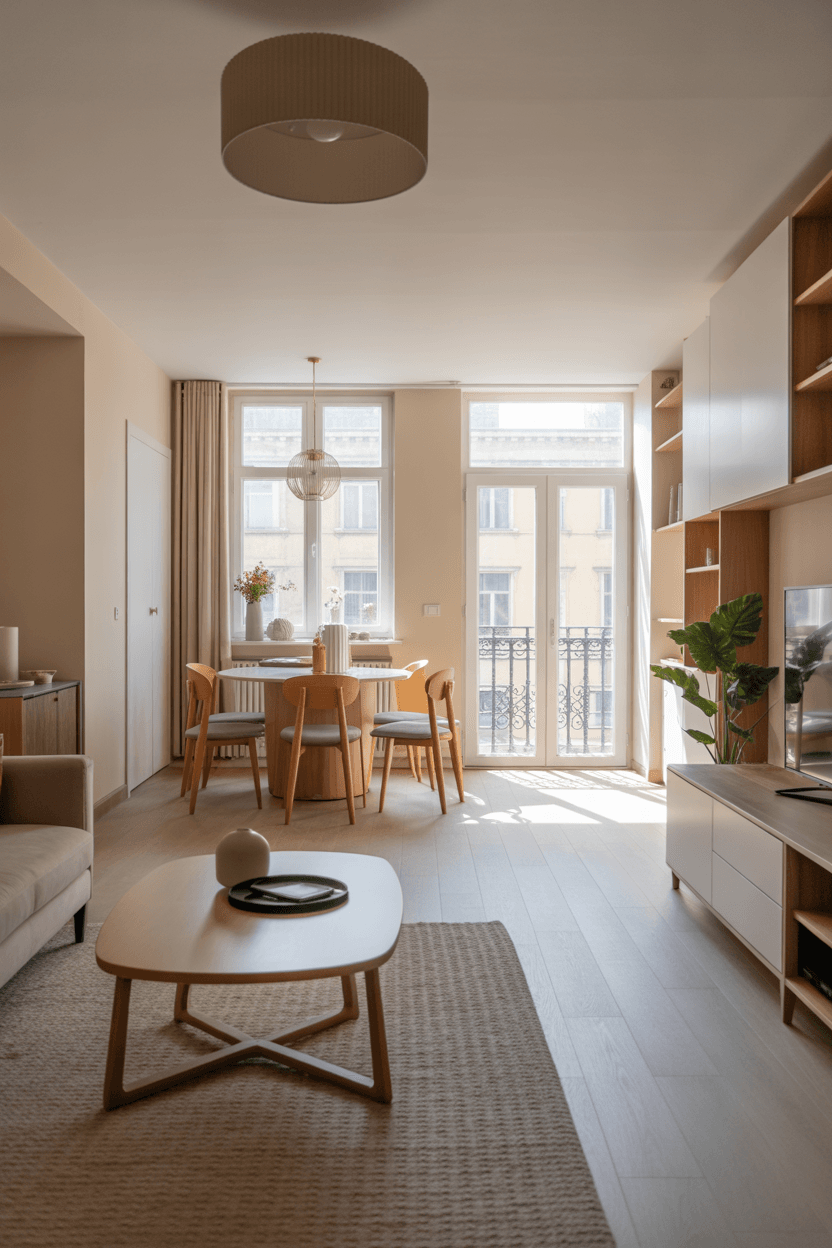
Compact layouts focus on saving space while maintaining full functionality in a smart and efficient way. Every piece of furniture is carefully chosen and placed to ensure the area remains organized, practical, and easy to use. This approach helps reduce clutter while still providing all essential living and dining needs within a limited space.
This design is ideal for apartments and small homes where maximizing every inch of space is important. It ensures comfort without crowding the environment, creating a clean, balanced, and well-structured interior that feels both functional and visually open.
Best for: Small homes and compact spaces.
Pro Tip: Use light tones to make the space feel larger.
21. Open Layout with Artwork
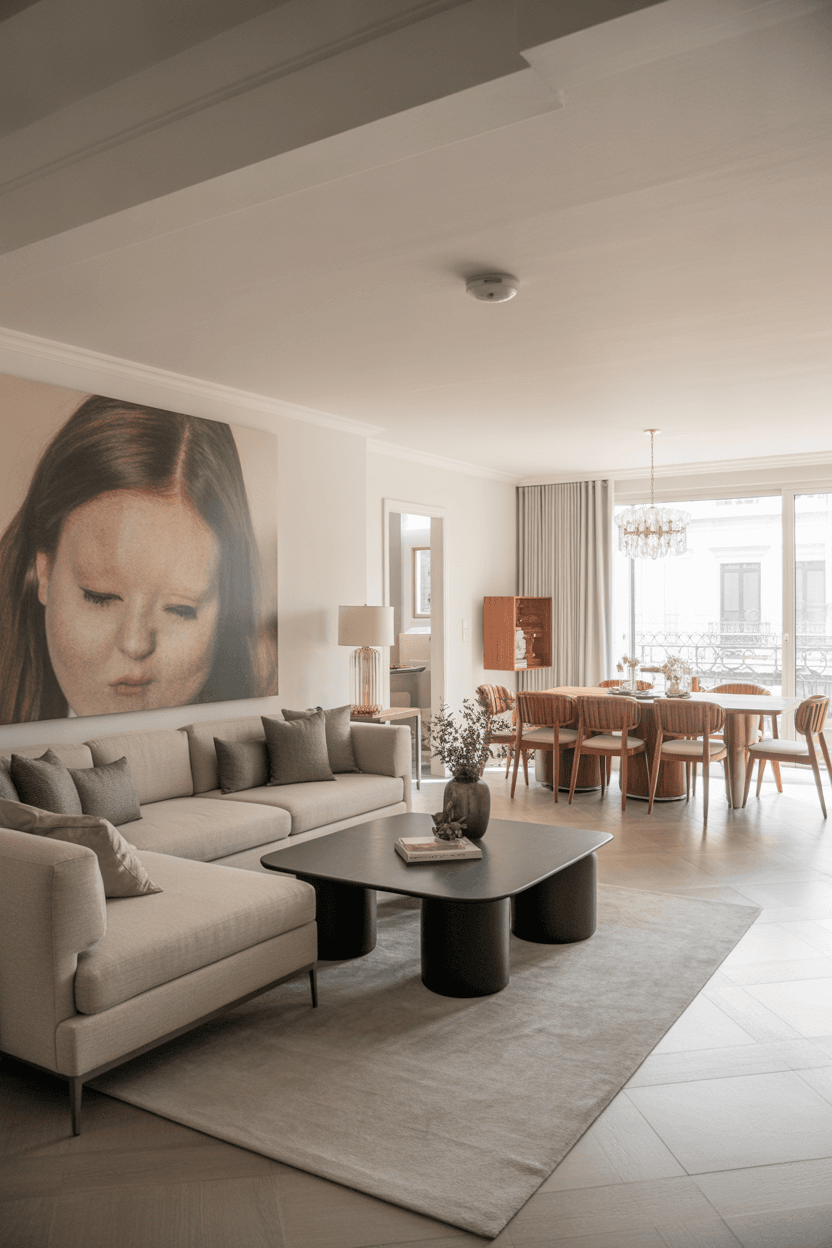
Artwork adds personality, character, and emotional depth to the space, making the overall design feel more expressive and unique. It serves as a focal point that reflects personal taste and creativity while breaking the monotony of plain walls. Carefully chosen pieces can instantly elevate the atmosphere and bring life to both living and dining areas.
This approach enhances visual appeal while still maintaining balance within the open layout. It creates a stylish and thoughtfully designed environment where creativity and harmony work together, making the space feel more engaging, modern, and visually complete.
Best for: Creative spaces and expressive interiors.
Pro Tip: Use large art pieces for strong visual impact.
22. Symmetrical Open Layout
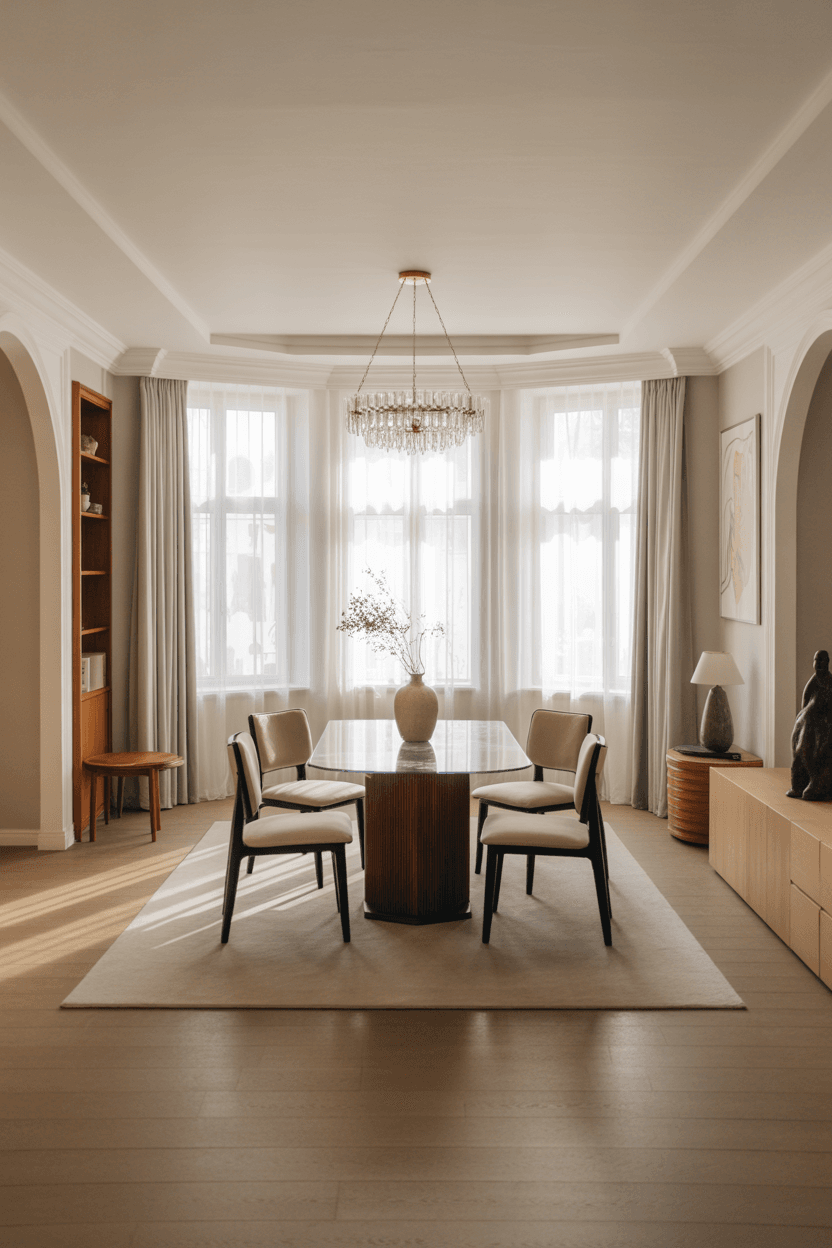
Symmetry creates a strong sense of balance by arranging furniture evenly on both sides of the space. This thoughtful placement helps the living and dining areas feel well-structured, organized, and visually aligned. It removes randomness from the layout and introduces a clear sense of order that improves overall flow.
This design enhances harmony by ensuring every element feels intentionally placed and proportionate. It creates a visually pleasing environment that feels calm, stable, and well-composed, making the entire space look more refined and thoughtfully designed.
Best for: Balanced homes and well-structured interiors.
Pro Tip: Align furniture for a neat, organized look.
23. Open Layout with Curtains Divider
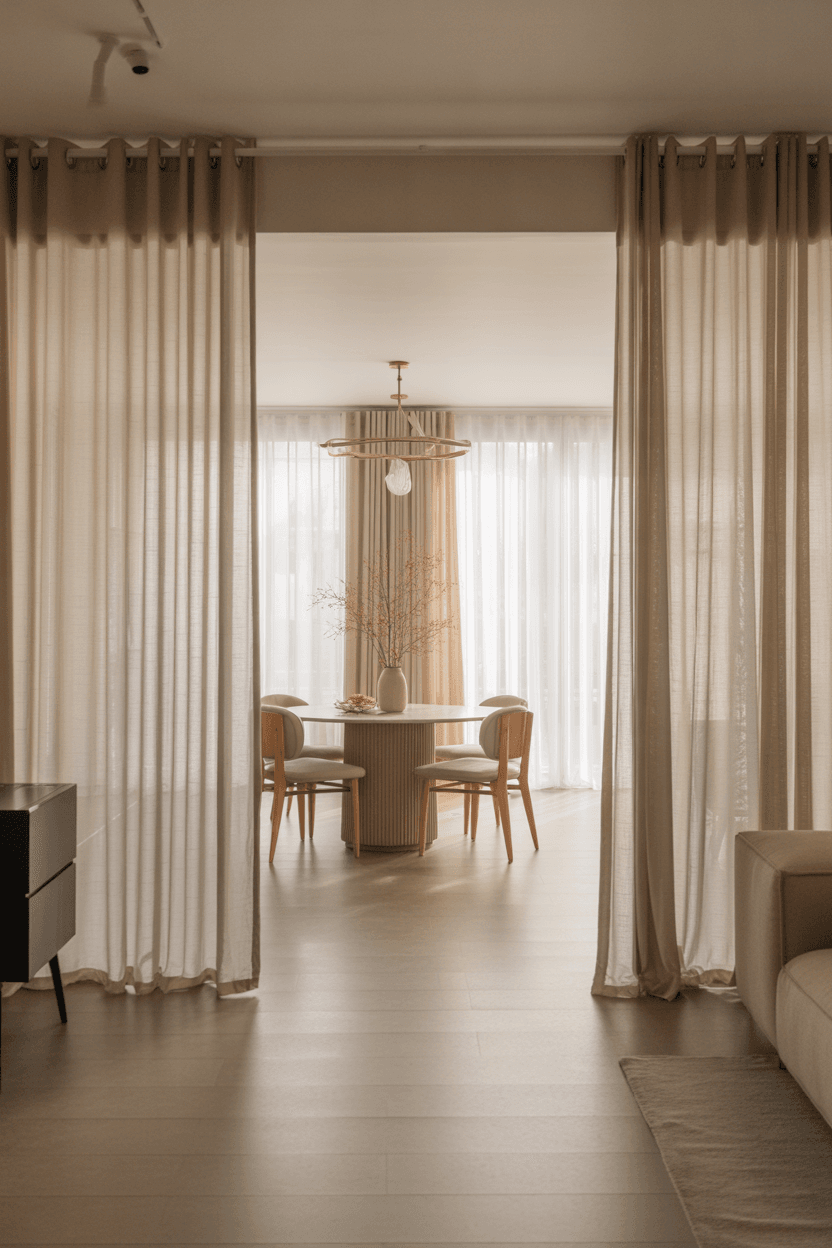
Curtains can act as soft and flexible dividers that help separate spaces within an open layout whenever needed. They offer a lightweight and stylish way to define areas without making the room feel closed or rigid. This adds adaptability while maintaining the overall openness of the space.
This design allows for temporary separation based on your needs, making the layout more versatile and practical. It enhances usability by giving you the option to switch between open and divided spaces easily, while still keeping the interior soft, functional, and visually balanced.
Best for: Flexible spaces and adaptable interiors.
Pro Tip: Use light curtains for easy separation.
24. Textured Open Layout
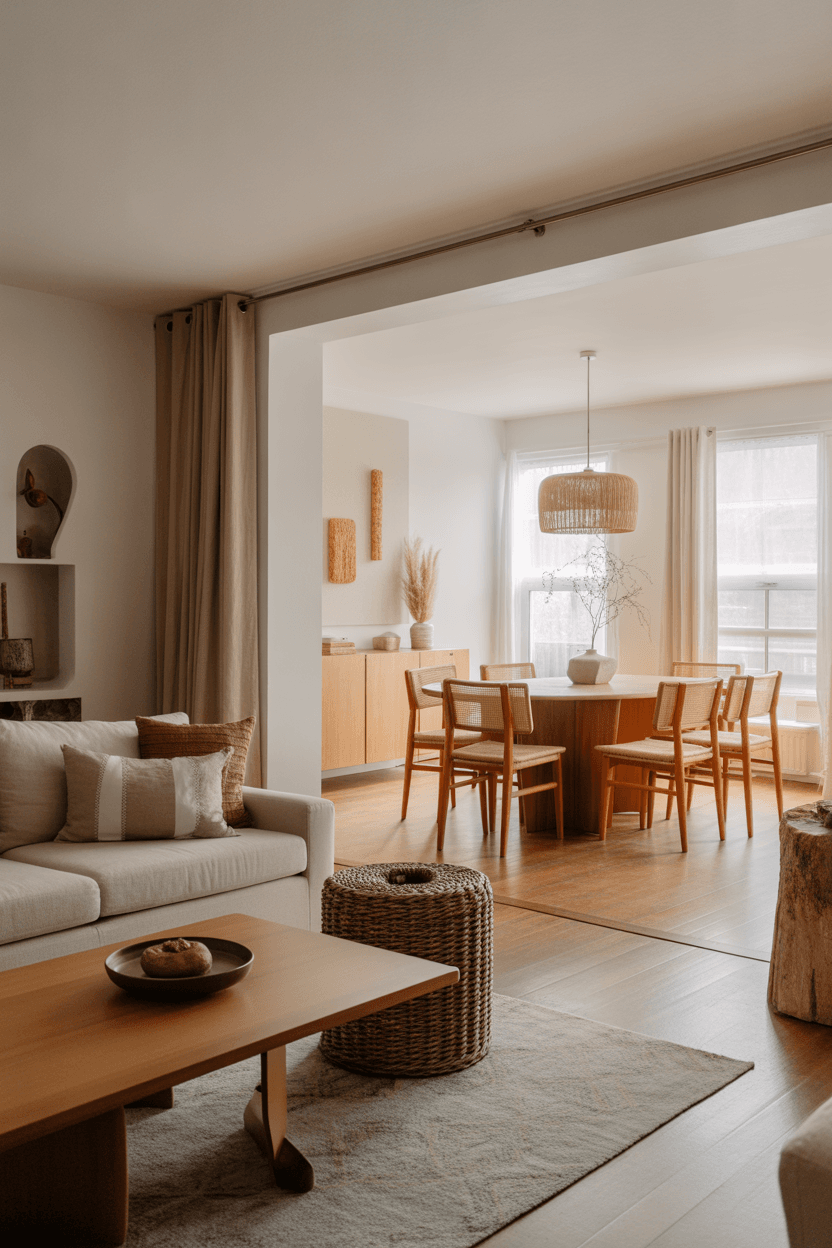
Textures add depth, dimension, and visual interest to the overall design, making the space feel more layered and thoughtfully styled. By combining different materials such as fabric, wood, and metal, the interior gains a richer and more dynamic appearance. This approach helps break visual monotony and makes the space more engaging and attractive.
This style enhances warmth and comfort by creating a cozy and inviting atmosphere that feels more lived-in and balanced. It also improves the overall aesthetics by adding subtle detail and character, making the space feel more stylish, refined, and visually appealing.
Best for: Cozy interiors and warm living spaces.
Pro Tip: Mix materials for added depth and texture.
25. Modern Minimal Open Layout
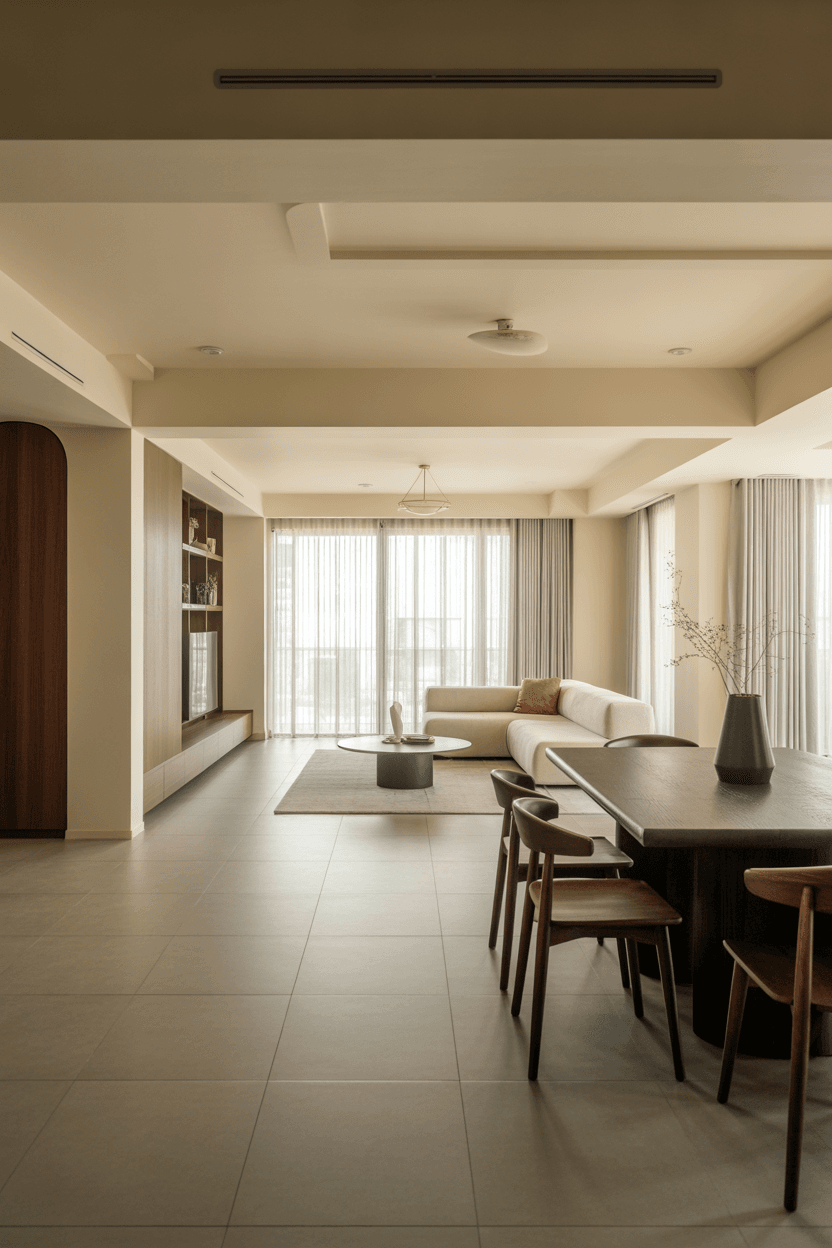
Modern minimal layouts focus on clean lines, simple forms, and clutter-free arrangements that create a calm and well-organized living environment. The design removes unnecessary elements and keeps only essential furniture, which helps the space feel more open, breathable, and visually balanced.
This design enhances openness and clarity by allowing each area to flow naturally without visual distractions. It feels stylish, modern, and highly functional, making it perfect for contemporary homes. The overall result is a clean, elegant space that promotes comfort and peace.
Best for: Minimal homes and clean, modern interiors.
Pro Tip: Avoid clutter to keep the space open and simple.
Final Thoughts
Open layout living room and dining room designs offer a perfect balance of style, comfort, and functionality. They create a seamless and connected environment that enhances everyday living. With proper planning, these layouts can feel both open and well-organized.
By using these 25 Open Layout Living Room Dining Room Ideas, you can design a space that reflects your personality while maintaining modern elegance. A well-designed open layout not only looks beautiful but also improves your overall lifestyle.