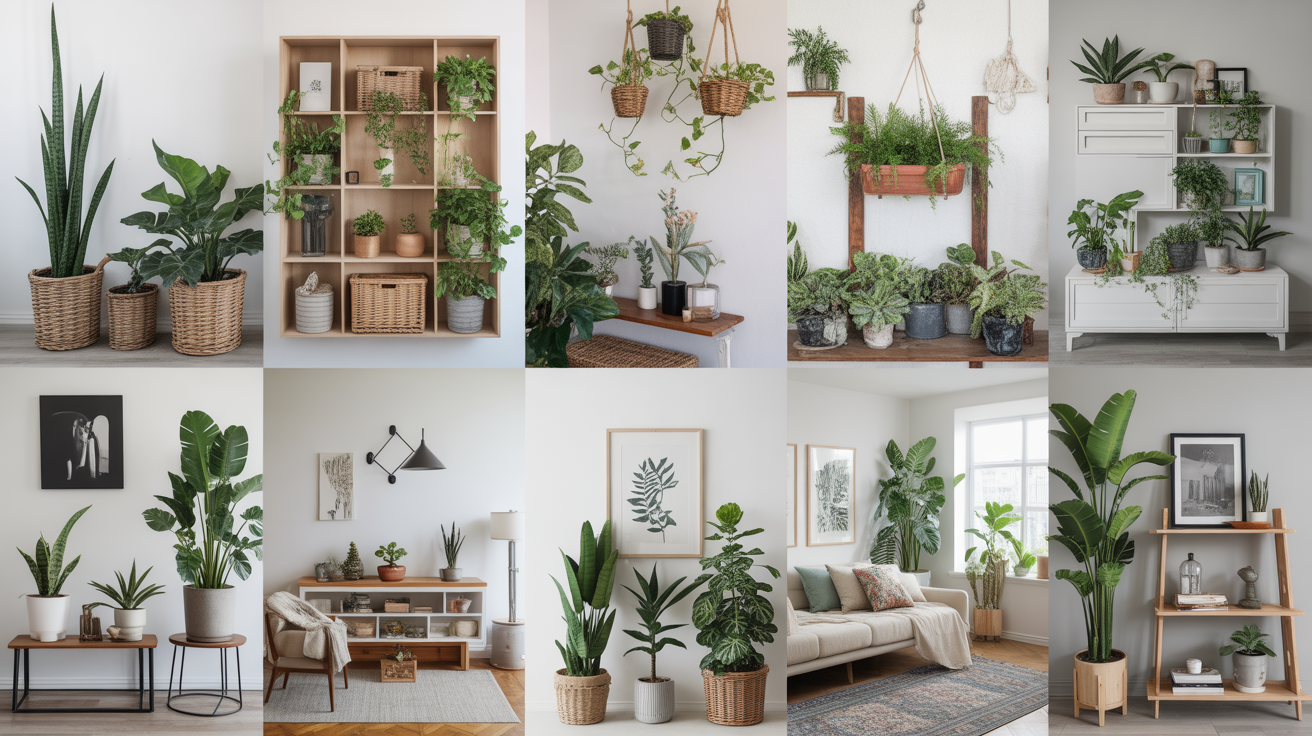
27 Stylish Indoor Plant Styling Ideas for a Green, Inviting Home
Introduction
Have you ever noticed how a single well-placed plant can completely change the feel of a room? That is the power of stylish indoor plant styling, where greenery becomes just as important as furniture or art. The right plant, pot, and placement can soften hard edges, add color, and make a space feel alive. Whether you have a sunny windowsill or a dim corner, there is a styling idea here to fit your home.
In this post, we are sharing twenty-seven stylish ways to display indoor plants throughout your living space. From hanging holders and floating shelves to terrariums and color-coordinated pots, each idea brings its own charm. You will find practical tips for placement, grouping, and choosing pots that suit your existing decor. By the end, you will have plenty of inspiration ready to pin and bring into your own home.
1. Macrame Hanging Plant Holders
Macrame hanging plant holders bring a soft, bohemian texture while keeping trailing plants off crowded surfaces. The knotted rope design adds visual interest on its own, even before a plant is added inside. Hanging several at slightly different heights near a window creates a layered, jungle-like effect. This idea works beautifully in corners or empty wall space that feels otherwise underused.
Choose holders in natural, undyed rope for the most versatile look across different decor styles. Position them near a window where trailing vines can receive plenty of indirect light. Rotating the pot occasionally helps the plant grow evenly on all sides. This idea suits boho, coastal, and eclectic interiors especially well.
Best For: Windows, corners, and boho living rooms
Pro Tip: Hang holders at staggered heights for a layered look.
2. Floating Plant Shelves
Floating shelves mounted directly to the wall give plants a dedicated display spot without using any floor space. This idea works especially well in smaller rooms where a traditional plant stand would feel too bulky. Staggering shelves at different heights allows trailing plants to cascade downward in a natural, layered way. A row of floating shelves can also double as a mini indoor garden along an otherwise plain wall.
Choose shelves with a slight lip or rim to prevent pots from sliding during watering. Mixing plant sizes and pot styles across the shelves keeps the display feeling organic. Leaving a little breathing room between each plant avoids a cluttered appearance. This idea suits apartments, offices, and small living rooms alike.
Best For: Apartments, home offices, and narrow walls
Pro Tip: Choose shelves with a slight lip to prevent sliding.
3. Plant Stand Display Trio
Grouping three plant stands at varying heights creates an instant, eye-catching display in any corner of a room. This trio approach mimics how plants grow naturally in the wild, with varying heights and leaf shapes layered together. Choosing stands in a similar material, like wood or matte black metal, keeps the grouping cohesive. This idea is one of the easiest ways to turn a single empty corner into a styled focal point.
Place the tallest plant toward the back and the shortest one toward the front of the grouping. Mixing leaf shapes and textures between the three plants adds visual interest. Rotating the entire display occasionally keeps growth even across all three plants. This idea suits living rooms, reading corners, and entryways.
Best For: Living room corners, entryways, and reading nooks
Pro Tip: Place your tallest plant toward the back of the trio.
4. Terracotta Pot Collection
A collection of terracotta pots in varying sizes adds warm, earthy texture to any indoor plant display. The natural clay material complements nearly every plant type and indoor decor style without ever feeling out of place. Terracotta also helps regulate soil moisture better than some glazed or plastic alternatives, supporting healthier plant growth. This idea feels timeless and works whether your home leans modern, traditional, or boho.
Choose pots that age naturally over time, since terracotta develops a beautiful weathered patina with watering. Grouping several sizes together on a windowsill or shelf creates a cohesive, collected look. Adding a saucer underneath each pot protects surfaces from water damage. This idea suits nearly any home style effortlessly.
Best For: Windowsills, kitchens, and sunrooms
Pro Tip: Let terracotta age naturally for a beautiful patina.
5. Matching Ceramic Pot Sets
Choosing ceramic pots in one consistent color creates a polished, intentional look across multiple plants in a room. This idea works especially well when displaying several different plant types together, since the matching pots tie everything visually. A soft white, sage green, or matte black set complements almost any interior color palette. This approach also makes it easy to add new plants later without disrupting the cohesive look.
Choose a glaze finish that complements your existing decor, like matte for modern spaces or glossy for traditional ones. Grouping pots of varying sizes within the same color keeps the display interesting rather than repetitive. Cleaning pots occasionally keeps the ceramic finish looking fresh. This idea suits modern, minimalist, and Scandinavian-style homes.
Best For: Living rooms, shelves, and modern interiors
Pro Tip: Choose one consistent color across your entire pot set.
6. Plant Ladder for Vertical Display
A wooden plant ladder makes use of vertical space, allowing several plants to be displayed without taking up much floor area. Each rung holds a different pot, creating a tiered, cascading effect as the eye moves upward. This idea works especially well in small apartments or rooms where floor space is limited. A ladder display also adds height and visual interest to an otherwise flat corner.
Place the largest, heaviest plant on the bottom rung for stability and visual balance. Mixing trailing and upright plants across different rungs adds variety to the overall shape. Rotating each plant occasionally ensures even light exposure and growth. This idea suits small spaces, apartments, and sunrooms beautifully.
Best For: Small apartments, sunrooms, and reading corners
Pro Tip: Place your heaviest plant on the ladder’s bottom rung.
7. Window Sill Herb Garden
A small herb garden along a kitchen window sill combines function with stylish, everyday greenery. Basil, mint, and rosemary not only look beautiful in simple pots but also stay within easy reach for cooking. This idea brings life to an often-overlooked space while serving a genuinely practical purpose. Herb gardens also tend to thrive with the consistent sunlight most kitchen windows naturally receive.
Choose small, matching pots with drainage holes to keep herbs healthy and the display tidy. Labeling each pot with a simple tag adds a charming, organized touch. Trimming herbs regularly encourages fuller, bushier growth over time. This idea suits kitchens, sunrooms, and anyone who loves cooking with fresh ingredients.
Best For: Kitchen windowsills, sunrooms, and small countertops
Pro Tip: Trim herbs regularly to encourage fuller growth.
8. Trailing Vine on a Bookshelf
Placing a trailing vine, like pothos or ivy, atop a bookshelf allows the leaves to cascade naturally downward over time. This idea softens the hard, straight lines of bookshelves while adding a fresh, organic element. As the vine grows, it creates a beautiful, living border around the books and decor below. This is also one of the easiest plant styling ideas to maintain, since trailing vines are typically quite low-maintenance.
Choose a pot that fits securely on the shelf without risk of tipping as vines grow longer. Trimming occasionally keeps the vine looking full rather than sparse or leggy. Rotating the pot every few weeks supports even, balanced growth. This idea suits home offices, libraries, and living rooms.
Best For: Bookshelves, home offices, and reading rooms
Pro Tip: Trim trailing vines occasionally to keep growth full.
9. Statement Fiddle Leaf Fig
A single, statement fiddle leaf fig instantly elevates a room with its large, sculptural leaves and impressive height. This plant works beautifully as a standalone piece, requiring no additional greenery to make an impact. Placing it in a simple, neutral pot keeps the focus entirely on the plant’s striking natural shape. A fiddle leaf fig also helps fill empty corners that often feel awkward with traditional furniture.
Choose a bright, indirect light spot, since this plant tends to be sensitive to drastic light changes. Rotating the pot slightly every week or two encourages even, balanced growth on all sides. Wiping leaves gently with a damp cloth keeps them looking glossy and healthy. This idea suits modern, minimalist, and contemporary interiors.
Best For: Living rooms, corners, and entryways
Pro Tip: Rotate the pot weekly for even, balanced growth.
10. Mini Succulent Cluster
A cluster of mini succulents grouped together creates a charming, low-maintenance display perfect for sunny surfaces. Choosing varieties with different shapes, colors, and textures adds visual interest within a small, compact footprint. This idea works beautifully on a desk, windowsill, or coffee table where space is limited. Succulents also require minimal watering, making this an easy styling choice for busy households.
Choose pots with drainage holes, since succulents are especially prone to root rot in standing water. Grouping odd numbers, like three or five plants, tends to look more visually balanced. Placing the cluster somewhere with bright, direct light supports healthy growth. This idea suits desks, windowsills, and coffee tables.
Best For: Desks, windowsills, and coffee tables
Pro Tip: Group succulents in odd numbers for better balance.
11. Glass Terrarium Display
A glass terrarium creates a self-contained, sculptural plant display that works beautifully as a tabletop centerpiece. Layering soil, small rocks, and moss inside the glass adds visual texture even before plants are added. This idea suits small spaces especially well, since terrariums require very little room while still making a strong visual statement. Closed terrariums also tend to need less frequent watering, since moisture recycles naturally inside the glass.
Choose small, slow-growing plants like moss or miniature ferns for terrariums to prevent overcrowding. Placing the terrarium somewhere with bright, indirect light keeps plants healthy without overheating the glass. Wiping the glass occasionally keeps the display looking clear and polished. This idea suits coffee tables, desks, and shelves.
Best For: Coffee tables, desks, and bookshelves
Pro Tip: Choose slow-growing plants to prevent terrarium overcrowding.
12. Vertical Plant Wall
A vertical plant wall transforms an empty wall into a living, textured piece of art. Mounted planters arranged in a grid or staggered pattern allow multiple plants to thrive without using any floor space. This idea works especially well in rooms with high ceilings or an otherwise plain, underused wall. A vertical garden also naturally improves air quality while adding a dramatic design element.
Choose lightweight, low-maintenance plants like pothos or ferns for easier vertical mounting and care. Watering individually rather than all at once helps prevent overwatering certain sections. Grouping similar plant types together simplifies maintenance and creates a cohesive look. This idea suits living rooms, offices, and statement entryways.
Best For: Living rooms, offices, and statement entryways
Pro Tip: Water mounted plants individually to prevent overwatering.
13. Woven Basket Planters
Slipping a simple plastic or ceramic pot inside a woven basket instantly adds natural texture to any plant display. This idea is an easy, affordable way to elevate a plain pot without buying expensive new planters. Choosing baskets in varying sizes allows for a cohesive yet slightly varied look across multiple plants. Woven baskets also complement nearly every interior style, from boho to coastal to modern farmhouse.
Choose a basket slightly larger than the existing pot to allow it to slide in easily. Lining the bottom with a small saucer protects floors and surfaces from water damage. Rotating baskets occasionally prevents one side from fading unevenly in sunlight. This idea suits living rooms, bedrooms, and sunrooms.
Best For: Living rooms, bedrooms, and sunrooms
Pro Tip: Choose baskets slightly larger than your existing pots.
14. Plant Grouping by Height
Arranging plants in a deliberate sequence from tallest to shortest creates a natural, flowing visual rhythm. This idea mimics how plants grow together outdoors, layering heights the way a garden naturally would. Placing the tallest plant toward a corner and gradually stepping down in height guides the eye smoothly across the display. This approach works beautifully whether grouping three plants or an entire collection along a windowsill.
Choose plants with varying leaf shapes alongside varying heights to avoid a flat, repetitive look. Leaving small gaps between each plant keeps the grouping feeling intentional rather than crowded. Rotating plants occasionally supports even growth and sun exposure. This idea suits windowsills, corners, and shelving displays.
Best For: Windowsills, corners, and shelf groupings
Pro Tip: Step plant heights down gradually for visual flow.
15. Corner Jungle Display
Filling an empty corner with several large, leafy plants creates a lush, jungle-inspired display full of texture and color. This idea works especially well in rooms with high ceilings or an awkward, hard-to-furnish corner space. Mixing plant heights, leaf shapes, and pot styles within the corner keeps the display feeling layered and natural. A corner jungle also adds a calming, biophilic element to busy or high-traffic rooms.
Choose plants with varying light needs carefully, ensuring the corner receives adequate light for each one. Layering pots on the floor with a few raised on stands adds dimension to the display. Watering on a consistent schedule helps multiple plants in close proximity thrive together. This idea suits living rooms, sunrooms, and reading nooks.
Best For: Living rooms, sunrooms, and reading nooks
Pro Tip: Layer floor pots with a few raised on stands.
16. Hanging Plants Near Windows
Hanging plants directly in front of or beside a window allows trailing greenery to soften the hard lines of window frames. This idea works beautifully with pothos, string of pearls, or other cascading varieties that thrive in bright light. Positioning plants at varying heights near the window creates a layered, curtain-like effect as light filters through the leaves. This approach also makes excellent use of vertical space that might otherwise go unused.
Choose hooks rated for the combined weight of the pot, soil, and plant once fully grown. Watering hanging plants over a sink or with a careful pour prevents drips on the floor below. Trimming trailing vines occasionally keeps the display from blocking too much natural light. This idea suits sunrooms, kitchens, and living rooms.
Best For: Sunrooms, kitchens, and bright living rooms
Pro Tip: Choose hooks rated for the plant’s full grown weight.
17. Rolling Plant Stand With Wheels
A plant stand with wheels gives you the flexibility to move larger plants toward sunlight as the seasons change. This idea is especially useful for plants that need to be rotated between different rooms depending on available light. Choosing a stand with a sturdy base ensures stability even when moving heavier pots across the room. This flexible approach also makes seasonal cleaning and rearranging significantly easier.
Choose wheels with a locking mechanism to keep the stand stable once positioned in place. Placing a saucer underneath the pot protects both the stand and the floor from water damage. Moving the plant gradually toward new light conditions helps prevent shock or stress. This idea suits sunrooms, living rooms, and offices.
Best For: Sunrooms, living rooms, and home offices
Pro Tip: Choose wheels with a locking mechanism for stability.
18. Mixed Texture Plant Pairing
Pairing plants with contrasting leaf textures, like broad fiddle leaf fig leaves next to delicate ferns, adds visual depth to any display. This idea works on the principle that variety, rather than matching everything perfectly, creates the most interesting plant groupings. Combining glossy, matte, spiky, and soft textures within the same area keeps the eye engaged as it moves across the display. This approach feels more like a curated garden than a simple collection of houseplants.
Choose at least two contrasting textures within any grouping of three or more plants. Balancing one bold, large-leafed plant with a few smaller, delicate ones creates the best contrast. Grouping plants with similar light and water needs together simplifies ongoing care. This idea suits living rooms, offices, and styled shelves.
Best For: Living rooms, shelves, and styled corners
Pro Tip: Pair at least two contrasting leaf textures together.
19. Plants on a Bar Cart
Styling a bar cart with a few trailing plants alongside glassware adds an unexpected, stylish twist to a common piece of furniture. This idea works especially well in smaller homes where a dedicated plant stand might not fit. Choosing one or two compact plants keeps the cart functional while still adding a fresh, green element. The mix of glass, metal, and greenery creates an interesting textural contrast on the cart’s surface.
Choose trailing plants that can cascade gently over the cart’s edge without overwhelming the surface. Keeping the plant count low, just one or two, maintains the cart’s primary function. Wiping up any water drips quickly protects the cart’s surface and the surrounding floor. This idea suits living rooms, dining areas, and entertaining spaces.
Best For: Living rooms, dining areas, and entertaining spaces
Pro Tip: Choose one or two plants to keep the cart functional.
20. Air Plant Display
Air plants offer a soil-free styling option that works beautifully in glass globes, driftwood, or simple open dishes. Because they do not require traditional pots or soil, air plants can be displayed in unexpected, creative ways throughout a room. This idea works especially well for adding small touches of greenery to shelves, desks, or even bathroom counters. Air plants also tend to be relatively low-maintenance, needing only occasional misting or soaking to thrive.
Choose a display vessel that allows good airflow around the plant to prevent rot. Misting air plants a few times a week keeps them hydrated without overwatering. Grouping a few different sizes together adds visual interest to a small display. This idea suits desks, shelves, and bathroom counters.
Best For: Desks, shelves, and bathroom counters
Pro Tip: Choose vessels with good airflow to prevent rot.
21. Plant Shelf Above the Kitchen Sink
A small shelf positioned above the kitchen sink creates a charming, sunlit spot for herbs or small trailing plants. This idea makes excellent use of an often-overlooked area while adding a fresh, lived-in feel to the kitchen. Many kitchen sinks receive plenty of natural light from a nearby window, making this an ideal growing spot. The display also keeps plants conveniently close for quick watering during everyday kitchen tasks.
Choose a shelf with a slight lip to prevent pots from sliding when the window is opened. Selecting plants that tolerate occasional steam and humidity helps them thrive in this spot. Wiping the shelf occasionally keeps the display looking fresh and tidy. This idea suits kitchens with a window directly above the sink.
Best For: Kitchen windows, sinks, and small shelves
Pro Tip: Choose plants that tolerate occasional steam and humidity.
22. Tabletop Plant Centerpiece
A small potted plant used as a dining or coffee table centerpiece adds a fresh, living alternative to traditional floral arrangements. This idea works beautifully because it lasts far longer than cut flowers while still adding color and texture to the table. Choosing a compact, low plant ensures it does not block sightlines during meals or conversations. This approach also gives the table a sense of everyday life rather than feeling overly staged.
Choose a pot height that keeps the plant below eye level when seated at the table. Selecting a plant with interesting leaf shape adds visual appeal even without flowers. Rotating the centerpiece plant occasionally with others keeps the display feeling fresh. This idea suits dining rooms, coffee tables, and entryway tables.
Best For: Dining tables, coffee tables, and entryways
Pro Tip: Choose a pot height that stays below eye level.
23. Bathroom Plant Styling
Humidity-loving plants like ferns or pothos thrive in bathrooms while adding a spa-like, fresh atmosphere to the space. This idea takes advantage of the natural moisture bathrooms provide, which many other rooms in the home simply cannot offer. Placing plants on a windowsill, shelf, or even hanging near the shower adds greenery to a typically plant-free room. This approach instantly makes a bathroom feel more like a calming retreat.
Choose plants specifically suited to lower light and higher humidity, since many bathrooms lack large windows. Placing pots on a small stool or shelf keeps them elevated and out of the way. Wiping leaves occasionally removes any soap or product residue that may accumulate. This idea suits bathrooms, especially those with some natural light.
Best For: Bathrooms, powder rooms, and spa-style spaces
Pro Tip: Choose plants suited to lower light and high humidity.
24. Ladder Shelf Plant Display
A ladder-style shelving unit gives multiple plants their own tiered level while taking up minimal floor space. This idea works especially well in smaller rooms where a traditional bookcase might feel too heavy or bulky. Each tier can hold a different plant size or type, creating a naturally varied, layered display. The angled design of a ladder shelf also adds a softer, more dynamic shape compared to standard square furniture.
Choose a shelf with sturdy, wide tiers to safely support heavier pots without tipping. Placing trailing plants on the top tier allows vines to cascade attractively down the sides. Mixing in a few books or small decor pieces between plants adds variety. This idea suits apartments, offices, and small living rooms.
Best For: Apartments, offices, and small living rooms
Pro Tip: Place trailing plants on the top tier to cascade.
25. Color-Coordinated Pot Palette
Choosing pots within a single color family, like terracotta, white, or sage green, creates a polished, intentional look across an entire room. This idea ties multiple plants together visually, even when the plant species themselves vary widely in shape and size. A coordinated palette feels especially effective in open-concept spaces where plants are visible from multiple rooms at once. This approach also makes it simple to add new plants later without disrupting the overall look.
Choose one dominant pot color with a secondary accent color used sparingly throughout the space. Mixing pot sizes within the same color keeps the display from feeling repetitive. Cleaning pots regularly helps maintain a fresh, cohesive appearance over time. This idea suits open floor plans and modern interiors especially well.
Best For: Open floor plans, modern homes, and shared spaces
Pro Tip: Choose one dominant pot color with a small accent.
26. Plants on a Console Table
Styling a console table with one or two plants alongside books or decorative objects creates a balanced, layered display. This idea works beautifully in entryways or hallways, where a console table often serves as the first thing guests see. Choosing a plant with upright, structural leaves adds height and visual interest above the table’s surface. Pairing the plant with a stack of books or a small tray keeps the styling feeling intentional rather than sparse.
Choose a plant height that complements nearby artwork or mirrors without blocking the view. Balancing the plant with one or two other objects avoids an overly empty or overly cluttered table. Dusting leaves regularly keeps the display looking polished for guests. This idea suits entryways, hallways, and living rooms.
Best For: Entryways, hallways, and living rooms
Pro Tip: Balance the plant with just one or two other objects.
27. Seasonal Plant Rotation
Rotating certain plants seasonally, bringing some indoors during colder months and others back outside in summer, keeps displays feeling fresh year-round. This idea works especially well for plants that can tolerate being moved between indoor and outdoor environments depending on the climate. Seasonal rotation also gives you the chance to rearrange pots, shelves, and groupings periodically without buying anything new. This approach keeps a home’s plant styling feeling intentional rather than static throughout the year.
Choose hardy varieties that handle transitions between indoor and outdoor conditions most easily. Acclimating plants gradually to new light levels over a week or two reduces shock. Reassessing groupings each season keeps the overall display feeling fresh and considered. This idea suits homes in regions with distinct seasonal changes.
Best For: Sunrooms, patios, and transitional spaces
Pro Tip: Acclimate plants gradually when moving them seasonally.
Final Thoughts
Stylish indoor plant styling proves that greenery can be just as intentional and design-forward as furniture or wall art. From hanging holders and floating shelves to terrariums and color-coordinated pots, these twenty-seven ideas show how versatile and personal plant decor can truly be. The best part of styling with plants is that the display naturally evolves and grows right along with your home over time. Now is the perfect time to start experimenting with a few new placements and pairings of your own.
We hope this list left you feeling inspired to bring more greenery and life into every corner of your home. Take your time finding the right light, pots, and arrangements that feel authentic to your own personal style. For more home inspiration like this, visit us anytime at the Trendy Decor Guide. Thank you for spending this time with us, and we cannot wait to see the green, inviting home you create.