26 Staircase Design Ideas for a Modern & Cozy Home
Introduction
A staircase is one of the most architecturally significant and visually powerful features in any home. A beautifully designed staircase transforms a purely functional element into a genuine statement piece that elevates the entire interior. These 26 staircase design ideas will help you create a staircase that is both stunning and perfectly suited to your home.
These ideas are perfect for modern homes, period properties, and everything in between. Whether you prefer a sleek floating design, a grand traditional staircase, or a space-saving spiral form, you will find ideas that combine safety, style, and smart design. Let’s go step by step.
1. Floating Staircase
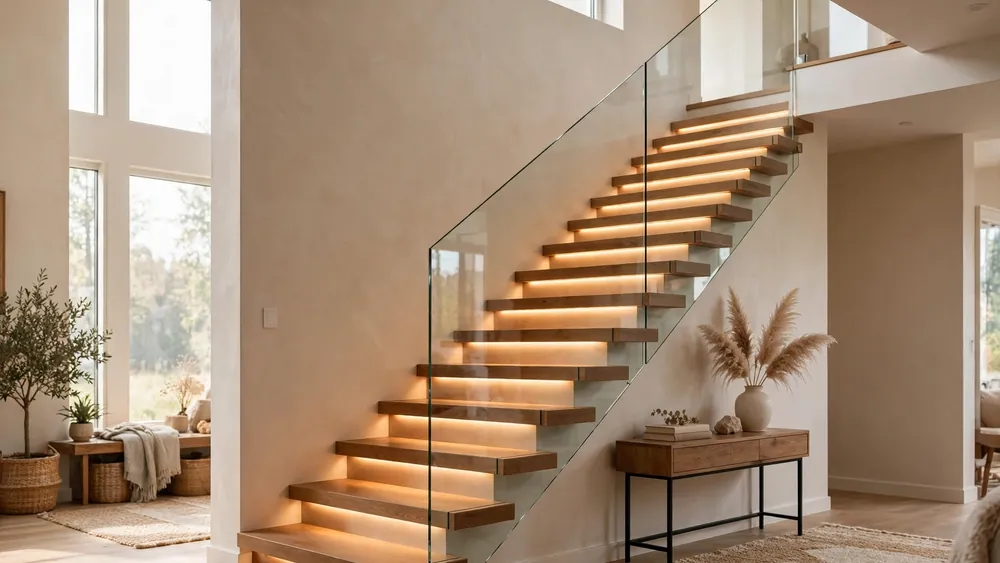
A floating staircase uses treads that appear to cantilever directly from the wall with no visible support structure beneath them, creating a breathtakingly light and architecturally dramatic effect. The absence of risers between each tread allows light and air to pass freely through the staircase, making the space feel open and visually exciting. It is the most striking and contemporary staircase design available for modern homes.
This style works best in open-plan modern interiors where the staircase is a central and highly visible architectural feature of the main living space. Natural wood treads against a white wall create a warm and beautifully contrasting combination that suits both minimalist and contemporary home styles. Glass or cable railings alongside the floating treads complete the open and airy visual effect with elegant precision.
Best For: Modern open plan homes that want a dramatic and architecturally striking staircase centrepiece
Pro Tip: Use warm wood treads against a white wall for the most beautiful and contrasting floating staircase result
2. Spiral Staircase
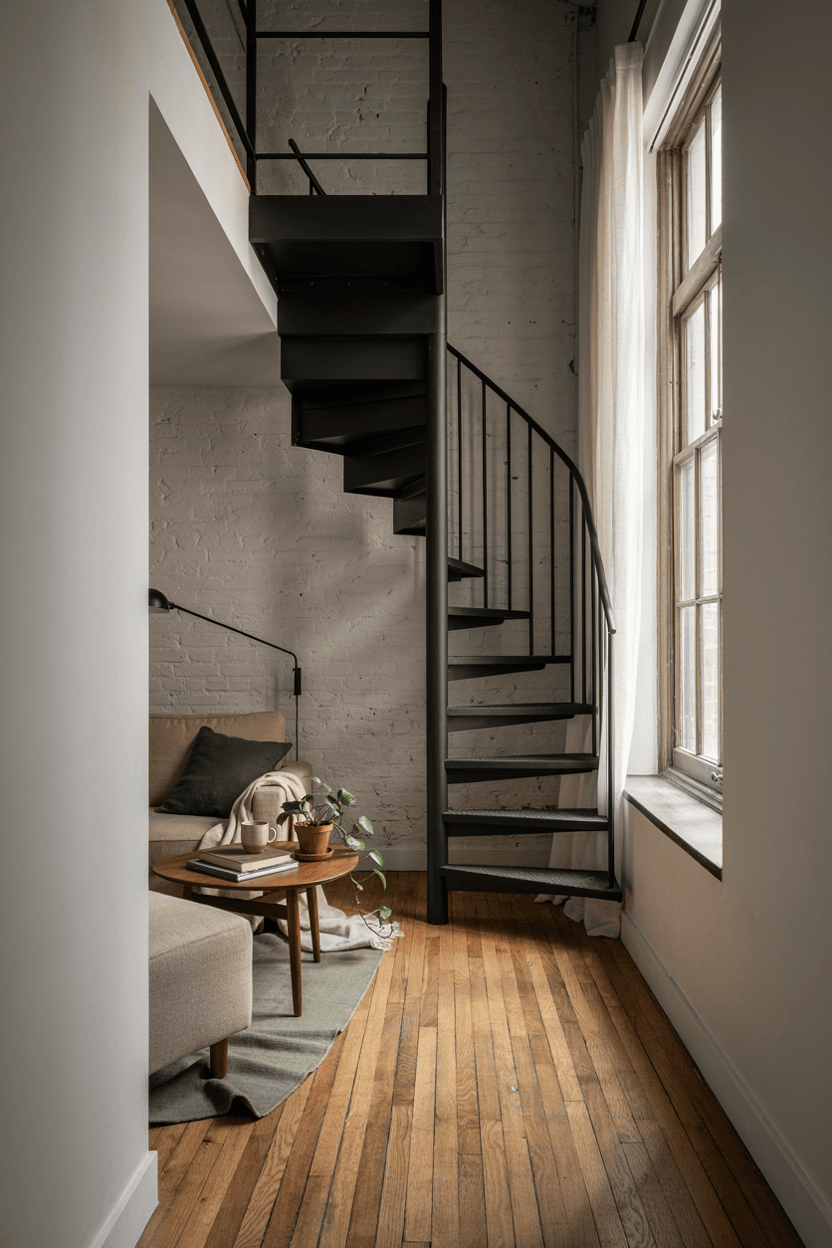
A spiral staircase winds around a central column, creating a compact and visually striking form that uses minimal floor space. Its helical structure adds a sculptural quality to the interior, turning movement between floors into an elegant architectural feature. It transforms a functional element into a graceful and memorable design statement.
This style works best for smaller homes, lofts, and secondary staircases where saving space is essential. Metal spiral staircases in matte black suit modern and industrial interiors, while wooden versions bring warmth and a more natural character. Ensuring correct tread depth and central column sizing is important for safety and comfortable everyday use.
Best For: Smaller homes and loft spaces that need a compact and visually sculptural staircase solution
Pro Tip: Choose matte black metal for a contemporary result or natural timber for a warmer, organic character
3. Grand Traditional Staircase
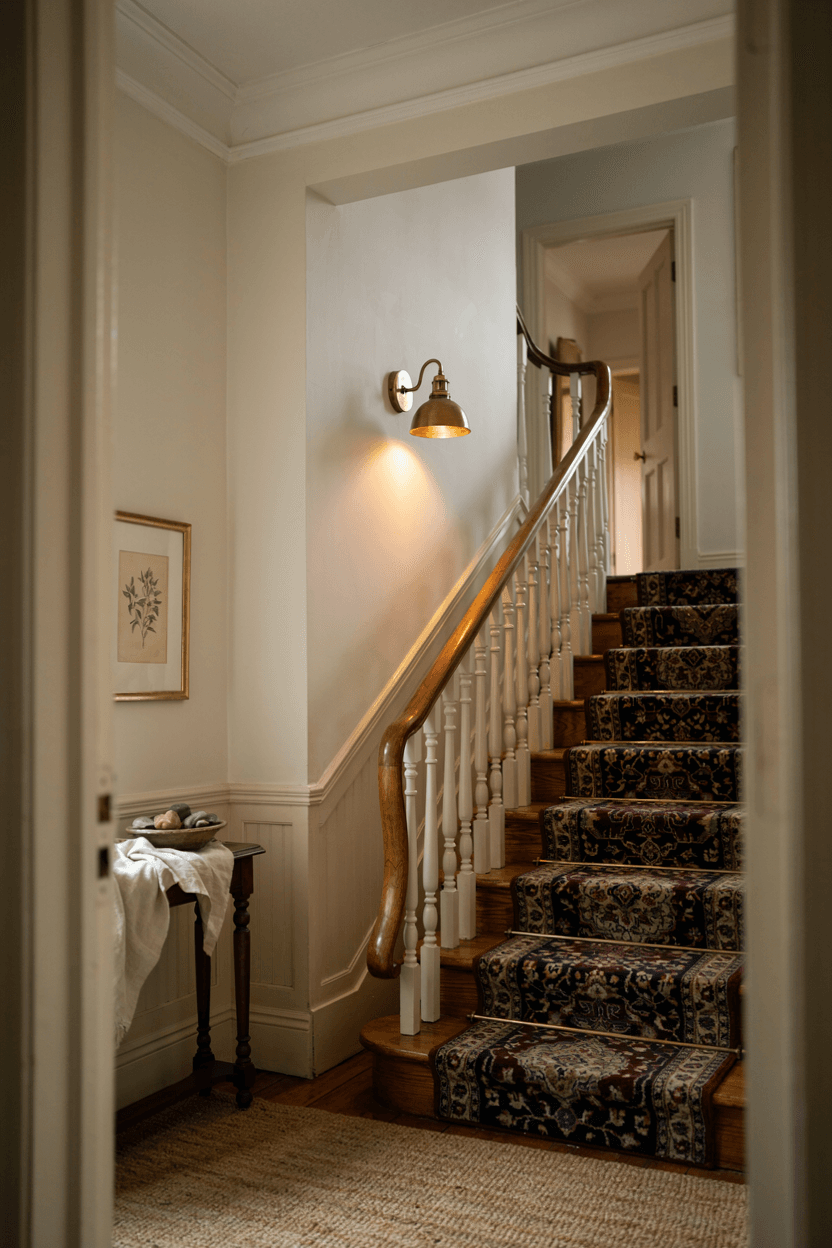
A grand traditional staircase features a wide and elegant design with turned wooden balusters, a polished handrail, and a sweeping curved base that creates a striking centrepiece for the entrance hall. It reflects timeless craftsmanship and careful attention to detail in every element, from the newel post to the stair edges. The overall design brings a strong sense of permanence, luxury, and classic architectural beauty to the home.
This style works best in period homes and large entrance halls that can accommodate its generous and graceful proportions. Dark mahogany or rich oak treads paired with white painted balusters and a polished hardwood handrail create a refined traditional look. A Persian stair runner with brass rods adds warmth, texture, and a final touch of formal elegance.
Best For: Period homes and large entrance halls that want a formally grand and timelessly elegant staircase
Pro Tip: Add a Persian stair runner secured with brass rods for the most authentically traditional finishing touch
4. Industrial Steel Staircase
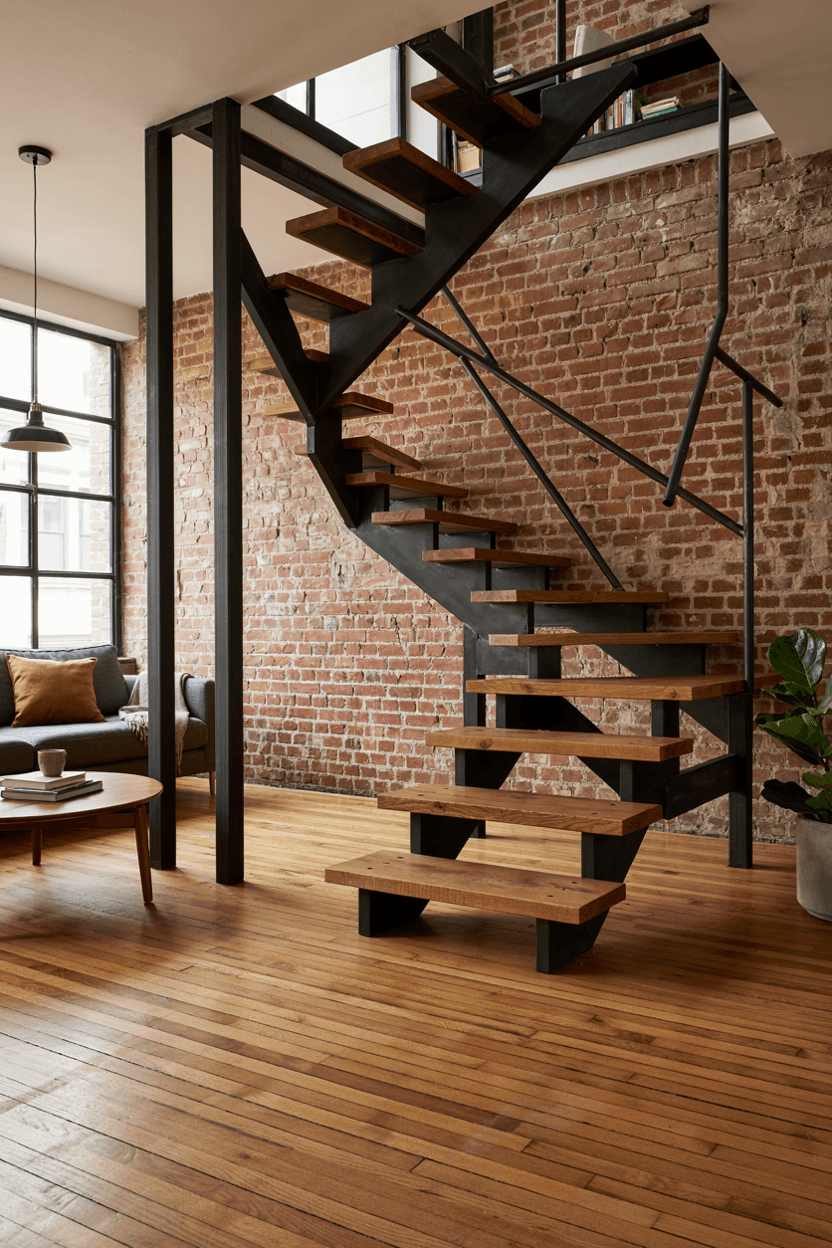
An industrial steel staircase uses raw or powder-coated steel for both the structural frame and treads, creating a bold and characterful design that highlights the honest beauty of metal in a residential space. The visible welds, fixings, and raw material finish give it an authentic urban-industrial identity that feels strong, durable, and confidently modern. It becomes a striking architectural feature rather than just a functional element.
This style works best for loft apartments, urban homes, and interiors that embrace a raw, unfinished industrial aesthetic. Pairing steel treads with reclaimed wood inserts helps soften the look and adds warmth through natural contrast. A matte black powder-coated finish protects the steel while maintaining a sleek, bold, and timeless industrial appearance for years of everyday use.
Best For: Loft apartments and urban homes that want a bold and authentically industrial staircase character
Pro Tip: Insert reclaimed wood into steel treads to soften the industrial look with beautiful natural warmth
5. Wooden Staircase Design
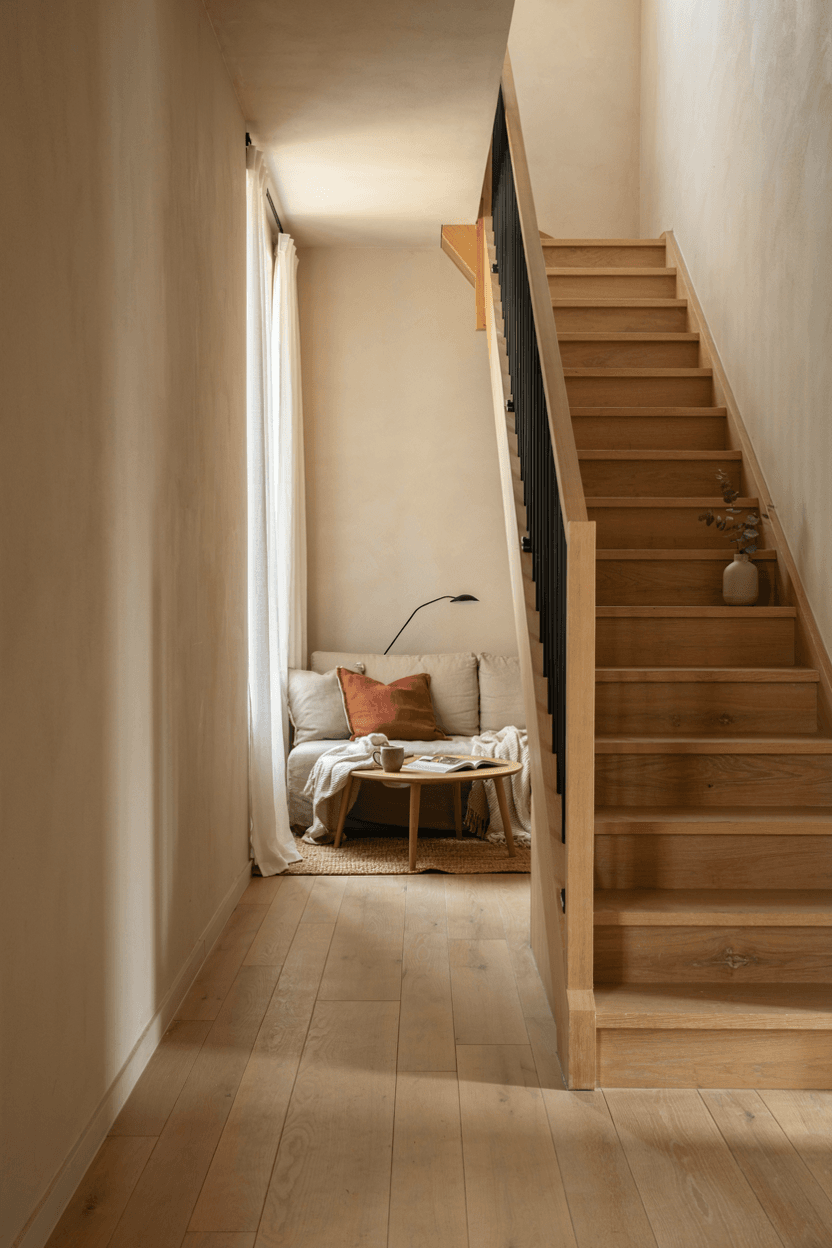
A wooden staircase brings natural warmth, rich texture, and timeless beauty to any home interior. The grain and organic character of solid wood create a welcoming, handcrafted feel from the very first step. It adds comfort and elegance while blending seamlessly with both modern and traditional spaces. Over time, it develops even more character, making it more beautiful with everyday use and family life.
This style works best for traditional, Scandinavian, rustic, and transitional interiors that emphasize natural materials and warm, earthy tones. Light oak works beautifully in minimalist and Scandinavian homes, while walnut or mahogany adds a deeper, more luxurious traditional feel. Finishing the treads with durable oil or lacquer protects the surface while preserving the natural grain, warmth, and long-lasting appeal of the wood.
Best For: Any home that wants a naturally warm, beautifully crafted, and timelessly appealing staircase
Pro Tip: Finish treads in a hard-wearing oil to protect the wood while preserving its natural beauty and grain
6. Staircase with Glass Railings
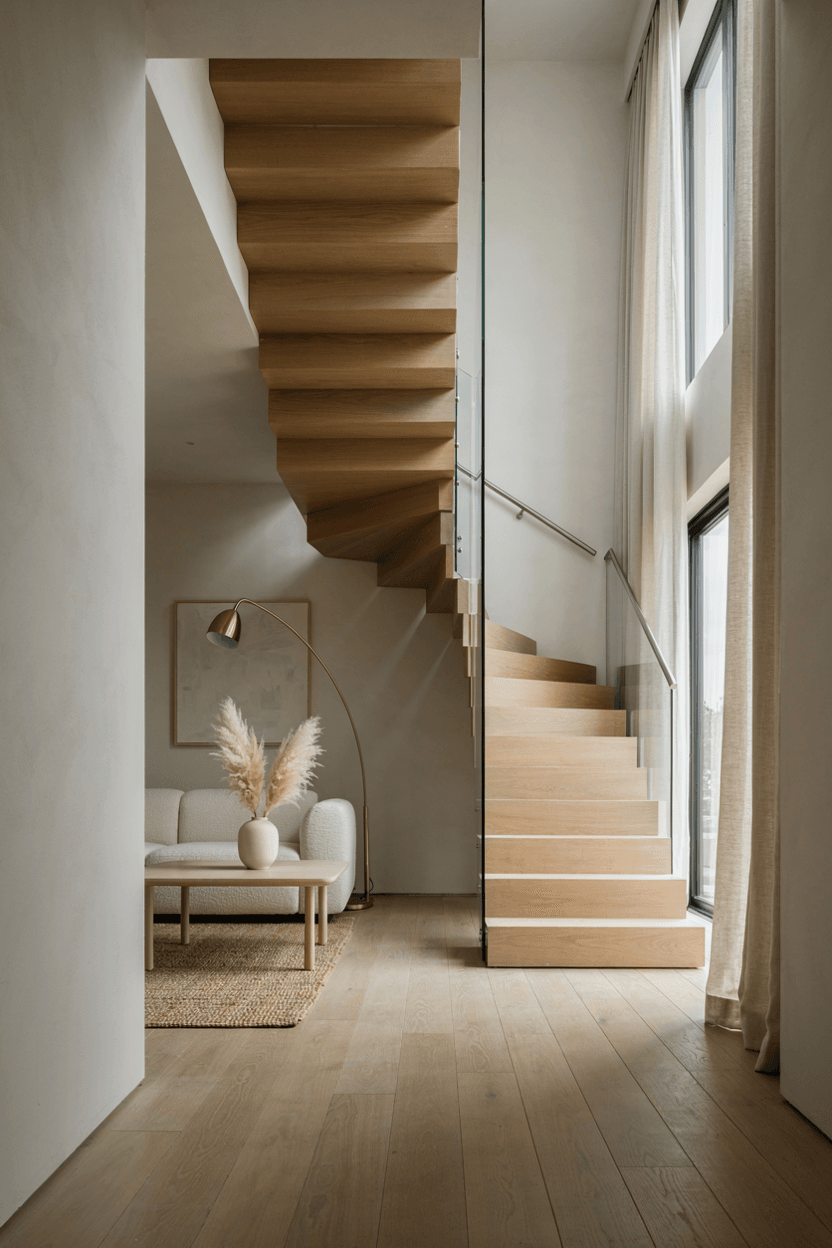
A staircase with glass railings uses clear or frosted glass panels instead of traditional balusters, creating a sleek, open, and light-filled design. The transparency allows uninterrupted sightlines, making the staircase and surrounding space feel more spacious, airy, and visually connected. It adds a modern, elegant, and architecturally refined touch that enhances the overall interior style.
This style works best for modern and contemporary homes where openness and natural light are key design priorities. Frameless glass panels combined with a simple stainless steel or brass handrail create a clean, premium finish. Using tempered safety glass is essential to ensure strength, durability, and full compliance with residential safety standards.
Best For: Modern homes that want an open, light-filled, and visually unobstructed contemporary staircase railing
Pro Tip: Choose frameless glass panels with a slim brass top rail for the most refined and elegant result
7. L-Shaped Staircase
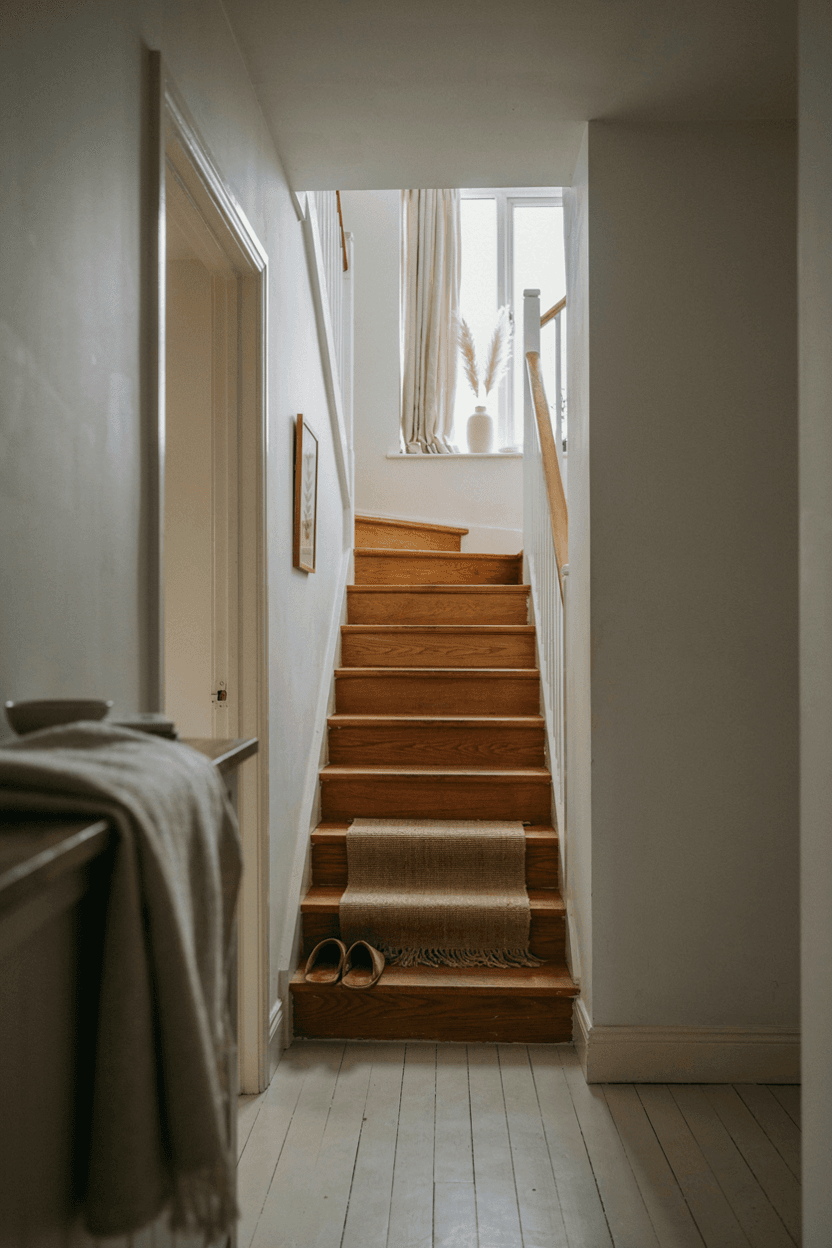
An L-shaped staircase changes direction by 90 degrees at a central landing, allowing it to fit neatly into a corner and use space more efficiently than a straight staircase. The landing also provides a natural pause point between flights, making it safer and more comfortable for daily use. It is one of the most practical and commonly used staircase designs in residential homes.
This style works best for standard family homes where space planning is important and a straight staircase would take up too much room. The landing can include a window to bring in natural light across both flights. Adding a small decorative piece or artwork on the landing creates a charming focal point within the staircase design.
Best For: Standard family homes where an efficient corner staircase configuration makes the best spatial sense
Pro Tip: Add a window at the landing level to flood both staircase flights with beautiful natural light
8. U-Shaped Staircase
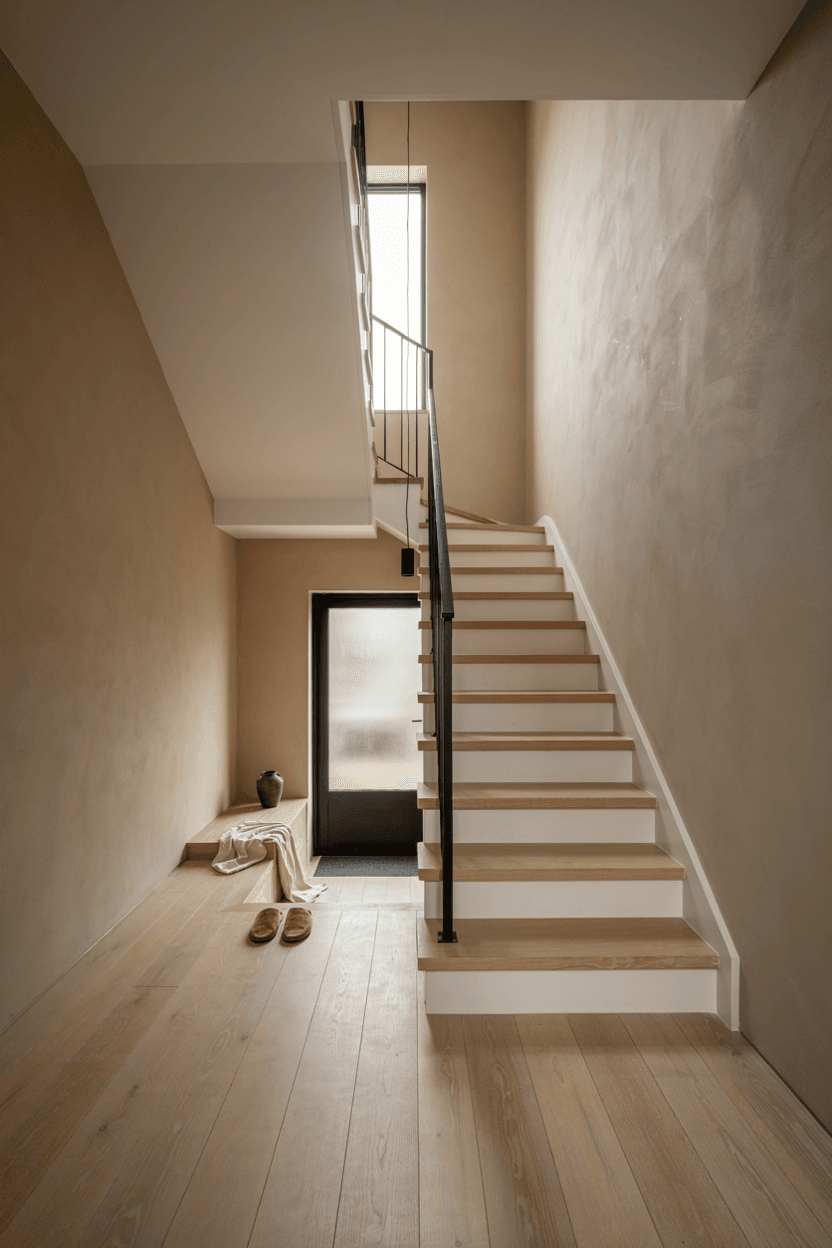
A U-shaped staircase uses two parallel flights connected by a central landing, turning the stairs back on themselves by 180 degrees. This creates a compact, symmetrical, and highly balanced design that feels both elegant and space-efficient. The landing also serves as a functional pause point and can be enhanced with a window, seating, or decorative elements, adding both beauty and practicality.
This style works best for homes with a spacious entrance hall where the staircase can be appreciated as a strong focal point from multiple angles. Using consistent materials, matching balusters, and a continuous handrail ensures a unified and cohesive appearance across both flights. Placing a statement lighting fixture above the landing enhances the vertical space and creates a dramatic, visually striking centerpiece for the entire staircase area.
Best For: Generous entrance halls that want a formally elegant and symmetrically impressive staircase design
Pro Tip: Hang a statement light fitting above the landing to dramatically illuminate the entire staircase beautifully
9. Curved Staircase
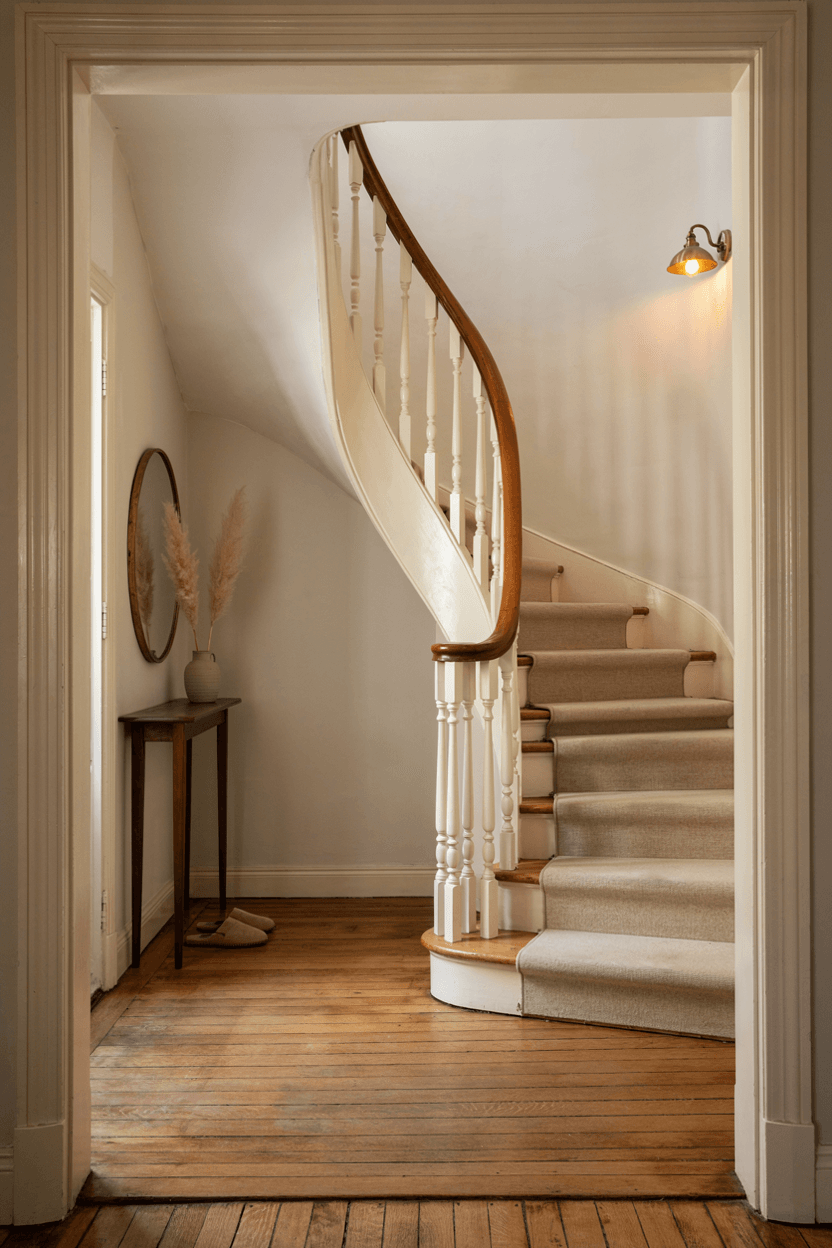
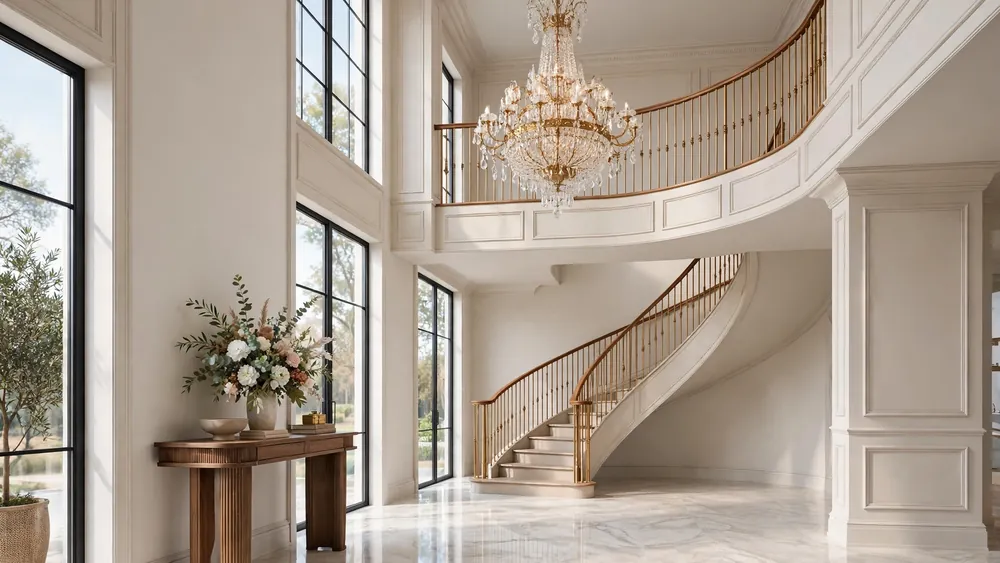
A curved staircase sweeps smoothly from one floor to another in a continuous, flowing arc, creating one of the most elegant and refined staircase forms in residential design. Its gently curving handrail and gradually widening treads form a sense of movement and visual harmony, turning the staircase into a true architectural statement piece. It represents a high level of craftsmanship and design ambition, often becoming the highlight of the entire interior.
This style works best for spacious entrance halls where the staircase is intended to act as a strong focal point of the home. A combination of white painted timber with a polished dark wood handrail creates a timeless and beautifully balanced contrast suitable for both traditional and contemporary interiors. Ensuring the curve begins smoothly at the base of the staircase helps achieve the most graceful proportions and a naturally elegant visual flow.
Best For: Grand entrance halls that want the most graceful and architecturally sophisticated staircase possible
Pro Tip: Begin the curve at the very base of the staircase for the most graceful and satisfying proportions
10. Staircase with Storage
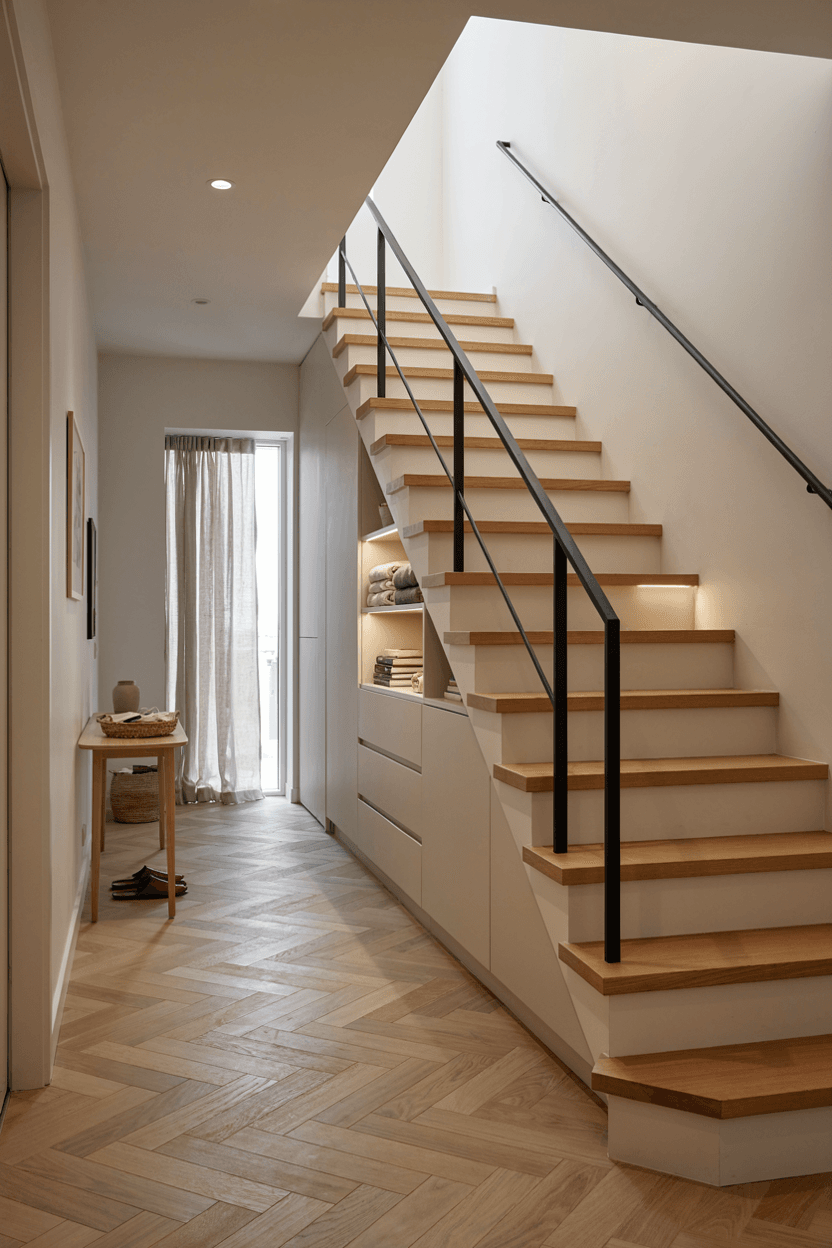
A staircase with integrated storage makes brilliant use of the triangular space beneath the stair structure that is so frequently left empty and completely wasted in most homes. Custom drawers, cupboard doors, open shelving, and pull-out shoe racks built into the understairs space transform it into one of the most useful and well-organized storage areas in the entire home. It is a practical and space-maximizing design.
This style works best for family homes and smaller properties where every available square metre of storage space genuinely matters to the daily comfort and organization of the household. Floor-to-ceiling cupboard doors painted the same color as surrounding walls make the understairs storage appear seamlessly integrated. Motion-sensor lighting in storage compartments makes finding items quick and easy, even in dark corners.
Best For: Family homes and smaller properties that need to maximize every available storage opportunity
Pro Tip: Paint understairs cupboard doors the same wall color for a seamlessly integrated and architectural result
11. Staircase with Lighting
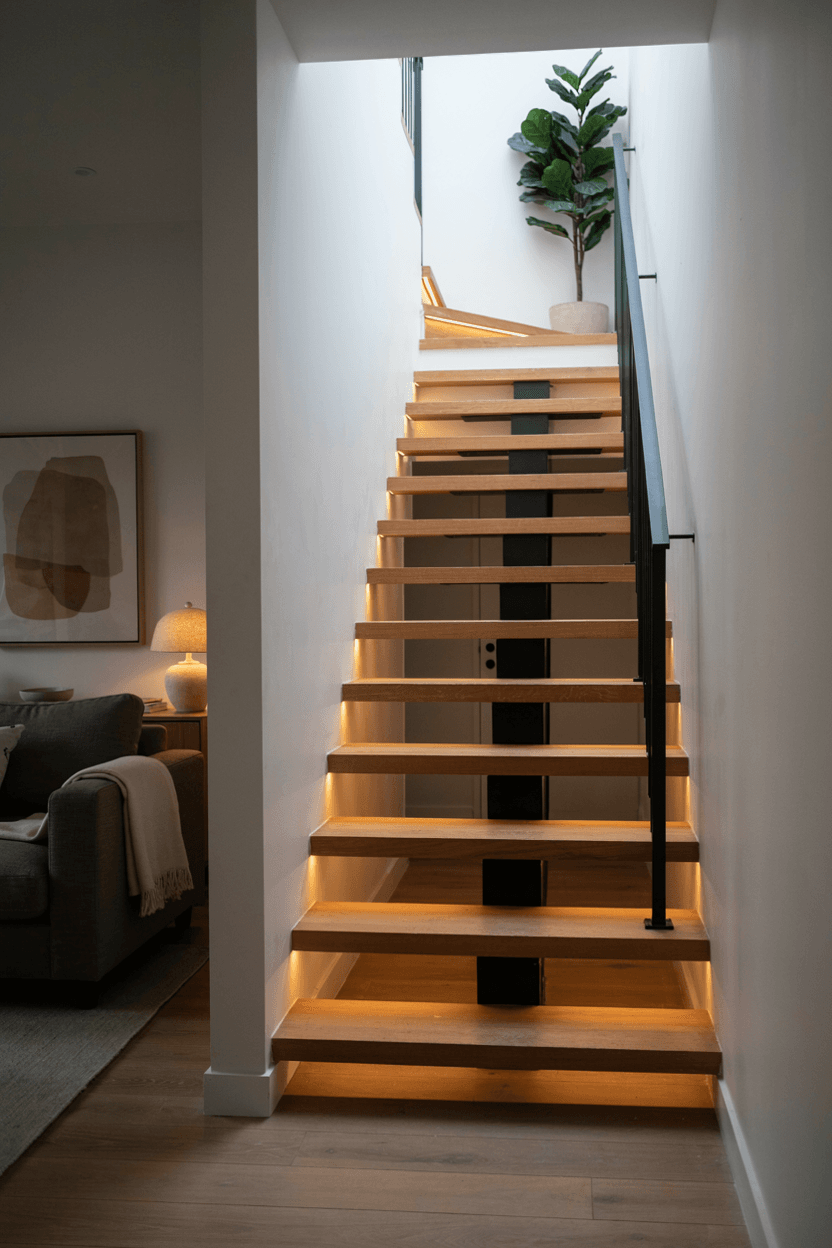
Integrated staircase lighting improves both safety and atmosphere, creating a dramatic and beautifully illuminated transition between floors at night. LED strip lights under each tread, wall-mounted step lights, or pendant lighting through the stair void all offer different but equally striking effects. It enhances both visibility and overall interior mood.
This style works best for any home where staircase lighting is used to improve safety and create a warm, inviting ambiance. Warm white LED strips under floating treads deliver a modern, dramatic effect. Connecting the lighting to dimmers or smart controls allows full adjustment of brightness and mood throughout the day.
Best For: Any staircase that wants beautiful atmospheric lighting for both safety and dramatic visual effect
Pro Tip: Connect staircase lighting to a dimmer switch for full control over mood and intensity at all times
12. Modern Minimalist Staircase
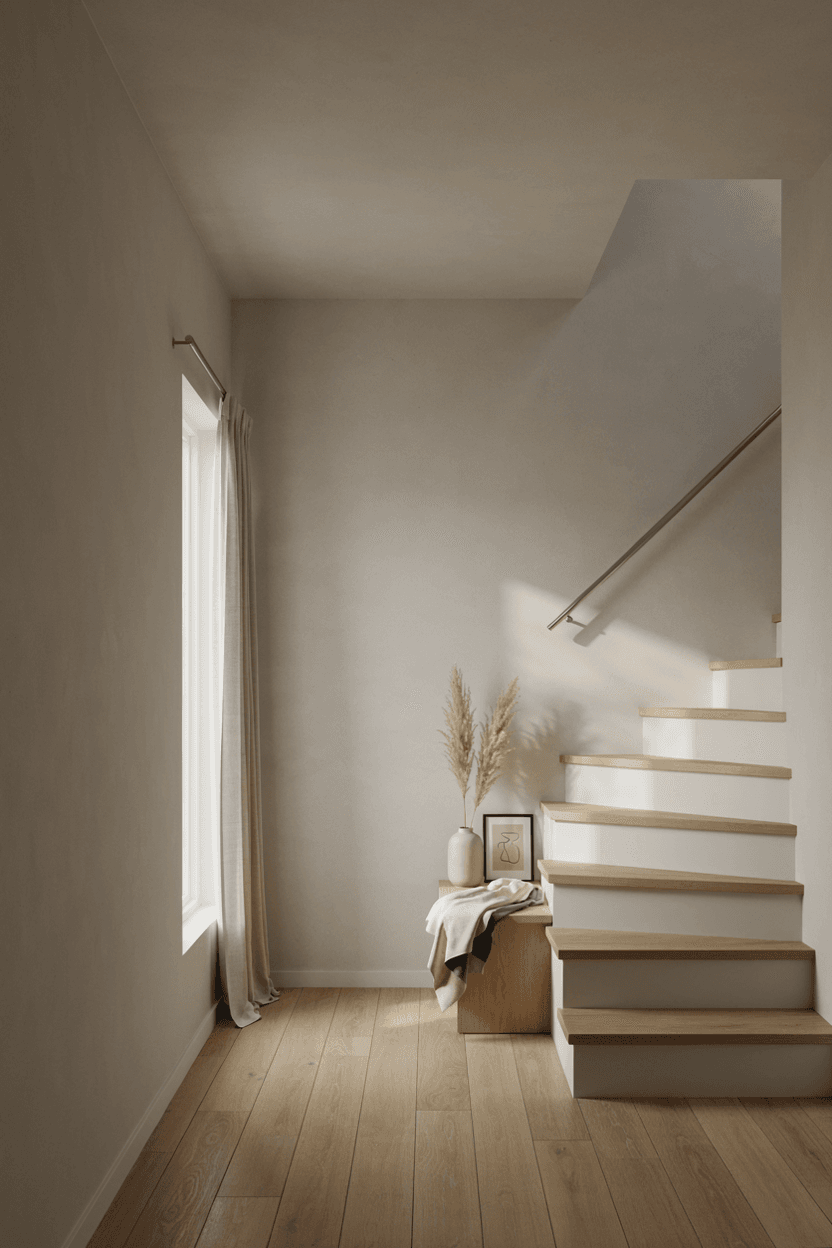
A modern minimalist staircase uses the simplest possible forms, clean lines, and minimal materials to create a calm and refined architectural feature. White risers, flat-profile treads, and a slim, unadorned handrail work together to form a staircase that feels elegant, balanced, and intentionally understated. Every detail is precise, with nothing unnecessary in the design.
This style works best for contemporary and minimalist interiors where the staircase supports a clean, uncluttered atmosphere rather than becoming a visual focal point. An all-white staircase with a wall-mounted slim handrail is one of the purest expressions of this style. Perfect alignment, sharp edges, and flawless finishing are essential to achieving a truly minimalist aesthetic.
Best For: Minimalist and contemporary homes that want a quietly elegant and architecturally restrained staircase
Pro Tip: Use a single slim wall-mounted handrail for the purest and most beautifully restrained minimalist result
13. Staircase with Cable Railings
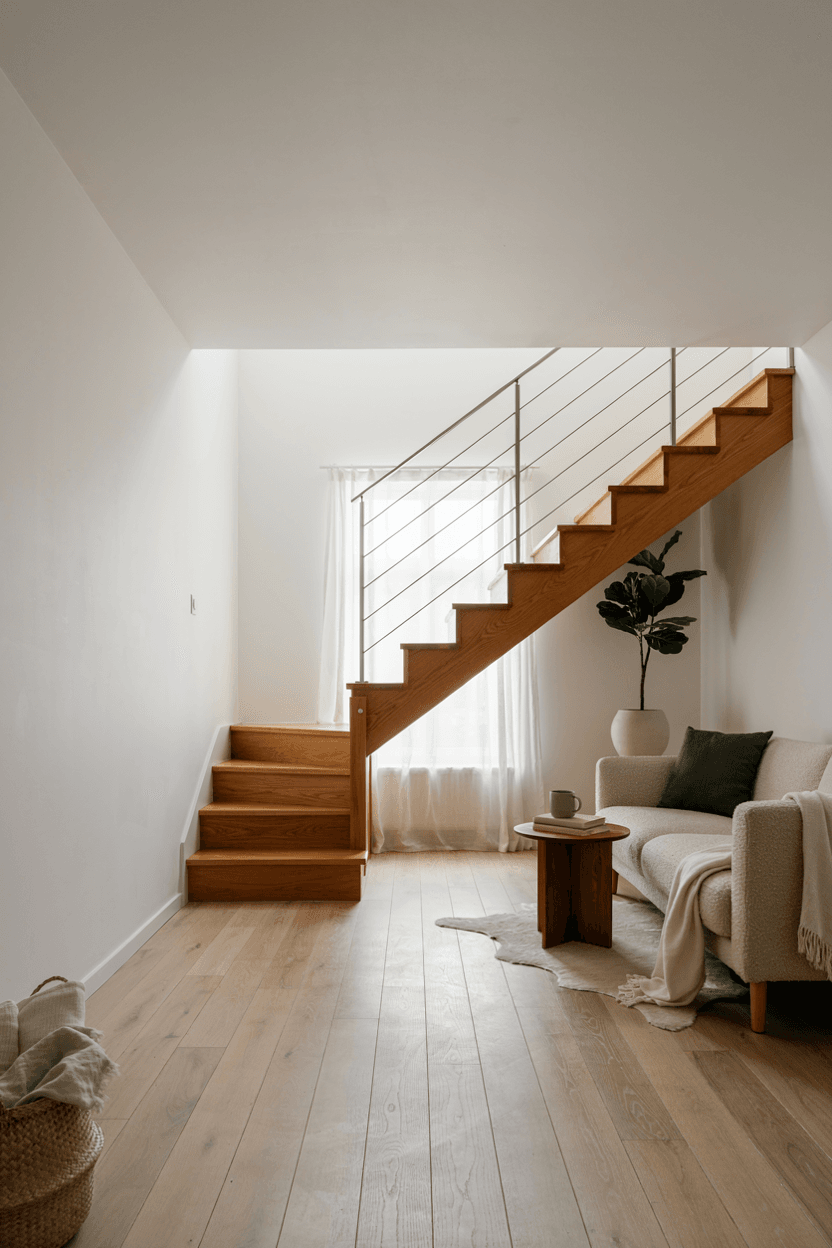
A staircase with cable railings uses taut stainless steel cables stretched between slim metal or timber posts to create a light, modern, and open railing system. The fine lines of the cables maintain clear sightlines while adding a subtle industrial and nautical character. It is a popular and versatile choice for contemporary residential interiors.
This style works best for modern, coastal, and Scandinavian homes where openness and natural light are important design priorities. Timber posts with horizontal stainless steel cables create a warm and balanced look. Proper tensioning is essential to keep the cables straight, secure, and visually sharp over time.
Best For: Modern and coastal homes that want a light, open, and visually contemporary cable railing system
Pro Tip: Use timber posts with horizontal cables for a warm and naturally beautiful coastal staircase railing result
14. Rustic Staircase Design
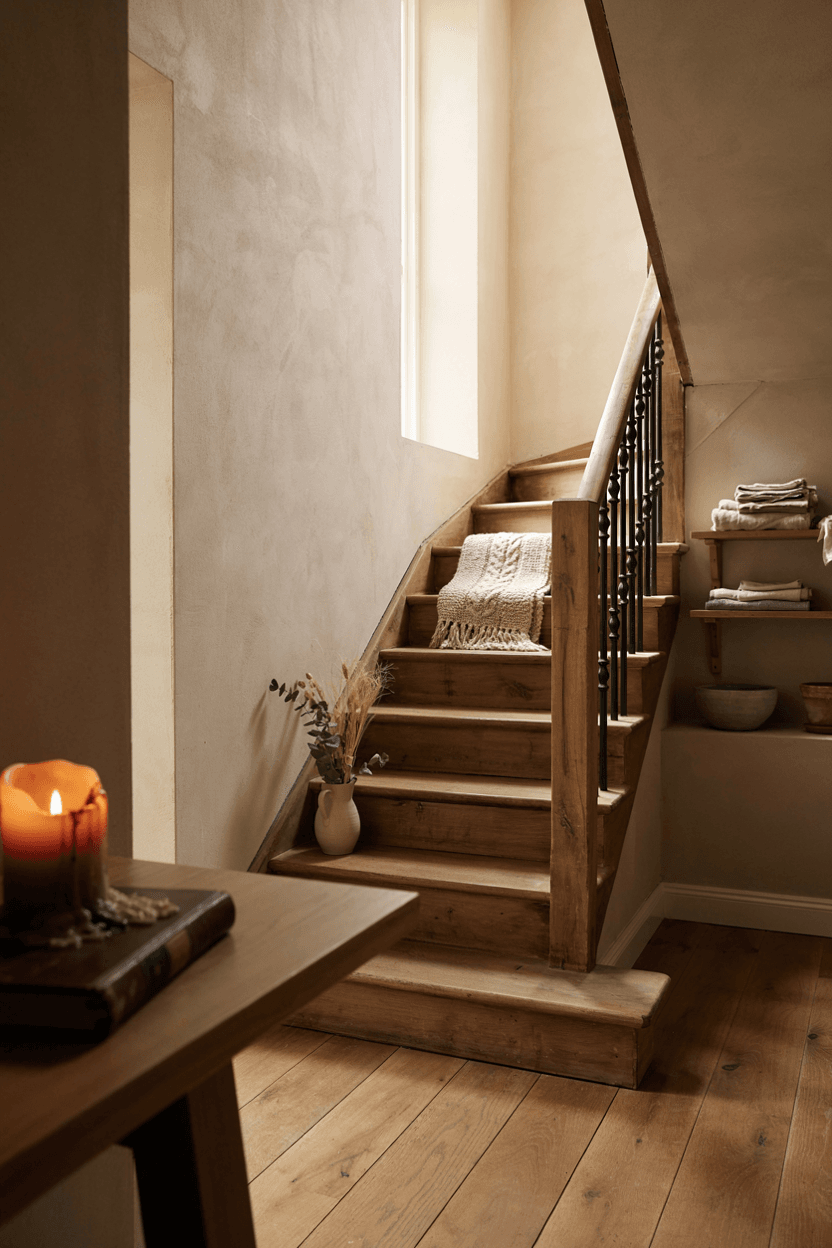
A rustic staircase uses reclaimed wood treads, wrought iron balusters, and a solid timber handrail to create a warm, natural, and character-rich design. The visible grain, knots, and imperfections of aged wood add depth and authenticity that make the staircase feel lived-in and unique. It brings a strong sense of warmth, honesty, and organic beauty to the interior.
This style works best for farmhouse, country, and rustic homes that celebrate natural materials and traditional craftsmanship. Reclaimed oak treads combined with simple iron balusters create a bold and timeless look. Keeping the wood in a natural oil finish instead of lacquer helps preserve its raw texture and authentic character over time.
Best For: Farmhouse and rustic homes that want a naturally beautiful and authentically characterful staircase
Pro Tip: Oil rather than lacquer reclaimed wood treads to preserve their natural warmth and organic character
15. Staircase with Gallery Wall
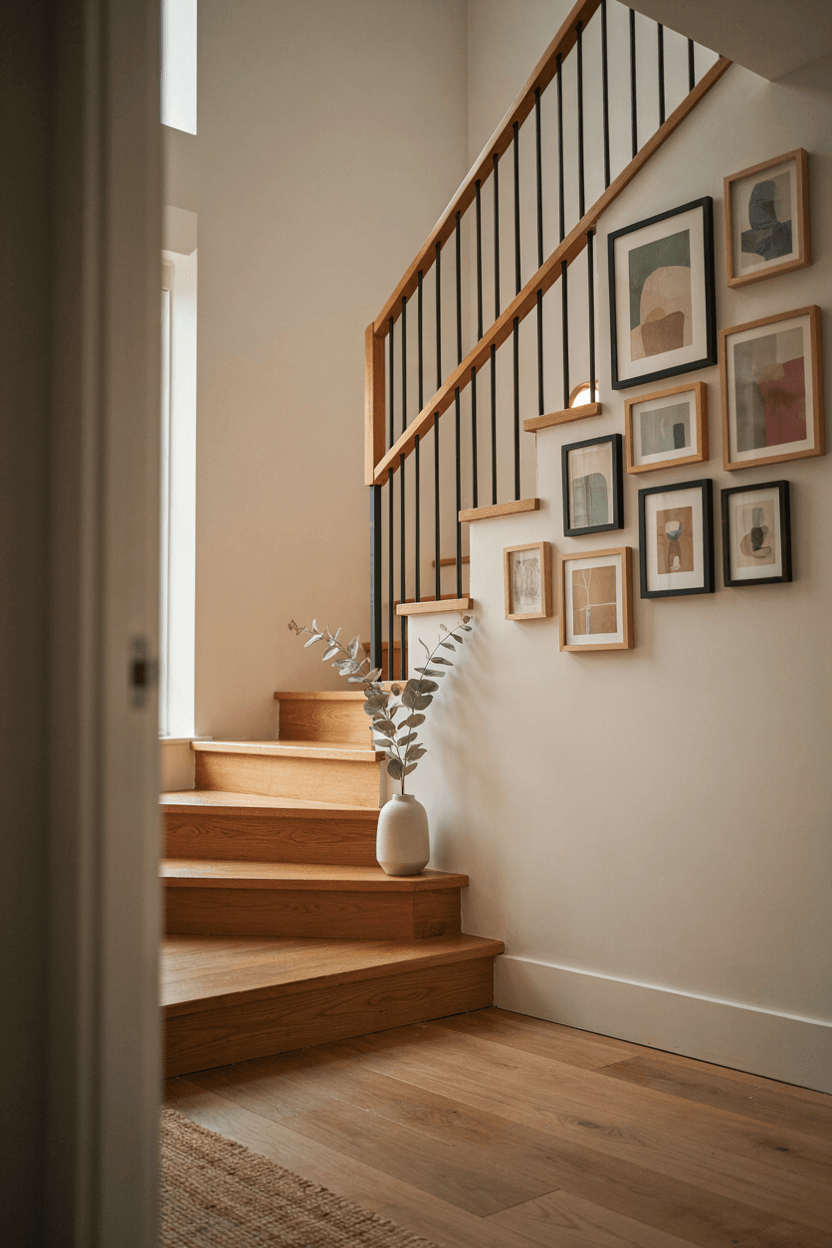
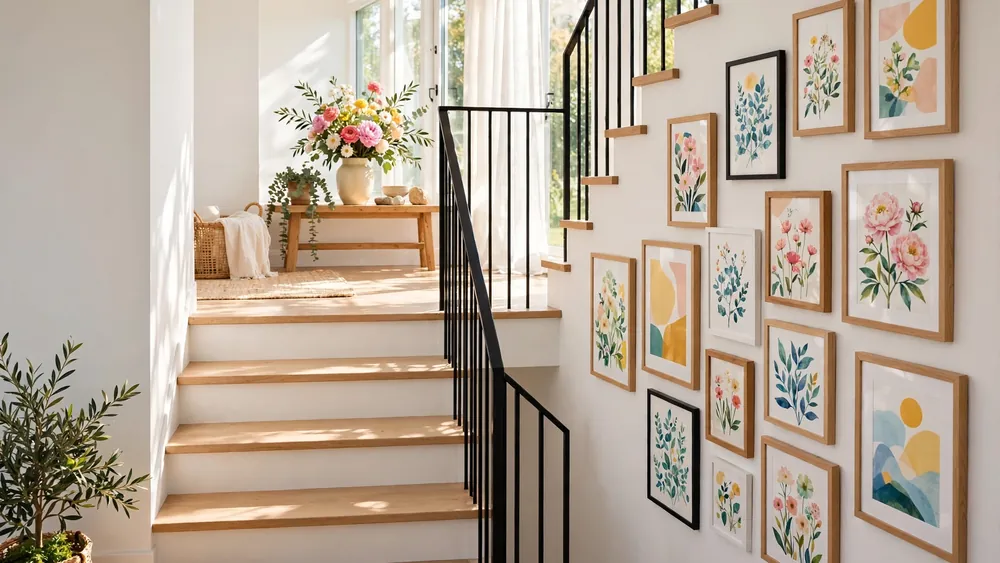
A staircase gallery wall turns the wall beside the stairs into a personal and visually engaging display of framed photos, artwork, and prints. It makes the journey between floors more meaningful while adding color, depth, and personality to a large, often-unused wall space. It is also one of the most affordable yet high-impact staircase design ideas.
This style works best for family homes where the staircase wall provides a long, visible vertical surface for creative decoration. Arranging frames along the diagonal line of the stairs creates a natural visual flow that guides the eye upward. Mixing different frame sizes, styles, and artwork types adds character and makes the display feel personal and naturally curated.
Best For: Family homes that want a richly personal and visually dynamic gallery display on the staircase wall
Pro Tip: Follow the diagonal staircase line with the gallery arrangement to guide the eye naturally upward
16. Staircase with Carpet Runner
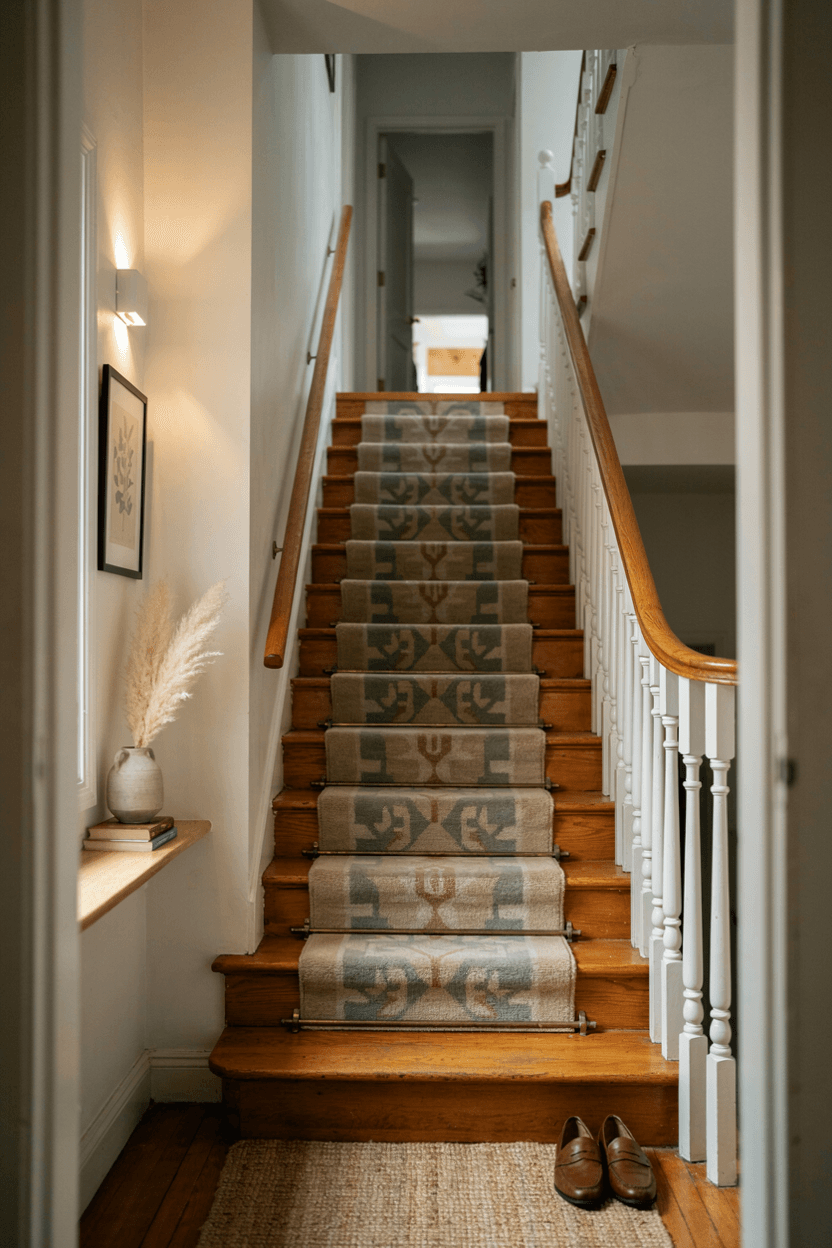
A carpet runner along a timber or stone staircase adds warmth, color, pattern, and a softer acoustic feel, making the stairs quieter, safer, and more comfortable underfoot. The contrast between natural treads and a patterned runner creates a layered look that works in both traditional and modern interiors. It is a simple yet highly effective design upgrade.
This style works best for staircases with hard surfaces where extra comfort, warmth, and visual softness are needed. A geometric or floral runner with polished brass stair rods gives a classic, refined finish. Choosing colors that match the home’s palette helps the staircase blend naturally with the overall interior design.
Best For: Any hard-tread staircase that needs warmth, pattern, acoustic softness, and visual beauty
Pro Tip: Secure the runner with polished brass stair rods for the most elegantly traditional and refined result
17. Concrete Staircase Design
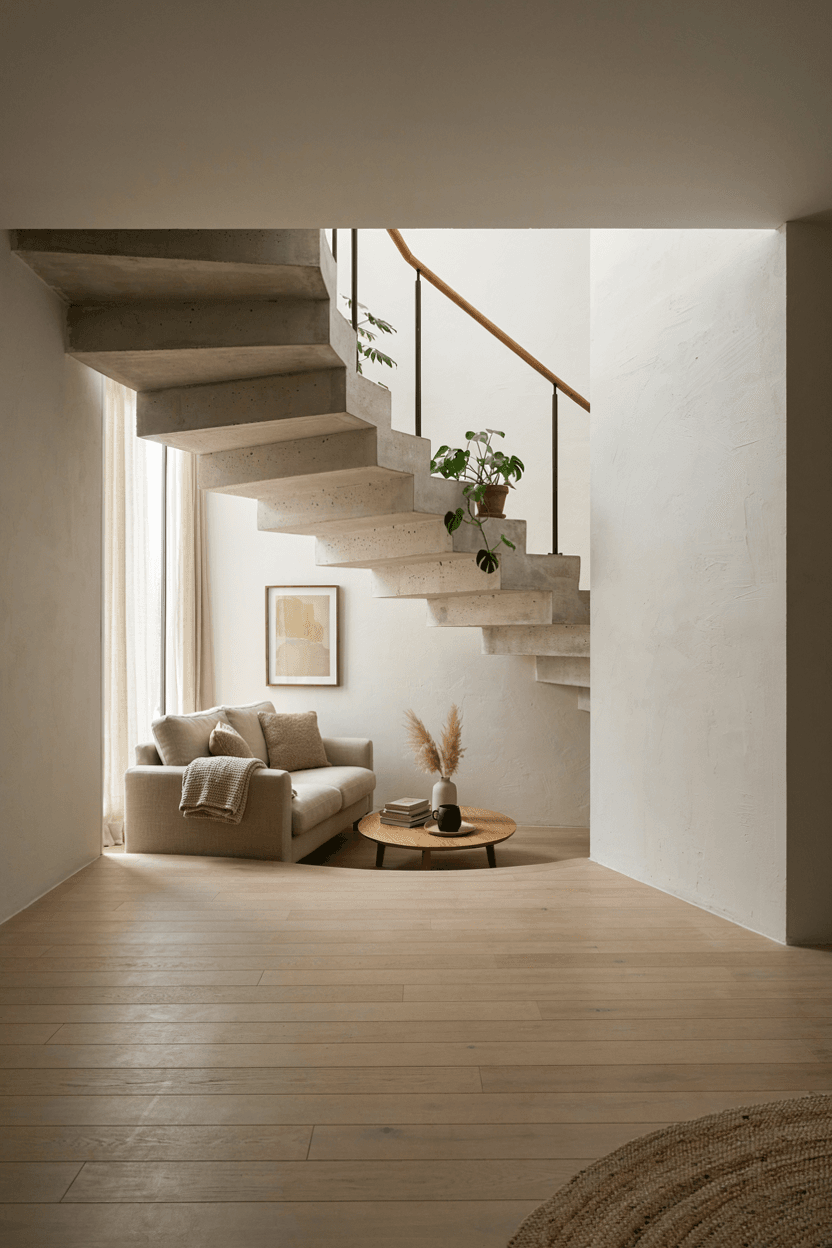
A concrete staircase uses the sculptural strength of poured or precast concrete to create a bold, architectural feature with strong visual impact. Its solid, monolithic form gives a sense of weight and permanence, while the smooth surface can feel both modern and timeless. It is one of the most powerful and expressive staircase material choices in contemporary design.
This style works best for modern, architecturally driven homes where the staircase is intended to be a strong visual statement. Polishing the concrete adds a refined, slightly reflective finish that softens its industrial feel. Pairing it with a slim timber or brass handrail introduces warmth and balance, preventing the design from feeling too cold or heavy.
Best For: Architecturally ambitious modern homes that want a boldly sculptural and raw concrete staircase
Pro Tip: Add a slim timber handrail alongside the concrete for a warm material contrast that prevents coldness
18. White Staircase Design
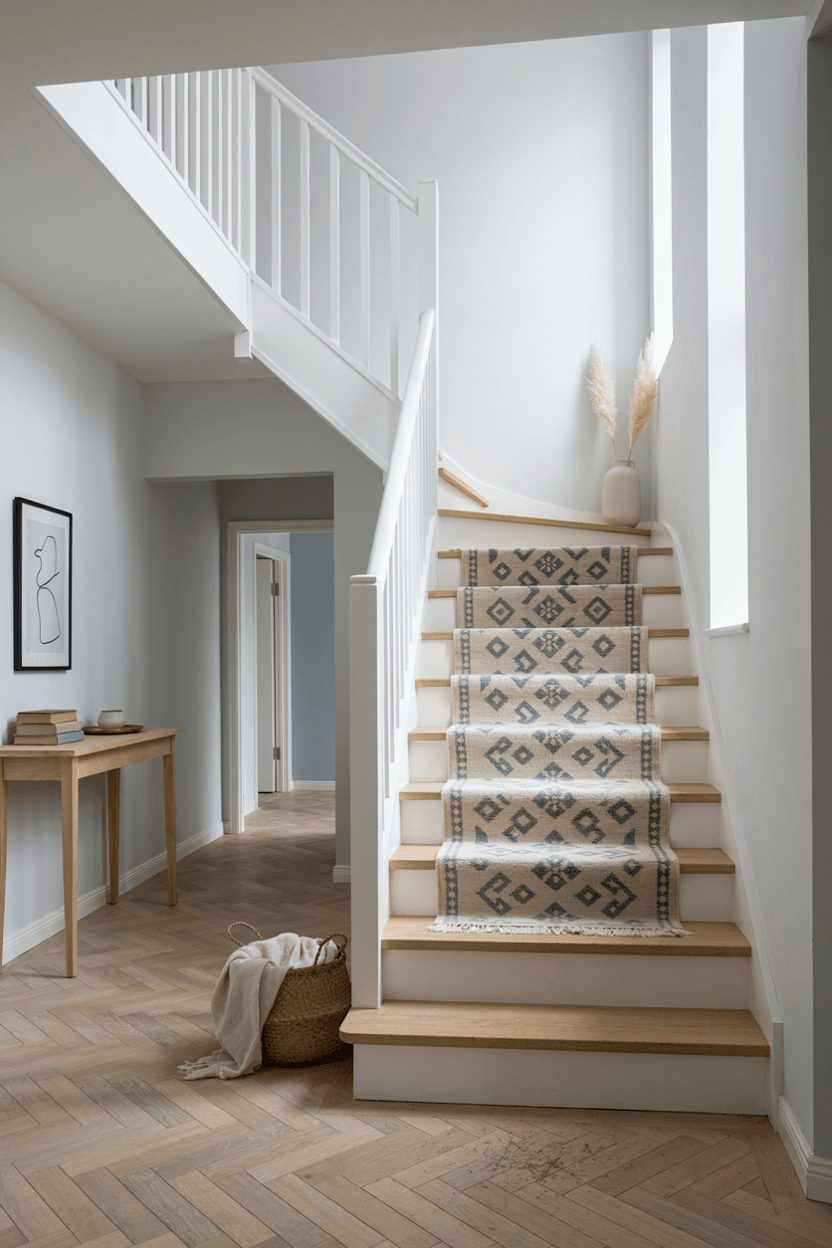
A white staircase creates a clean, bright, and highly versatile design that works with almost any interior style, from minimalist and Scandinavian to traditional and coastal. The white finish reflects light effectively, making the staircase and surrounding hallway feel more open, airy, and spacious. It also provides a neutral backdrop that blends easily with different decor choices.
This style works best for homes where a bright, fresh, and calm atmosphere is desired in the entrance and connecting spaces. Fully painted white balusters, risers, and handrails create a unified look, while white-stained or painted treads enhance the seamless effect. A patterned runner can be added to introduce contrast and visual interest without reducing the overall light and airy feel.
Best For: Any home that wants a clean, bright, and universally beautiful white staircase design
Pro Tip: Add a boldly patterned carpet runner to introduce color and warmth against the clean white staircase
19. Black Staircase Design
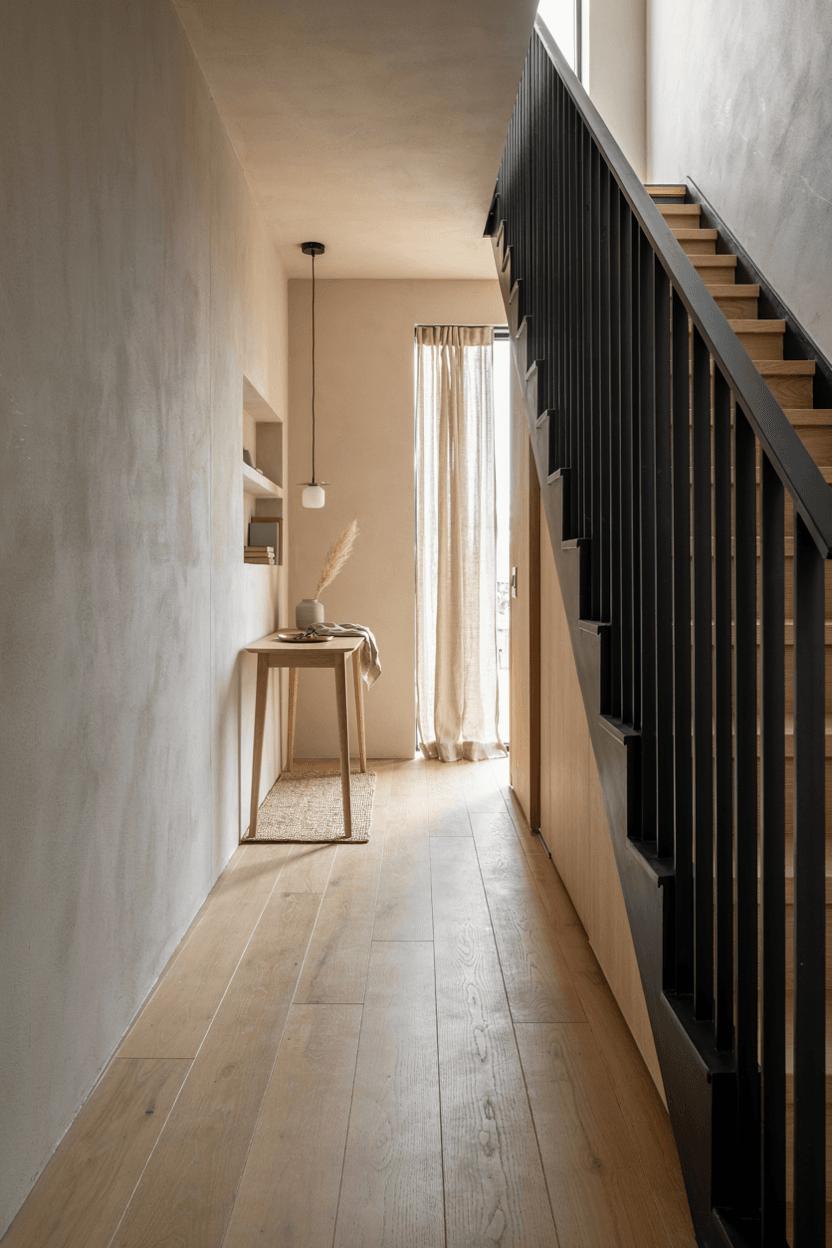
A black staircase creates a bold and sophisticated statement, giving the entrance hall a strong and confident visual identity. Black balusters, handrails, and dark treads form a striking contrast against light walls, adding depth, drama, and modern elegance to the space. It reflects a fearless and stylish design approach.
This style works best for modern, industrial, and contemporary interiors where a dark, bold aesthetic is already part of the home design. Combining a black structure with natural wood treads adds warmth and balance. Keeping the surrounding walls light ensures the staircase stands out clearly and maintains its strong visual impact.
Best For: Modern and bold interiors that want a dramatically confident and graphically powerful black staircase
Pro Tip: Pair black metalwork with natural wood treads for warmth that prevents the design feeling too heavy
20. Staircase with Open Risers
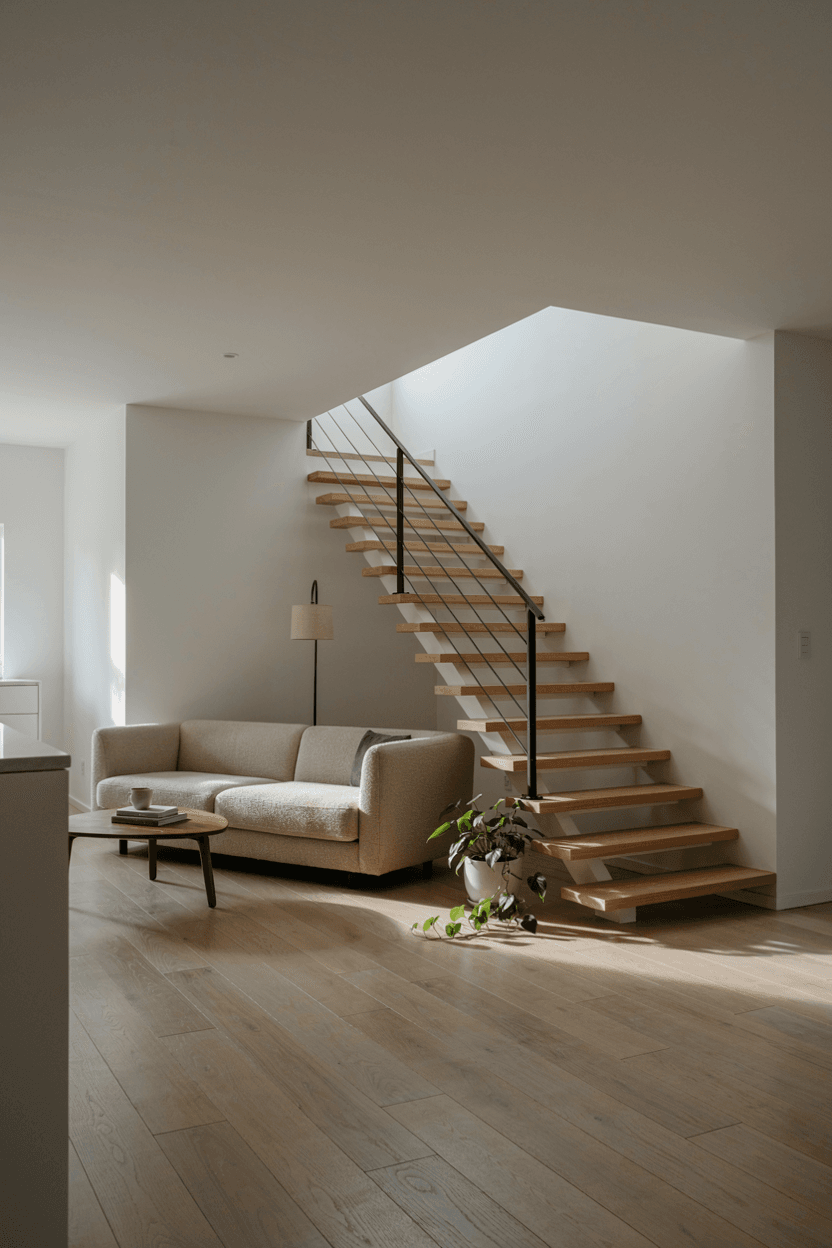
A staircase with open risers removes the vertical panels between each tread, allowing light and air to pass freely through the structure. This creates a light, airy design that feels less heavy and visually dominant than traditional closed riser staircases. It is ideal for maintaining openness in modern interiors.
This style works best for contemporary open-plan homes where the staircase is part of the main living space and needs to feel visually unobtrusive. Pairing open risers with floating treads and glass or cable railings enhances the modern, lightweight aesthetic. Proper tread depth and careful nosing design are important for safe and comfortable everyday use.
Best For: Modern open plan homes that want a light, airy, and visually open contemporary staircase design
Pro Tip: Combine open risers with cable railings for the most complete expression of the airy contemporary staircase
21. Staircase with Wrought Iron Railings
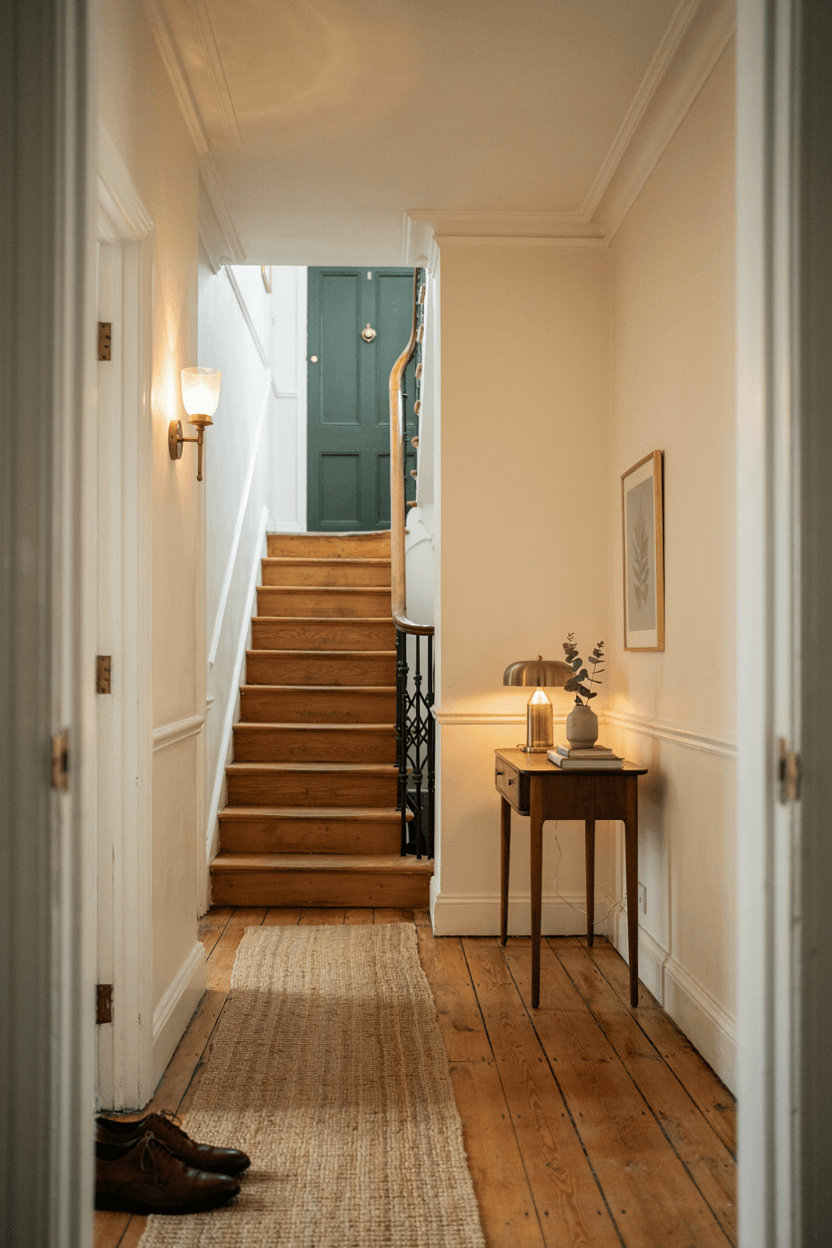
A staircase with wrought iron railings uses hand-crafted metal balusters in scroll, twist, or geometric designs to create a richly detailed and timeless appearance. The dark ironwork adds depth, warmth, and a strong sense of traditional craftsmanship, making the staircase feel elegant, durable, and historically inspired. It brings a decorative and permanent quality to the interior.
This style works best for period homes and grand traditional interiors where the staircase is a key decorative feature of the entrance hall. Pairing wrought iron balusters with a polished wooden handrail and warm oak or mahogany treads creates a rich, classic look. A consistent baluster pattern throughout the staircase ensures a unified and visually balanced design.
Best For: Period homes and traditional interiors that want decoratively rich and beautifully crafted iron railings
Pro Tip: Choose one consistent baluster pattern and repeat it uniformly throughout for a beautifully cohesive result
22. Scandinavian Staircase
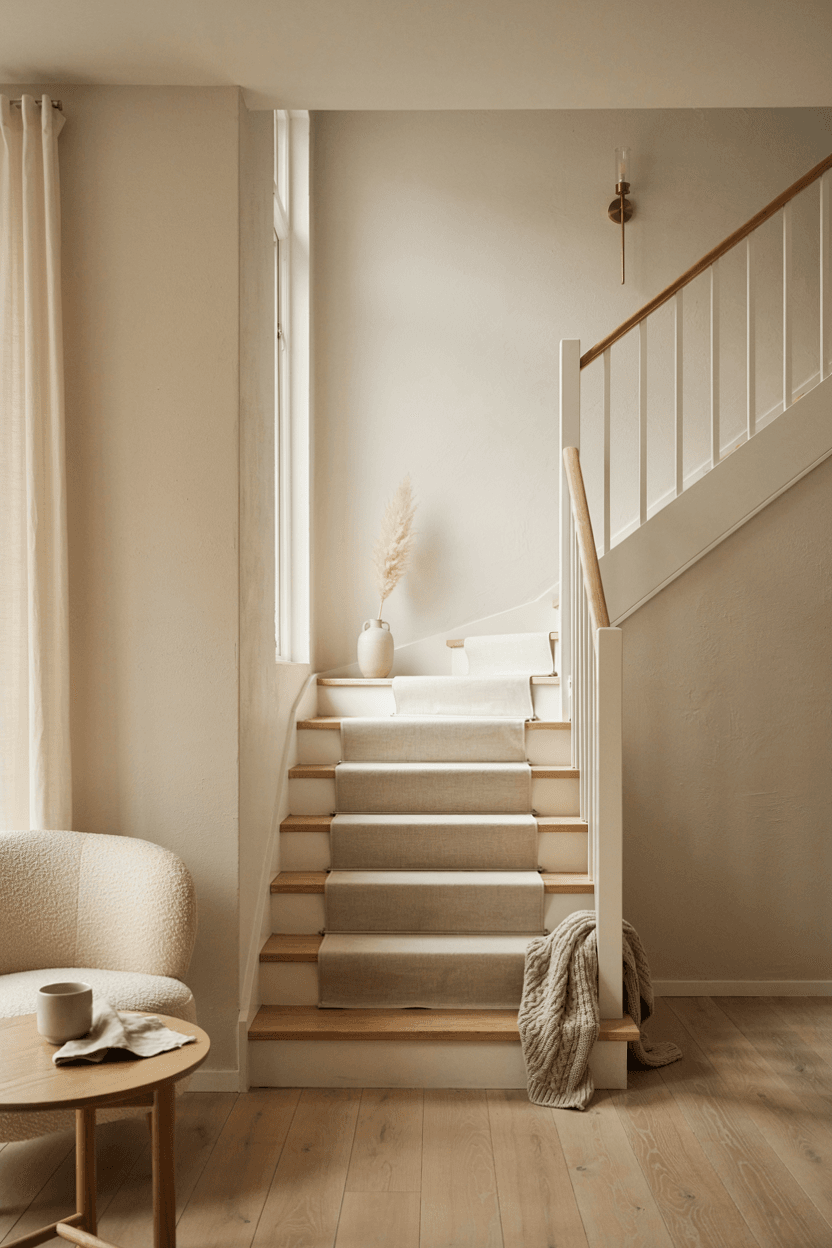
A Scandinavian staircase uses light wood treads, white risers, and simple, clean-lined balusters to create a calm, natural, and elegant design. The minimal detailing and soft material palette give it a warm yet understated look that fits perfectly with Nordic-inspired interiors. It feels bright, balanced, and effortlessly timeless.
This style works best for Scandinavian and minimalist homes where simplicity and natural warmth are key design values. Light oak treads with white painted elements and a natural wood handrail create the most authentic look. Adding a linen or wool runner in soft tones can introduce subtle warmth and comfort without disrupting the clean aesthetic.
Best For: Scandinavian and minimalist homes that want a naturally warm and simply beautiful Nordic staircase
Pro Tip: Add a soft natural linen runner for warmth and acoustic softness without disrupting the clean Nordic aesthetic
23. Staircase with Brick Wall
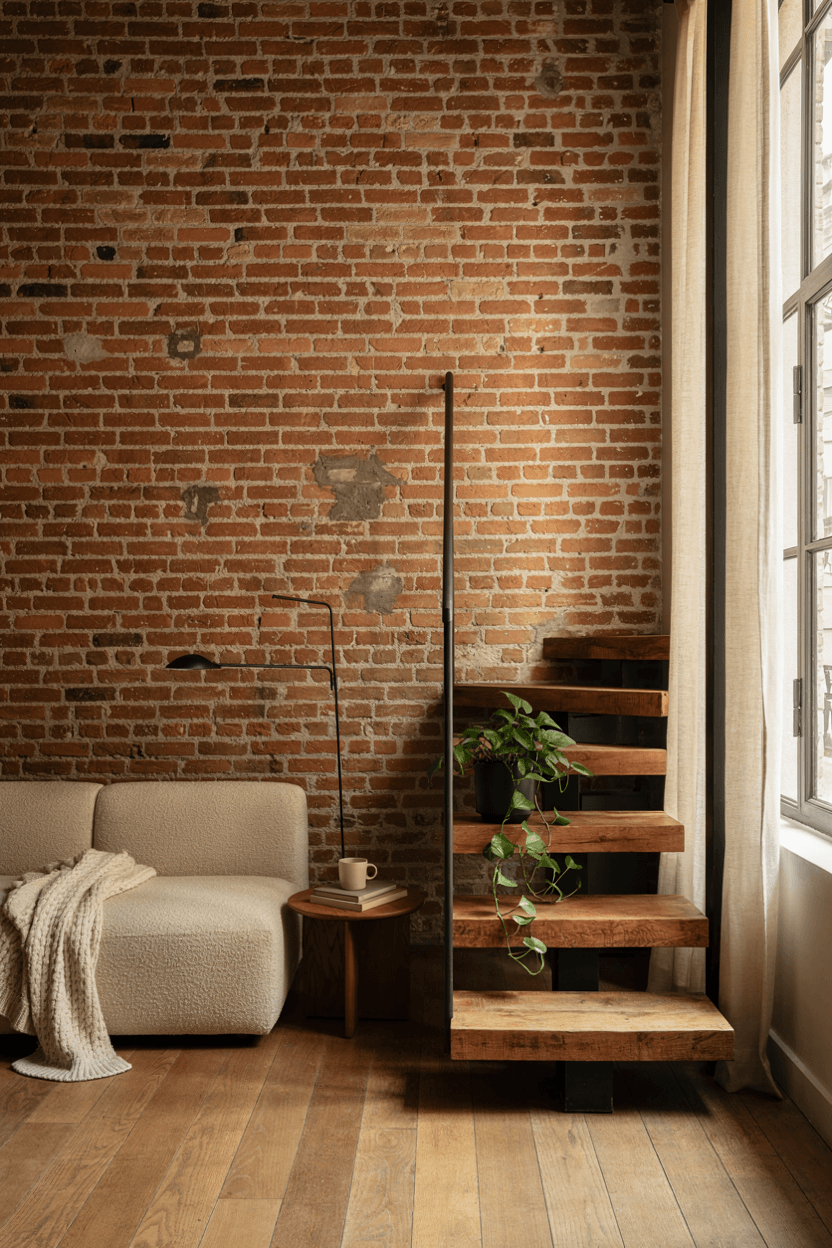
A staircase with an exposed brick wall creates a warm, textured backdrop that adds character, depth, and architectural interest to the stairway. The natural variation in brick tones and rough surface brings an authentic industrial or rustic feel that painted walls cannot replicate. It makes the staircase feel unique and full of personality.
This style works best for lofts, period homes, and industrial-style interiors where exposed brick is a natural or designed feature. Combining brick with dark metal railings and reclaimed wood treads creates a cohesive, balanced look. A matte sealant helps protect the brick while preserving its raw texture and natural appearance.
Best For: Urban lofts and industrial conversions that want a warmly textured and characterful brick staircase wall
Pro Tip: Apply a clear matte sealant to exposed brick to protect it while preserving its natural raw appearance
24. Staircase with Skylight
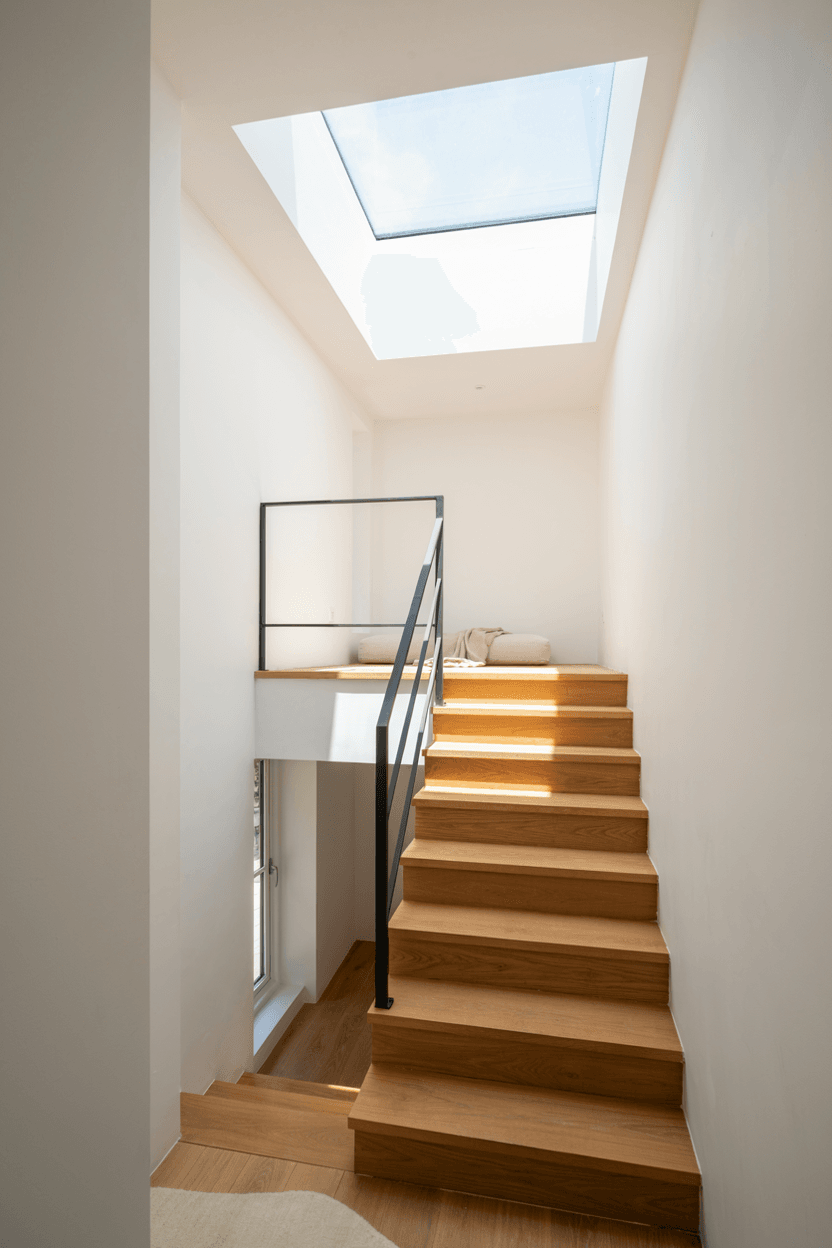
A staircase with a skylight above it brings in dramatic overhead natural light that completely transforms the space throughout the day. The sunlight shifts with the seasons, creating a bright, airy, and uplifting atmosphere that enhances the entire staircase. It is one of the most impactful ways to improve both lighting and architectural character.
This style works best for top-floor staircases where the roof allows for a skylight or roof window installation. A large frameless skylight produces the most striking effect, washing the walls and steps in natural light. Adding a retractable blind helps control brightness and heat, especially during strong summer sunlight.
Best For: Top-floor staircases that can benefit from a dramatic overhead skylight for natural light
Pro Tip: Install a retractable solar blind beneath the skylight for light control during bright summer months
25. Space-Saving Staircase
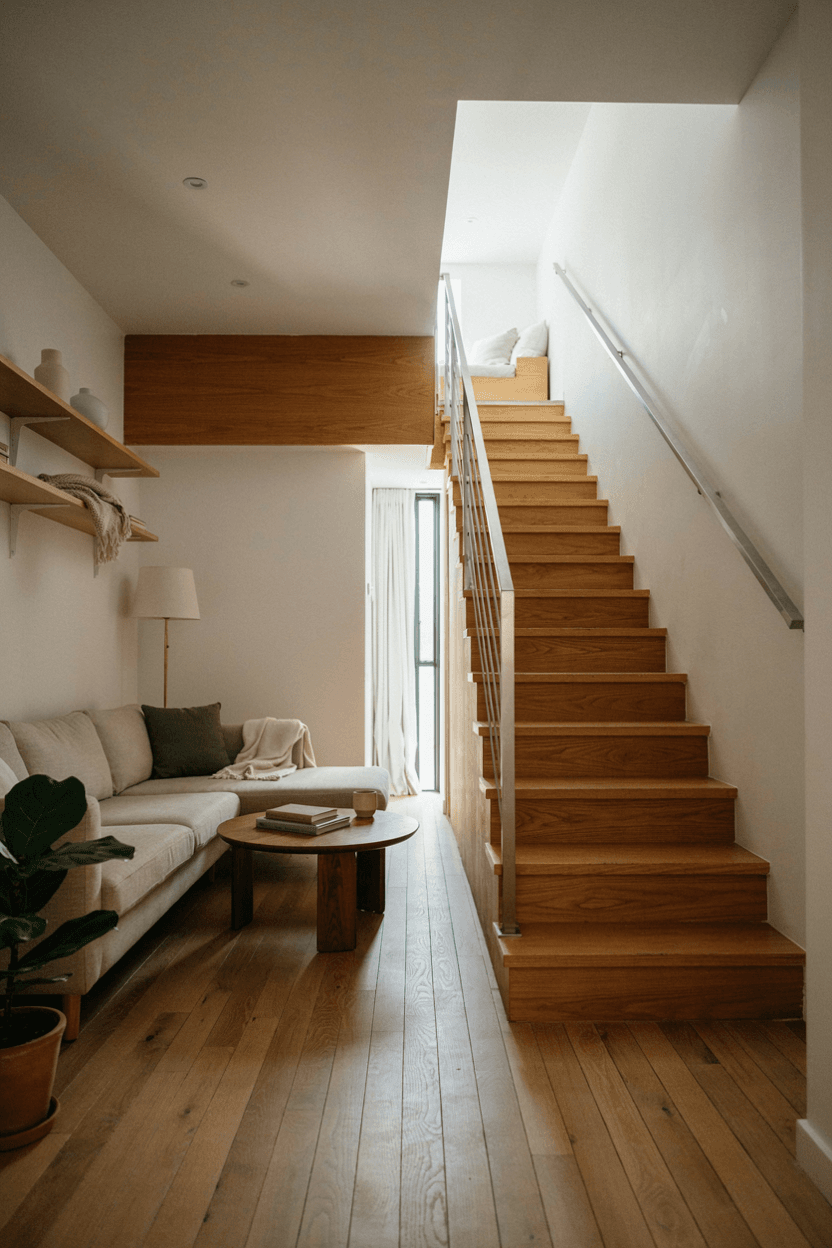
A space-saving staircase uses compact designs like alternating tread stairs, ship’s ladders, or small spiral forms to connect floor levels while using the minimum possible floor area. These clever solutions are practical, efficient, and often visually interesting, making them ideal where a full-sized staircase cannot fit. Despite their compact form, they are designed to provide safe and functional access between levels.
This style works best for studio apartments, mezzanine lofts, and small homes where saving space is a top priority. A timber alternating tread staircase with a simple wall-mounted handrail offers a warm and efficient solution for accessing upper floors. It is important to ensure users are comfortable with the steeper or non-traditional step design before installation for safe everyday use.
Best For: Studio apartments and compact loft conversions that need vertical access within minimal floor space
Pro Tip: Choose alternating tread stairs in natural timber for the warmest and most compact loft access solution
26. Statement Staircase Design
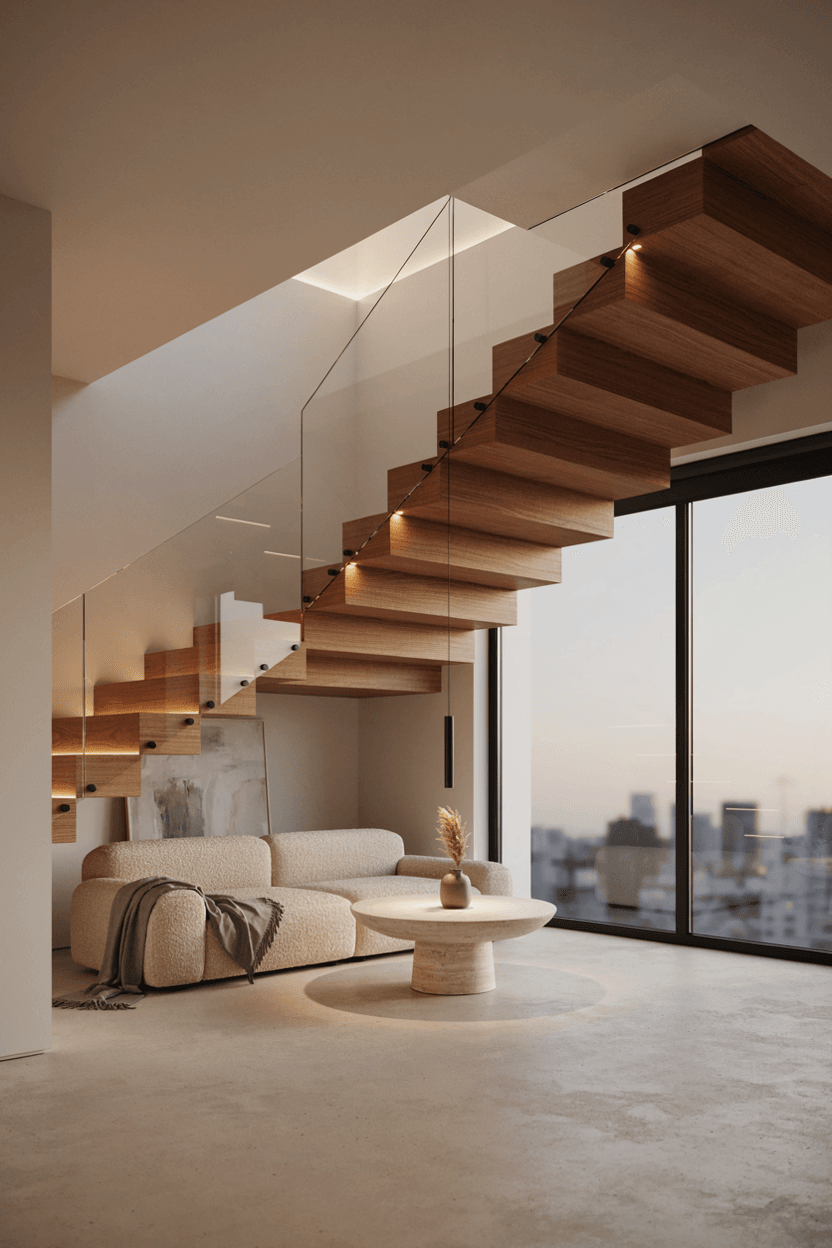
A statement staircase uses bold forms, unexpected materials, and sculptural design to become the most visually striking feature in the home. It is designed to stand out, drawing attention and enhancing the overall architectural character of the interior. Every detail is intentional, creating a powerful and memorable focal point.
This style works best for homeowners who want a strong first impression and see the staircase as a key design feature. Options like sculptural steel and glass, dramatic curved forms, or floating timber with integrated lighting all create a striking effect. Early collaboration with an architect or specialist ensures the staircase achieves its full design impact.
Best For: Design-confident homes that want an extraordinary and architecturally unforgettable staircase centerpiece
Pro Tip: Work with an architect from the start to ensure the statement staircase achieves its full extraordinary potential
Final Thoughts
A beautifully designed staircase has the power to transform not just the entrance hall but the entire character and atmosphere of your home. These 26 staircase design ideas show how the right combination of material, form, railing design, and lighting can turn a purely functional element into one of the most beautiful and personally expressive features of your home.
Whether you are drawn to the dramatic lightness of a floating staircase, the grand elegance of a curved form, the warm character of reclaimed rustic timber, or the bold confidence of an all-black contemporary design, the right staircase idea will make your home more beautiful, more characterful, and more genuinely extraordinary every single day.