17 Minimalist Small Space Living Room Ideas for a Clean and Open Feel
Introduction
Does your small living room feel cramped or cluttered no matter how you arrange it? Minimalist small space living room ideas focus on simple furniture, smart storage, and light colors that help a compact room feel open and calm. Every choice matters more in a small space, so simplicity becomes a real advantage.
These seventeen ideas cover layout, furniture, color, and storage solutions that work in studios, apartments, and cozy homes alike. Whether you are furnishing from scratch or rethinking an existing room, these tips help you make the most of limited square footage. Let us explore these ideas together.
1. Multi-Functional Furniture
Choosing furniture that serves more than one purpose, like a sofa bed or storage ottoman, helps a small living room do more without adding bulk. This approach reduces the total number of pieces needed in the room. Multi-functional furniture also tends to have cleaner, simpler designs.
A coffee table with built-in storage can hold books, remotes, or blankets out of sight. Choosing pieces with simple lines keeps the room from feeling crowded. This approach suits studios, apartments, and any space where every inch counts.
Best For: Studios, apartments, and compact living rooms.
Pro Tip: Choose furniture that serves more than one purpose.
2. Light, Neutral Color Palette
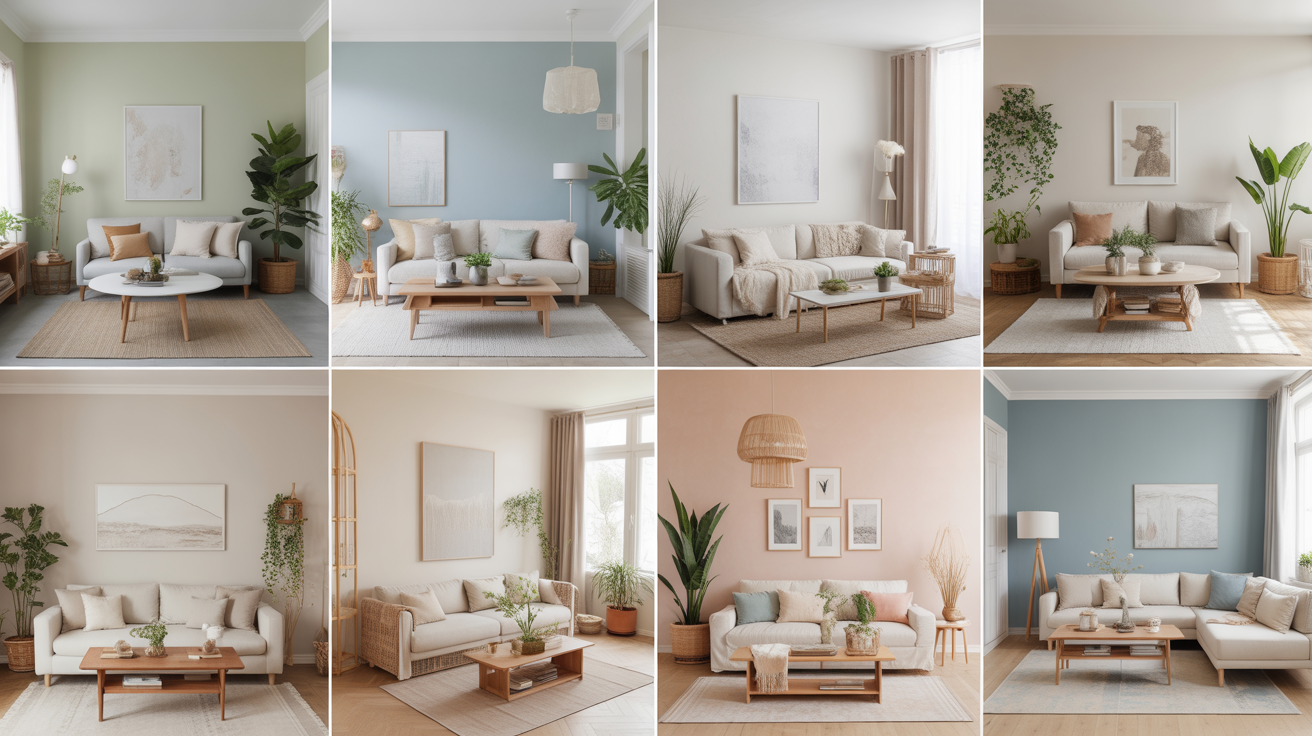
Light colors, like white, cream, and soft gray, reflect light and make a small living room feel more open. Dark colors can make walls feel closer, while light tones create a sense of airiness. This palette also pairs well with almost any furniture style.
Keeping walls, ceilings, and large furniture in similar light tones avoids visual breaks that can make a room feel smaller. Adding texture through textiles introduces interest without adding color. This approach works well in rooms with limited natural light.
Best For: Walls, ceilings, and large furniture.
Pro Tip: Use light tones throughout for an open feel.
3. Floating Shelves Instead of Bulky Cabinets
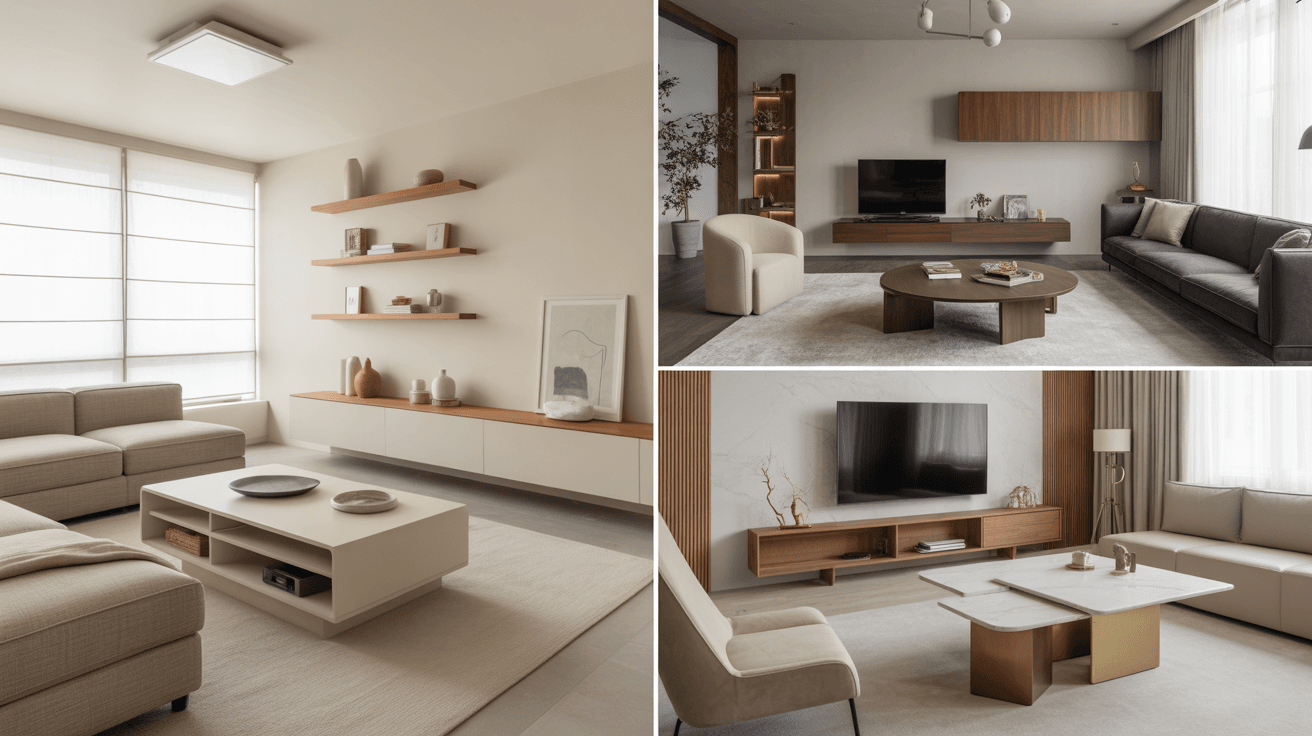
Floating shelves take up less visual space than full cabinets, since they do not have legs or bulky frames touching the floor. This creates a sense of openness beneath the shelf. Floating shelves also work well for displaying a few curated items without clutter.
Choosing shelves in a color that matches the wall helps them blend in further. Keeping items on shelves minimal avoids visual clutter. This approach suits small living rooms that need storage without heavy furniture.
Best For: Walls, living rooms, and display areas.
Pro Tip: Match shelf color to walls for a seamless look.
4. Mirrors to Reflect Light and Space
A large mirror placed opposite a window reflects natural light throughout the room, making it feel brighter and larger. Mirrors also create the illusion of depth, which is especially helpful in small living rooms. Choosing a simple frame keeps the look minimal.
Placing a mirror on a wall that faces the main seating area also adds visual interest without clutter. This approach works well in rooms with limited windows. Mirrors are an easy, affordable way to enhance a small space.
Best For: Walls, opposite windows, and seating areas.
Pro Tip: Place mirrors opposite windows to reflect light.
5. Low-Profile Furniture
Choosing furniture with a lower profile, like a low sofa or coffee table, helps a small living room feel less crowded by leaving more visible wall space above. This creates a sense of height in the room. Low furniture also tends to have simpler, cleaner lines.
Pairing low furniture with light wall colors enhances the open feeling. This approach works especially well in rooms with lower ceilings. This style suits minimalist and modern small living rooms.
Best For: Sofas, coffee tables, and seating areas.
Pro Tip: Choose low furniture to open up wall space.
6. Vertical Storage Solutions
Using vertical space, like tall bookshelves or wall-mounted storage, makes the most of a small living room without taking up floor space. This approach draws the eye upward, making the room feel taller. Vertical storage also keeps items organized and out of the way.
Choosing storage that reaches close to the ceiling maximizes capacity without feeling bulky. Keeping the bottom shelves more open and the top shelves for less-used items balances the look. This approach suits small living rooms with limited floor space.
Best For: Walls, corners, and storage-heavy rooms.
Pro Tip: Use vertical space to maximize storage.
7. Hidden Storage Ottomans
An ottoman with hidden storage inside serves as both seating and a place to tuck away blankets, remotes, or magazines. This dual function reduces the need for separate storage furniture. Choosing a simple, solid-colored ottoman keeps the look clean.
Placing the ottoman near the sofa makes it easy to use as extra seating or a footrest. This approach works well in rooms where every piece of furniture needs to multitask. This style suits small living rooms of almost any layout.
Best For: Living rooms, seating areas, and storage needs.
Pro Tip: Choose ottomans with hidden storage inside.
8. Curtains That Extend to the Ceiling
Hanging curtains from ceiling to floor, rather than just covering the window, makes a small living room feel taller. This technique draws the eye upward and creates the illusion of higher ceilings. Choosing a simple, solid color enhances this effect further.
This style works especially well in rooms with lower ceilings, where it can create a sense of height. Pairing floor-to-ceiling curtains with a slim rod keeps the look streamlined. This option suits small living rooms of almost any style.
Best For: Living rooms, low-ceiling rooms, and small windows.
Pro Tip: Hang curtains from ceiling to floor for height.
9. Furniture with Visible Legs
Choosing sofas and chairs with visible legs, rather than pieces that sit flush on the floor, creates a sense of openness beneath the furniture. This allows light to pass through and makes the floor feel more visible. Thin, simple legs work especially well for this effect.
This approach suits small living rooms that want to avoid a heavy, grounded look. Pairing furniture with visible legs and light flooring enhances the open feel. This style works well in modern and minimalist small spaces.
Best For: Sofas, chairs, and seating areas.
Pro Tip: Choose furniture with visible legs for openness.
10. Simplified Color Scheme with One Accent
Sticking to mostly neutral tones with just one accent color keeps a small living room feeling calm and cohesive. This approach avoids the visual clutter that comes from too many competing colors. The accent color can appear in cushions, art, or a single piece of furniture.
This style suits small living rooms that want personality without feeling busy. Pairing a simplified palette with light walls enhances the open feeling. This approach works well in studios and compact apartments.
Best For: Studios, apartments, and compact living rooms.
Pro Tip: Use one accent color, not several.
11. Nesting Tables Instead of One Large Table
Nesting tables, which stack together when not needed, offer flexible surface space without taking up much room. This approach works especially well in small living rooms where a single large coffee table might feel bulky. The tables can be separated for guests and stacked afterward.
Choosing nesting tables in a simple material, like wood or metal, keeps the look minimal. This approach suits small living rooms that need flexible seating arrangements. This style works well for both casual and modern spaces.
Best For: Living rooms, seating areas, and flexible layouts.
Pro Tip: Use nesting tables for flexible surface space.
12. Wall-Mounted Television and Media
Mounting a television on the wall, rather than placing it on a media console, frees up floor space and creates a cleaner look. This approach also removes the need for a bulky piece of furniture. Hiding cables behind the wall mount enhances the minimalist effect.
This style works especially well in small living rooms where floor space is limited. Pairing a wall-mounted television with simple, minimal decor keeps the look uncluttered. This approach suits modern and minimalist small spaces.
Best For: Walls, small rooms, and media areas.
Pro Tip: Mount the television to free up floor space.
13. Light, Airy Window Treatments
Choosing lightweight curtains or sheer panels allows natural light to fill a small living room, making it feel more open. Heavy, dark curtains can make a small space feel closed in, even during the day. Light fabrics also take up less visual space when open.
This approach works especially well in rooms with limited natural light to begin with. Pairing light curtains with simple rods enhances the airy feel. This style suits small living rooms of almost any layout.
Best For: Living rooms, small windows, and bright spaces.
Pro Tip: Choose lightweight curtains to maximize light.
14. Decluttered Surfaces
Keeping surfaces, like coffee tables and shelves, mostly clear creates a sense of calm and order in a small living room. A few carefully chosen items feel more intentional than many small objects scattered around. This approach also makes cleaning easier.
Choosing one or two meaningful decor pieces per surface keeps the look curated rather than empty. This style suits small living rooms that want a calm, minimalist feel. Decluttered surfaces also make the room feel larger overall.
Best For: Coffee tables, shelves, and surfaces.
Pro Tip: Keep surfaces mostly clear with few items.
15. Furniture Placement Away from Walls
While it may seem counterintuitive, placing a sofa or chair slightly away from the wall can sometimes make a small room feel more spacious by creating a sense of flow. This works best in rooms with enough space for a narrow walkway behind furniture.
This approach suits small living rooms with an open floor plan. Pairing this layout with light furniture enhances the open feel. This style works well when there is enough room to allow movement around the furniture.
Best For: Open floor plans, living rooms, and flexible layouts.
Pro Tip: Leave space behind furniture if the room allows.
16. Soft, Simple Lighting
Choosing one or two simple light sources, like a floor lamp and a wall sconce, keeps a small living room from feeling cluttered with fixtures. Warm-toned bulbs add coziness without requiring multiple lamps. Simple, unobtrusive designs blend into the room.
This approach works especially well in rooms with limited space for furniture-based lamps. Pairing simple lighting with light walls enhances the calm feel. This style suits small living rooms of almost any layout.
Best For: Living rooms, reading corners, and small spaces.
Pro Tip: Use one or two simple light sources only.
17. One Statement Piece, Rest Kept Simple
Choosing one statement piece, like a bold piece of art or a unique chair, and keeping everything else simple creates focus without clutter in a small living room. This approach avoids competing focal points that can make a room feel busy. The statement piece stands out clearly.
This style suits small living rooms that want personality without losing the minimalist feel. Pairing one statement piece with neutral surroundings enhances its impact. This approach works well in studios and compact apartments.
Best For: Studios, apartments, and compact living rooms.
Pro Tip: Choose one statement piece, keep the rest simple.
Final Thoughts
Minimalist small space living room ideas show that a compact room can still feel open, calm, and stylish with the right choices. From multi-functional furniture to light colors and smart storage, each idea on this list helps make the most of limited space. Start with one or two changes, then build from there.
We hope these ideas inspired you to see your small living room differently. Thoughtful choices in furniture and layout can make a big difference in how open and calm a space feels. For more home inspiration, visit us at Trendy Decor Guide.