20 Brilliant Small Home Interior Design Ideas for Space & Style
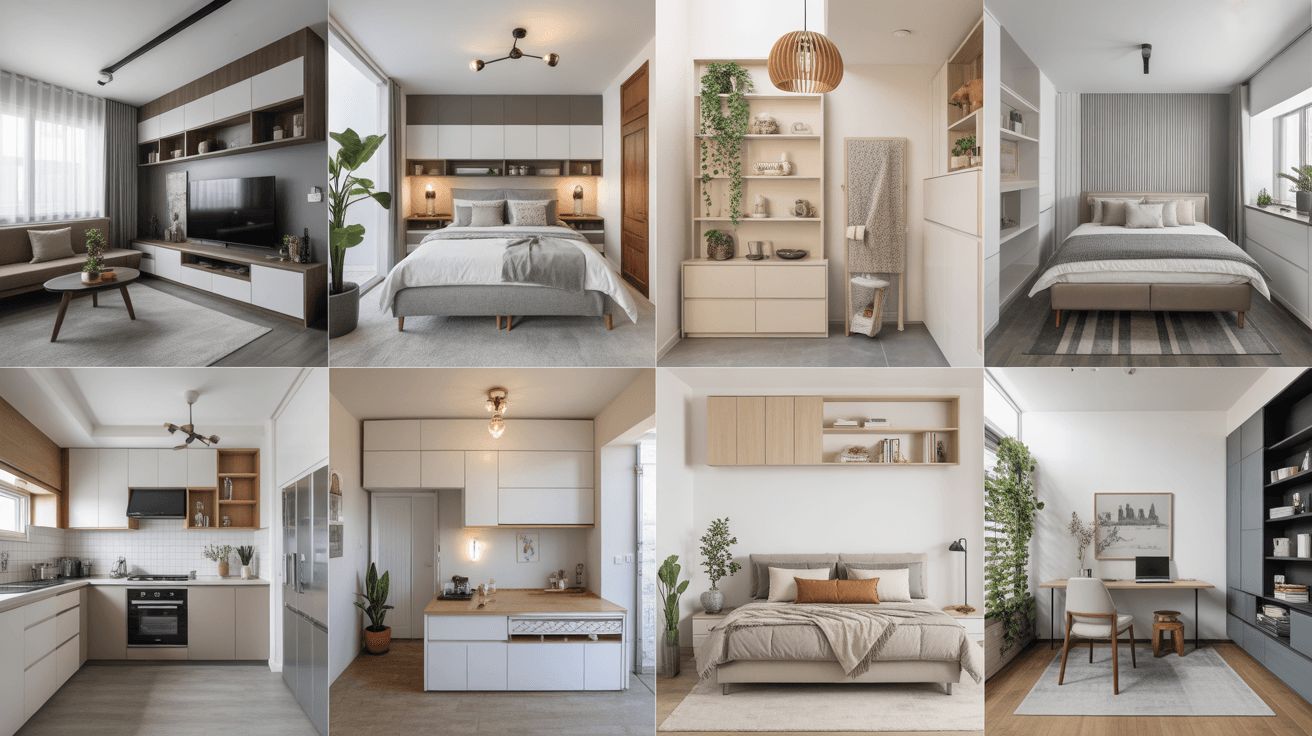
Living in a small home doesn’t mean you have to sacrifice style, comfort, or personality. In fact, small spaces often inspire the most creative, functional, and stunning interior designs. Every inch counts, and with the right choices, your home can feel airy, inviting, and full of character.
This guide brings you 20 brilliant small home interior design ideas that perfectly balance space and style. Each idea is crafted to help you maximize your square footage without compromising beauty, so you can enjoy a home that feels just as grand as your dreams.
1. Go Vertical with Wall Storage
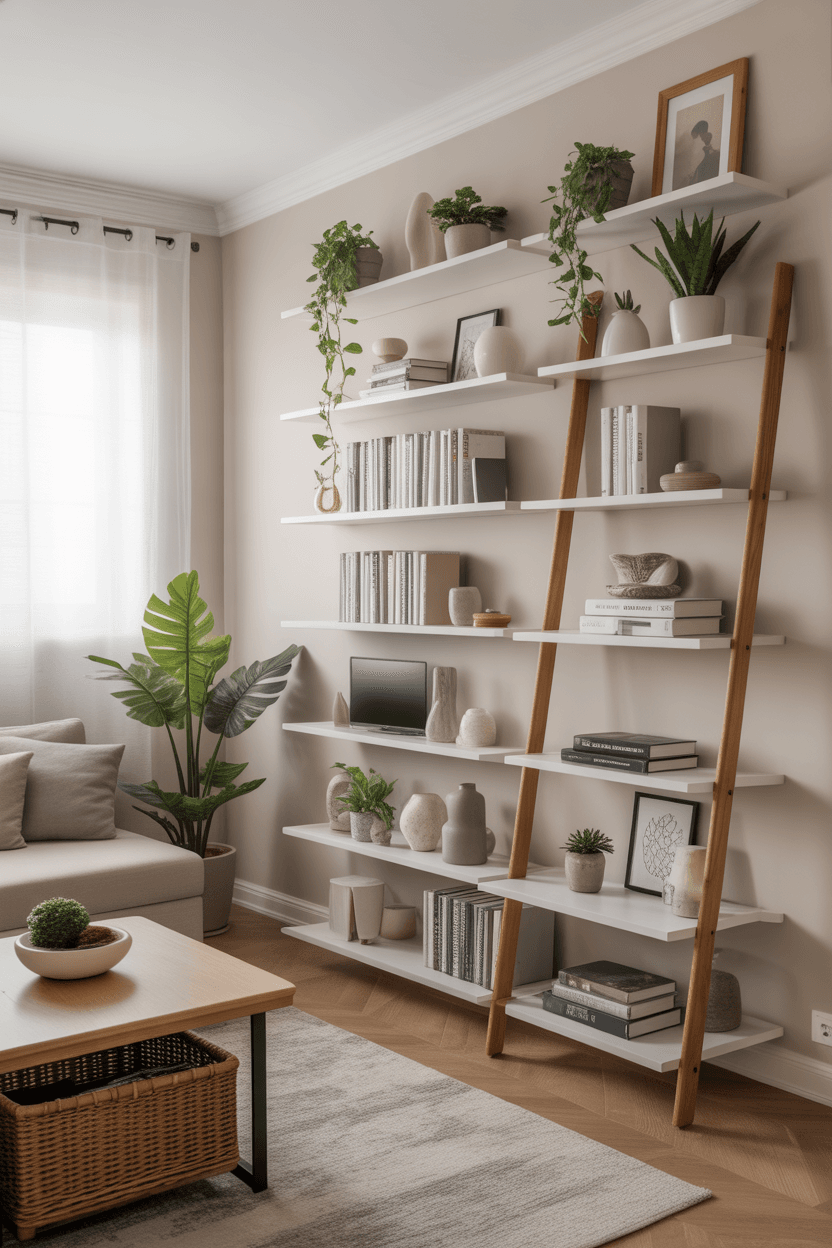
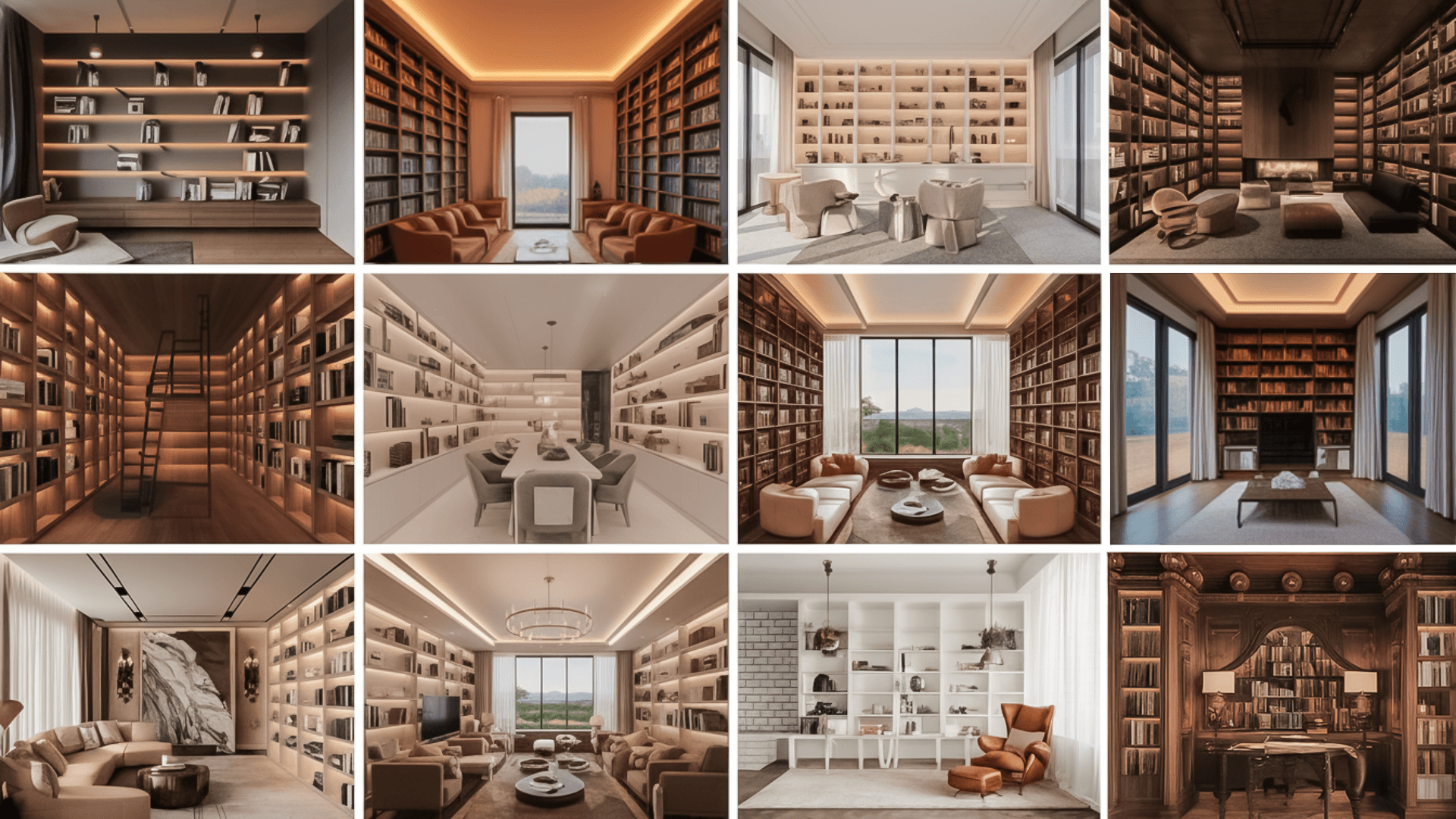
When space is limited, thinking upward is your best friend. Vertical wall storage, like floating shelves, ladder-style racks, and tall cabinets, frees up floor space while adding a stylish, organized look. This approach works wonders in living rooms, kitchens, or even bedrooms, giving you a spot to display books, plants, or decorative accents without cluttering surfaces.
Not only does vertical storage increase functionality, but it also draws the eye upward, making rooms feel taller. By choosing open shelving with uniform colors or natural wood, you can create a light, uncluttered atmosphere that suits modern and minimal styles.
Best For: Homes with limited floor space but high or average ceilings.
Pro Tip: Mix open and closed vertical storage to balance display items with hidden clutter.
2. Choose Multi-Functional Furniture
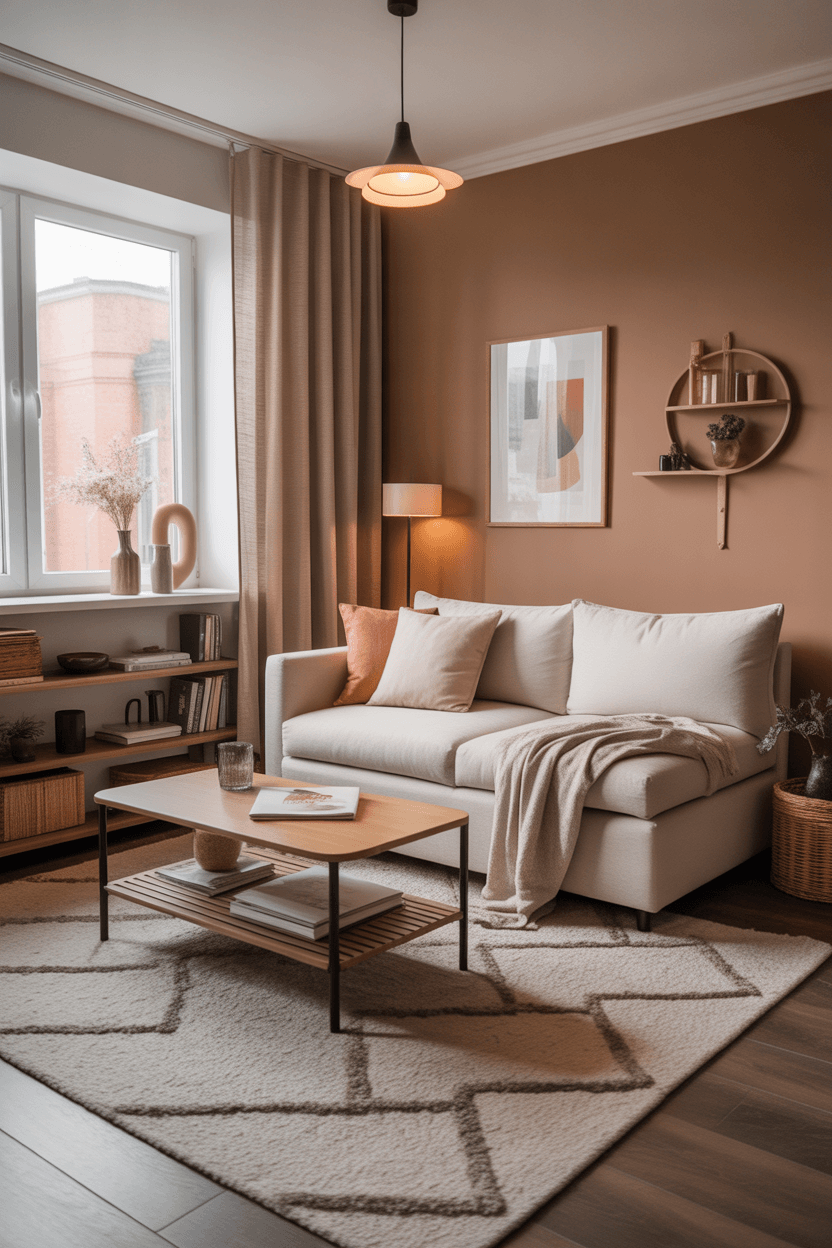
In a small home, every piece of furniture needs to earn its keep. Multi-functional pieces, like storage ottomans, sofa beds, or coffee tables with shelves, save space while serving more than one purpose. These clever designs help reduce the number of items in your room, instantly making it feel less cramped.
Opting for pieces that blend seamlessly into your decor also enhances the flow of your space. A sleek bench with hidden storage or a dining table that folds away when not in use can be both practical and chic, offering style without bulk.
Best For: Studio apartments, tiny houses, and multipurpose rooms.
Pro Tip: Invest in high-quality multi-functional pieces that are durable and match your long-term style.
3. Light and Neutral Color Palette
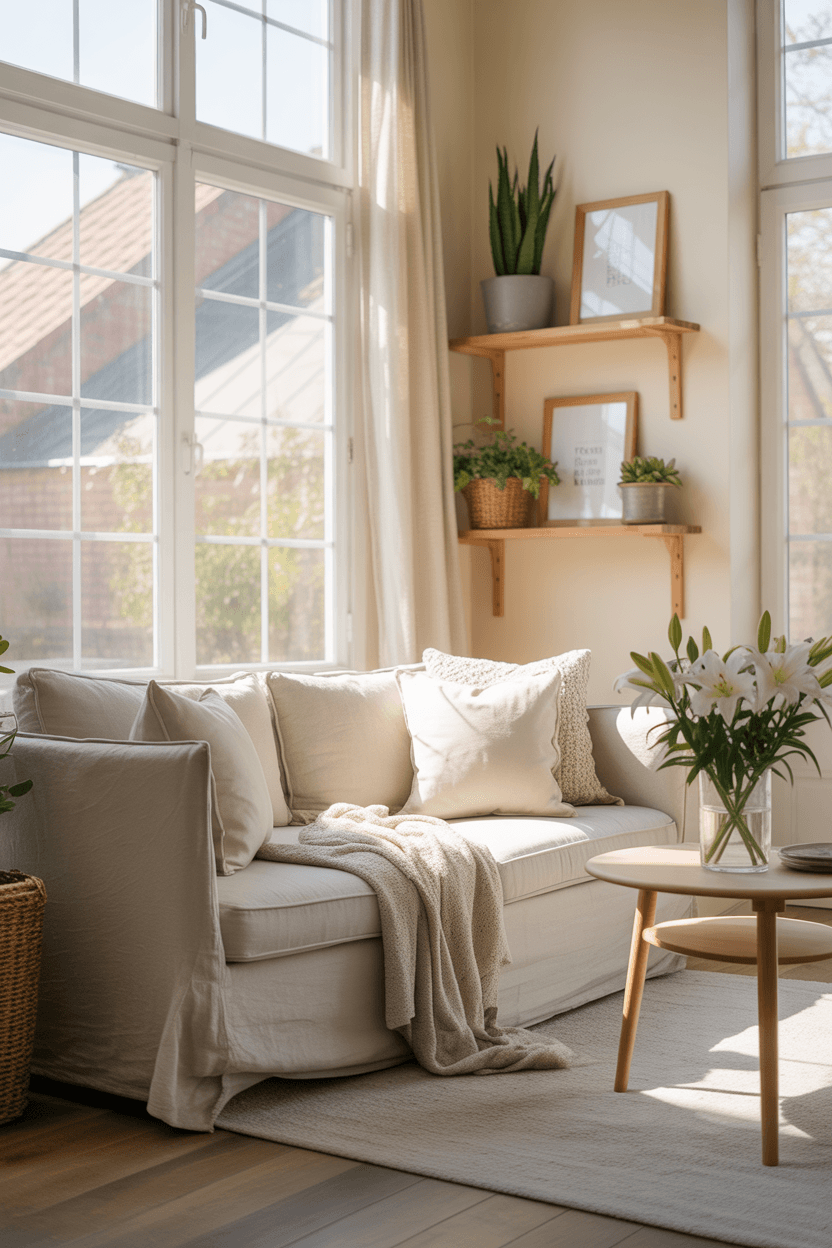
Light colors have a magical way of making rooms feel bigger and brighter. Soft whites, creams, light grays, and pale beiges reflect more light, creating an airy, open feel. Paired with natural sunlight, this palette instantly makes walls seem farther apart and ceilings appear higher.
Adding subtle warm undertones prevents the space from feeling cold or sterile. You can incorporate texture through rugs, cushions, and throws in complementary tones to add depth while keeping the color scheme cohesive.
Best For: Small rooms with limited natural light.
Pro Tip: Use a monochromatic scheme with varied textures to keep the look sophisticated yet inviting.
4. Mirrors to Multiply Light and Space
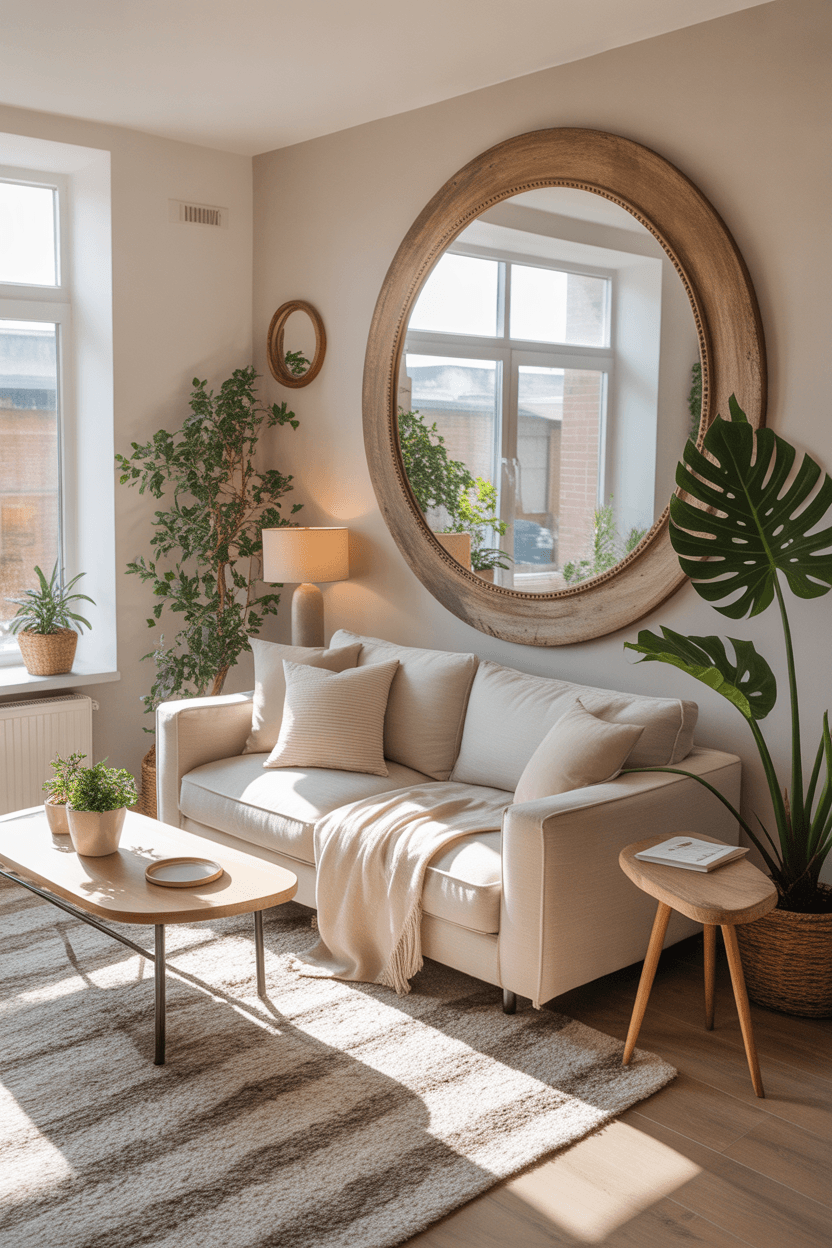
Mirrors are a tried-and-true trick for making small spaces appear larger. By reflecting light and creating the illusion of depth, they can double the perceived size of a room. A large statement mirror placed opposite a window can bounce natural light beautifully across the space.
For a more artistic touch, consider a gallery wall of mirrors in different shapes and frames. This not only enhances brightness but also adds personality and charm to your home’s design.
Best For: Compact living rooms, narrow hallways, or small bedrooms.
Pro Tip: Position mirrors to reflect windows, artwork, or open areas for maximum impact.
5. Sliding Doors Instead of Swing Doors
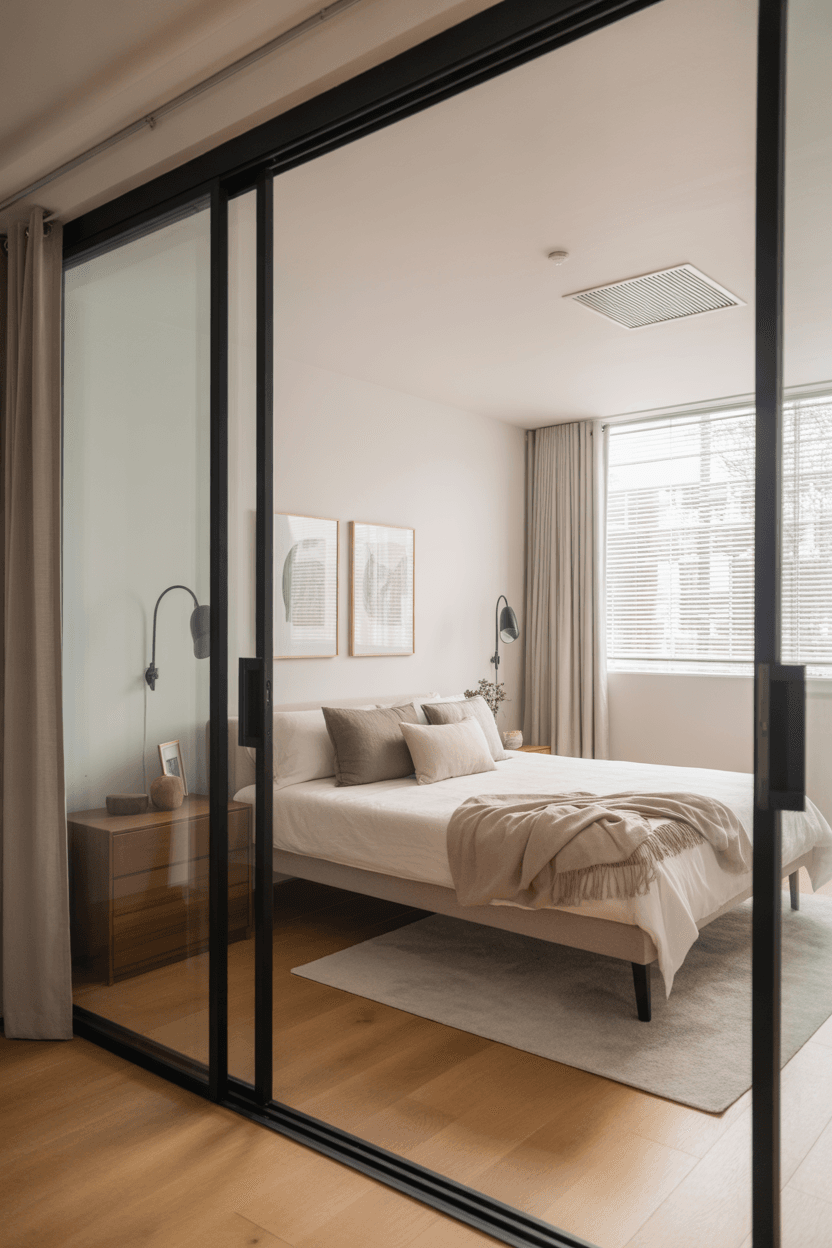
Traditional swing doors take up valuable floor space when opened, which can feel constraining in small rooms. Sliding doors—whether pocket, barn-style, or glass—eliminate that problem while adding a stylish design element. They work especially well for bathrooms, closets, and pantries.
Glass sliding doors can also create a seamless connection between rooms while maintaining privacy. If you want a rustic or modern touch, a barn door with matte black hardware adds both function and flair.
Best For: Homes where every inch of floor space matters.
Pro Tip: Opt for frosted or textured glass sliding doors to let light through while maintaining privacy.
6. Built-In Seating with Storage
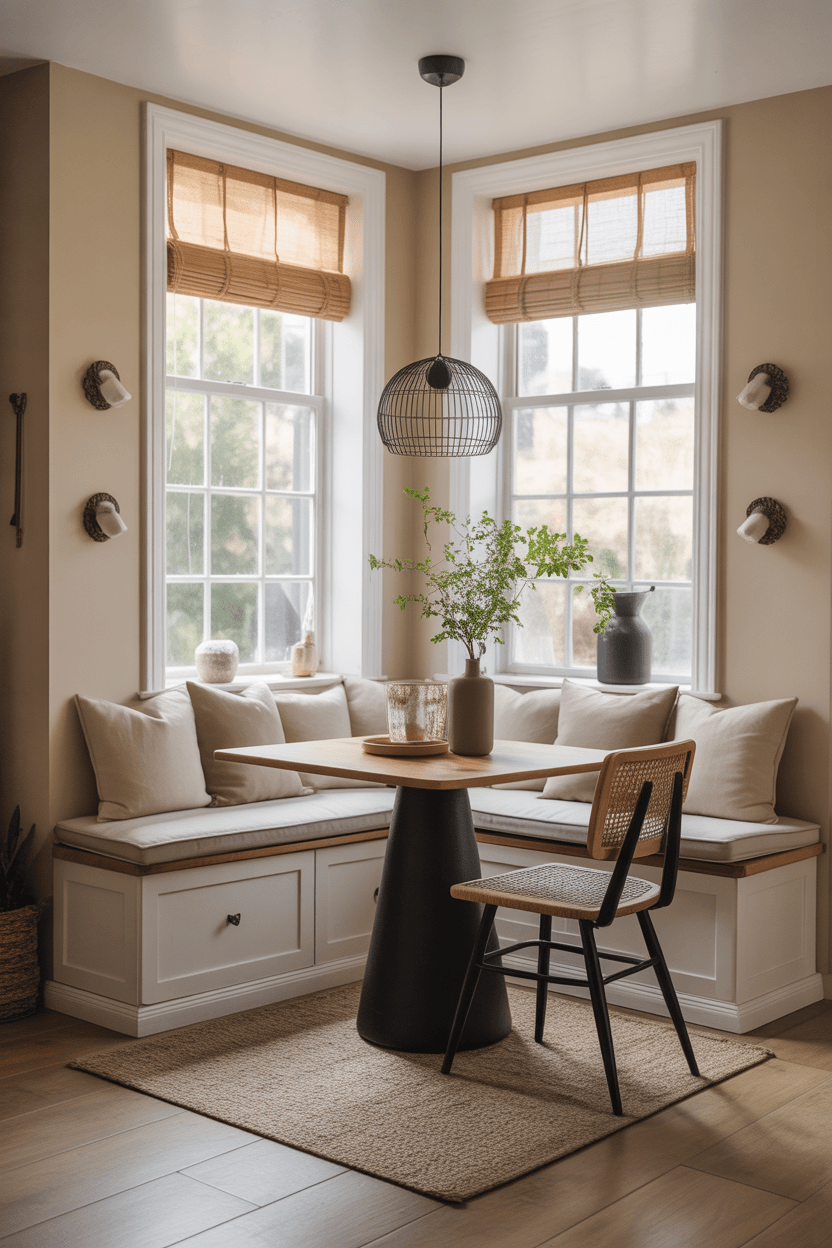
Built-in seating is a space-saving hero for small homes, especially when paired with hidden storage. A window bench, breakfast nook, or corner sofa with lift-up seats can hold blankets, books, or seasonal items while offering a cozy spot to sit. This design not only saves space but also adds a tailored, high-end look to your home.
Because built-ins are custom-fitted, they make the most of awkward corners or underused walls. Soft cushions, layered textiles, and decorative pillows can turn them into charming focal points that feel both inviting and practical.
Best For: Small dining areas, bay windows, or entryways.
Pro Tip: Use matching upholstery or cushions to tie built-in seating into your room’s overall color scheme.
7. Open Shelving in the Kitchen
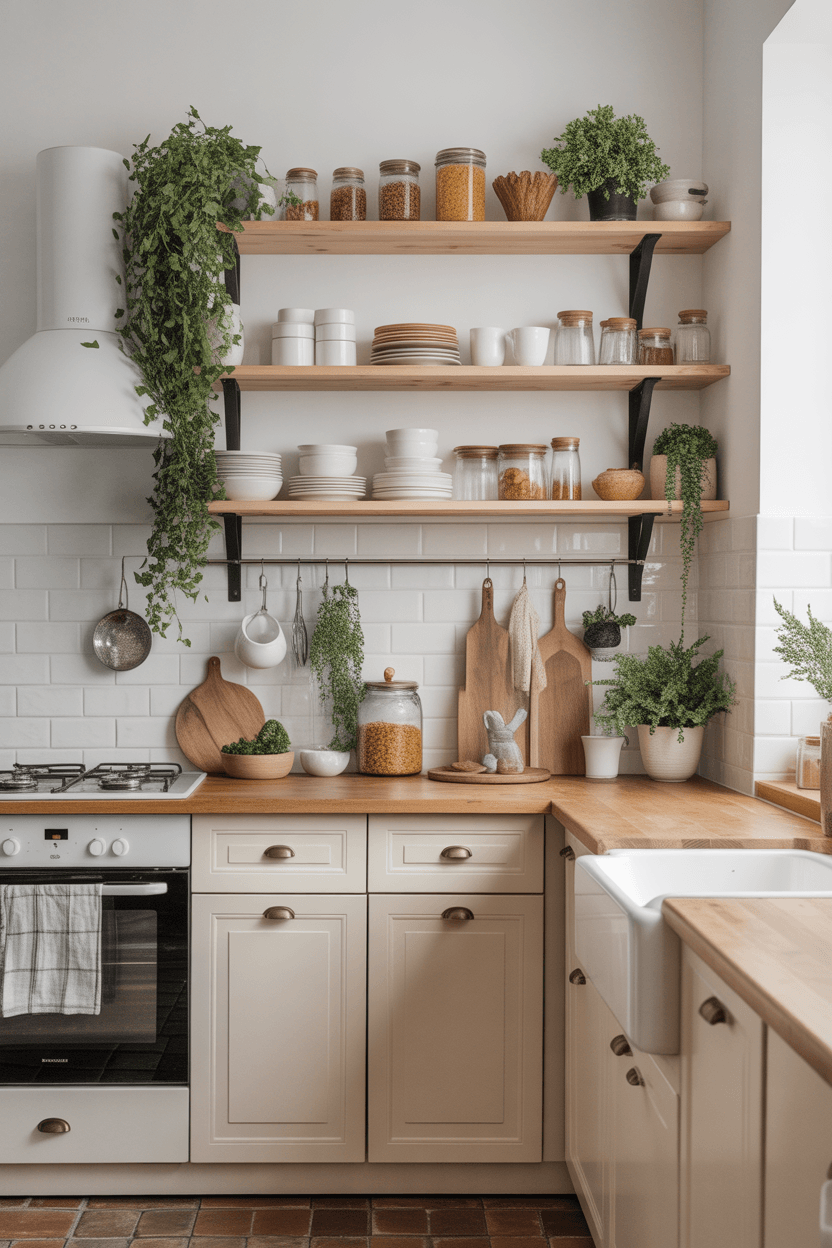
Open shelving is a smart and stylish way to store everyday kitchen essentials while keeping the space feeling open. Instead of bulky upper cabinets, sleek wooden or metal shelves give you easy access to dishes and create room for decorative displays. It’s an excellent solution for small kitchens that risk feeling boxed in.
The key to success with open shelving is organization and balance. Group similar items together, mix functional pieces with a few decorative touches, and keep the color palette cohesive for a clean, uncluttered look.
Best For: Compact kitchens that need both function and style.
Pro Tip: Use matching dishware or storage jars to make your shelves look intentional and visually pleasing.
8. Fold-Down Desks and Tables
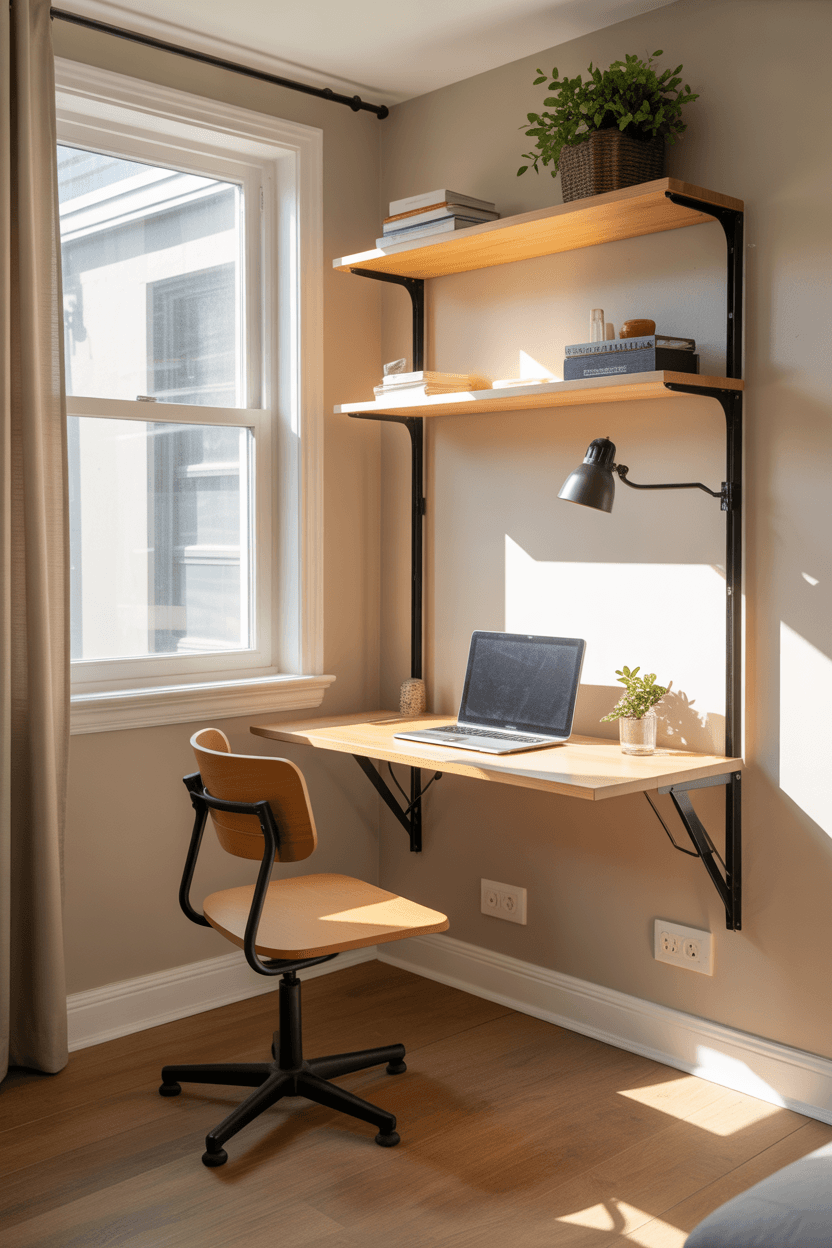
For small homes, fold-down furniture is like a magic trick—there when you need it, gone when you don’t. Wall-mounted desks, drop-leaf tables, and convertible consoles can serve as workspaces or dining spots without permanently occupying precious floor area.
These solutions are especially handy for multipurpose rooms or open layouts. Choose designs that blend with your wall color to make them less visually intrusive, keeping your space feeling open and airy even when folded up.
Best For: Home offices, small dining areas, and studio apartments.
Pro Tip: Install fold-down furniture near windows for natural light while working or dining.
9. Use Rugs to Define Zones
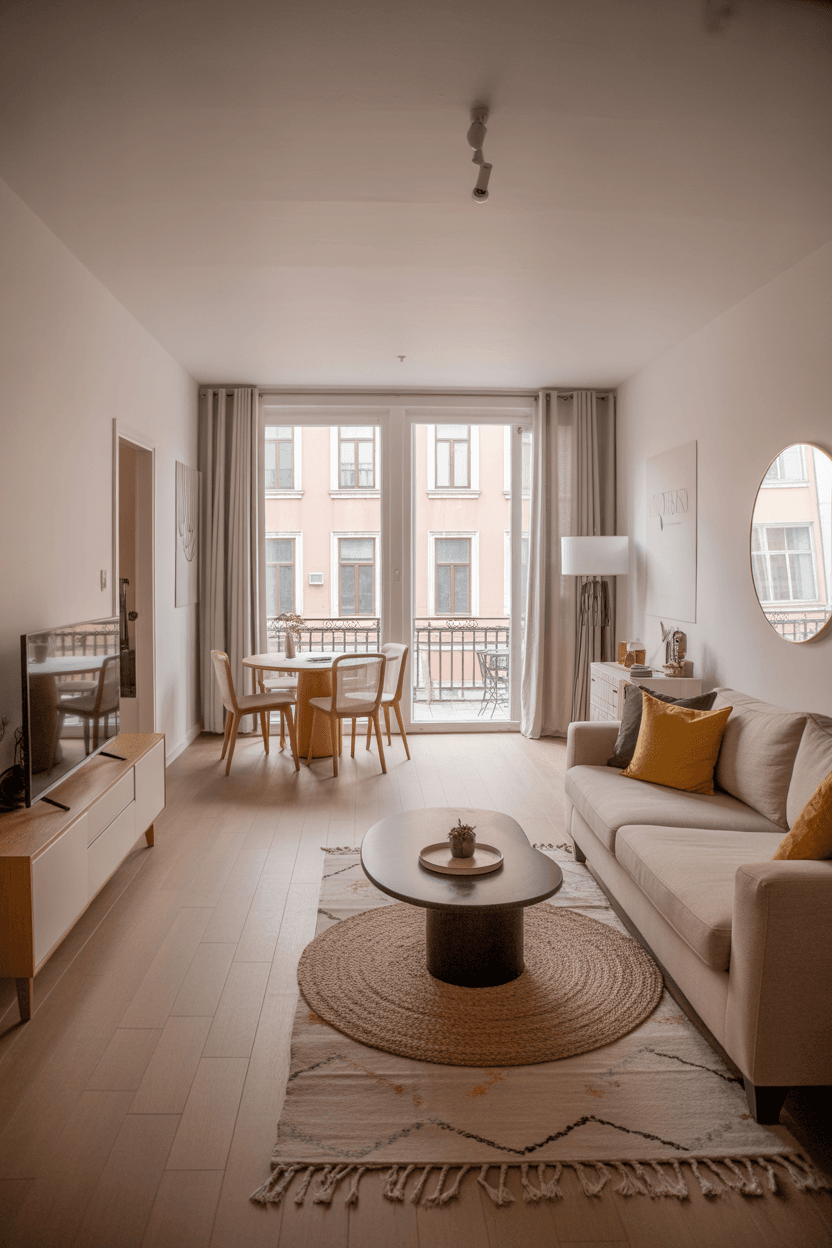
In small open-plan spaces, rugs can help create a sense of order and separation without physical walls. A soft area rug under your sofa defines the living room, while a smaller one beneath the dining table marks that area. This subtle zoning helps each space feel purposeful and organized.
By choosing rugs in coordinating colors or patterns, you can maintain flow while adding warmth and texture. Just be sure to select sizes that are proportionate to the area—too small, and they can make the space feel awkward.
Best For: Studio apartments and open-plan living areas.
Pro Tip: Layer rugs for added texture and depth without overpowering the space.
10. Glass or Lucite Furniture
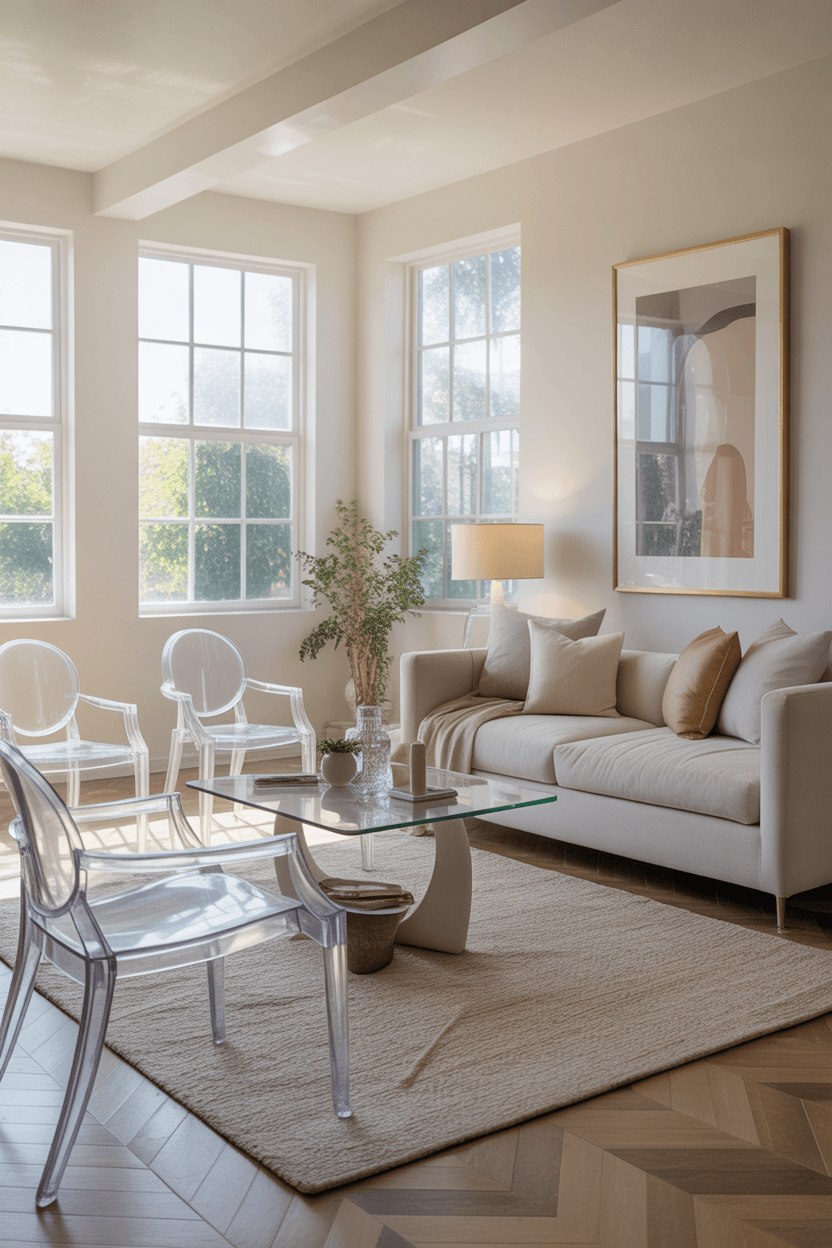
Transparent furniture creates the illusion of more space because it doesn’t visually block the room. Glass coffee tables, Lucite chairs, or acrylic consoles provide the same functionality as solid pieces but with an airy, unobtrusive feel. They’re especially effective in tight living or dining areas where you want to avoid a heavy, crowded look.
Pair transparent furniture with metallic or wood accents for balance. The light-reflective surfaces can also bounce sunlight, helping the room feel brighter and more open.
Best For: Small living rooms or dining spaces needing visual lightness.
Pro Tip: Choose high-quality tempered glass or sturdy acrylic for safety and longevity.
11. Floating Vanities in the Bathroom
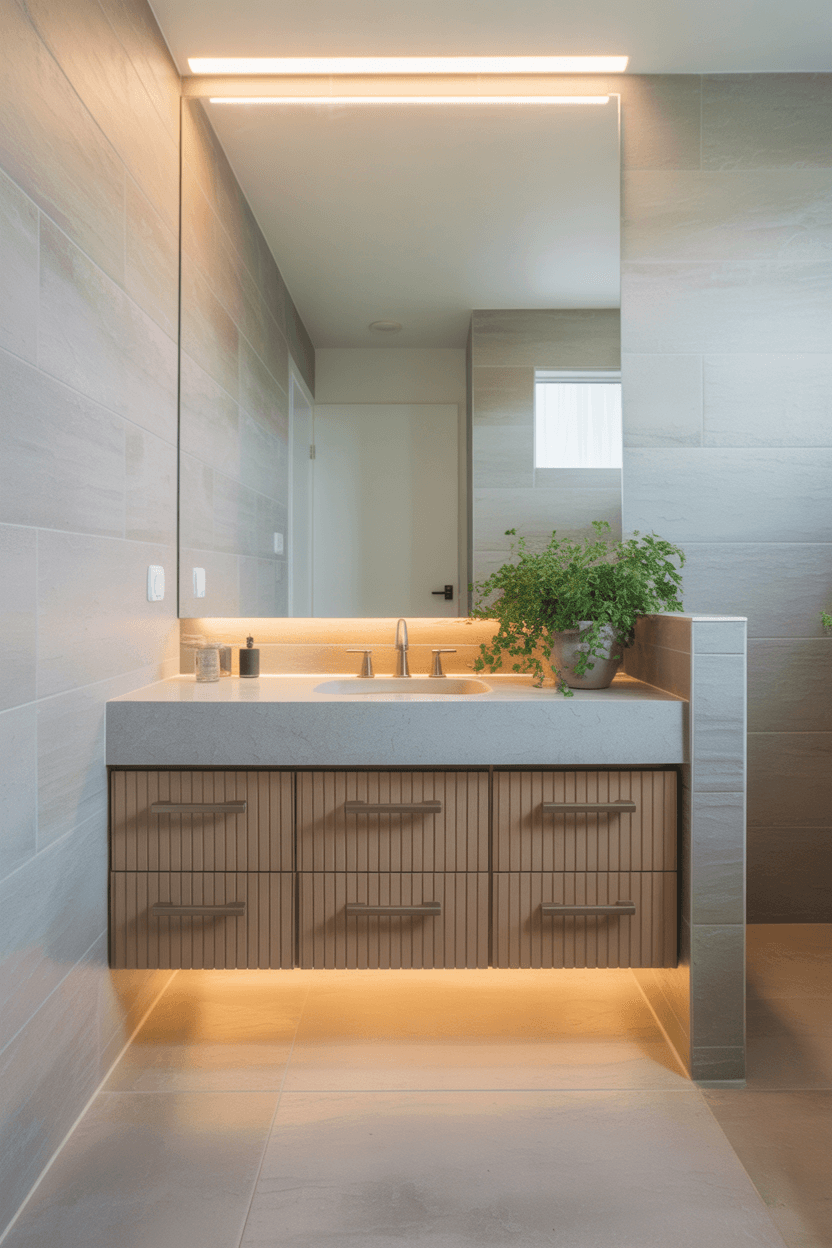
Floating vanities create the illusion of more floor space by leaving the area beneath open. This design makes bathrooms feel bigger, even in tight quarters, while offering a sleek, modern look. Pairing a floating vanity with under-cabinet lighting can add a soft glow and enhance the sense of openness.
Since the space under the vanity is exposed, you can also use stylish baskets for extra storage. This approach works especially well in small bathrooms where every inch matters and visual weight needs to be minimized.
Best For: Compact bathrooms or powder rooms.
Pro Tip: Match the vanity’s finish to your wall color for an even more seamless look.
12. Pocket Kitchens for Efficiency
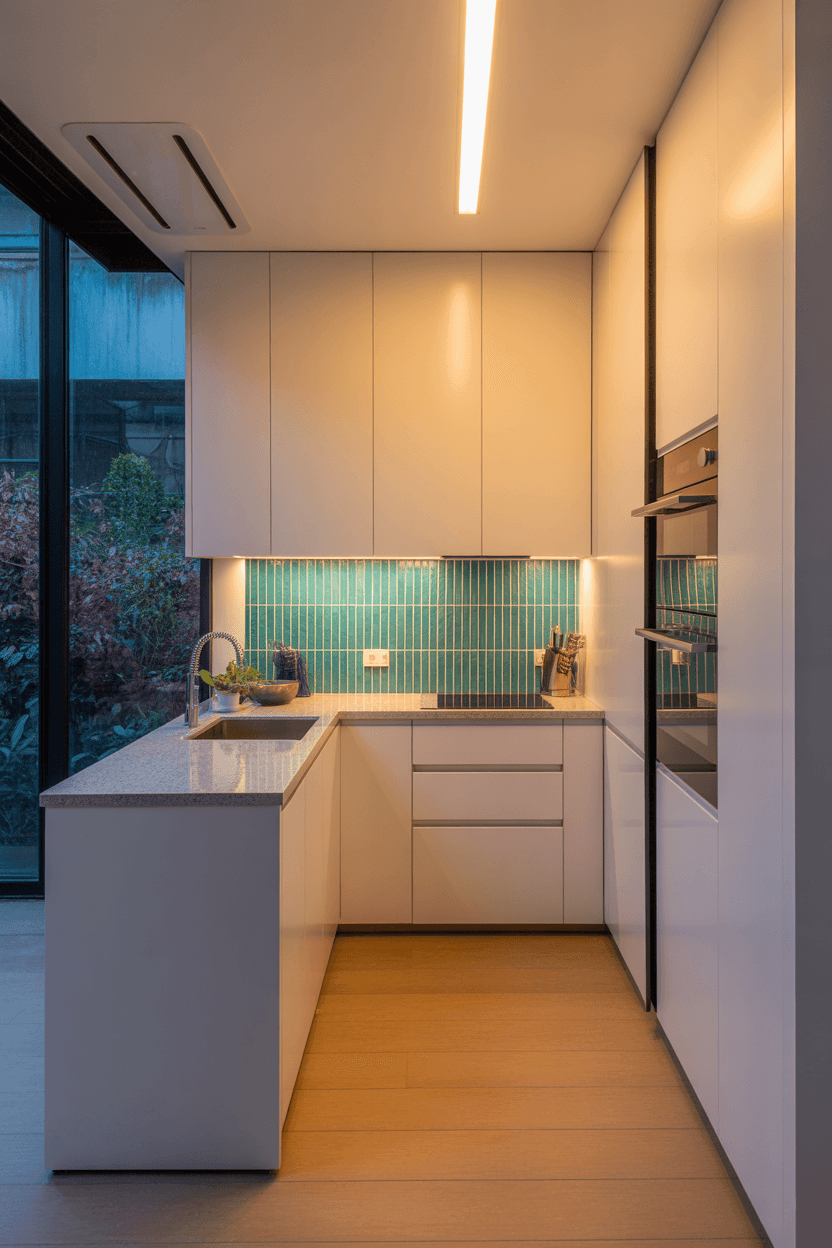
A pocket kitchen is a compact, highly organized cooking space that often features sliding or folding doors to conceal it when not in use. This setup is ideal for small apartments or open-plan living areas, allowing you to hide clutter instantly. Clever layouts maximize storage with pull-out drawers, wall racks, and narrow shelves.
The design keeps all essentials within arm’s reach, which makes cooking efficient and cleanup fast. Choosing a light color palette and integrated appliances can make the kitchen feel even less intrusive in the overall living space.
Best For: Studio apartments and open-concept homes.
Pro Tip: Use reflective backsplash materials to enhance light and make the kitchen feel more spacious.
13. Under-Stair Storage Solutions
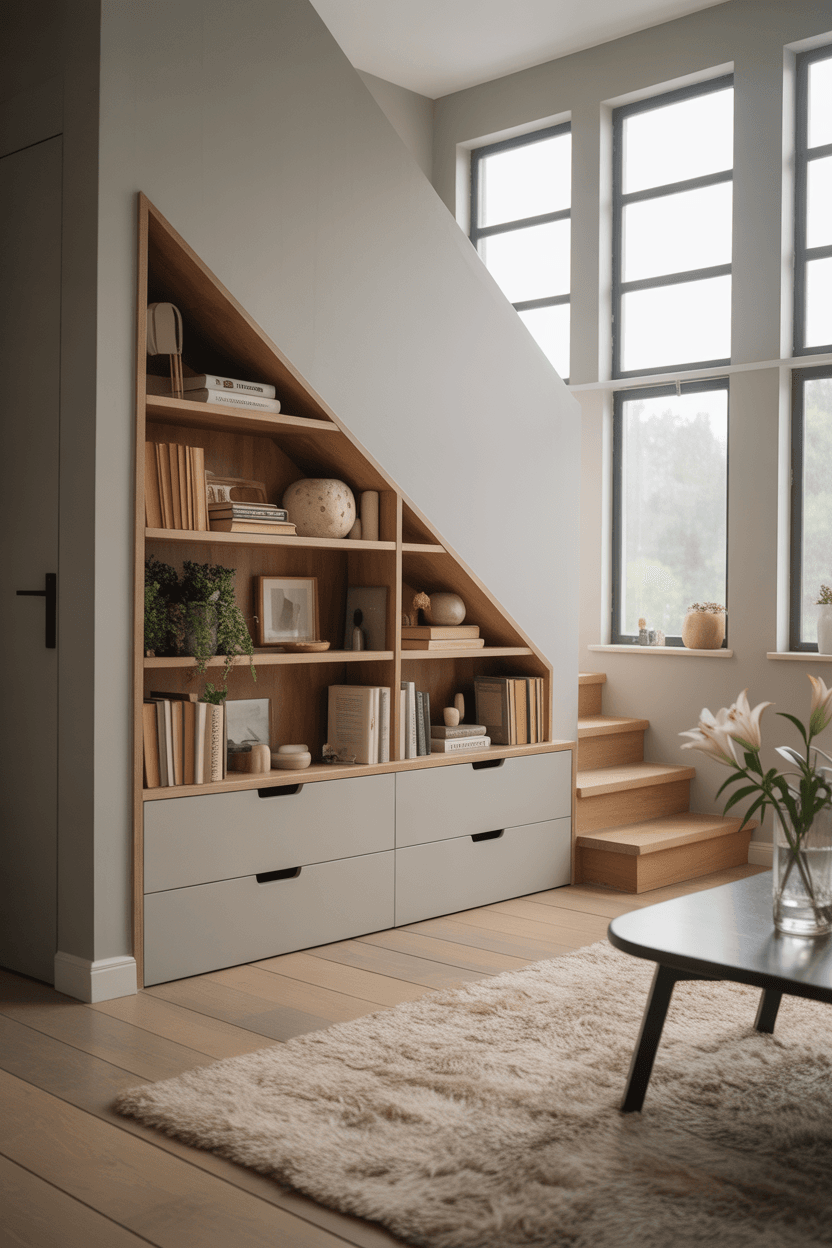
The space under stairs is often wasted, but with thoughtful design, it can become valuable storage or even a mini home office. Built-in drawers, cabinets, or open shelving can hold books, shoes, or seasonal décor. You can even add a compact desk setup for a functional work nook.
This approach blends form and function, turning an overlooked spot into one of the most efficient areas of your home. When designed with matching finishes, under-stair storage can look as intentional as it is practical.
Best For: Homes with stairs and limited closet space.
Pro Tip: Install lighting inside under-stair compartments for visibility and a polished look.
14. Minimalist Approach to Décor
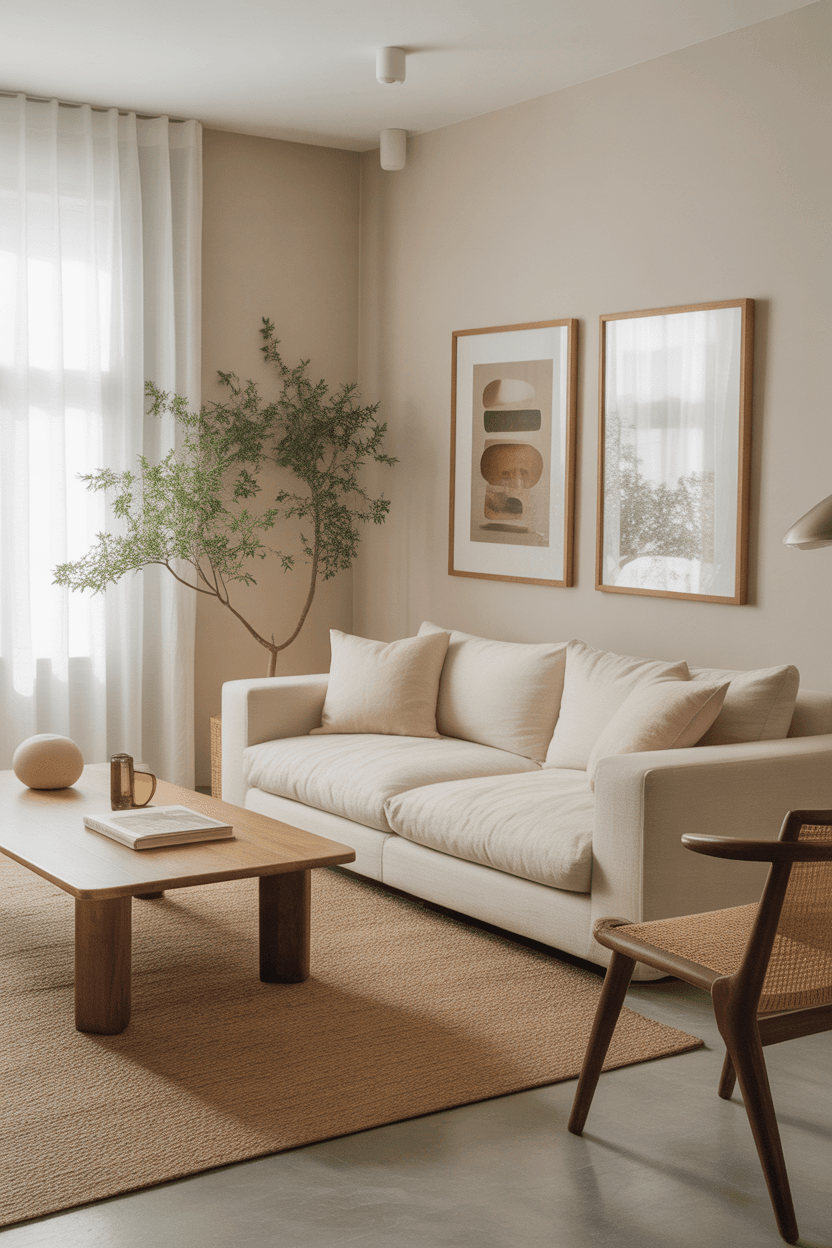
Less truly is more in small homes. A minimalist approach focuses on quality over quantity, using fewer pieces that still make a strong design impact. This keeps the space feeling uncluttered, airy, and serene.
Neutral tones, clean lines, and functional décor help prevent a cramped atmosphere. By allowing negative space around furniture and accessories, you create visual breathing room that makes the entire home feel larger.
Best For: Any small home where clutter tends to build up.
Pro Tip: Regularly edit your décor and furniture to ensure every item still serves a purpose or sparks joy.
15. Loft Beds for Vertical Living
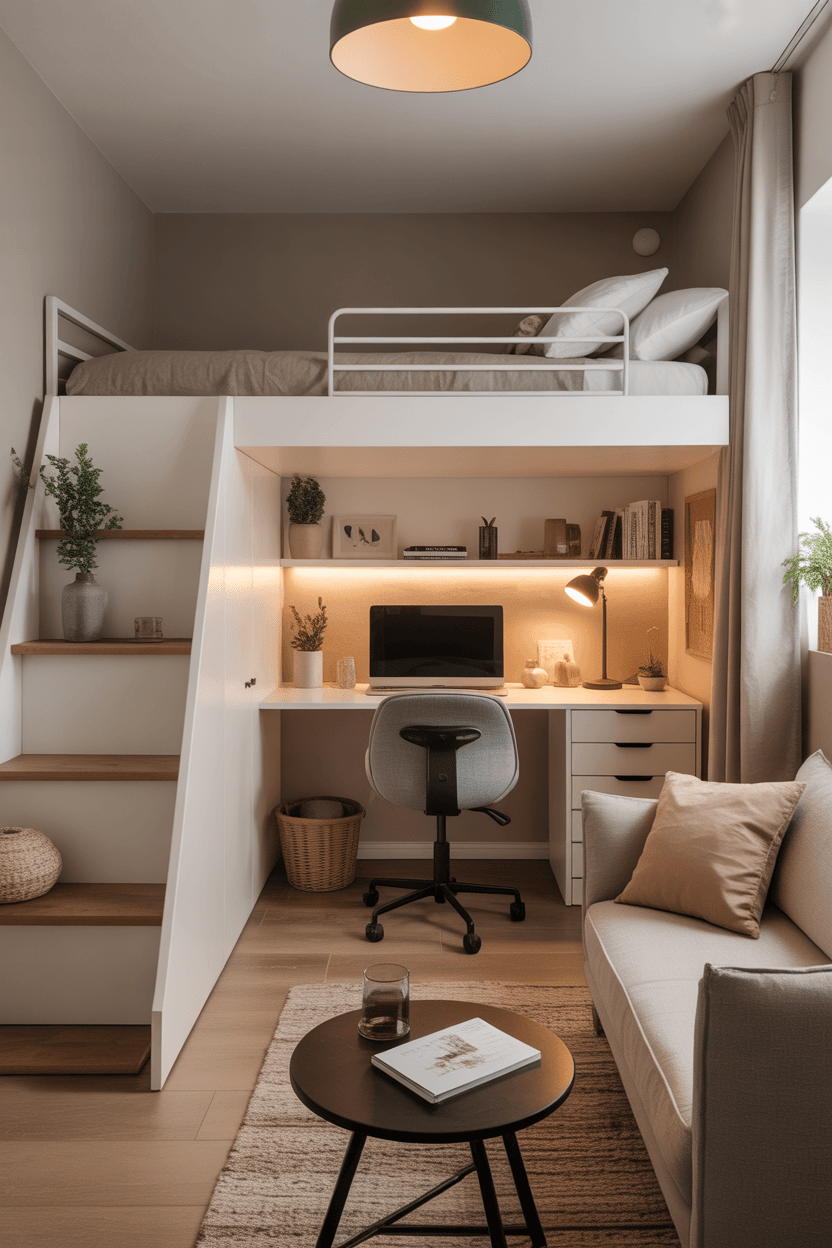
Loft beds take advantage of unused vertical space, freeing up the floor beneath for a desk, sofa, or storage. They’re especially useful in studio apartments or children’s rooms where space is at a premium. This setup maximizes function without expanding your home’s footprint.
Design-wise, loft beds can be tailored to suit your style—wood for a warm, rustic vibe, or metal for a modern industrial look. Paired with good lighting, they can transform a cramped room into a flexible, multi-functional area.
Best For: Small bedrooms or shared spaces.
Pro Tip: Add built-in shelving or a wardrobe beneath the loft bed to further increase storage potential.
16. Light-Filtering Window Treatments
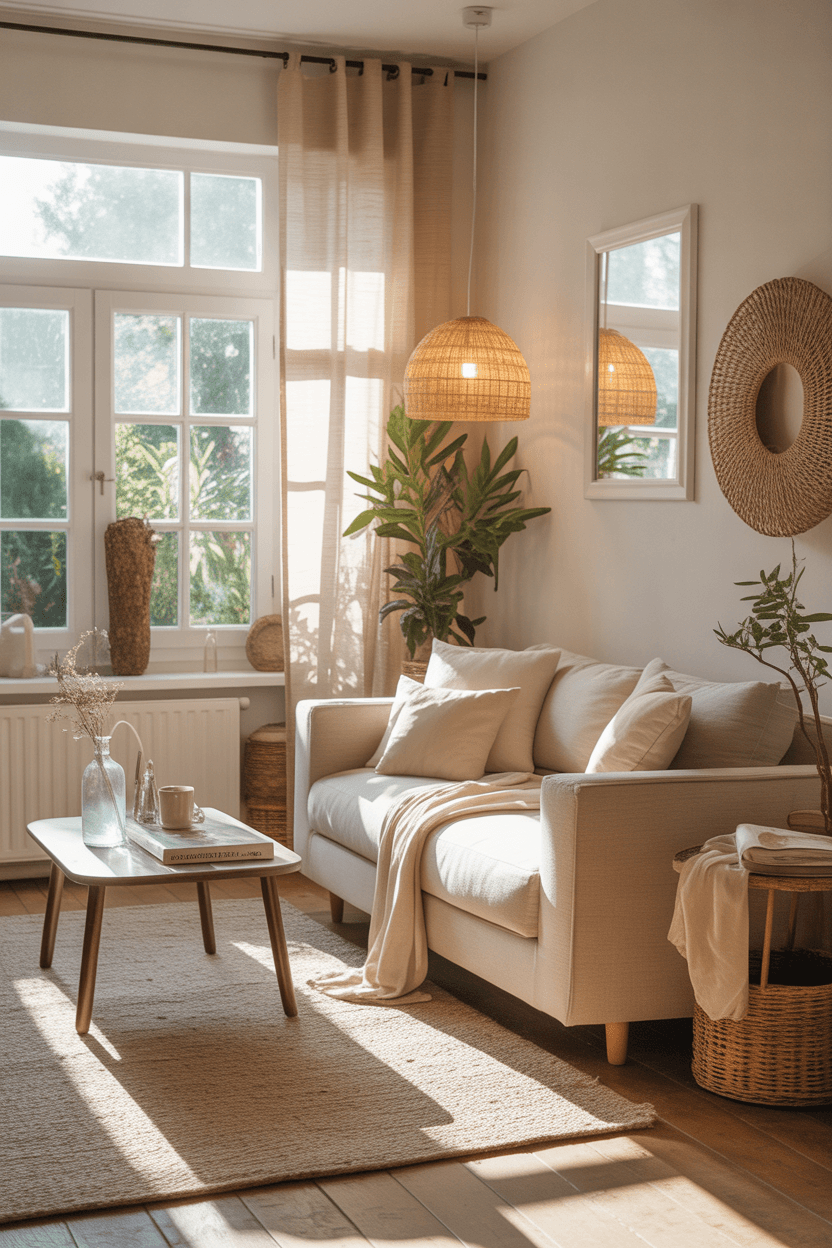
Heavy curtains can make a small room feel closed in, while light-filtering window treatments allow natural light to fill the space without sacrificing privacy. Sheer curtains, linen drapes, or bamboo shades soften sunlight, creating a bright and airy feel. Natural light not only enhances your décor but also makes the room appear larger.
Layering sheer curtains with lightweight blackout panels offers flexibility—you can enjoy brightness during the day and full privacy at night. This combination keeps the atmosphere open while providing practical control over lighting.
Best For: Small living rooms, bedrooms, or home offices.
Pro Tip: Mount curtain rods higher and wider than the window frame to give the illusion of taller, broader windows.
17. Compact Modular Furniture
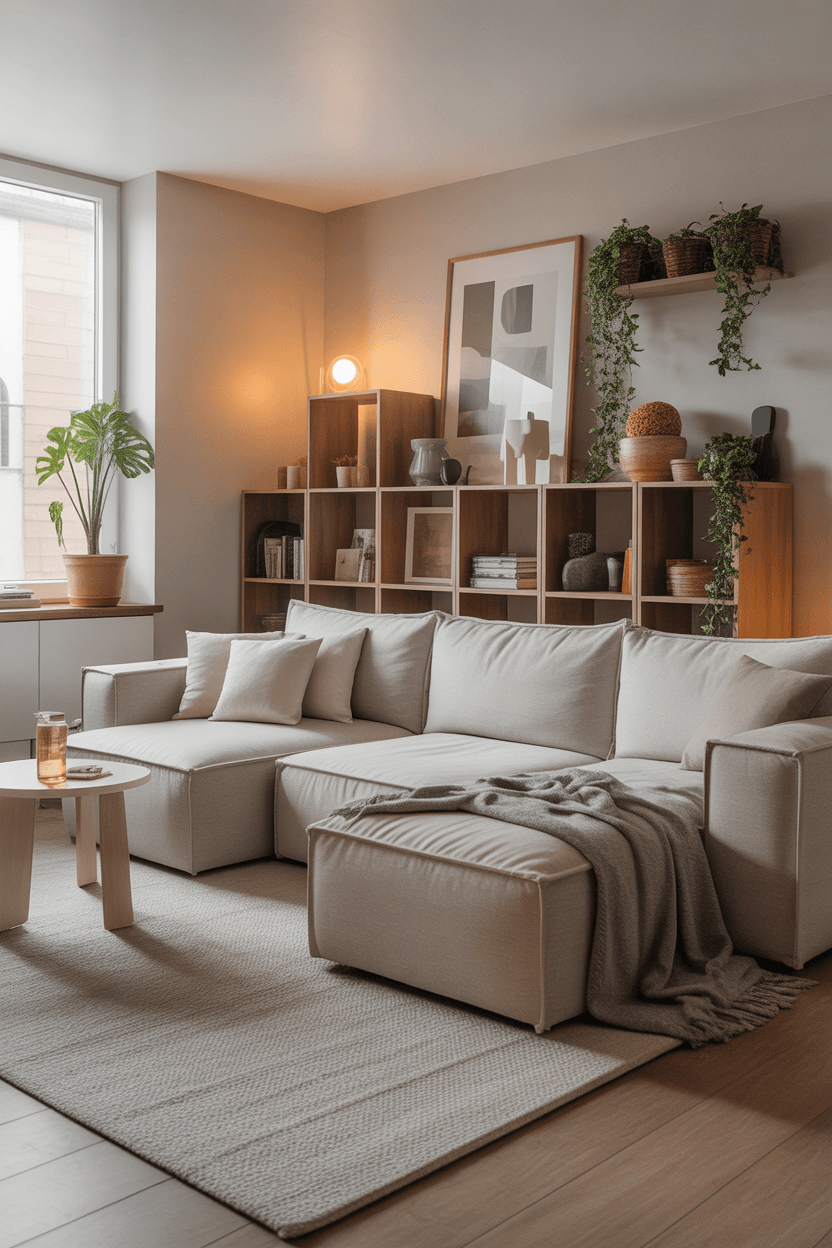
Modular furniture is a game-changer for small spaces because it adapts to your changing needs. Whether it’s a sectional sofa that can be rearranged or cube storage units that stack in different configurations, these pieces allow you to customize layouts without committing to one arrangement.
In small homes, flexibility is key. Modular furniture lets you reconfigure your space for hosting guests, working from home, or relaxing—all without buying new pieces. Choosing designs with clean lines and neutral tones helps keep the look cohesive.
Best For: Versatile living rooms or multi-use spaces.
Pro Tip: Invest in modular furniture with hidden storage compartments for double-duty functionality.
18. Statement Lighting Fixtures
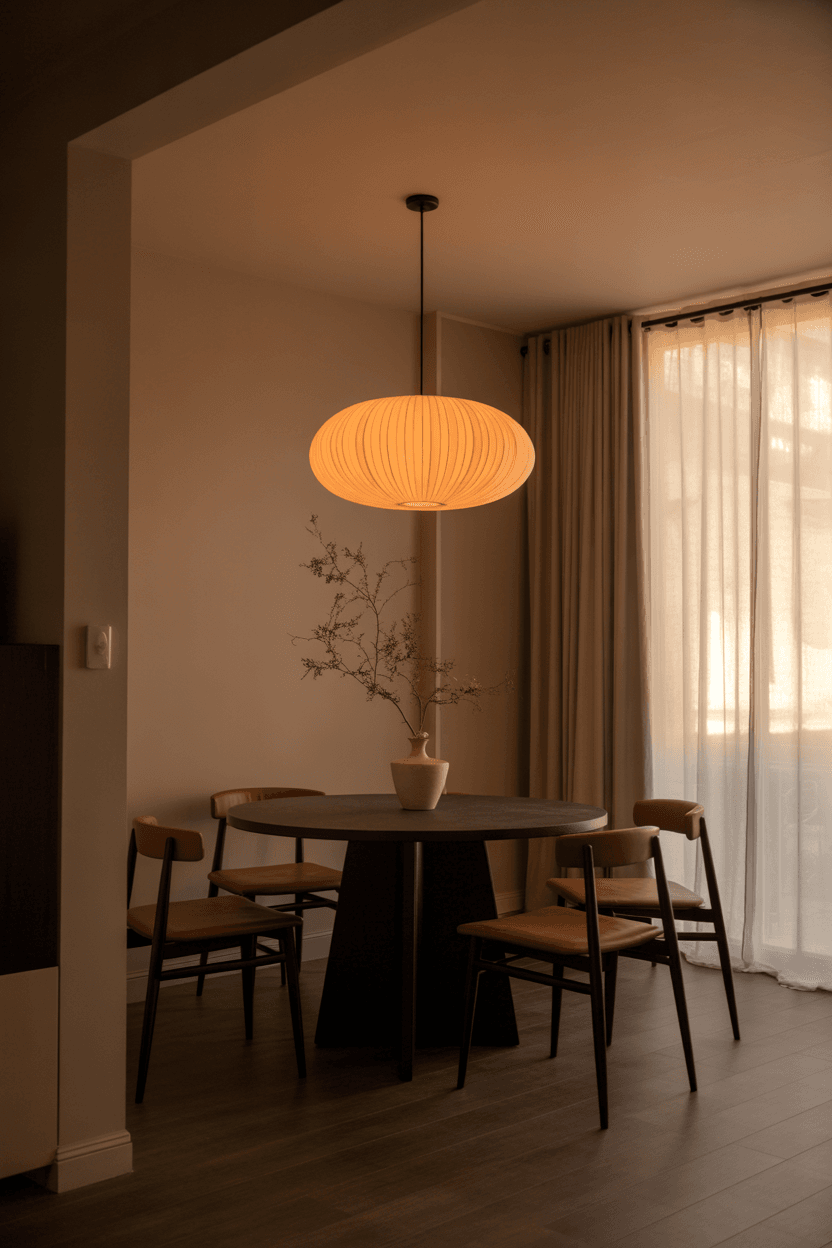
Lighting can be a focal point and space-enhancer in one. A bold pendant, sculptural chandelier, or sleek track lighting draws the eye upward, giving the room vertical interest and helping it feel less confined. Good lighting also ensures every corner is visible, which naturally expands the perceived space.
In small rooms, avoid oversized fixtures that overwhelm the area—choose designs that are impactful yet proportionate. Warm light bulbs create a cozy atmosphere, while adjustable fixtures allow you to change the mood as needed.
Best For: Small dining rooms, entryways, or living spaces.
Pro Tip: Use dimmers to adjust brightness and create ambiance without sacrificing functionality.
19. Wall-Mounted Entertainment Centers
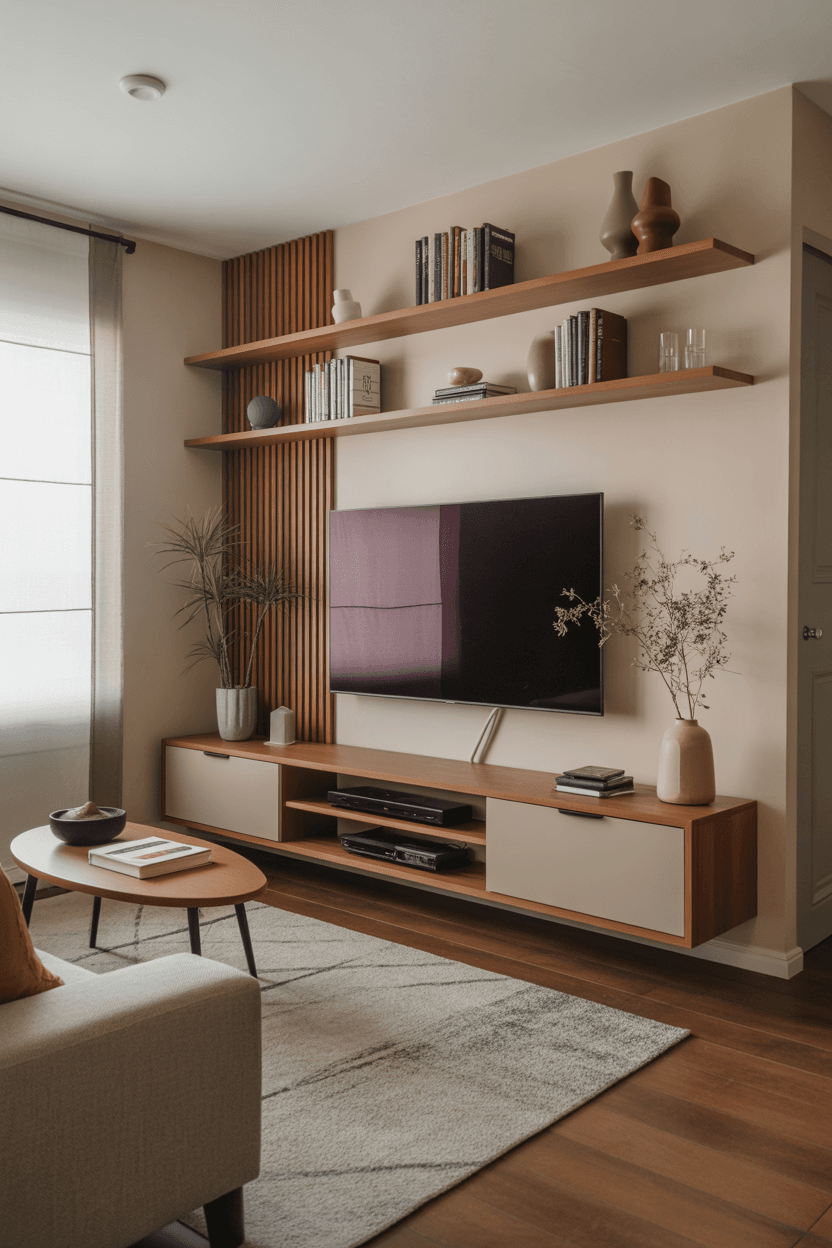
Instead of bulky TV stands or cabinets, wall-mounted entertainment units free up floor space and keep the look sleek. Floating shelves or slim panels can house your media devices while maintaining an uncluttered feel. This design also makes cleaning easier since the floor beneath remains open.
You can pair the TV wall with subtle accent lighting or decorative wall panels for a more stylish finish. Keeping cables hidden further enhances the clean, streamlined look, making the room feel polished and spacious.
Best For: Small living rooms or bedrooms with limited wall space.
Pro Tip: Choose a mount with an adjustable arm so you can position the TV for optimal viewing angles.
20. Consistent Flooring Throughout the Home
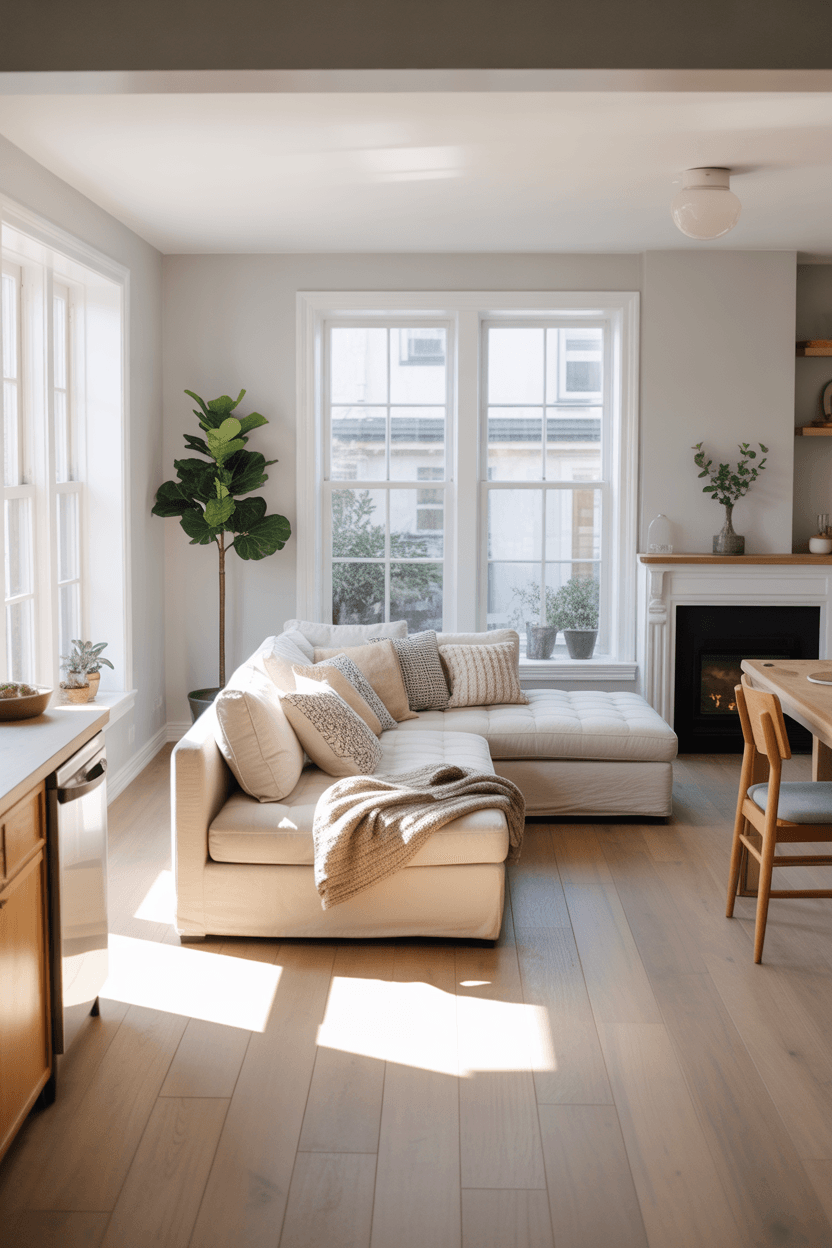
Changing flooring between rooms can visually break up a small home, making it feel even smaller. Using the same flooring throughout—whether it’s hardwood, laminate, or tile—creates a continuous, unbroken flow that expands the perception of space.
This design choice also enhances cohesion, making your home feel harmonious from one room to the next. If you prefer area rugs for comfort or style, keep them in complementary tones to maintain that sense of unity.
Best For: Open-plan layouts or compact homes with multiple connected rooms.
Pro Tip: Choose light to medium tones for flooring to maximize the sense of openness.
Final Thoughts
Designing a small home is less about limiting yourself and more about making the most of every detail. With smart layouts, thoughtful storage solutions, and the right visual tricks, even the tiniest space can feel expansive, stylish, and uniquely yours. The beauty of small-space living is that it encourages creativity—you’re not just decorating, you’re designing a lifestyle that fits you perfectly.
By combining functionality with personality, you can create a home that’s not only efficient but also warm and welcoming. Try a few of these 20 Brilliant Small Home Interior Design Ideas for Space & Style, mix and match what works for your needs, and watch how your home transforms into a space that’s both beautiful and brilliantly practical.
Love these ideas? Save this guide from Trendy Decor Guide to your Pinterest boards for daily home inspiration, and start transforming your small space into a stunning, functional retreat today!