25 Kids Playroom Design Ideas That Spark Imagination and Fun
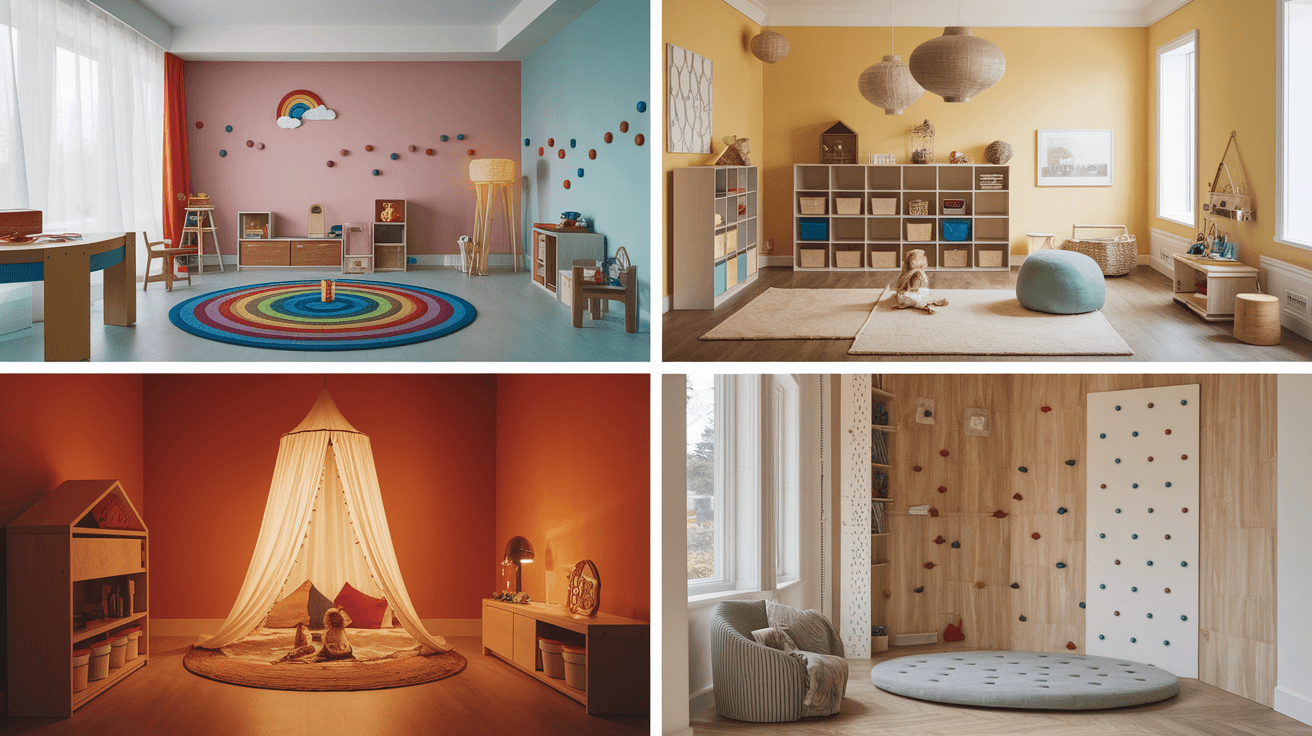
A kids’ playroom is more than just a space filled with toys—it’s a world where creativity blooms, imaginations run wild, and laughter echoes through every corner. The right design can transform an ordinary room into a magical haven that grows with your child’s needs, keeping them inspired, active, and happy.
In this blog on 25 Kids Playroom Design Ideas, we’ll explore creative, practical, and stylish ways to design a space that blends fun with functionality. From storage hacks to themed adventures, you’ll find inspiring ideas that make playtime more meaningful while keeping your home beautifully organized.
1. Bright and Colorful Playroom
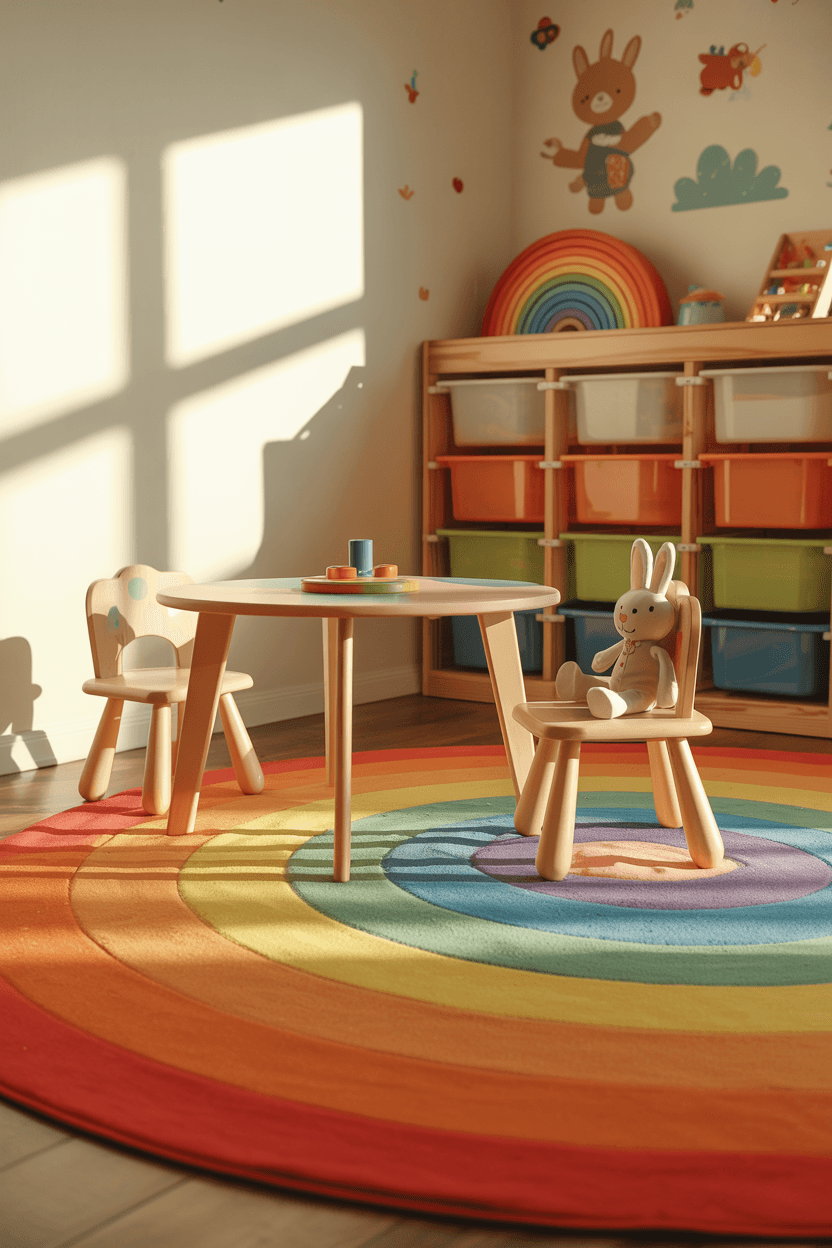
A burst of vibrant colors brings life and excitement to any kids’ playroom. From rainbow rugs to bold wall decals, a colorful theme instantly makes the space inviting and fun. Bright tones not only create an energetic vibe but also stimulate imagination and creativity, giving kids a joyful environment to play in.
Adding color doesn’t mean chaos—balance bold accents with neutral walls or simple furniture to keep the room harmonious. With carefully chosen shades, you can create a space that feels cheerful without being overwhelming, making it a happy retreat for your child.
Best For: Families who want a lively and playful atmosphere for kids.
Pro Tip: Use peel-and-stick wall decals to easily update the look as your child grows.
2. Montessori-Inspired Play Space
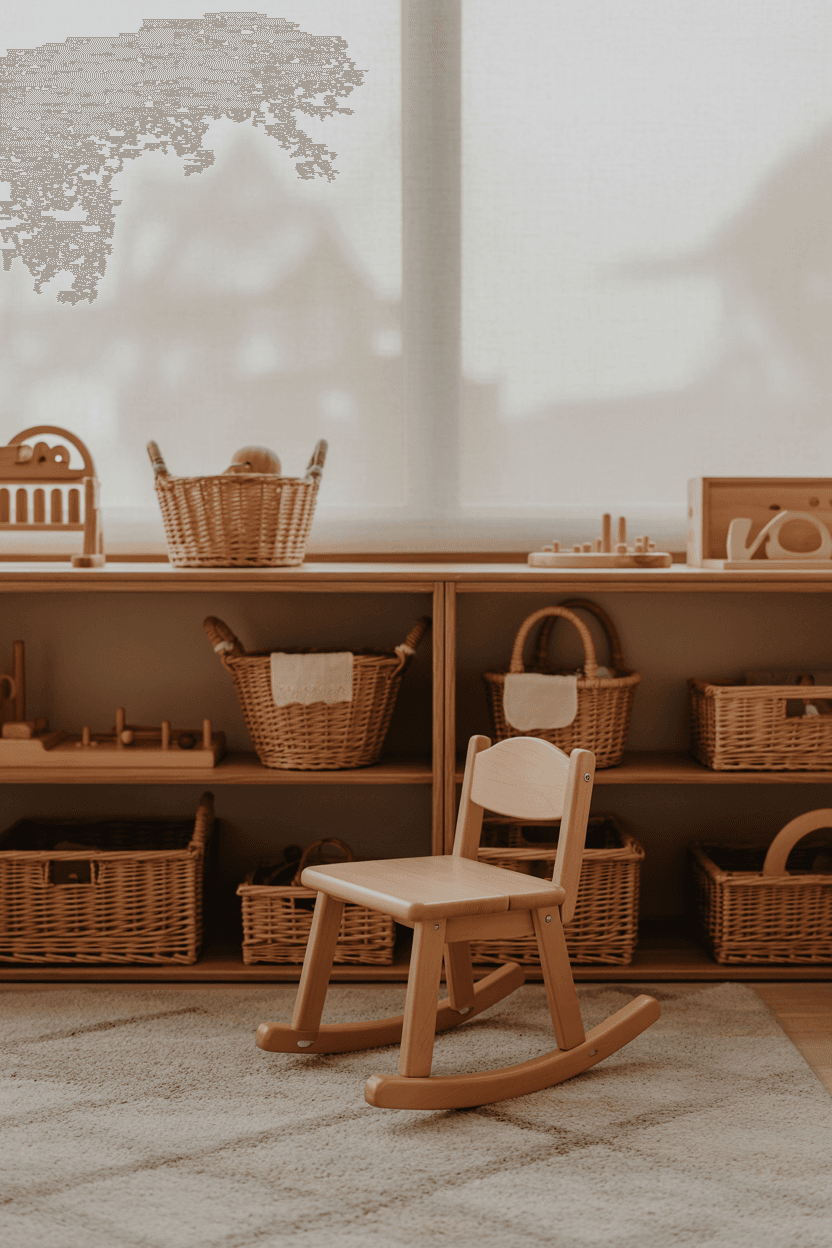
A Montessori-style playroom focuses on independence, learning, and calm simplicity. Low shelves, accessible baskets, and minimal toy choices allow kids to make their own decisions and engage more deeply with what’s available. The environment feels inviting and encourages thoughtful, imaginative play.
Natural wood furniture, neutral tones, and soft textures create a soothing backdrop that fosters concentration. By rotating toys regularly, the playroom stays fresh and uncluttered, giving kids the chance to fully explore their environment in a mindful way.
Best For: Parents who prefer educational play and clutter-free design.
Pro Tip: Keep a rotation system with 5–7 toys available at a time to promote focus and independence.
3. Cozy Reading Corner
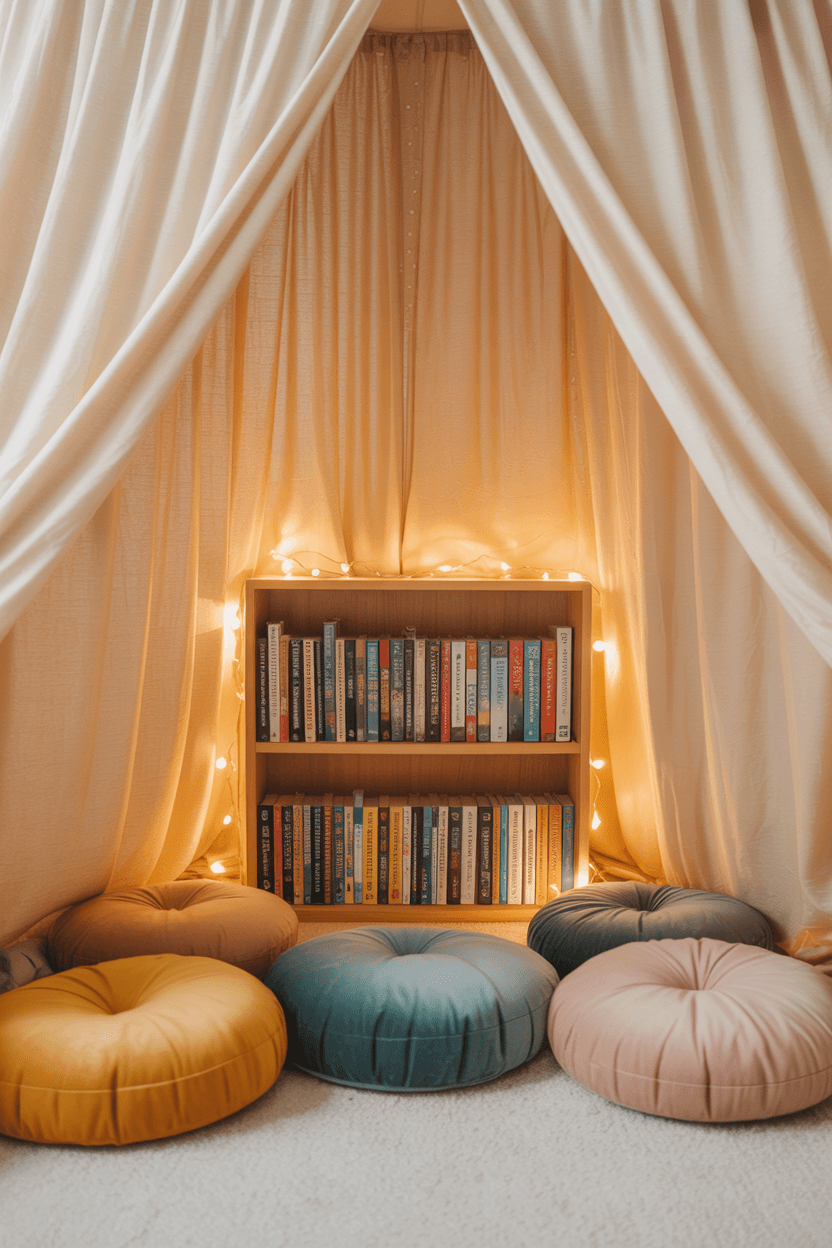
A reading nook is a must-have for any kids’ playroom, offering a quiet retreat where little ones can escape into their favorite stories. Add a small bookshelf, soft cushions, and a playful canopy to make it feel like a special hideaway. This cozy setup encourages early literacy while giving kids a calm space of their own.
To make the corner magical, decorate with twinkle lights, wall art, or themed decor. It not only sparks a love for reading but also adds warmth and charm to the playroom. Over time, it becomes a cherished spot for bonding, storytelling, and imagination.
Best For: Kids who enjoy books and parents who want to inspire daily reading.
Pro Tip: Display books with their covers facing out to make them more appealing and accessible.
4. Indoor Climbing Wall
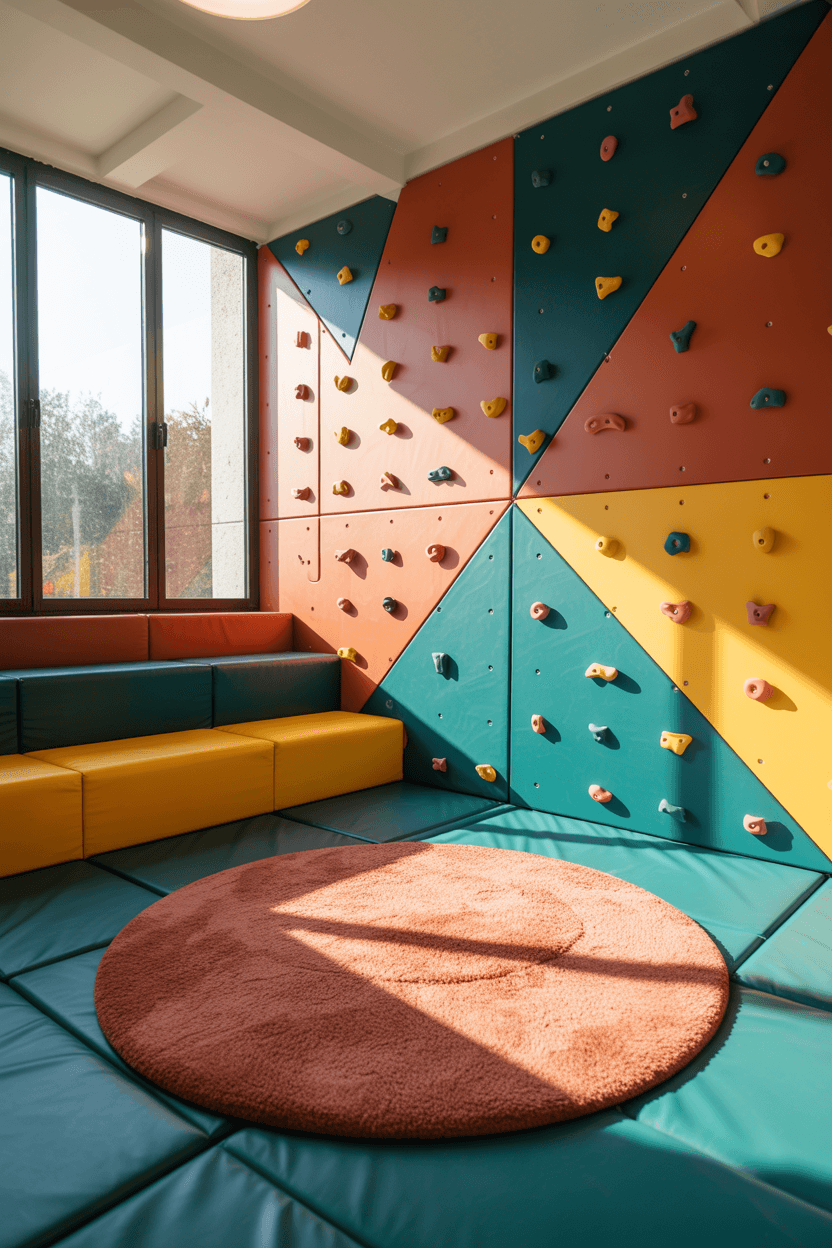
For active kids, an indoor climbing wall turns playtime into an adventure. With colorful grips and padded flooring, it provides a safe way to climb, explore, and build strength. This feature adds excitement and keeps children engaged even when the weather keeps them indoors.
Climbing walls can be customized in size and difficulty, making them perfect for kids of different ages. Pair it with a slide or rope ladder to create a mini adventure zone right at home. Not only is it fun, but it also encourages physical development and confidence.
Best For: Energetic kids who love adventure and movement.
Pro Tip: Always install soft mats underneath for safety and adjust wall difficulty as your child grows.
5. Themed Playroom Design
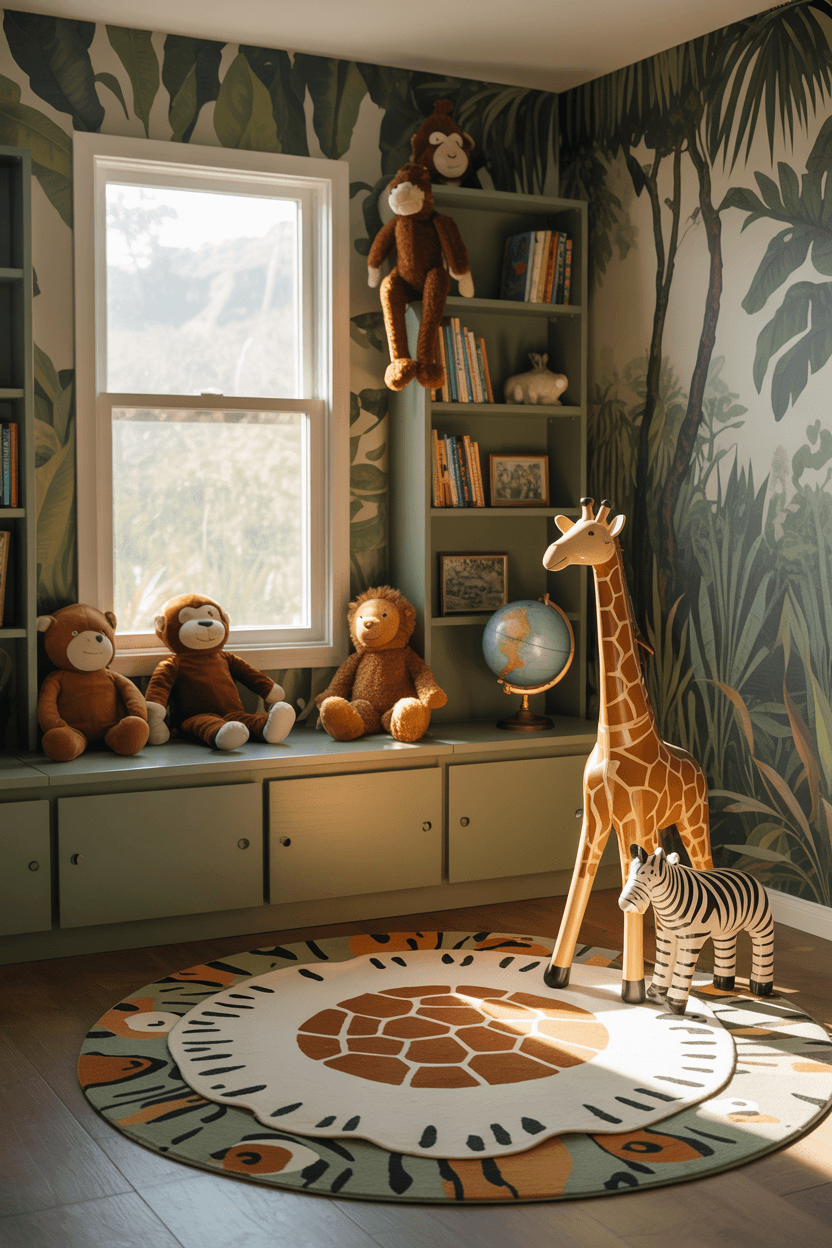
A themed playroom transforms the space into a world of imagination, whether it’s a jungle safari, space galaxy, or under-the-sea adventure. Themes add character and make kids feel like they’ve stepped into their favorite story. With matching rugs, wall decals, and decor, the design feels immersive and exciting.
The best part is flexibility—when your child’s interests change, you can swap out decor pieces without redoing the entire room. A strong theme creates endless storytelling and play opportunities, keeping the room both functional and fun.
Best For: Families who want to spark creativity through storytelling and themed adventures.
Pro Tip: Use removable wall stickers and affordable themed accessories for easy updates.
6. Creative Art Station
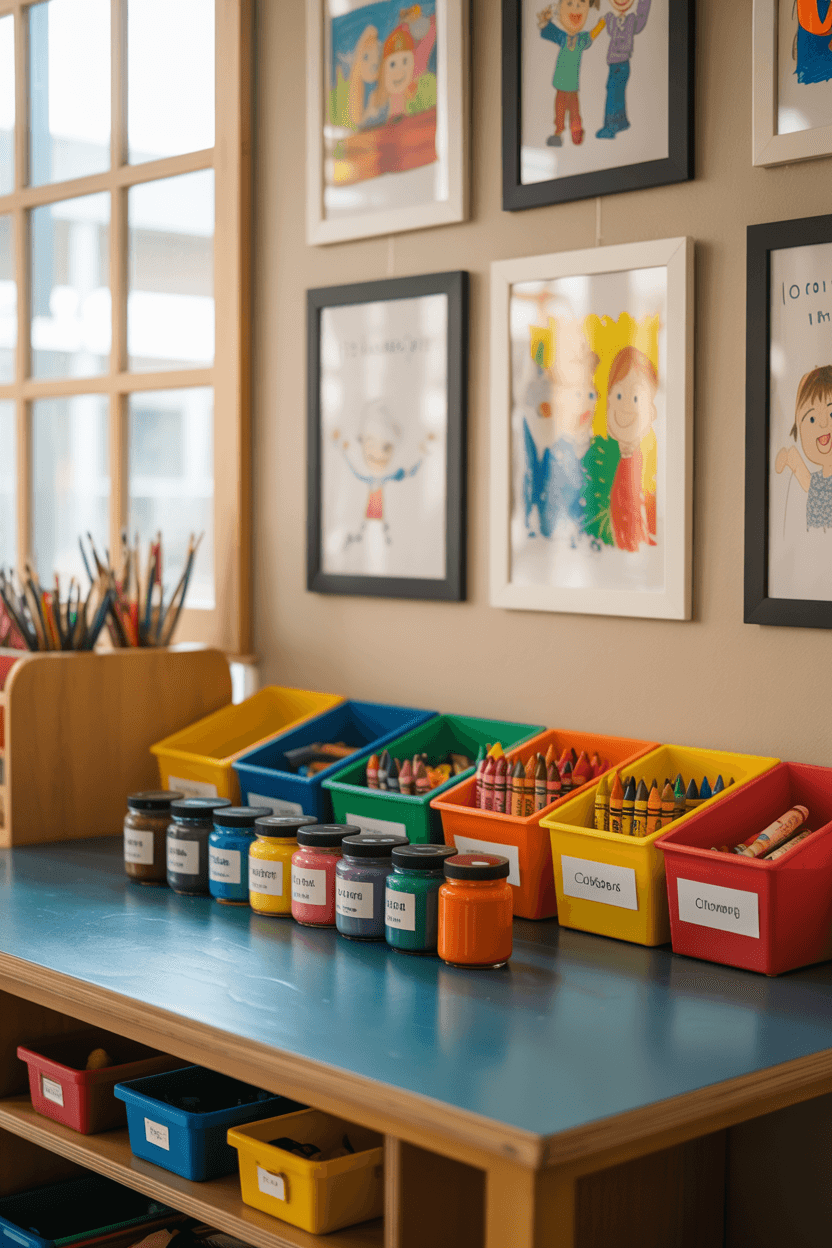
An art station gives kids a space to express themselves through painting, coloring, and crafting. Include a sturdy table, storage bins for supplies, and display boards to showcase their masterpieces. Having a dedicated spot for art keeps the mess contained while encouraging kids to freely explore their creativity.
By organizing crayons, paints, and paper into labeled containers, children can easily access what they need and learn responsibility for cleaning up. This setup not only sparks imagination but also builds fine motor skills and confidence in self-expression.
Best For: Little artists who love drawing, painting, and hands-on projects.
Pro Tip: Hang a corkboard or string with clips to proudly display their latest creations.
7. Play Kitchen Corner
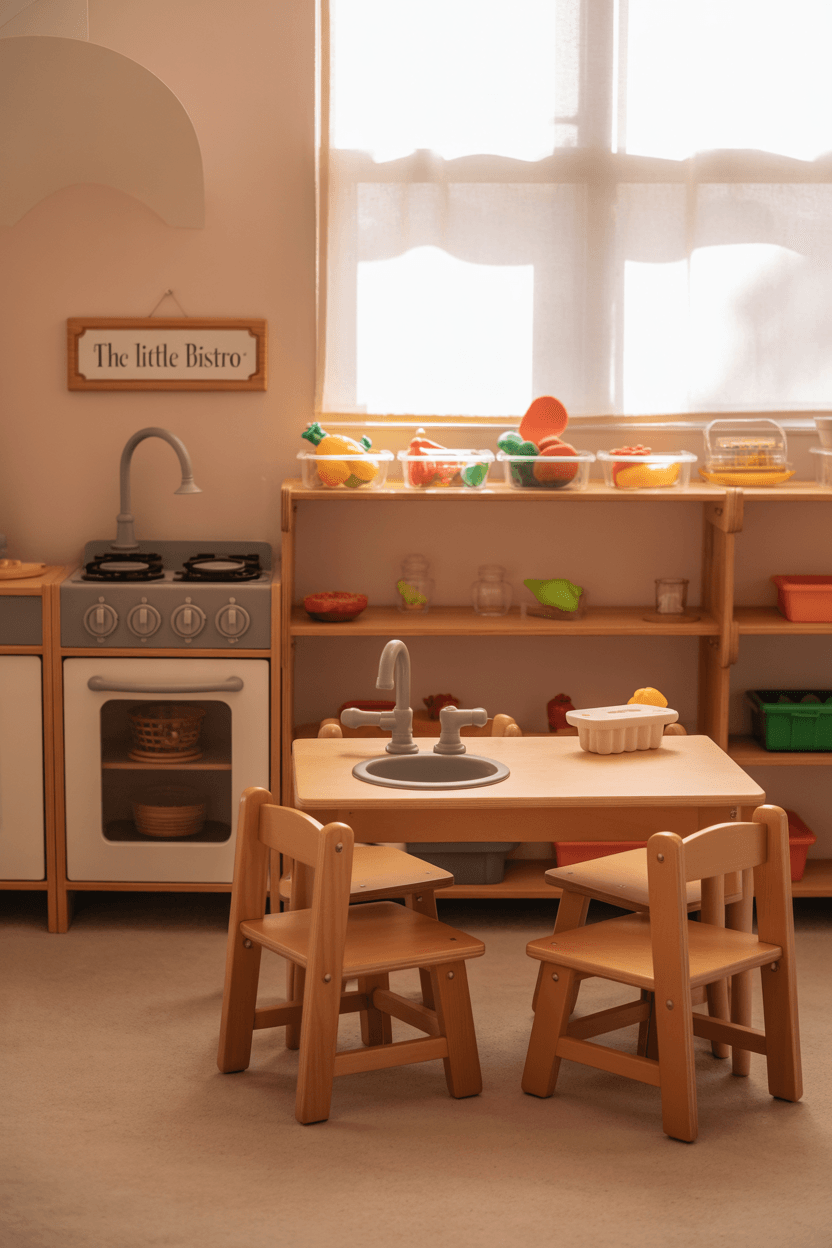
A play kitchen is a timeless addition that sparks imaginative role-playing. With miniature stoves, sinks, and food sets, kids can pretend to cook, serve, and host their own little cafe. It’s a playful way to mimic real-life activities while building social and problem-solving skills.
Pair the play kitchen with child-sized tables and chairs for an interactive setup. Adding baskets of pretend food, aprons, and utensils makes the space more realistic and fun. This type of play promotes creativity, teamwork, and storytelling.
Best For: Kids who love pretend play and interactive group activities.
Pro Tip: Use labeled bins for “fruits,” “veggies,” and “snacks” to encourage learning while playing.
8. Indoor Tent or Teepee
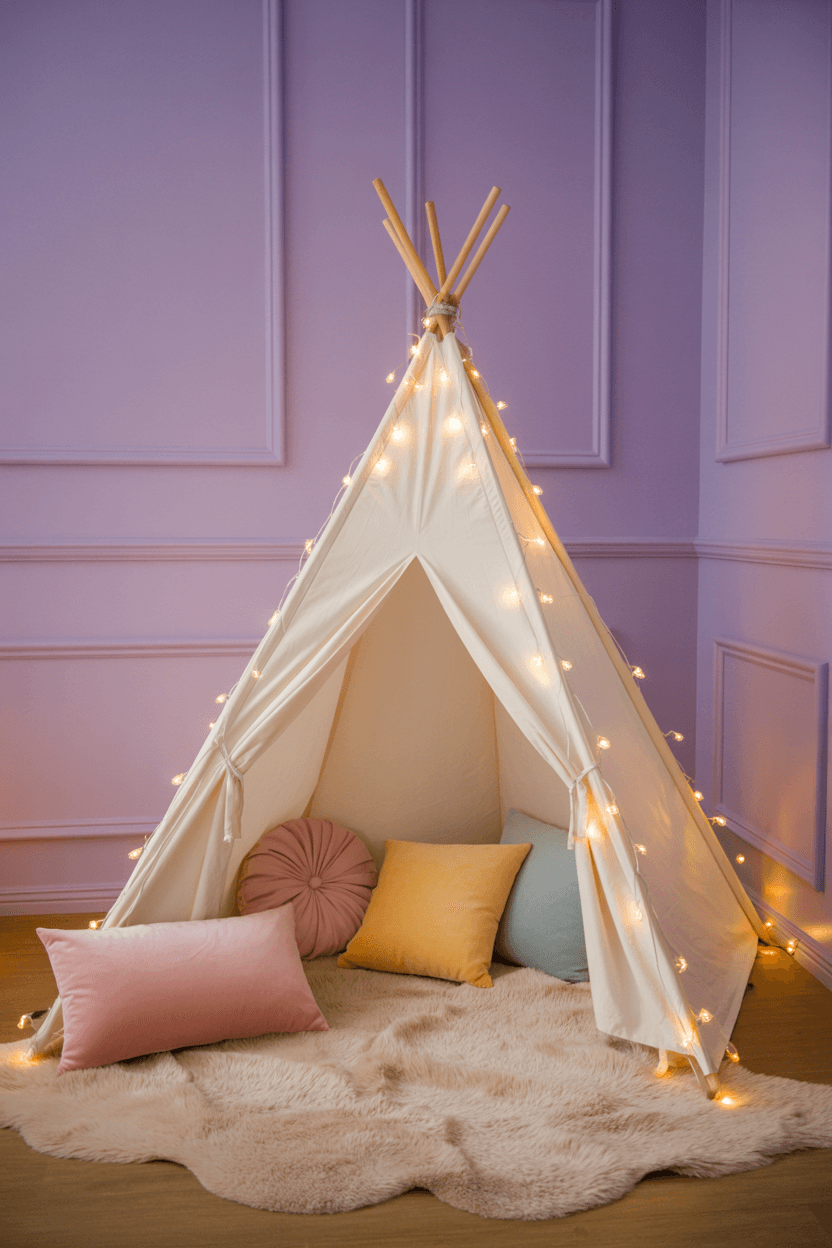
Adding a tent or teepee instantly makes the playroom feel like a magical hideaway. It can serve as a cozy reading nook, an imaginative play zone, or simply a quiet retreat for downtime. Soft rugs, fairy lights, and cushions can turn the tent into a dreamy corner that kids adore.
Teepees also create a sense of independence, as children can treat it as their own little world. With the right accessories, the tent can be themed—like a castle, space pod, or jungle hut—making it a versatile and budget-friendly addition to the playroom.
Best For: Kids who enjoy cozy spaces and imaginative play.
Pro Tip: Add string lights or glow-in-the-dark stars inside to make the tent extra magical.
9. Chalkboard or Whiteboard Wall
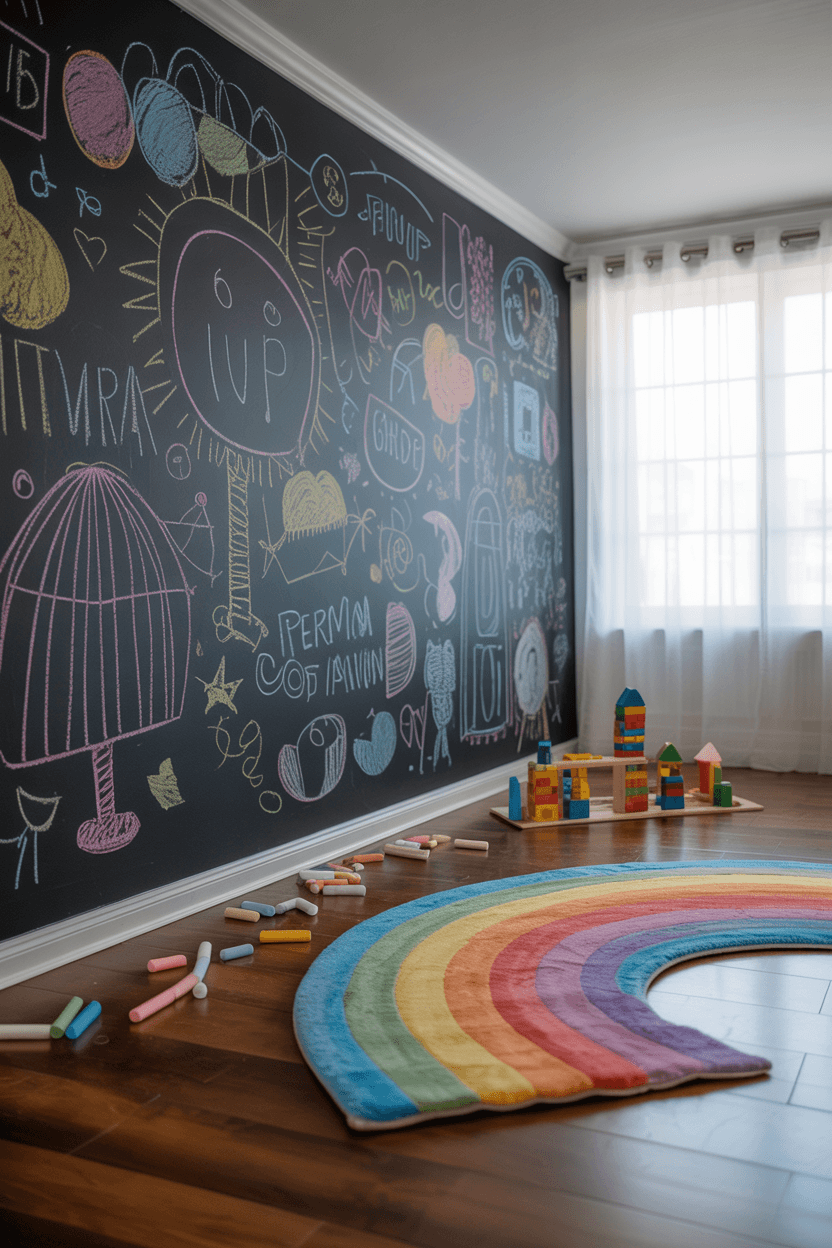
A chalkboard or whiteboard wall transforms playroom walls into canvases for creativity. Kids can draw, doodle, practice letters, or play games like tic-tac-toe. It’s a great way to encourage learning and creativity without the mess of endless paper.
This feature also grows with your child—young kids can practice simple drawings, while older ones can use it for math, writing, or brainstorming. It becomes a practical yet fun tool that blends play with education, keeping the room interactive and inspiring.
Best For: Creative kids who love drawing, doodling, and learning through writing.
Pro Tip: Use magnetic chalkboard or whiteboard paint so the wall doubles as a display board.
10. Multipurpose Storage Solutions
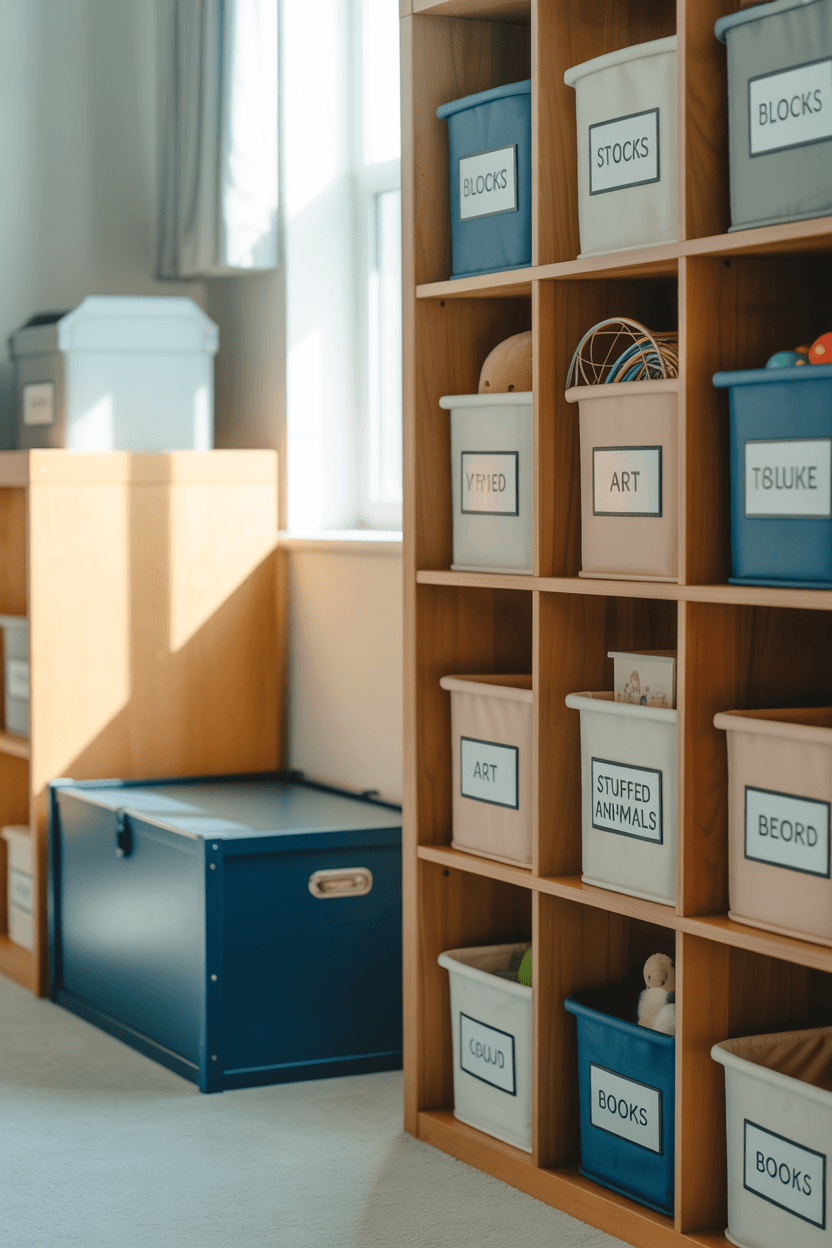
Smart storage is essential to keep a playroom organized and stress-free. Incorporate cube shelves, labeled baskets, and toy chests to give everything a proper place. With clear organization, kids can easily find their toys and learn responsibility for tidying up after playtime.
You can also choose furniture that doubles as storage, like ottomans or benches with hidden compartments. This keeps the room functional while maintaining a clean and uncluttered look. A well-organized playroom makes it easier for kids to focus on play without distractions.
Best For: Families who want to balance fun with organization and practicality.
Pro Tip: Color-code storage bins by category (like puzzles, blocks, dolls) for quick cleanup.
11. Interactive Learning Wall
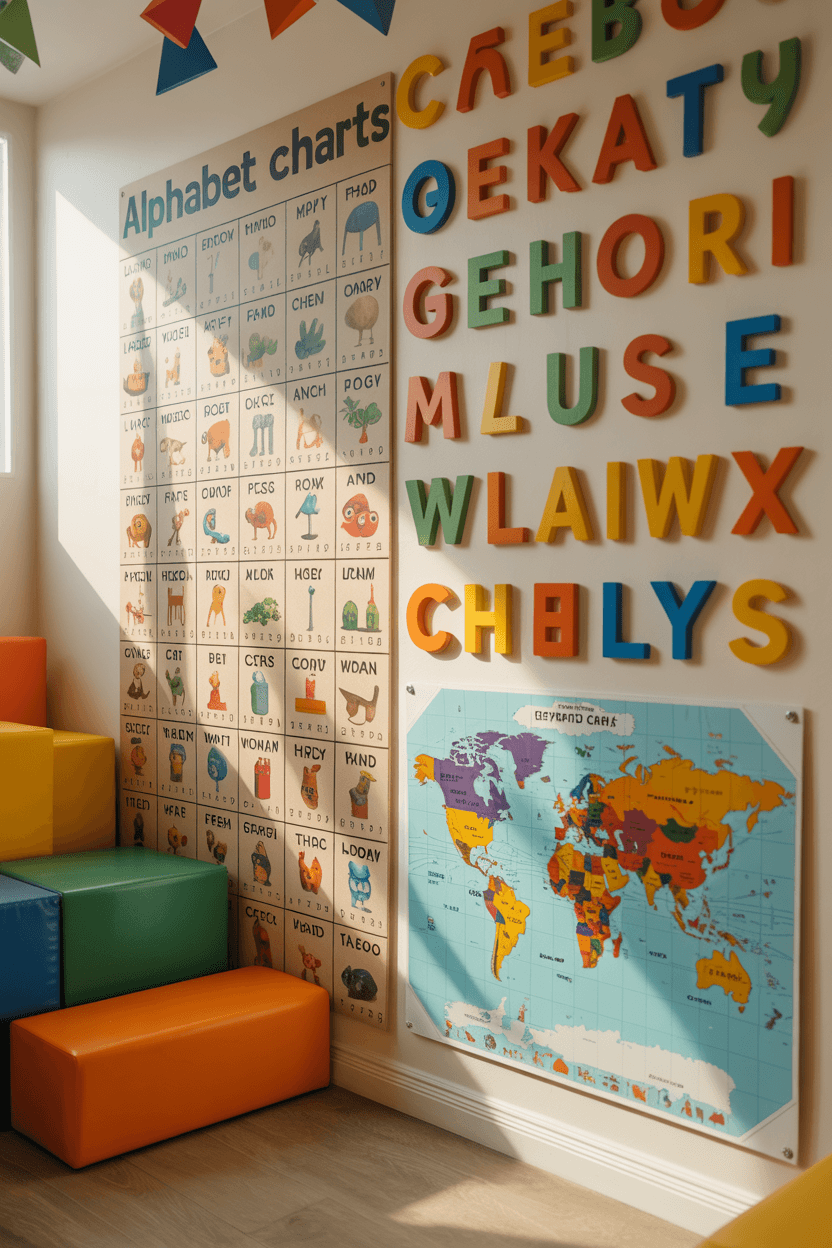
A learning wall is a fantastic way to combine education with play in a kids’ playroom. You can add alphabet charts, number boards, magnetic letters, and maps to create a fun, hands-on learning space. Kids naturally absorb more when they can see and interact with visuals in their environment.
To make it more engaging, include rotating themes like shapes, colors, or science charts. This keeps the wall fresh and encourages curiosity, making learning an exciting part of everyday play rather than just something reserved for school.
Best For: Parents who want to foster early learning in a playful environment.
Pro Tip: Use Velcro or magnetic boards so you can easily swap out materials as your child grows.
12. Lego or Building Zone
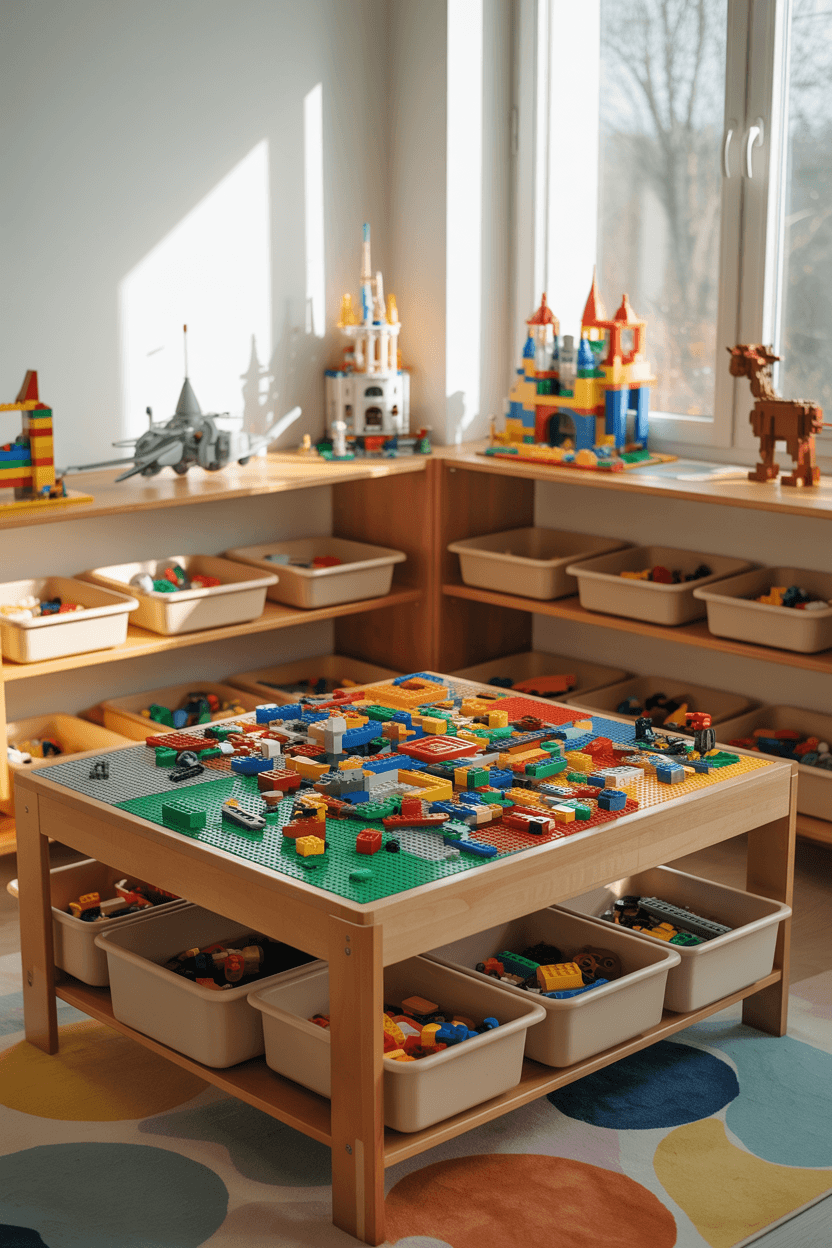
A dedicated Lego or building area gives kids space to design, construct, and let their imagination take shape. With a sturdy table, storage bins, and display shelves, the playroom can transform into a creative workshop. Building blocks not only spark imagination but also enhance problem-solving and fine motor skills.
Having a separate zone keeps small pieces organized and reduces clutter in other areas of the room. It also provides kids with a sense of pride when they can display their completed creations on shelves or floating ledges.
Best For: Kids who love construction, puzzles, and hands-on creativity.
Pro Tip: Use rolling storage carts so kids can move their Lego sets easily and clean up faster.
13. Music and Dance Corner
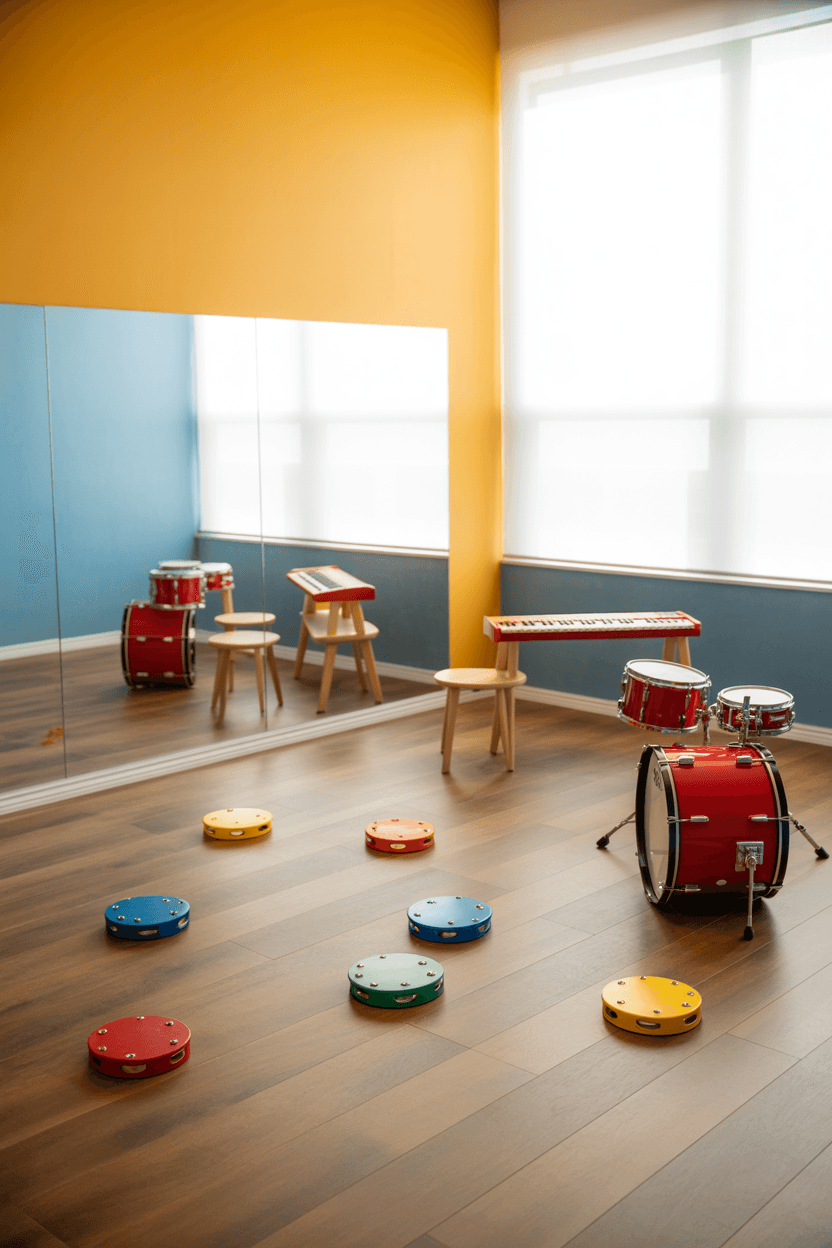
A music and dance area adds rhythm and movement to a playroom. Include child-friendly instruments like tambourines, drums, or keyboards, along with open space for dancing. This zone encourages self-expression while also supporting coordination and sensory development.
Mirrors on the wall, a small Bluetooth speaker, or even a mini stage setup can elevate the experience. Kids can practice performances, sing, and dance while having a safe, inspiring space to showcase their talents.
Best For: Families with kids who enjoy music, dancing, or performing.
Pro Tip: Place soft rugs or foam mats in the dance area for safety during energetic movement.
14. Puzzle and Game Table
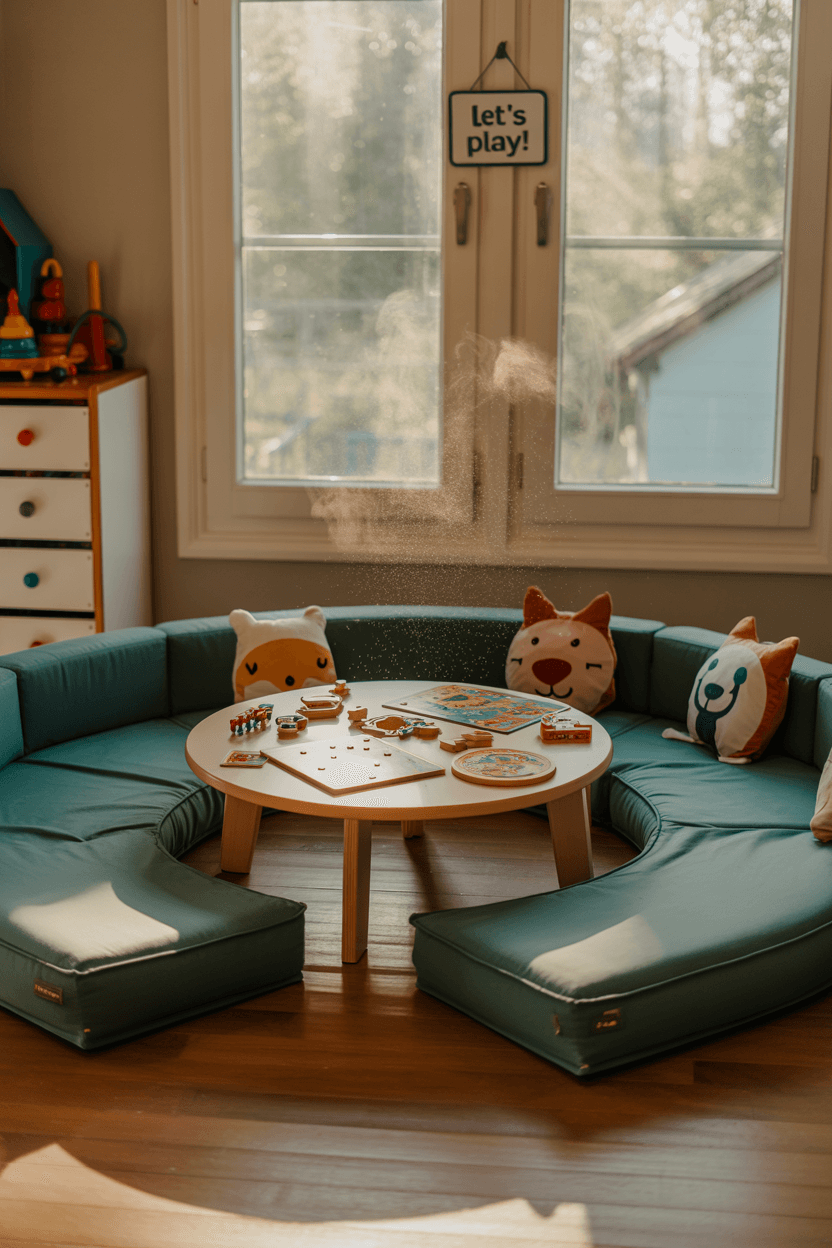
Adding a puzzle and board game table creates opportunities for family bonding and quiet play. A low-height table with drawers or shelves nearby makes it easy to store and rotate different puzzles and games. This zone gives children a calm activity while teaching patience and teamwork.
The game table can also be multi-purpose, doubling as a crafting station or snack spot. By dedicating a space for puzzles and games, you ensure they don’t get lost or spread throughout the house, keeping everything organized.
Best For: Families who love group activities and quiet, focused play.
Pro Tip: Choose a table with a removable top so unfinished puzzles can be safely stored underneath.
15. Nature-Inspired Playroom
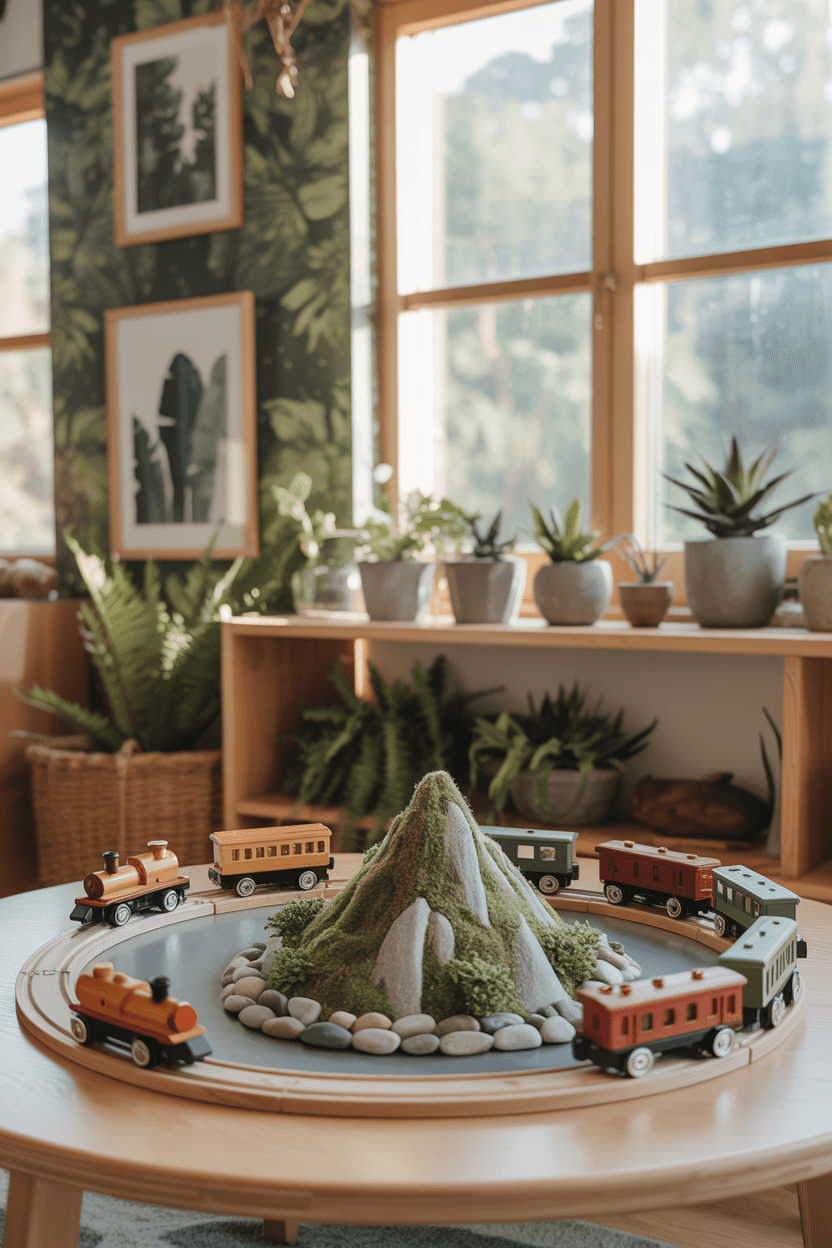
Bringing nature indoors creates a calming and refreshing playroom design. Incorporate earthy tones, wooden furniture, leafy prints, and even indoor plants to make the space feel natural and serene. This design encourages a connection with nature while keeping the room cozy and inviting.
For extra fun, you can add a small play tent styled as a “forest hut” or a rug shaped like leaves or animals. A nature-inspired theme is timeless, making it easy to evolve as your child grows without losing charm or functionality.
Best For: Families who want a soothing, earthy aesthetic in the playroom.
Pro Tip: Use faux plants if you want greenery without the maintenance of real plants.
16. Mini Sports Zone
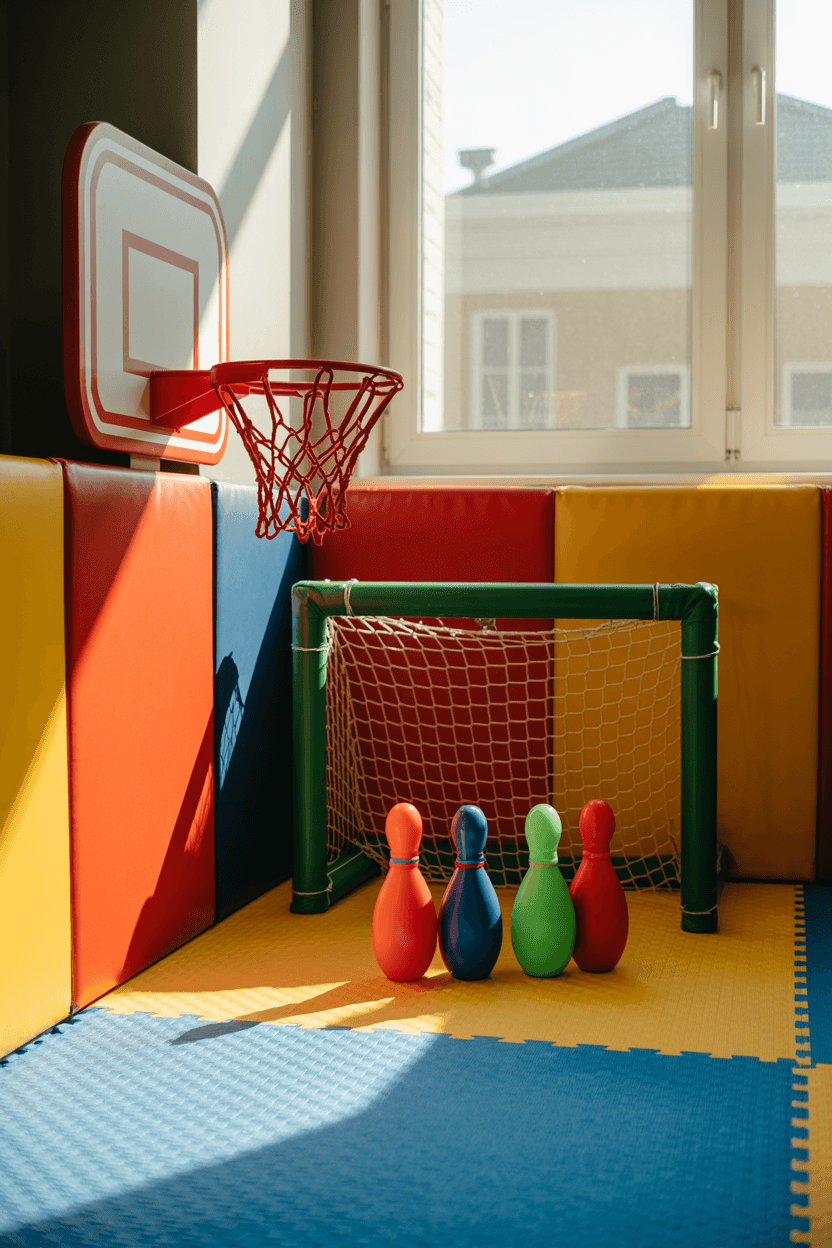
A mini sports corner adds energy and excitement to a kids’ playroom. You can include a small basketball hoop, mini soccer goal, or soft bowling set to keep kids active indoors. This playful area encourages exercise while also teaching teamwork and coordination in a safe, fun way.
Foam flooring or mats make the space safer for energetic play. By dedicating a corner to sports, kids can release energy constructively, and it’s especially useful on rainy or cold days when outdoor play isn’t possible.
Best For: Active kids who love sports and movement.
Pro Tip: Use over-the-door hoops or foldable sports equipment to save space in smaller rooms.
17. Dress-Up and Costume Area
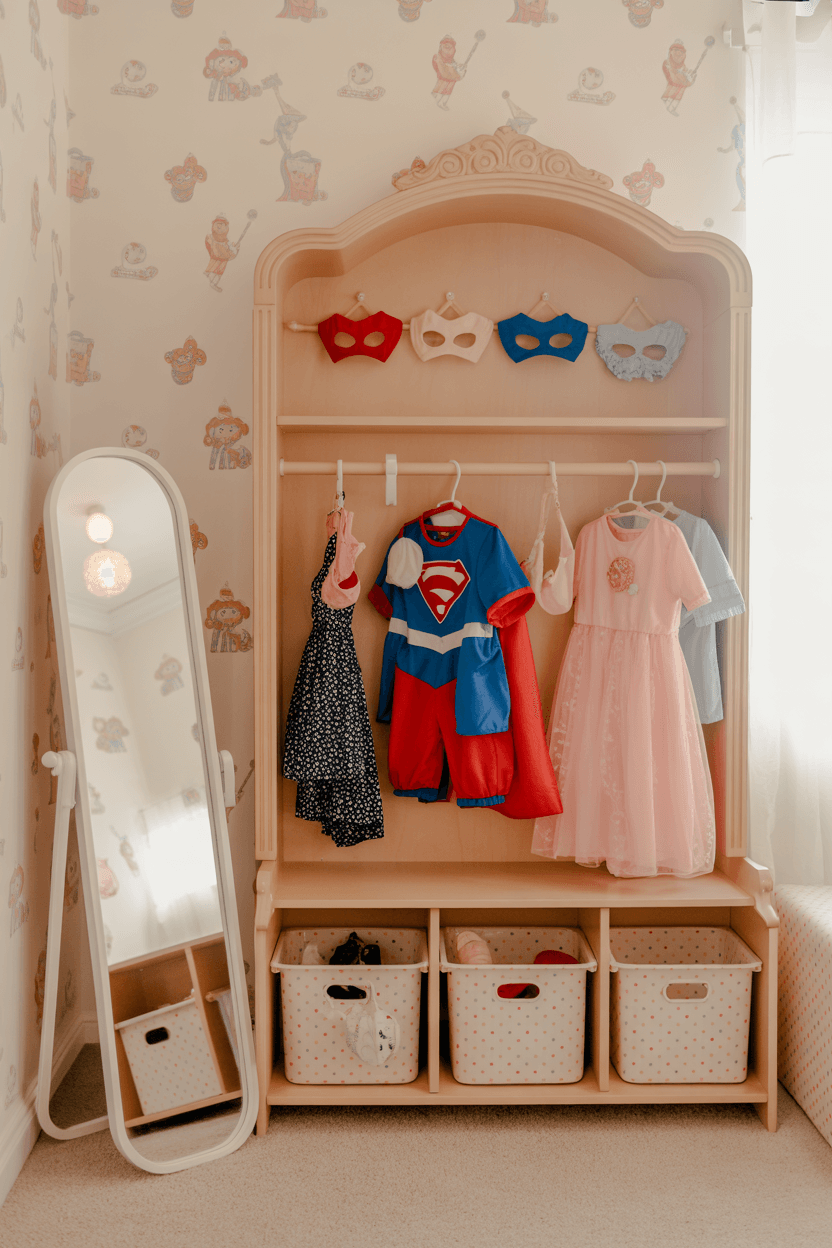
Dress-up play lets kids explore imagination, storytelling, and role-playing. A small wardrobe rack or hooks for costumes, along with a mirror and storage bins for accessories, can turn a corner into a magical dress-up zone. This type of play sparks creativity and helps build social skills.
From princess gowns to superhero capes, kids can transform into their favorite characters instantly. Adding a stage-like platform or curtain can make the playroom feel like a theater, where children can act out their own stories.
Best For: Kids who love imaginative play and role-playing games.
Pro Tip: Use labeled bins for hats, shoes, and accessories to keep the costume area organized.
18. STEM and Discovery Station
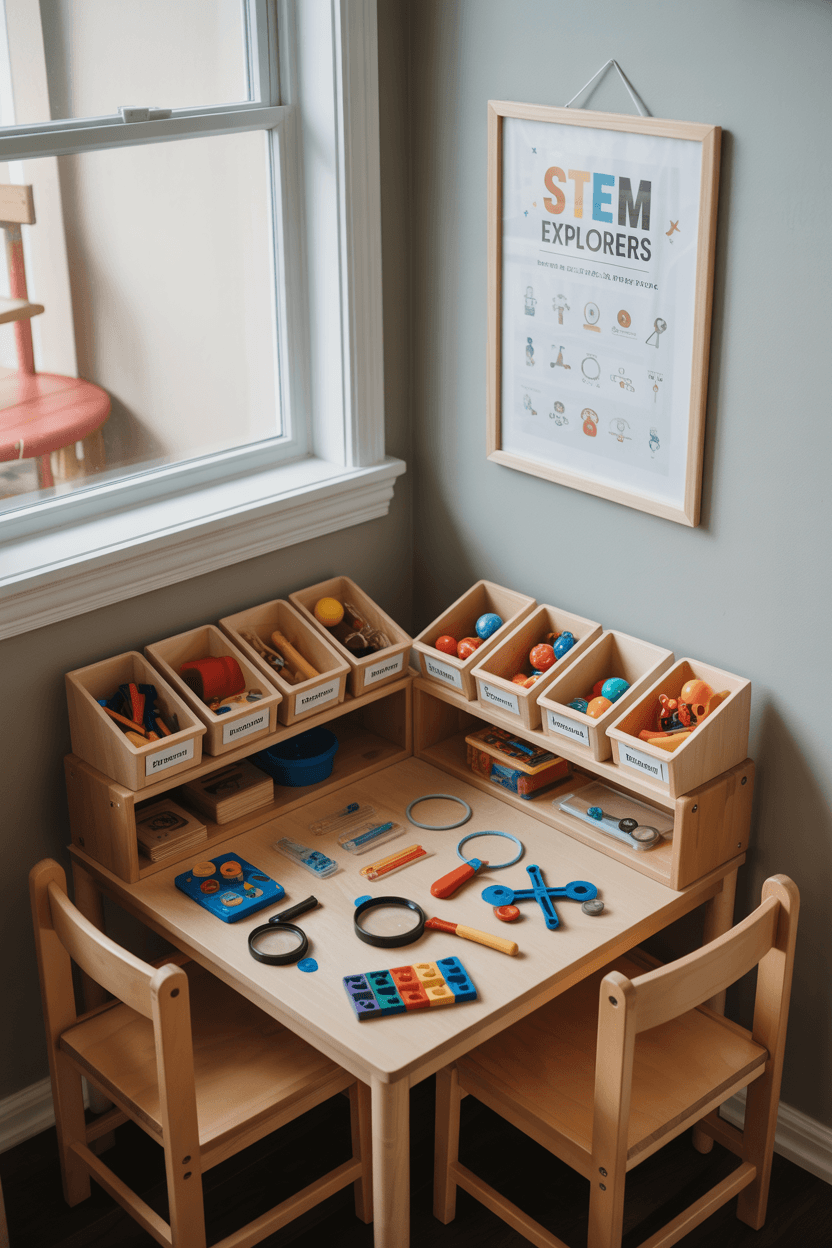
A STEM station introduces kids to science, technology, engineering, and math in a fun, hands-on way. Equip the area with building kits, magnifying glasses, or simple science experiments. This encourages curiosity and problem-solving while giving children a head start in exploring these subjects.
A discovery station can be as simple as a desk with organized bins for projects and books. Over time, you can upgrade the space with more advanced kits as your child grows, making it a long-term investment in both fun and education.
Best For: Parents who want to inspire early learning and curiosity in STEM.
Pro Tip: Include rotating activity kits so kids always have something new to explore.
19. Sensory Play Area
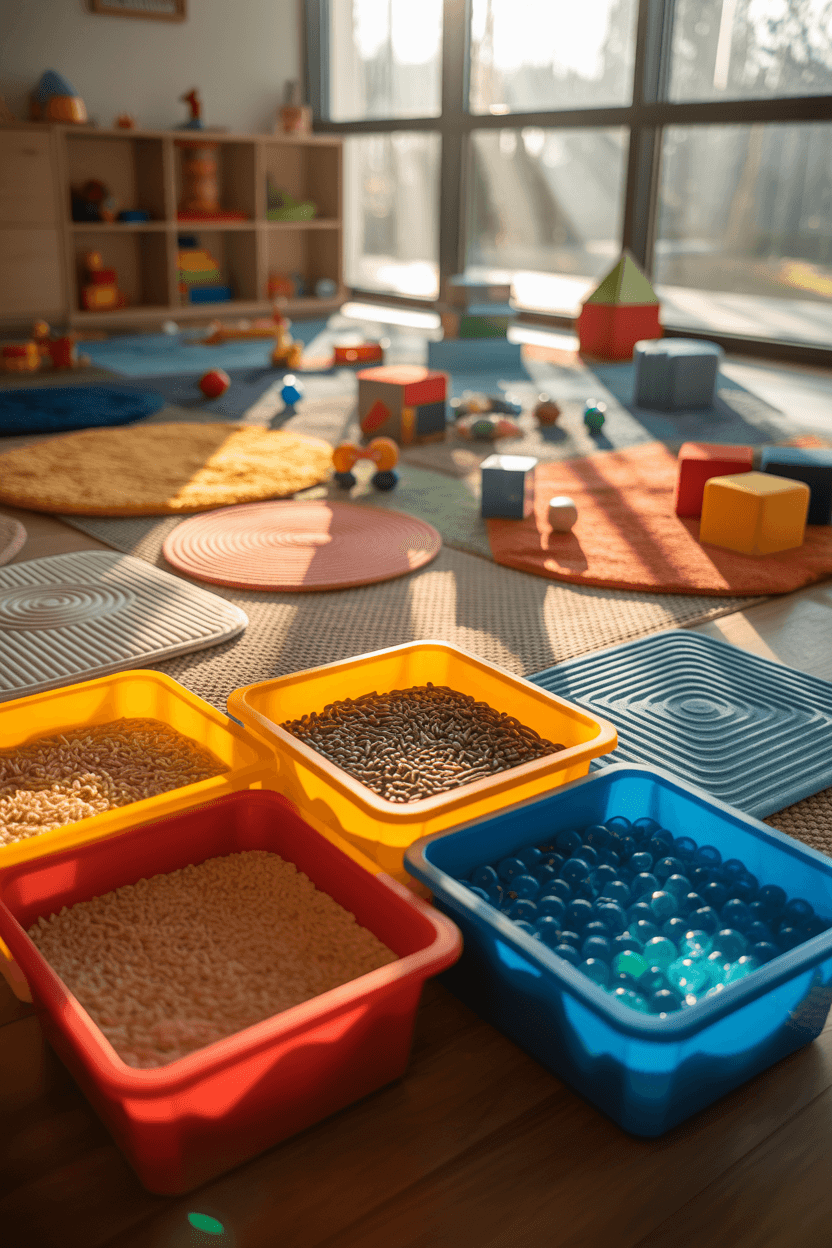
Sensory play is crucial for early development, helping children explore textures, sounds, and movement. Create a dedicated corner with sensory bins filled with rice, sand, or water beads. Add textured mats, fidget toys, or soft play blocks for a rich, hands-on experience.
This area is particularly beneficial for toddlers and preschoolers, supporting their motor skills, focus, and creativity. It’s also calming, offering a space where kids can de-stress and enjoy mindful play in their own way.
Best For: Younger children or kids who benefit from sensory-rich activities.
Pro Tip: Use trays or washable bins to contain the mess and make cleanup easier.
20. Stage and Performance Area
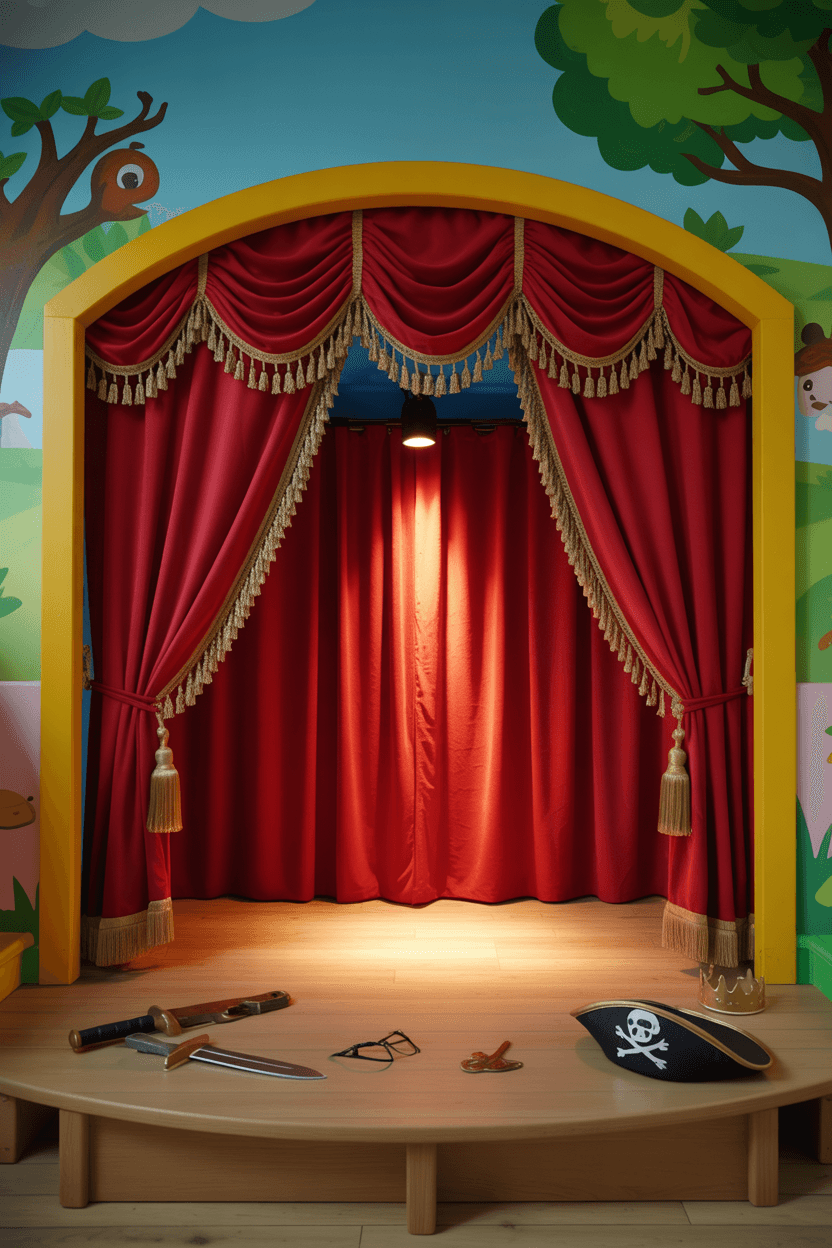
A mini stage gives kids a spotlight to showcase their creativity through dance, singing, or acting. You can build a small wooden platform or simply set aside a space with curtains and spotlights. This boosts confidence while giving children a safe outlet for performance.
Adding props, a dress-up rack, or even a karaoke machine makes the area more engaging. Kids can hold mini shows for family or just enjoy expressing themselves freely, making it one of the most versatile playroom additions.
Best For: Little performers who love drama, singing, or storytelling.
Pro Tip: Use portable stage risers or rugs to define the area without major remodeling.
21. Soft Play Zone
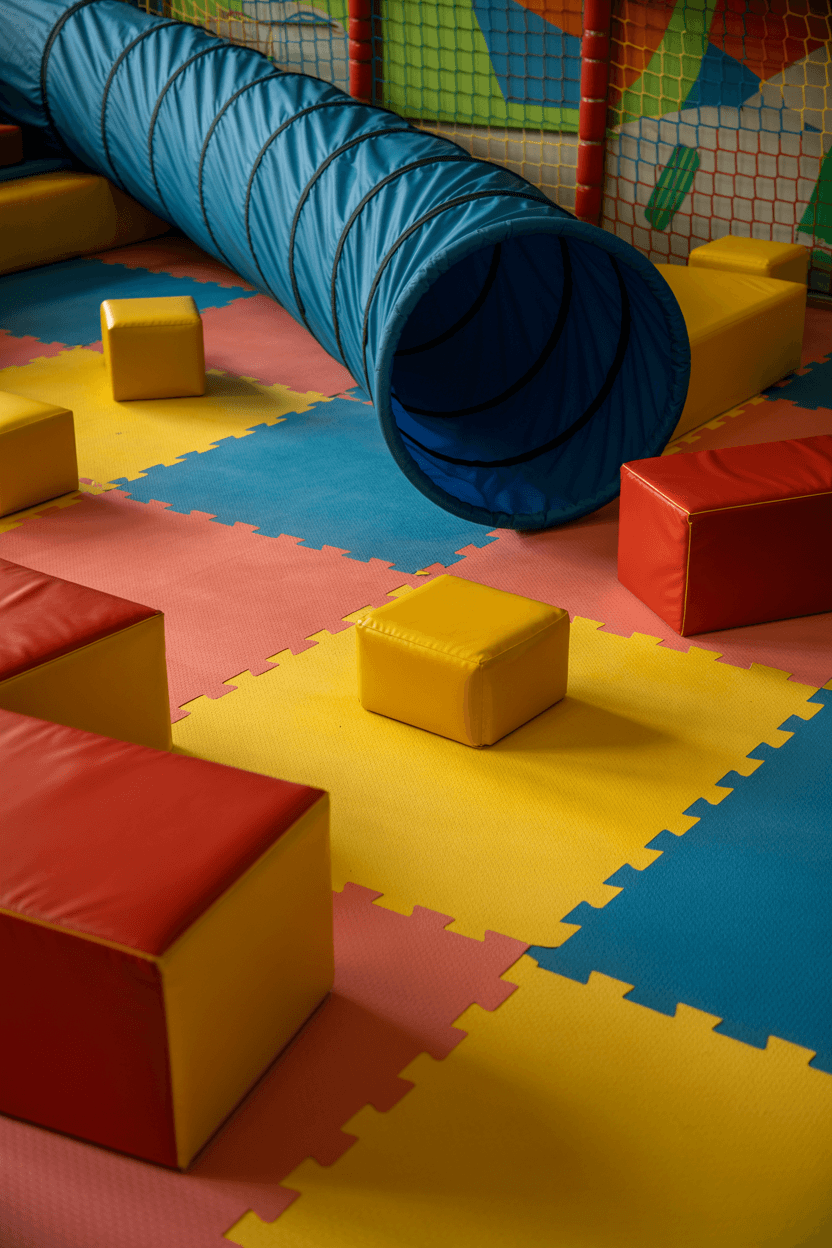
A soft play corner ensures safe and energetic fun for little ones. With foam mats, cushioned climbing blocks, and soft tunnels, it becomes a mini indoor playground where toddlers can crawl, climb, and explore freely. This setup helps develop motor skills while minimizing bumps and bruises.
By creating a cushioned space, you can encourage active play indoors without worry. Adding bright colors and modular soft pieces makes it even more engaging, while the easy-to-clean materials keep the area parent-friendly and practical.
Best For: Toddlers and preschoolers who need safe, active play.
Pro Tip: Choose wipeable, non-toxic foam mats for both safety and easy maintenance.
22. Homework and Craft Desk
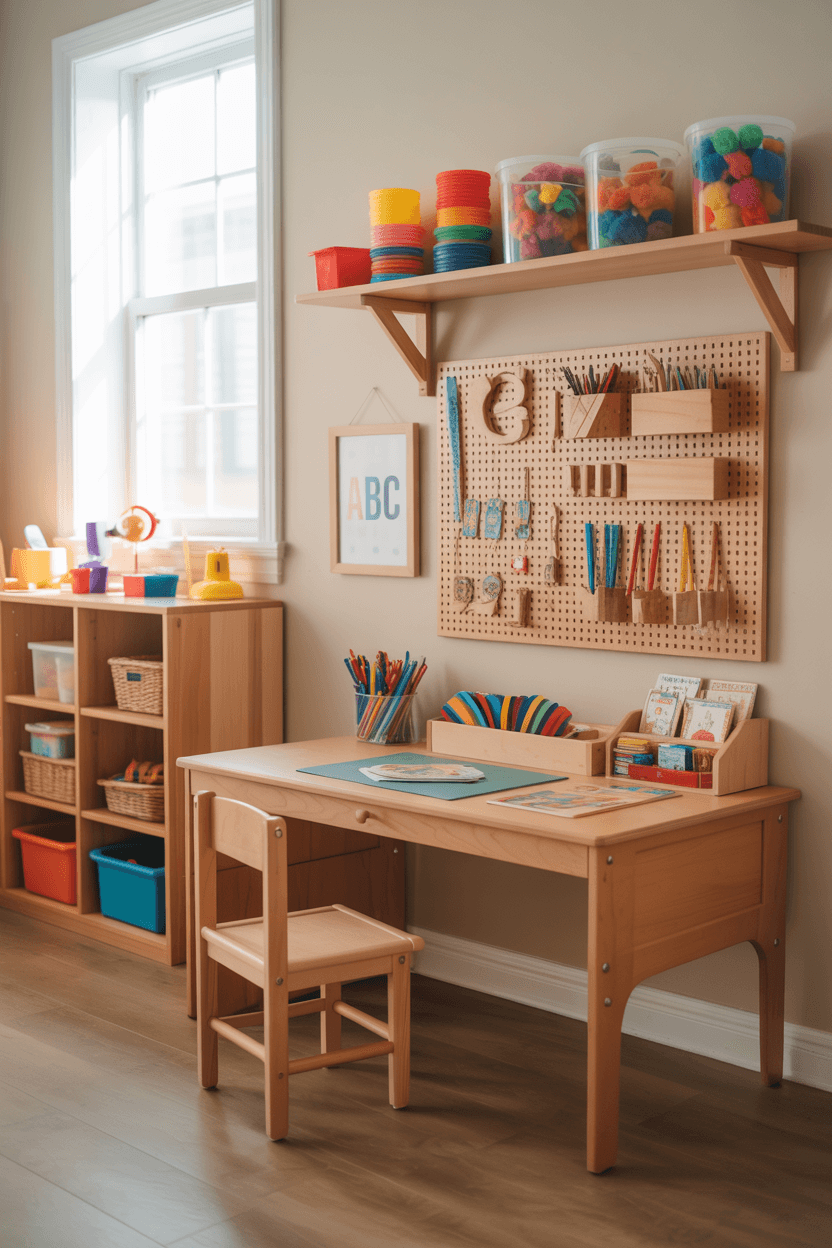
A designated desk area blends learning and creativity in the playroom. Kids can use it for homework, drawing, or small crafts, giving them a sense of independence and structure. A child-sized chair and organized supplies make it functional while still fun.
Adding shelves above the desk for art materials or school items keeps everything neat and accessible. It ensures the playroom remains a multipurpose zone, evolving as kids grow and transition into more structured learning.
Best For: Families who want a mix of study, play, and creativity in one room.
Pro Tip: Use pegboards above the desk to organize supplies in a stylish and functional way.
23. Playroom Library Wall
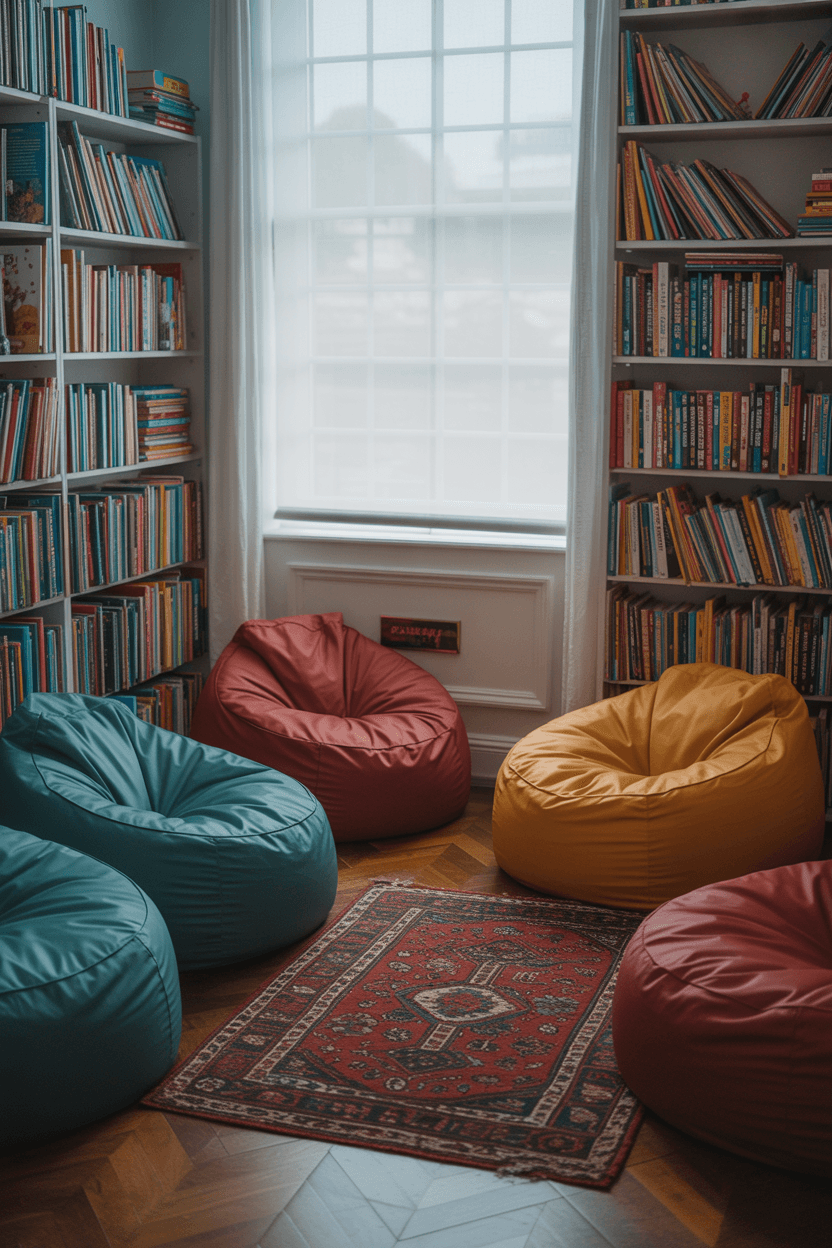
A library wall turns a playroom into a treasure trove of stories and knowledge. Floor-to-ceiling shelves, filled with colorful books, make reading a daily adventure. It also adds charm and sophistication to the room while encouraging lifelong literacy.
By mixing books with playful decor—like stuffed animals or framed art—you create a welcoming and cozy corner. This design grows beautifully with children, transitioning from picture books to chapter books over the years.
Best For: Families who want to instill a strong love for reading.
Pro Tip: Add a comfy beanbag or chair to make the library wall extra inviting.
24. Wall-Mounted Play Features
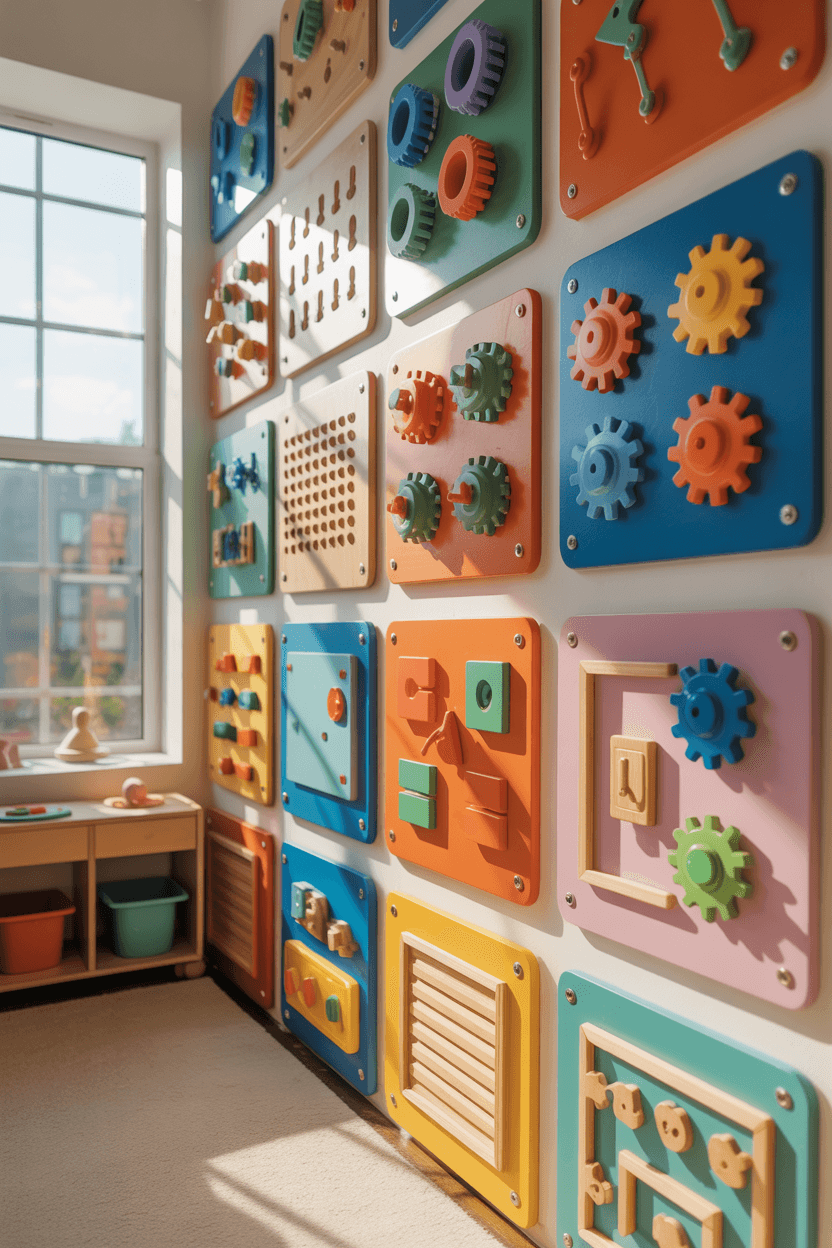
Wall-mounted play installations save space while adding endless fun. From busy boards with knobs and locks to interactive wall puzzles, these features engage kids without taking up floor space. They’re especially helpful in smaller homes where every inch matters.
These play walls encourage problem-solving, sensory exploration, and independent play. Since they’re vertical, they also keep the floor clear, leaving more room for active games and movement.
Best For: Families with small spaces who want creative play options.
Pro Tip: Rotate or update wall features every few months to keep the play wall exciting.
25. Multi-Age Playroom Design
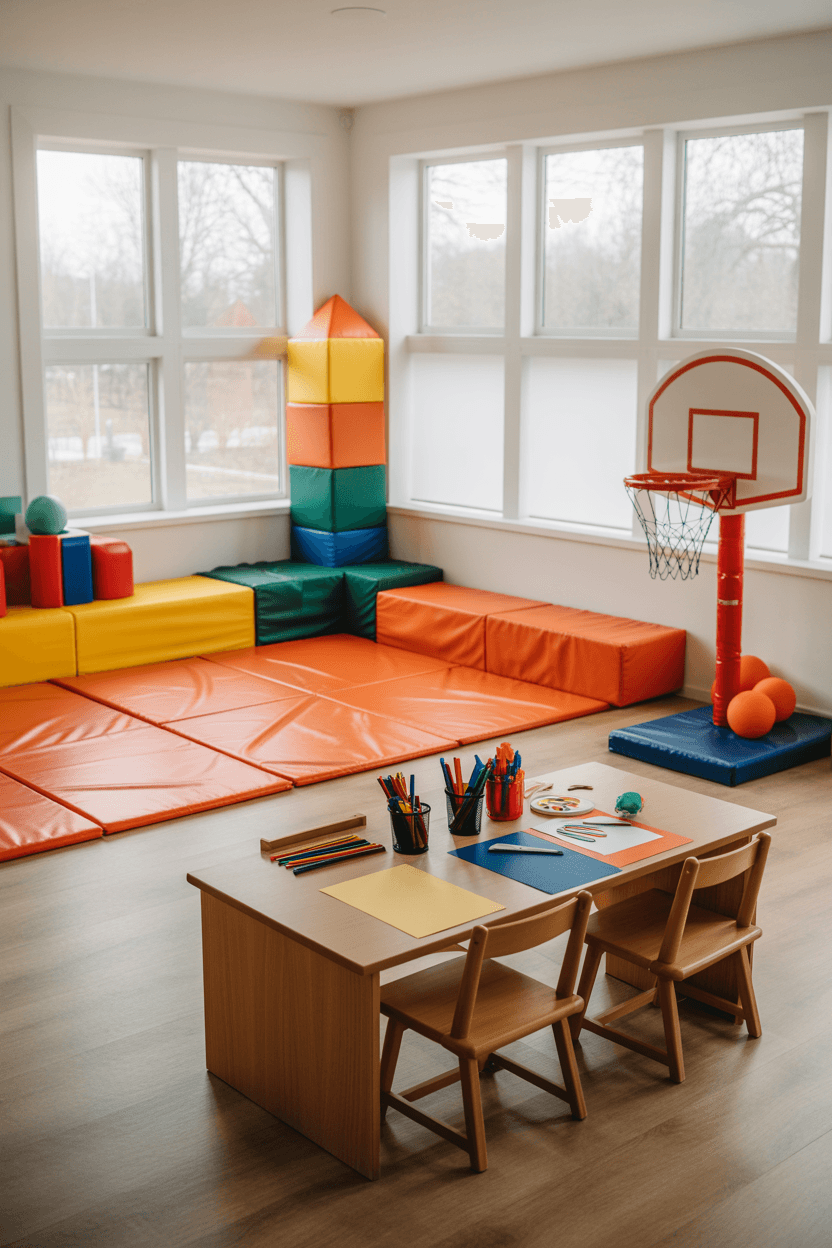
If you have kids of different ages, a multi-age design ensures everyone has a spot to play. Create separate zones—like a soft play area for toddlers, a craft desk for older kids, and a sports or climbing corner for active play. This keeps harmony and balance in a shared room.
By planning the space with age-friendly activities, you ensure safety while meeting everyone’s interests. It also encourages siblings to play together while still having their own dedicated spaces.
Best For: Families with multiple children at different stages.
Pro Tip: Use rugs or dividers to clearly define zones so kids know which area belongs to whom.
Final Thoughts
Designing a kids’ playroom is about more than just filling it with toys—it’s about creating a world where creativity, laughter, and learning meet. From reading nooks to climbing walls, every idea can be tailored to fit your child’s personality and your home’s style. With a thoughtful approach, the playroom becomes a magical space that grows with your kids while keeping joy at its center.
This guide on 25 Kids Playroom Design Ideas has shared ways to spark imagination, encourage activity, and keep everything beautifully organized. Whether you’re setting up a cozy nook or a full play paradise, these designs help you craft a space where your children feel inspired, happy, and free to explore.
At Trendy Decor Guide, we believe every corner of your home can be filled with beauty, purpose, and joy—including your child’s playroom. Try out these ideas, mix them with your own creativity, and watch your little one’s world come to life. Don’t forget to follow us for more inspiring home decor ideas that blend style with heart.