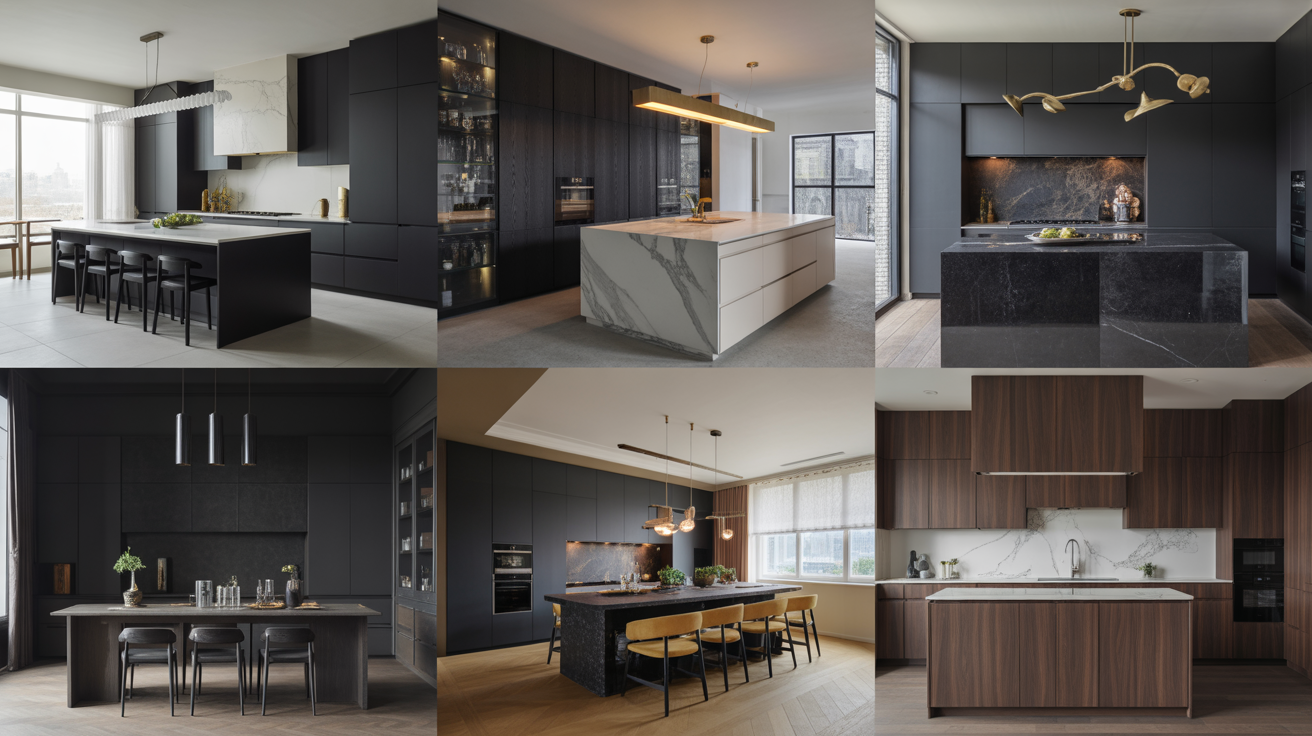
26 Village Kitchen Ideas That Bring Rustic Charm Into Your Home
Introduction
Have you ever walked into a kitchen and felt instantly at ease, like the whole room was wrapping you in warmth and history? That feeling is exactly what village kitchen ideas deliver every single time. These designs celebrate natural materials, handcrafted details, and a lived-in beauty that modern kitchens rarely achieve.
In this post, you will find 26 village kitchen ideas covering rustic cabinetry, stone floors, open shelving, and so much more. Each idea is designed to help you create a space that feels authentic, functional, and full of genuine character. Get ready to fall in love with a kitchen style that truly never goes out of fashion.
1. Exposed Stone Walls
There is nothing quite like raw stone to anchor a kitchen in rustic beauty and give it a sense of deep history. Stone walls add incredible texture and depth without needing any extra decor to fill the room. They work especially well paired with warm wood tones and simple pendant lighting above an island.
When using stone walls, focus on one feature wall behind the stove or around a fireplace nook to keep the look intentional. You do not need to cover every wall since even a partial stone section creates a powerful visual anchor. Complement it with white or cream cabinetry so the natural texture stays the star.
Best For: Farmhouse kitchens, open-plan spaces, and countryside homes
Pro Tip: Use warm lighting to bring out the stone’s natural golden tones.
2. Wooden Beam Ceilings
Wooden ceiling beams are one of the most iconic features found in classic village kitchen designs across the world. They draw the eye upward and make even a modest kitchen feel grander and more layered with character. Dark, weathered beams against a white ceiling create a striking contrast that feels both old-world and effortlessly stylish.
Beams can be real structural timber or decorative faux wood installed purely for visual effect. Pair them with hanging pot racks or dried herb bundles for an authentic village kitchen feel. Combining beams with stone flooring or flagstone tiles completes the look with rich, earthy warmth.
Best For: Country homes, open kitchens, and large family cooking spaces
Pro Tip: Hang copper pots from beams for instant rustic elegance.
3. Farmhouse Sink
A deep farmhouse sink is one of the most practical and visually defining elements of any village kitchen design. The wide, apron-front style is rooted in tradition and was built for kitchens that see real, daily use. White fireclay or ceramic options age beautifully and complement almost any cabinet color you choose.
Beyond its good looks, a farmhouse sink offers genuine depth and width for washing large pots with ease. Pair it with a bridge faucet in brushed brass or matte black to enhance the vintage character. A small herb pot on the ledge above ties the whole look together naturally.
Best For: Family kitchens, cottage-style homes, and open-plan layouts
Pro Tip: Choose fireclay over cast iron for easier daily cleaning.
4. Open Wooden Shelving
Open shelving made from solid wood or reclaimed timber is a staple of the village kitchen aesthetic. It replaces upper cabinets with floating shelves that keep the kitchen feeling airy, accessible, and visually rich. Displaying hand-thrown pottery, stacked linen cloths, and glass jars instantly creates that homespun, curated feel.
The key to making open shelving work is keeping it organized and intentional without making it look staged. Group items by material or color so the shelves feel cohesive rather than cluttered. Mixing in a trailing plant or small framed print among the jars adds life and personality.
Best For: Small kitchens, cottage interiors, and minimalist village homes
Pro Tip: Use matching storage jars to create an effortlessly tidy display.
5. Terracotta Floor Tiles
Terracotta floor tiles bring warmth, color, and an undeniable sense of place to any village kitchen. Their rich amber and rust tones reflect natural light beautifully and develop a gorgeous patina over time. The slightly uneven, handmade quality of terracotta fits perfectly within the organic character of village kitchen ideas.
Terracotta is naturally porous, so proper sealing before installation is essential to protect against stains. Choosing irregularly shaped or hand-cut tiles adds even more authenticity and prevents the floor from looking too uniform. Underfloor heating beneath terracotta makes the kitchen wonderfully comfortable during colder months.
Best For: Mediterranean kitchens, farmhouse interiors, and open-plan homes
Pro Tip: Seal terracotta tiles annually to maintain their warm, rich color.
6. Butler’s Pantry
A butler’s pantry is both a practical storage solution and a charming nod to traditional village working kitchens. It provides a dedicated space for dry goods, crockery, and small appliances, keeping the main kitchen visually calm. Open shelving combined with a small counter and a deep Belfast sink gives the pantry its own distinct character.
Design the pantry with the same materials and cabinet style as your main kitchen for a cohesive look. Wicker baskets, labeled glass jars, and vintage hooks make the space feel organized and charming at once. Even a small alcove can become a functional butler’s pantry with clever planning and the right details.
Best For: Large family homes, open-plan kitchens, and heritage-style interiors
Pro Tip: Add a chalkboard wall inside for easy grocery list writing.
7. Aga or Range Cooker
Few things say village kitchen more powerfully than a classic Aga or freestanding range cooker at the heart of the room. These cookers bring both warmth and a deep sense of culinary tradition that modern appliances simply cannot replicate. A deep red or forest green Aga against pale stone creates one of the most memorable kitchen moments in country home design.
Even if a traditional Aga is beyond your budget, a modern range cooker with a chimney extractor delivers a very similar effect. Surrounding the cooker with hand-painted tiles in a blue-and-white pattern adds wonderful village kitchen character. Choose a color that ties in with your cabinetry or acts as a bold accent against neutral walls.
Best For: Family kitchens, countryside homes, and open-plan living spaces
Pro Tip: Choose a two-tone cooker to add subtle, beautiful color contrast.
8. Hand-Painted Cabinetry
Hand-painted cabinetry in muted, earthy tones is one of the most beautiful touches you can bring to a village kitchen. Colors like sage green, slate blue, warm white, and dusty rose all feel at home within this rustic palette. The slightly imperfect finish of hand-painted wood adds texture and warmth that factory-lacquered cabinets simply cannot replicate.
Shaker-style cabinet doors are the most popular choice for hand-painting because their simple recessed panel design holds paint beautifully. Consider painting only the lower cabinets and leaving upper ones a complementary lighter shade for a layered look. Adding a plate rack section within upper cabinetry creates a traditional display element that enhances the village aesthetic.
Best For: Cottage kitchens, period homes, and farmhouse interiors
Pro Tip: Use eggshell finish paint for cabinets; it wipes clean beautifully.
9. Brick Splashback
A brick splashback brings immediate texture, warmth, and history into a village kitchen without overwhelming the space. Whether you use reclaimed brick or slim brick tiles, the result is always rich and full of character. The uneven surface and tonal variation of brick work beautifully behind a range cooker or along the cooking wall.
Whitewashing or lime-washing the brick softens the look while still preserving all of the wonderful texture underneath. This approach works particularly well in smaller kitchens where a full dark brick wall might feel too heavy. Sealing the brick before use in a kitchen environment prevents grease and moisture from penetrating the surface.
Best For: Urban village kitchens, cottage homes, and industrial-rustic interiors
Pro Tip: Limewash brick for a softer, beautifully aged farmhouse finish.
10. Wooden Countertops
Wooden countertops bring a living, breathing quality to the village kitchen that stone and composite surfaces cannot match. Butcher block and solid oak are the most popular choices, offering durability alongside a natural beauty that deepens with age. The warm grain of wood softens the kitchen and makes it feel welcoming rather than clinical or overly designed.
Maintaining wooden countertops requires regular food-safe oiling to prevent drying and cracking over time. Avoid leaving standing water on wood surfaces for extended periods, as moisture is the main enemy. The minor upkeep is well worth the warmth and character that wooden counters bring to the heart of the kitchen.
Best For: Family kitchens, cottage interiors, and country home renovations
Pro Tip: Oil wooden countertops monthly with food-safe mineral oil.
11. Wicker and Rattan Accents
Wicker baskets and rattan storage pieces are natural companions to the village kitchen aesthetic. Use wicker baskets on open pantry shelves to group dry goods, vegetables, and bread in a visually appealing way. Rattan pendant lights above an island or dining table bring warmth and a handcrafted quality that suits the village mood perfectly.
Beyond storage, wicker trays make beautiful fruit displays on the countertop and add casual organic charm. Mixing wicker with linen textiles and terracotta pottery creates a cohesive, earthy palette that feels genuinely curated. These additions are among the easiest and most impactful ways to bring village kitchen character home.
Best For: Farmhouse kitchens, Scandi-rustic homes, and open shelving displays
Pro Tip: Line wicker baskets with linen cloth to hold smaller pantry items.
12. Flagstone Flooring
Flagstone is one of the most timeless and durable floor materials you can choose for a village kitchen. The irregular shapes, natural color variations, and slightly rough surface of flagstone feel genuinely rooted in the landscape. Slate, limestone, and sandstone each bring their own palette ranging from deep charcoal to warm honey tones.
Flagstone works best with underfloor heating because the stone holds warmth and releases it slowly through the day. Grout lines should be kept wide and filled with a natural, earthy-toned grout to enhance the traditional look. Pair flagstone floors with low cabinetry and wooden beams to complete the authentic village kitchen atmosphere.
Best For: Countryside kitchens, stone cottage homes, and period renovations
Pro Tip: Choose limestone for its warm, golden tone and soft finish.
13. Plate Rack Display
A built-in plate rack is one of the most charming and practical details you can add to a village kitchen. It takes beautiful everyday crockery out of the cupboard and turns it into an intentional, decorative display. Positioning the plate rack beside the sink or within a painted dresser creates a focal point that feels both functional and personal.
The plate rack also keeps your most-used dinnerware easily accessible without rummaging through crowded cupboards. Pair it with a matching mug rail below for a fully coordinated display that maximizes visual impact. This detail photographs beautifully and consistently earns attention and saves on Pinterest boards.
Best For: Cottage kitchens, farmhouse dining areas, and open shelving setups
Pro Tip: Display mismatched vintage plates for an authentic, collected look.
14. Kitchen Dresser
A freestanding kitchen dresser is the ultimate village kitchen furniture piece, combining storage, display, and decoration. Traditionally made from painted pine or oak, a dresser with glass-fronted upper cabinets brings incredible warmth to any kitchen. Loading the shelves with stacked plates, glass jars, cookbooks, and potted herbs transforms it into the heart of the room.
Painted dressers in sage green, duck egg blue, or cream are especially popular within village kitchen design. Even in a modern kitchen, adding a vintage dresser in one corner shifts the atmosphere toward something warmer and more personal. Style the upper shelves loosely so each displayed item has room to breathe and be appreciated.
Best For: Large kitchens, farmhouse homes, and open-plan dining-kitchen spaces
Pro Tip: Add a small lamp inside the dresser to highlight displayed pieces.
15. Copper Fixtures and Fittings
Copper is one of the most distinctive and beautiful metal choices for a village kitchen. Copper pot racks, faucets, drawer pulls, and pendant lights all contribute to an atmosphere that feels artisan and curated. The way copper catches both natural and artificial light gives it a richness that brass and chrome cannot replicate.
Mixing copper with dark cabinetry such as navy, forest green, or charcoal creates one of the most striking village kitchen combinations. Keep other metals to a minimum when using copper so the warm tones are not diluted by competing finishes. Even a single copper pendant above the sink can shift the entire mood of the kitchen.
Best For: Heritage kitchens, period homes, and dark-cabinet kitchen designs
Pro Tip: Polish copper monthly with lemon and salt for natural shine.
16. Herb Garden Window
A kitchen herb garden placed along a sunny window ledge is one of the simplest village kitchen ideas you can adopt today. Growing rosemary, thyme, basil, and mint in terracotta pots adds fragrance, greenery, and living abundance to the room. The visual effect of herbs on a window ledge creates a gentle transition between the kitchen and the garden beyond.
Choose terracotta or hand-thrown ceramic pots in warm, earthy tones for a look that fits the village aesthetic seamlessly. Label each pot with a small handwritten tag or a vintage metal marker for a detail that is both useful and charming. Positioning the herb garden near the stove keeps fresh flavors within easy reach at all times.
Best For: Cottage kitchens, south-facing windows, and small kitchen gardens
Pro Tip: Group herbs with similar watering needs together on the ledge.
17. Handmade Ceramic Tiles
Hand-painted ceramic tiles used as a splashback bring color, artistry, and individuality to the village kitchen. Delft blue-and-white patterns, painted botanical motifs, and geometric designs all have a long history in traditional kitchen interiors. Even a small section of handmade tiles behind the stove creates a focal point that tells a beautiful story.
Sourcing tiles from independent ceramic artists or antique salvage yards adds genuine authenticity to your kitchen. Mixing multiple tile patterns in a coordinated color palette is bold, rewarding, and deeply personal. Pair handmade tiles with plain wooden shelving so the tiles remain the undisputed focal point of the room.
Best For: Mediterranean kitchens, cottage interiors, and period-style renovations
Pro Tip: Mix tile sizes within one color family for a curated, layered look.
18. Reclaimed Wood Island
A kitchen island built from reclaimed or salvaged wood is one of the most visually striking choices in village kitchen design. The weathered patina, nail holes, and natural grain variations in reclaimed timber give the island instant history. Topping a reclaimed wood base with butcher block or honed granite creates a beautiful and functional workstation.
Reclaimed railway sleepers, old barn timber, and salvaged factory flooring are all popular sources for this type of island. Pair it with pendant lights in copper or black iron hanging overhead to enhance the artisan workshop quality. Adding open shelving or hooks below the island surface provides additional storage while maintaining its rustic character.
Best For: Farmhouse kitchens, open-plan spaces, and eco-conscious home renovations
Pro Tip: Sand reclaimed wood lightly; heavy sanding erases its precious character.
19. Wrought Iron Hardware
Replacing standard cabinet hardware with wrought iron handles, pulls, and hinges is one of the quickest kitchen upgrades available. The dark, matte finish and handcrafted appearance of wrought iron add a sense of age and solidity that modern metals lack. Ring pulls, T-bar handles, and drop handles in blackened iron all work beautifully on painted Shaker-style cabinetry.
Wrought iron hardware pairs especially well with earthy cabinet colors like sage green, warm white, and deep navy blue. The substantial feel of iron hardware in the hand reinforces the quality and craftsmanship of the kitchen’s overall design. Consider extending the iron theme to curtain rods, towel rails, and pot hooks for a fully cohesive room.
Best For: Cottage kitchens, farmhouse homes, and painted cabinetry designs
Pro Tip: Wax iron hardware annually to prevent surface rust from forming.
20. Vintage Kitchen Scale Display
A vintage kitchen scale on the countertop is a small but meaningful nod to traditional village kitchen working life. Cast iron scales in cream or black enamel with brass weights alongside them bring instant culinary history and charm. Beyond decoration, vintage scales are often fully functional and make a delightful tool for baking and cooking.
Antique markets, estate sales, and online vintage sellers are the best sources for authentic scales with genuine patina. Even reproduction scales in the vintage style work effectively as part of a village kitchen display. Grouping a few vintage tools together on a small wooden tray creates a curated arrangement that feels artful rather than cluttered.
Best For: Cottage interiors, farmhouse kitchens, and open countertop displays
Pro Tip: Keep vintage scales functional; use them for weekly baking sessions.
21. Painted Brick Floor
A painted brick floor brings a uniquely relaxed and rustic texture underfoot that suits the village kitchen mood perfectly. White or pale grey painted brick creates a light, airy base that reflects natural light and feels open. The slight unevenness and grout lines of a brick floor give it a handmade quality no smooth tile can replicate.
Indoor brick floors should be sealed and then painted with a floor-specific paint that handles traffic and cleaning without peeling. Adding a large woven rag rug in the center softens the floor and adds warmth without hiding the beautiful brick beneath. Brick floors are incredibly durable and easy to maintain once properly sealed and treated.
Best For: Utility kitchens, cottage homes, and open farmhouse layouts
Pro Tip: Use floor-specific paint on brick; standard wall paint chips quickly.
22. Tongue and Groove Walls
Tongue and groove wall paneling brings a warm, crafted quality to a village kitchen that paint alone cannot achieve. Painted in soft whites, pale sage, or muted blue-grey, it creates a backdrop that feels both structured and cozy. It works particularly well on the lower half of the wall, where it adds texture without overwhelming the room.
Tongue and groove is an affordable cladding option that can be installed over existing walls without major structural work. Pair it with simple ceramic knobs and painted Shaker-style cabinetry for a look that is cohesive and unmistakably village in spirit. Adding a small ledge shelf along the top of the paneling gives a useful display surface for plates and plants.
Best For: Cottage kitchens, small homes, and budget-friendly kitchen renovations
Pro Tip: Paint paneling and cabinetry the same tone for a seamless finish.
23. Stone Countertops
Honed stone countertops in slate, limestone, or quartzite bring a grounded, natural quality to the village kitchen. Unlike polished granite, honed stone has a matte finish that suits the organic, unpretentious character of village kitchen ideas far better. The natural veining and color variation within stone make each countertop entirely unique and visually alive.
Slate is one of the most historically accurate choices, widely used in country homes throughout Europe for centuries. Pair slate countertops with wooden lower shelves and a ceramic sink to enhance the natural material palette. Stone requires periodic sealing to protect against staining from oils, wine, and acidic ingredients like lemon juice.
Best For: Period kitchens, stone cottages, and heritage home renovations
Pro Tip: Seal honed stone surfaces every six months for lasting protection.
24. Dried Flower and Herb Bundles
Hanging bundles of dried flowers and herbs from ceiling beams is one of the most atmospheric touches for a village kitchen. Lavender, rosemary, eucalyptus, and dried roses all work beautifully and add color, texture, and gentle fragrance to the room. The tradition of drying herbs in the kitchen is deeply rooted in country life and adds purposeful, domestic beauty.
Sourcing bundles from a local farmers market or drying your own garden cuttings adds a personal, authentic dimension. Vary the heights and bundle sizes to create a visually layered, organic-looking arrangement overhead. Combining dried botanicals with copper hooks or twisted rope ties enhances the handcrafted quality of the display.
Best For: Farmhouse kitchens, beamed ceilings, and herb garden homes
Pro Tip: Hang lavender nearest the stove for a calming cooking fragrance.
25. Vintage Lighting
The right lighting transforms a village kitchen from simply pleasant to deeply warm and evocative. Vintage-style pendant lights in aged brass, hammered copper, or smoked glass cast a soft amber glow that suits the rustic setting beautifully. Wall-mounted sconces beside open shelving or near the range cooker add layered light and visual depth throughout the kitchen.
Enamel factory pendants, lantern-style ceiling lights, and filament bulb pendants are all excellent choices for vintage character. Mixing two or three different vintage light styles within one kitchen creates an eclectic, collected atmosphere that feels personal. Dimmer switches on all overhead lights allow you to shift from bright and functional to warm and intimate with ease.
Best For: Farmhouse kitchens, open-plan dining areas, and heritage-style interiors
Pro Tip: Always use warm-toned bulbs, never cool white, in village kitchens.
26. Kitchen Garden View
Designing your village kitchen to look directly out onto a kitchen garden is one of the most aspirational ideas on this entire list. A view of raised vegetable beds, climbing roses, or a herb border connects the act of cooking with the seasonal world just outside. This relationship between kitchen and garden is central to the spirit of village living and makes daily cooking feel deeply purposeful.
If a full kitchen garden is not possible, potted plants along an outside window ledge achieve a similar feeling of living abundance. Choose plants that remain visible year-round, such as evergreen herbs, climbing ivy, and winter vegetables, for a view that stays rich through every season. The kitchen garden view represents the whole way of approaching home life that village kitchen ideas embody at their very best.
Best For: Countryside homes, large gardens, and ground-floor kitchen extensions
Pro Tip: Plant fast-growing herbs closest to the kitchen door for convenience.
Final Thoughts
These 26 village kitchen ideas show just how many beautiful and personal ways there are to bring rustic charm into the heart of your home. Whether you start with new iron hardware and a farmhouse sink or commit to flagstone floors and hand-painted cabinetry, every step moves your kitchen closer to that warm, welcoming atmosphere. The beauty of this style is that it rewards authenticity, patience, and a genuine love for materials that carry real history.
There is no single perfect village kitchen because the best version will always reflect your own life and the things you love most. Take the ideas that resonate with you and build from there, one thoughtful detail at a time. For more inspiring home decor ideas to guide your next project, visit Trendy Decor Guide and explore everything waiting for you there.
Pin this post to your Pinterest boards so you can come back to these village kitchen ideas whenever you are ready to start creating your dream kitchen.