23 Calming Kids Bedroom Ideas to Transform Your Home
Introduction
Does your child’s bedroom feel more chaotic than cozy? If bedtime battles and overstimulated little ones are part of your nightly routine, the room itself might be part of the problem. These calming kids bedroom ideas are designed to transform any space into a soothing sanctuary that helps children relax, sleep better, and feel safe. From gentle color palettes to soft lighting and clever storage, every idea here is practical and easy to bring to life.
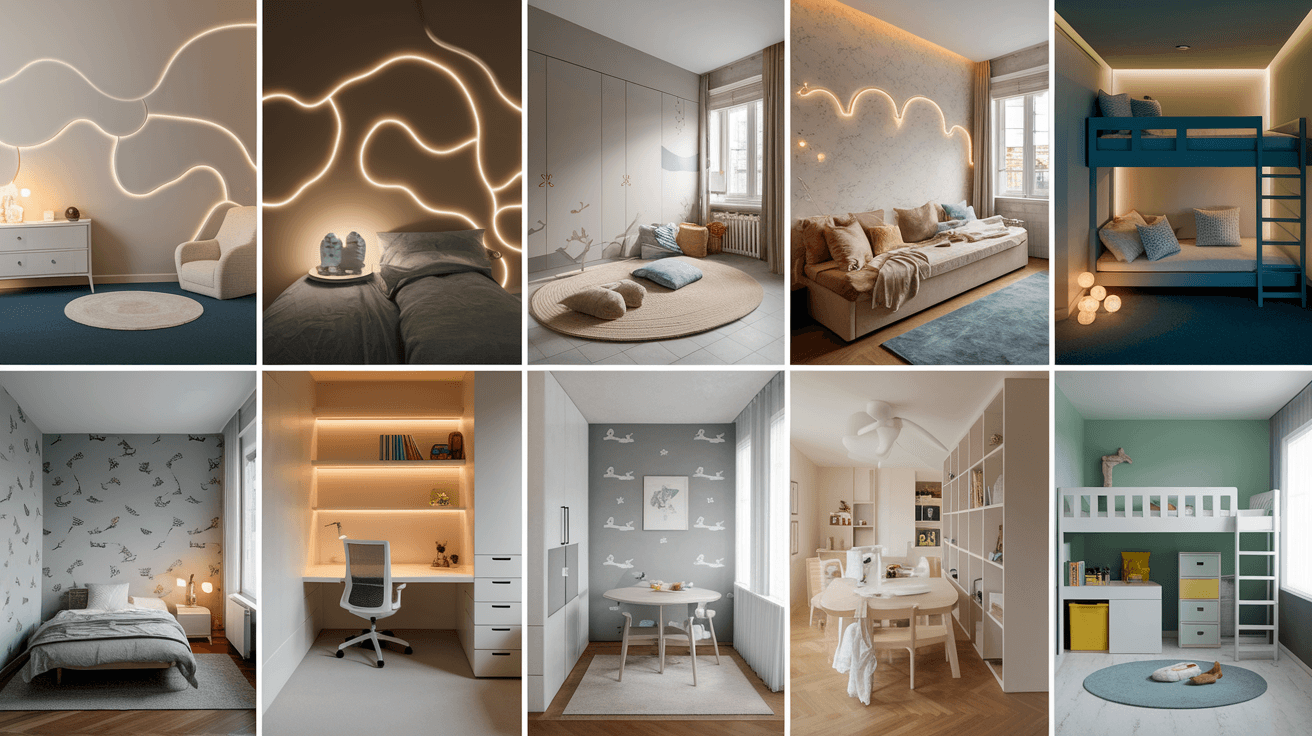
In this post, you’ll discover simple ways to layer texture, choose soothing colors, and create cozy nooks that kids will love spending time in. Whether you’re working with a small shared room or a spacious nursery upgrade, these ideas adapt to any budget and style. Get ready to find inspiration that turns chaos into calm, one corner at a time.
1. Soft Pastel Color Palette
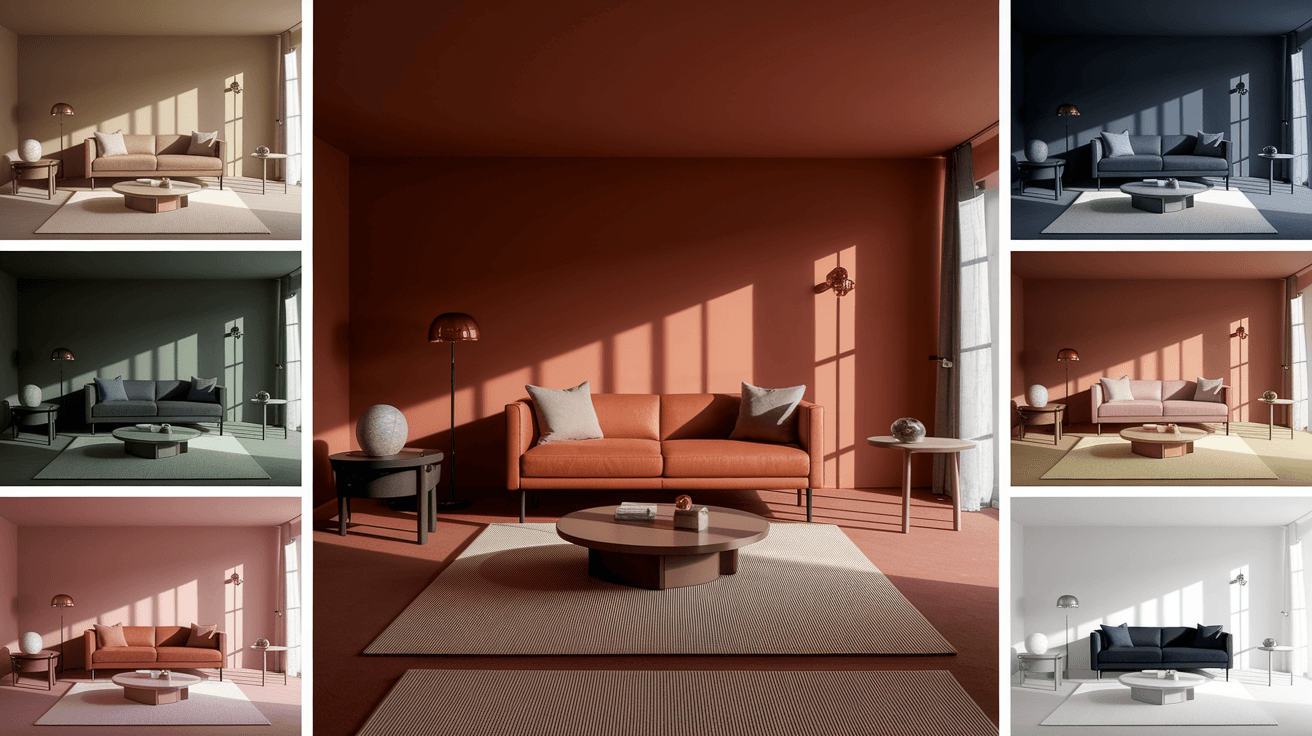
Pastel colors like blush pink, sage green, and powder blue instantly soften a room’s energy and create a peaceful backdrop. These gentle hues reflect light beautifully without feeling harsh or overstimulating, making them ideal for daytime play and nighttime wind-down. Painting just one accent wall in a soft tone can completely change the mood of a space. Pair pastels with white trim and natural wood furniture for a fresh, airy feel.
Unlike bold primary colors that can energize a room too much, pastels promote relaxation and help little ones settle faster. They also age gracefully, so your child won’t outgrow the palette as quickly as trendy bright colors. Layering different pastel shades through bedding, curtains, and rugs adds depth without clutter.
Best For: Nurseries, toddler rooms, and shared sibling spaces
Pro Tip: Test paint swatches in natural light before committing.
2. Layered Soft Textiles and Rugs
Nothing makes a room feel calmer than soft textures underfoot and around the bed. A plush area rug, layered with a cozy throw blanket and extra pillows, instantly adds warmth and comfort to any kids bedroom. These textures invite children to curl up and relax after a busy day. Choose natural fibers like cotton or wool for breathability and durability.
Layering also gives you flexibility to mix patterns and textures without overwhelming the space, as long as you stick to a cohesive color story. A fluffy rug by the bed softens the transition from floor to bed and feels wonderful underfoot. Adding a knit blanket at the foot of the bed brings texture and visual interest.
Best For: Reading corners, bedside areas, and play spaces
Pro Tip: Layer at least two textures for instant coziness.
3. Warm Dimmable Lighting
Harsh overhead lighting can make any bedroom feel clinical and uninviting, especially for kids sensitive to bright lights at bedtime. Swapping in warm-toned bulbs and adding a dimmer switch gives you full control over the room’s atmosphere throughout the day. Soft string lights or a small table lamp near the bed create a gentle glow that signals it’s time to wind down. This simple change can ease the transition to sleep.
Consider adding a nightlight with a warm amber tone instead of cool white or blue light, which can disrupt natural sleep cycles. Layering multiple light sources, like a ceiling fixture, desk lamp, and nightlight, gives you flexibility for different moods. Dimming the lights about thirty minutes before bedtime helps signal that sleep is coming.
Best For: Bedtime routines, reading nooks, and nurseries
Pro Tip: Use warm bulbs under 2700K for cozy evenings.
4. Nature-Inspired Wall Decals
Bringing elements of nature indoors through wall decals creates a calming visual escape without requiring permanent changes to the room. Soft clouds, gentle mountains, or scattered stars across the ceiling can transform a plain wall into a dreamy backdrop. These decals are easy to apply and remove, making them perfect for renters or kids who like to change decor often. Choose muted, earthy tones rather than bright cartoon colors for a soothing effect.
Nature themes also tap into a child’s natural curiosity about the world, sparking imagination during quiet play. A wall of soft green leaves or a watercolor forest scene can make a small room feel more expansive and peaceful. Combining decals with coordinating bedding ties the whole look together seamlessly.
Best For: Accent walls, above the headboard, and ceilings
Pro Tip: Stick to two or three nature colors maximum.
5. Cozy Reading Corner
Every calming kids bedroom benefits from a dedicated reading nook where children can retreat for quiet time. A small armchair, floor cushion, or tent-style canopy paired with a soft blanket creates an inviting spot just for books. Adding a small shelf or basket nearby keeps favorite stories within easy reach. This corner becomes a peaceful escape from screens and noise throughout the day.
Position the reading nook near a window for natural light during the day, and add a small lamp for evening use. Filling the space with soft pillows in varying sizes makes it extra comfortable for curling up. Even a tiny corner can become a beloved spot if it feels warm and inviting.
Best For: Corners, window nooks, and under-loft spaces
Pro Tip: Add a small basket for easy book access.
6. Minimalist Furniture Layout
A cluttered room can quickly become overwhelming for both kids and parents, so keeping furniture simple and purposeful goes a long way toward creating calm. Choose a few key pieces, like a bed, a small dresser, and a desk, rather than filling every available space. This approach gives children room to move and play without tripping over furniture. Open floor space also makes cleaning and tidying much easier.
Multi-functional furniture, like a bed with built-in storage drawers, helps you maximize space without adding visual clutter. Choosing furniture in similar tones or finishes creates a cohesive, uncluttered look throughout the room. Leaving some empty wall space also gives the eyes a place to rest, contributing to overall calm.
Best For: Small bedrooms, shared rooms, and studio layouts
Pro Tip: Keep only essential furniture pieces in the room.
7. Soothing White Noise Machine
Sound plays a huge role in how calm a bedroom feels, especially for children who are easily woken by household noise. A white noise machine or small speaker playing gentle rain, ocean waves, or soft instrumental music can help mask disruptive sounds. This creates a consistent, soothing audio environment that supports deeper, more restful sleep. Many machines also double as nightlights, combining two calming elements in one device.
Placing the machine on a nightstand or shelf near the bed ensures the sound is close enough to be effective without being too loud. Experimenting with different sounds helps you find what works best for your child’s preferences. Consistency is key, so using the same sound every night helps build a reliable bedtime routine.
Best For: Nurseries, light sleepers, and shared rooms
Pro Tip: Keep volume low and consistent every night.
8. Canopy or Tent Bed
A canopy or tent over the bed creates a cozy, enclosed feeling that many children find comforting and secure. Soft, flowing fabric in a neutral or pastel tone adds a dreamy, whimsical touch without overpowering the room’s overall design. This setup gives kids their own little private space, almost like a hideaway, which can be especially soothing during transitions like moving to a new room. It also adds beautiful texture and softness overhead.
Canopies work well over both standard beds and bunk beds, and they’re relatively simple to install with a ceiling-mounted hoop or frame. Choosing breathable fabrics like cotton or muslin ensures the canopy doesn’t trap heat or feel stuffy. Adding fairy lights inside the canopy creates a magical glow perfect for storytime.
Best For: Beds, reading nooks, and play tents
Pro Tip: Choose lightweight, breathable fabric for canopies.
9. Earthy Wood Tones
Incorporating natural wood elements, whether through furniture, flooring, or decorative accents, brings warmth and grounding energy into a child’s bedroom. Wood tones pair beautifully with soft pastels and muted neutrals, creating a balanced and organic feel throughout the space. A wooden bed frame, nightstand, or set of floating shelves adds texture without feeling heavy or overwhelming. This natural element helps connect the room to the outdoors in a subtle way.
Light woods like oak, pine, or birch tend to feel airier and more calming than darker, heavier wood tones. Mixing wood furniture with soft textiles, like linen curtains or a knit throw, balances the warmth with comfort. Wood toys and decorative pieces also add a timeless quality that won’t feel dated as your child grows.
Best For: Furniture, shelving, and decorative accents
Pro Tip: Mix light wood tones with soft textile layers.
10. Blackout Curtains
Light control is one of the most overlooked yet impactful factors in creating a calming sleep environment for kids. Blackout curtains block outside light from streetlights, early morning sun, or passing cars, helping children fall asleep faster and stay asleep longer. These curtains come in countless colors and patterns, so you don’t have to sacrifice style for function. Layering them behind a sheer curtain also adds softness during the day.
For kids who nap during daytime hours, blackout curtains are especially valuable in maintaining consistent sleep schedules year-round. Choosing curtains in calming colors that match the room’s palette ensures they blend seamlessly into the design. Installing curtain rods slightly wider than the window frame helps block light from sneaking in around the edges.
Best For: Windows, nurseries, and nap-time rooms
Pro Tip: Hang curtains wider than the window frame.
11. Soft Animal or Plush Accents
Adding a few carefully chosen plush animals or soft sculptural decor pieces brings warmth and a sense of comfort to a child’s room. These accents work well on shelves, beds, or reading nooks, offering both decoration and a source of comfort for little ones. Choosing pieces in muted, neutral tones keeps the look cohesive rather than cluttered or overly playful. A few well-placed items go a long way toward creating a cozy atmosphere.
These soft touches also give children something familiar and comforting to hold onto during nap time or bedtime, which can ease separation anxiety. Rotating a few favorite plush items seasonally keeps the room feeling fresh without a full redecorating effort. Displaying them on a shelf or in a basket keeps the room tidy while still showcasing these pieces.
Best For: Shelves, beds, and reading corners
Pro Tip: Limit plush decor to a few favorites only.
12. Calming Wall Art and Prints
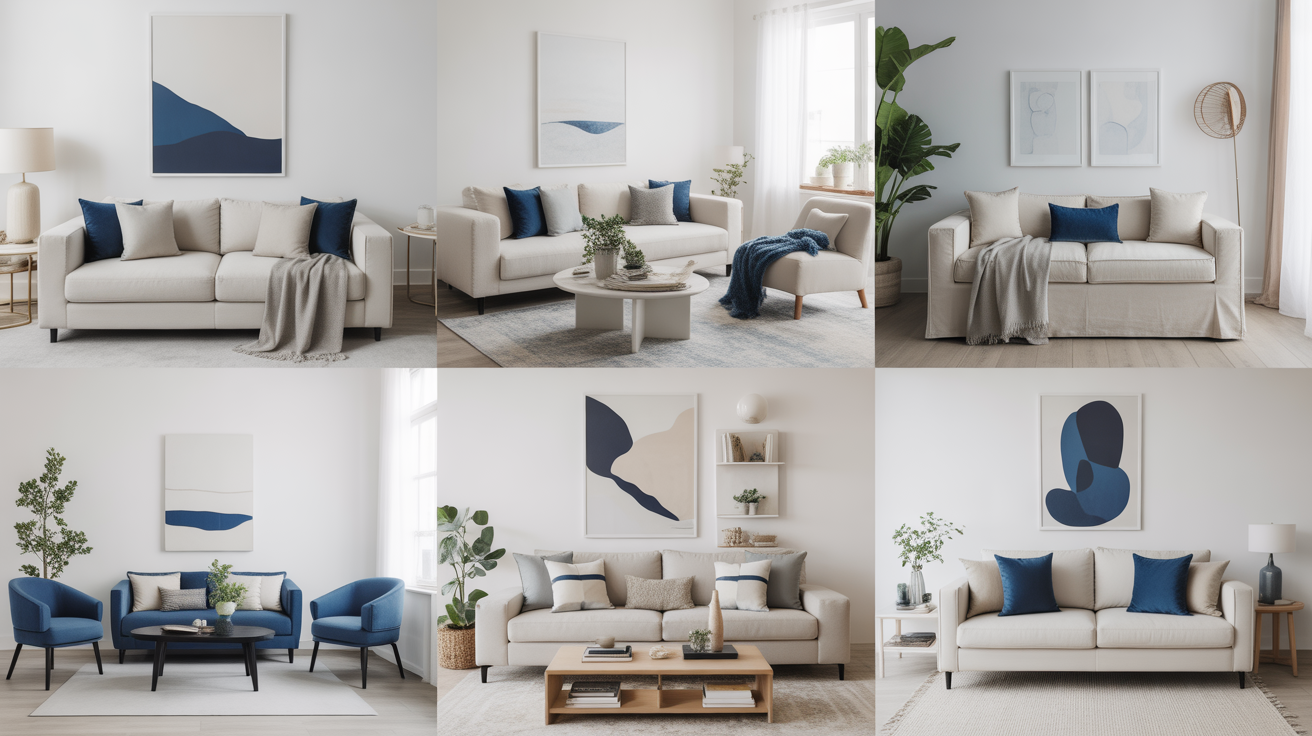
Thoughtfully chosen wall art can set the entire tone for a child’s bedroom, so opting for soft, soothing imagery makes a noticeable difference. Watercolor paintings, gentle landscapes, or abstract shapes in muted tones create visual interest without feeling busy or chaotic. Framing prints in simple, light wood or white frames keeps the focus on the artwork itself. Grouping a few pieces together on one wall creates a gallery effect that feels intentional and curated.
Avoid overly bright, cartoonish artwork in favor of pieces that feel timeless and gentle on the eyes. Art featuring soft animals, botanical illustrations, or dreamy skies tends to work particularly well in calming spaces. Hanging art at a child’s eye level also makes the room feel more personal and engaging for them.
Best For: Above the bed, gallery walls, and shelves
Pro Tip: Choose muted artwork over bright, busy prints.
13. Hidden Storage Solutions
Clutter is one of the biggest enemies of a calm bedroom, so investing in smart storage solutions helps keep the space organized and serene. Baskets, bins, and furniture with built-in storage allow toys, books, and clothes to be tucked away out of sight quickly. Under-bed storage drawers are especially useful in smaller rooms where floor space is limited. Keeping surfaces clear also makes the room feel more spacious and peaceful overall.
Labeling storage bins with pictures or words helps kids learn to put away their own belongings, building independence while keeping the room tidy. Choosing storage pieces that match the room’s color palette ensures they blend in rather than standing out. A designated spot for everything reduces the visual chaos that can make a room feel overwhelming.
Best For: Closets, under beds, and play areas
Pro Tip: Use labeled bins so kids can self-organize.
14. Soft Window Seat Nook
If your child’s room has a window with enough ledge space, transforming it into a cozy window seat creates an instant calming retreat. Adding a cushion, a few pillows, and a soft throw blanket turns this often-overlooked area into a favorite spot for daydreaming or reading. Natural light pouring in during the day makes this nook especially inviting and bright. It’s a wonderful way to make use of otherwise wasted space.
Window seats also offer a great vantage point for kids to watch the outdoors, which can be naturally soothing and grounding. Adding curtains on either side of the nook allows for privacy and coziness during quiet time. Storage benches with seat cushions provide hidden storage along with comfortable seating.
Best For: Bay windows, alcoves, and bright corners
Pro Tip: Add a storage bench for seating and tidiness.
15. Neutral Bedding with Cozy Layers
The bed is the focal point of any bedroom, so choosing soft, neutral bedding sets a calming tone for the entire space. Crisp white sheets paired with a textured quilt or knit blanket create a cozy, hotel-like feel that still feels comfortable for kids. Adding a few decorative pillows in soft accent colors brings personality without overwhelming the simplicity of the base layers. This layered approach feels both calming and inviting.
Natural fabrics like cotton and linen breathe better than synthetic materials, helping kids stay comfortable throughout the night. Choosing bedding that’s machine washable also makes practical sense for busy households with little ones. Sticking to a neutral base allows you to easily swap accent pillows as tastes change over time.
Best For: Beds, daybeds, and bunk beds
Pro Tip: Choose breathable cotton or linen bedding materials.
16. Botanical and Plant Touches
Adding a few real or faux plants to a child’s bedroom brings a fresh, organic element that naturally promotes calm. Plants like pothos, snake plants, or faux eucalyptus add greenery without requiring much maintenance, making them practical for busy families. Placing a small plant on a shelf or windowsill introduces a pop of natural color that complements pastel and neutral palettes beautifully. This touch of nature helps the room feel alive and fresh.
If real plants aren’t practical due to safety concerns with younger children, high-quality faux plants offer the same visual benefits without any worry. Botanical prints on bedding or wall art can also bring this nature-inspired theme into the room in a safer way. Even small touches, like a vase of dried flowers, add softness and warmth.
Best For: Shelves, windowsills, and desk corners
Pro Tip: Choose faux plants for younger children’s safety.
17. Soft Area for Yoga or Stretching
Creating a small dedicated space for gentle movement, like yoga or stretching, helps children develop healthy habits for managing big emotions and energy. A soft mat or rug paired with a few pillows designates this area without requiring much square footage. This space can double as a calm-down corner during moments of frustration or overstimulation. Having a designated spot for movement and breathing exercises supports emotional regulation in young kids.
Decorating this area with calming visuals, like a poster showing simple stretches or breathing exercises, makes it more inviting for children to use independently. Soft lighting and minimal distractions in this corner help reinforce its purpose as a quiet retreat. Even five minutes of stretching or deep breathing can help reset a child’s mood.
Best For: Corners, playrooms, and shared spaces
Pro Tip: Add a calming poster with simple breathing exercises.
18. Personalized Name Decor
Adding a child’s name to their bedroom decor, whether through wall letters, a custom sign, or an embroidered pillow, gives the space a personal, welcoming touch. This small detail helps children feel a sense of ownership and pride in their room, which can support emotional security. Choosing soft, neutral fonts and materials keeps the personalization feeling calm rather than loud or flashy. Wooden letters or fabric banners work particularly well for this purpose.
Personalized decor also makes a wonderful addition above a bed, on a door, or as part of a gallery wall arrangement. These pieces can be updated or moved as your child grows, offering long-term flexibility. Combining a name sign with soft string lights creates a charming focal point in the room.
Best For: Above beds, doors, and gallery walls
Pro Tip: Use soft fonts and natural materials for names.
19. Soft Ceiling Details
Ceilings are often overlooked in bedroom design, but adding soft details overhead can dramatically enhance the calming atmosphere of a room. A soft cloud mobile, hanging stars, or paper lanterns in muted tones add gentle visual interest without cluttering wall or floor space. Painting the ceiling a very pale, soft color, rather than leaving it stark white, can also create a cozier, more enveloping feel. These details draw the eye upward in a soothing way.
For kids who spend time lying in bed looking up, ceiling details become a meaningful part of their daily visual experience. Glow-in-the-dark stars or soft LED string lights arranged in patterns add a magical touch for bedtime. Keeping these details minimal and soft-toned ensures they enhance rather than overwhelm the room.
Best For: Above beds, play areas, and nurseries
Pro Tip: Add soft mobiles or string lights overhead.
20. Calming Scent Diffuser
Introducing gentle, child-safe scents into a bedroom through a diffuser can support relaxation and signal bedtime routines. Soft scents like lavender, chamomile, or vanilla are known for their calming properties and work well in small doses. Placing a diffuser on a dresser or shelf away from little hands ensures safety while still benefiting from the soothing aroma. This sensory element adds another layer to the room’s peaceful atmosphere.
Using the diffuser consistently as part of a bedtime routine helps children associate the scent with winding down for sleep. Choosing unscented or very lightly scented options is best for children with sensitivities or allergies. Combining gentle scents with soft lighting and quiet music creates a multi-sensory calming experience.
Best For: Dressers, shelves, and bedside tables
Pro Tip: Place diffusers safely out of children’s reach.
21. Soft Curtains and Window Treatments
Beyond blackout functionality, the style and texture of window treatments play a big role in a room’s overall coziness. Flowing, lightweight curtains in soft pastel or neutral tones add gentle movement and softness to any window. Layering sheer curtains with heavier blackout panels gives you flexibility for both daytime brightness and nighttime darkness. This combination adds both function and beauty to the room.
Choosing curtains with subtle texture, like linen or waffle weave, adds visual interest without introducing busy patterns. Curtain length matters too, as floor-length panels tend to feel more elegant and calming than shorter ones. Coordinating curtain colors with bedding and wall tones ties the whole room together effortlessly.
Best For: Windows, French doors, and reading nooks
Pro Tip: Layer sheer and blackout curtains for flexibility.
22. Soft Play Mat Area
Designating a soft, cushioned area for play helps contain mess while giving kids a comfortable spot for activities like building blocks or coloring. A large, neutral-toned play mat or foam tiles in muted colors blend seamlessly into the room’s design while providing a safe surface for play. This area can be easily defined with a rug or low shelving without needing walls or dividers. Keeping this space organized supports the overall calm of the room.
Choosing a play mat in soft, earthy tones rather than bright primary colors helps it feel like part of the room’s design rather than a separate “kid zone.” Storing toys nearby in baskets or bins makes cleanup quick and easy at the end of the day. This dedicated space also helps establish boundaries between play time and rest time.
Best For: Play corners, shared rooms, and floor space
Pro Tip: Choose neutral-toned mats that blend with decor.
23. Gentle Wall Color for Ceilings and Trim
Extending soft color choices to the ceiling and trim, rather than sticking with stark white everywhere, creates a more cohesive and enveloping calm. A pale, slightly tinted white or soft off-white on trim and ceiling helps the room feel warmer and more unified. This subtle approach avoids harsh contrast between walls and other surfaces, which can feel jarring in a space meant for rest. The overall effect is softer and more harmonious.
Testing paint samples on multiple walls and the ceiling helps you see how colors interact with natural and artificial light throughout the day. Soft, warm whites with hints of cream or beige tend to feel cozier than cool, stark whites. This small adjustment ties together all the other calming elements in the room.
Best For: Ceilings, trim, and door frames
Pro Tip: Choose warm off-whites over stark cool whites.
Final Thoughts
Creating a calming kids bedroom doesn’t require a complete overhaul or a huge budget. By choosing just a few ideas from this list, whether it’s adding soft lighting, layering cozy textiles, or introducing a calming scent, you can transform any space into a peaceful retreat your child will love. Start small, pick the changes that feel most achievable for your home, and watch how even simple updates make a big difference. There’s no better time than now to begin creating the cozy, soothing space your little one deserves.
We hope these ideas inspired you to see your child’s bedroom in a whole new light, full of comfort, warmth, and calm. Let your space become a true retreat for rest, play, and growing imaginations every single day. For more inspiring decor ideas, visit us at TrendyDecorGuide.com!