
20 Small Daycare Room Ideas to Maximize Space and Fun
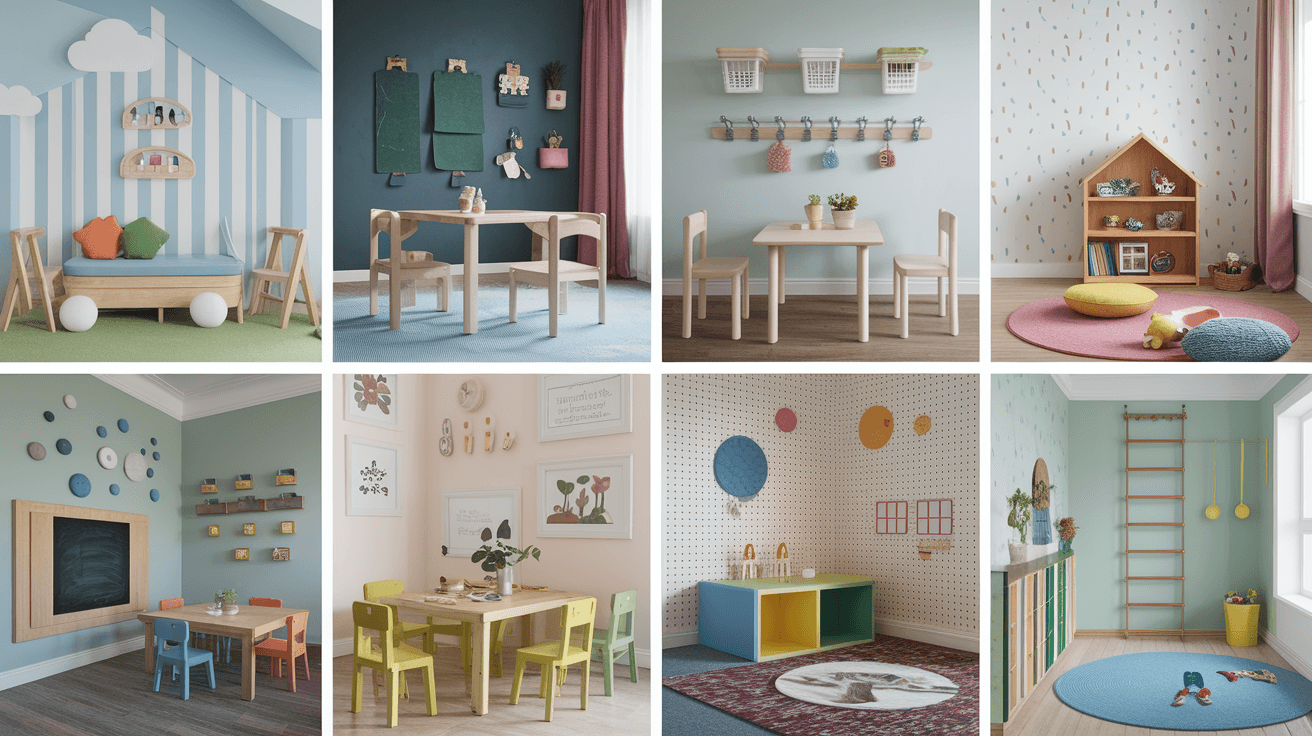
Designing a small daycare room can feel like a challenge, but it’s also a wonderful opportunity to create a warm, engaging, and functional space for little ones. Every decision—from colors and furniture to storage and play areas—can make a big difference in how spacious and inviting the room feels.
These 20 small daycare room ideas are designed to help you maximize space without sacrificing style or comfort. From clever storage solutions and multi-functional furniture to cozy reading nooks and interactive walls, each idea focuses on creating a practical yet playful atmosphere.
1. Bright and Airy Color Palette

Using light, cheerful colors like soft yellows, pastel blues, and gentle greens can instantly make a small daycare room feel more spacious. Bright walls reflect natural light, creating an uplifting environment where children feel energized and happy. Pair these hues with neutral flooring to balance the vibrancy and maintain a clean, organized look.
Adding pops of color through cushions, rugs, and artwork can bring personality without overwhelming the space. Use vertical wall displays for learning materials or children’s art to draw the eye upward, giving the illusion of height. This strategy keeps the room playful while maximizing visual space.
Best For: Small daycares with minimal natural light.
Pro Tip: Use washable, low-VOC paints to keep the room safe and easy to maintain.
2. Multi-Functional Furniture

In a small daycare room, furniture that serves multiple purposes is essential. Consider tables that double as storage bins, foldable chairs, or cubbies with built-in seating. This approach reduces clutter and keeps toys, books, and supplies neatly organized, allowing more floor space for play.
Stackable chairs and modular tables can be rearranged for group activities or individual playtime. Multi-functional furniture ensures that the daycare remains adaptable for various age groups and learning styles, providing both comfort and flexibility.
Best For: Daycare rooms with limited floor space.
Pro Tip: Choose furniture made from lightweight, durable materials for easy rearrangement and cleaning.
3. Creative Storage Solutions

Storage is a key challenge in small daycare rooms, but clever solutions make all the difference. Use wall-mounted shelves, over-the-door organizers, and labeled bins to keep toys and supplies accessible yet out of the way. Transparent containers allow children and staff to quickly see contents, promoting independence and organization.
Hooks at child-friendly heights can hold backpacks, art smocks, or hats, while low cubbies can store books and puzzles. Efficient storage frees up valuable floor space for play, encourages tidiness, and teaches children responsibility in caring for their belongings.
Best For: Daycares struggling with clutter.
Pro Tip: Rotate toys weekly to prevent overcrowding and maintain engagement.
4. Cozy Reading Nooks

A cozy corner with soft cushions, a small bookshelf, and gentle lighting invites children to explore books in comfort. Reading nooks can double as quiet areas for relaxation or independent learning, providing a calm escape within a lively daycare. Choose themed decorations or soft rugs to make it visually appealing.
Position the nook near natural light if possible and use lightweight, portable furniture to adapt the space for storytime sessions. Adding playful wall decals or small plants can enhance the inviting atmosphere without crowding the room.
Best For: Encouraging literacy and calm moments.
Pro Tip: Use soft, machine-washable fabrics for easy cleaning and maintenance.
5. Interactive Wall Spaces

Transform walls into learning tools by installing chalkboards, whiteboards, or felt boards. Interactive walls engage children in creative play and educational activities without taking up floor space. Rotating displays or themed sections keep content fresh and relevant.
You can also add magnetic boards for letters and shapes, or sensory boards with textures and small manipulatives. This setup encourages hands-on learning while optimizing small daycare room dimensions, making walls an active part of daily activities.
Best For: Small rooms needing interactive learning opportunities.
Pro Tip: Keep wall features at child height for easy access and engagement.
6. Low-Height Activity Tables

Low-height tables designed for children make group activities, crafts, and snack time comfortable and accessible. By keeping furniture child-sized, kids can move freely and participate independently, fostering confidence and social interaction. These tables also help define activity zones within a small daycare room, maximizing usable floor space.
Choose tables with rounded edges for safety and durability. Foldable or modular designs allow you to reconfigure the room for larger activities or circle time. Pair with small, colorful chairs to create an inviting, organized, and playful learning environment.
Best For: Craft sessions, group learning, and snack areas.
Pro Tip: Opt for tables with built-in storage underneath to combine seating with functionality.
7. Multi-Sensory Corners

A small daycare room benefits greatly from a multi-sensory corner that engages sight, sound, touch, and even smell. Use textured rugs, soft lighting, tactile toys, and gentle sound elements to create a calming, stimulating space. This encourages exploration and supports children with different learning needs.
Incorporate interactive panels, sensory bins, or soft wall panels to enrich learning. Rotating sensory elements keeps the area fresh and exciting, while maintaining order. These corners are especially valuable in compact spaces where floor room is limited but experiential learning is prioritized.
Best For: Developing fine motor skills and sensory awareness.
Pro Tip: Use clear labels and storage bins to quickly switch sensory materials without clutter.
8. Vertical Play Zones

When floor space is limited, think vertical. Wall-mounted climbing structures, hanging tunnels, or peg boards allow kids to engage in physical play safely while freeing up the ground for other activities. Vertical zones also encourage strength, balance, and coordination in a compact area.
Incorporate colorful graphics or soft padding for safety and visual appeal. You can rotate hanging toys or climbing features seasonally to keep the play zone exciting. Vertical play is a clever solution for small daycare rooms that need active learning without sacrificing space.
Best For: Active toddlers and preschoolers needing movement.
Pro Tip: Always install vertical elements securely and check regularly for safety.
9. Themed Learning Corners

Divide your small daycare room into themed corners, such as a pretend kitchen, building block area, or nature zone. Even in limited space, these micro-environments provide structure, focus, and excitement for children while teaching different skills. Themes spark creativity and allow kids to explore interests in organized ways.
Use rugs, low shelves, and color-coded storage to define each corner. Rotate themes periodically to maintain engagement and ensure all children experience a variety of learning activities. This approach keeps the room organized while offering endless playful possibilities.
Best For: Encouraging imaginative play and structured learning.
Pro Tip: Keep themes flexible so corners can be adapted for seasonal or curriculum-based activities.
10. Mirrors for Spatial Awareness

Adding mirrors to a small daycare room does more than enhance aesthetics—it creates the illusion of a larger space and helps children develop spatial awareness. Full-length or low-mounted mirrors allow kids to observe themselves during activities, promoting self-recognition and coordination.
Position mirrors near activity areas or dance/play zones for interactive fun. Choose shatterproof materials to ensure safety. Mirrors can also reflect natural light, brightening the room and making it feel more open, cheerful, and inviting.
Best For: Dance, movement, and imaginative play areas.
Pro Tip: Mount mirrors securely at child height and avoid direct sunlight to prevent glare.
11. Rolling Storage Carts

Rolling storage carts are a lifesaver in small daycare rooms, providing mobile, flexible storage for toys, art supplies, and learning materials. These carts can be moved between activity zones, making setup and cleanup quick and easy. The compact design maximizes floor space while keeping essential items within reach.
Choose carts with multiple tiers and durable wheels for smooth mobility. Label each section clearly to teach kids organization skills. Rolling carts allow staff to adapt the room layout for different activities without permanently dedicating space, making them both practical and versatile.
Best For: Art supplies, toys, and shared materials.
Pro Tip: Keep lightweight items on top shelves for safety and ease of movement.
12. Low Storage Shelving

Low, open shelving units make it easy for children to access books, puzzles, and educational toys independently. These units keep items organized while visually expanding the room, as kids can see everything at a glance. They also double as natural dividers for activity zones.
Arrange shelves in a way that encourages exploration without crowding the room. Combine bins, baskets, and labeled trays for a tidy appearance. Low shelving teaches kids responsibility by making cleanup simple and helps maintain a clutter-free, functional daycare environment.
Best For: Promoting independence and easy organization.
Pro Tip: Use color-coded bins to help children identify where items belong quickly.
13. Wall-Mounted Art Displays

Display children’s artwork using wall-mounted rails, clipboards, or corkboards to save space while celebrating creativity. Rotating artwork frequently keeps the room fresh and gives children a sense of pride and accomplishment. This method also frees up countertops and tables for other activities.
Use themed or seasonal displays to add vibrancy without taking up floor space. Incorporating art into vertical spaces encourages children to engage with their environment creatively. Wall-mounted displays create an inspiring atmosphere that motivates learning and self-expression.
Best For: Small rooms needing visual stimulation.
Pro Tip: Keep display items at eye level for children to see and interact with comfortably.
14. Nature-Inspired Corners

Even in small daycare rooms, incorporating natural elements—like plants, sensory bins with soil or sand, or small indoor gardens—can create a calming, stimulating environment. Nature-inspired corners foster curiosity, mindfulness, and learning about the world around them.
Choose child-safe, low-maintenance plants or artificial greenery if natural light is limited. Add tactile elements like pebbles, leaves, or soft wood textures to enhance the sensory experience. This setup encourages exploration without requiring extra space, making it perfect for compact daycares.
Best For: Sensory learning and calm, reflective moments.
Pro Tip: Rotate natural elements regularly to maintain interest and safety.
15. Modular Play Mats

Soft, modular play mats define play zones, provide cushioning, and add color to a small daycare room. Mats can be rearranged for different activities, from reading corners to active play areas, offering flexibility without taking up permanent space. They also protect children from slips and bumps during play.
Choose mats with easy-to-clean surfaces and interlocking designs for versatility. Use bright colors or themed prints to stimulate imagination and designate specific zones. Modular mats are an affordable, functional solution to enhance safety and comfort while maximizing small spaces.
Best For: Active toddlers and indoor play areas.
Pro Tip: Store mats vertically when not in use to free up floor space efficiently.
16. Foldable Activity Panels

Foldable activity panels allow children to engage in learning games, puzzles, or artistic activities while saving floor space when not in use. These panels can be set up quickly for group play and folded away for free play or other activities, making them highly versatile in small daycare rooms.
Choose panels with multiple activity options, such as abacus beads, shape sorters, or magnetic boards. Lightweight designs make them easy to move and store, allowing daycare staff to adapt the room layout seamlessly while keeping children engaged.
Best For: Flexible learning and compact spaces.
Pro Tip: Label each activity section to guide children and encourage independent play.
17. Hanging Storage Pockets

Hanging storage pockets are a space-saving solution for small daycare rooms, perfect for holding art supplies, toys, or learning materials. They can be mounted on walls or the back of doors, keeping essential items accessible without cluttering floors or tables.
Use pockets with clear or mesh fronts so children and staff can quickly see contents. Group items by category to maintain organization and reduce cleanup time. Hanging storage pockets are a simple way to optimize vertical space while keeping the room neat and inviting.
Best For: Small rooms with limited shelving options.
Pro Tip: Place pockets at child height for easy access and independence.
18. Soft Seating Areas

Incorporating soft seating like bean bags, cushions, or small sofas creates comfortable zones for reading, quiet play, or group discussions. These cozy areas provide children a sense of security and relaxation while adding color and texture to the room.
Choose lightweight, durable seating that can be rearranged easily. Place them in corners or near activity zones to define spaces without crowding the room. Soft seating helps balance active play with calm moments, enhancing the overall daycare experience.
Best For: Reading, quiet play, and relaxation zones.
Pro Tip: Select machine-washable covers for easy maintenance and hygiene.
19. Mini Art Stations

Even in compact daycare rooms, small art stations encourage creativity without taking over floor space. Use corner tables, portable easels, or wall-mounted panels for painting, drawing, or crafting. Keeping supplies organized nearby ensures efficiency and prevents clutter.
Rotate materials to keep activities fresh and age-appropriate. Incorporate storage for brushes, crayons, and paper in labeled bins or drawers. Mini art stations allow children to explore creativity independently while keeping the room tidy and functional.
Best For: Fostering creativity and hands-on learning.
Pro Tip: Include aprons or smocks to protect clothing and simplify cleanup.
20. Child-Friendly Mirrors and Windows

Maximizing natural light with windows and reflective surfaces helps make small daycare rooms feel more spacious. Child-friendly mirrors can also enhance self-awareness and encourage movement-based activities, like dancing or role play.
Position mirrors near active zones and place windows where sunlight can brighten the room safely. Combining light and reflection creates an open, airy atmosphere while stimulating curiosity and engagement. These elements help small spaces feel larger and more welcoming for children.
Best For: Enhancing light, space perception, and active play.
Pro Tip: Use shatterproof materials and secure installation for safety.
Final Thoughts
Designing a small daycare room doesn’t mean compromising on creativity, comfort, or functionality. These 20 small daycare room ideas show that thoughtful layouts, clever storage, and playful elements can transform even limited spaces into vibrant learning environments. From cozy reading nooks and interactive walls to modular play mats and child-sized furniture, every element contributes to an inspiring, safe, and organized room.
By applying these ideas, you can maximize space, encourage independence, and create an atmosphere where children love to learn and play. Start implementing these tips today to make your small daycare room a cheerful, practical, and engaging space for every child.
Ready to transform your small daycare room into a fun, functional space? Follow Trendy Decor Guide for more inspiring ideas and tips to create cozy, creative rooms kids will love!




One Comment