23 Kids Study Room Decor Ideas for Creative and Organized Spaces

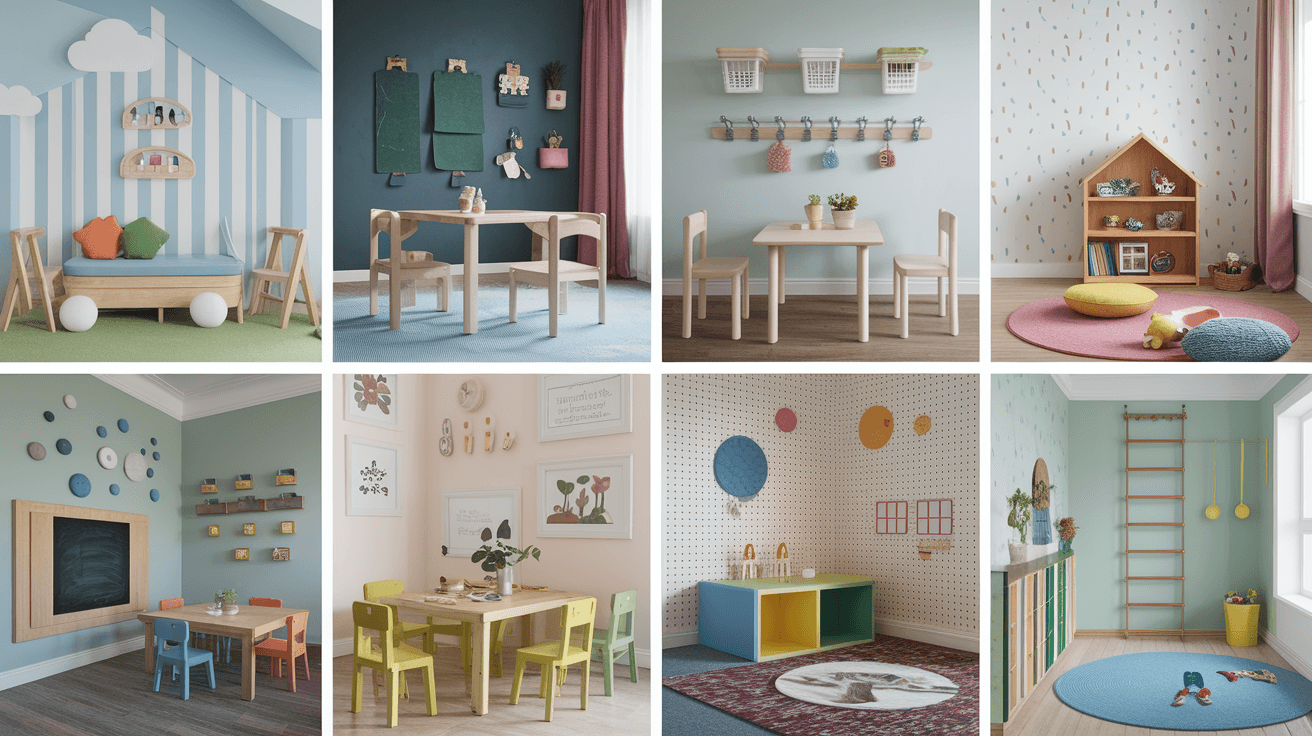
Designing a study room for kids is more than just adding a desk and chair—it’s about creating a space that sparks imagination, supports focus, and makes learning fun. A well-designed environment can encourage productivity while also giving your child a sense of comfort and belonging.
This blog on 23 Kids Study Room Decor Ideas will inspire you with creative, stylish, and practical ways to set up study spaces that blend functionality with personality. From playful corners to modern setups, these decor ideas will help you design a room where learning feels like an adventure.
1. Bright and Airy Minimalist Study Space
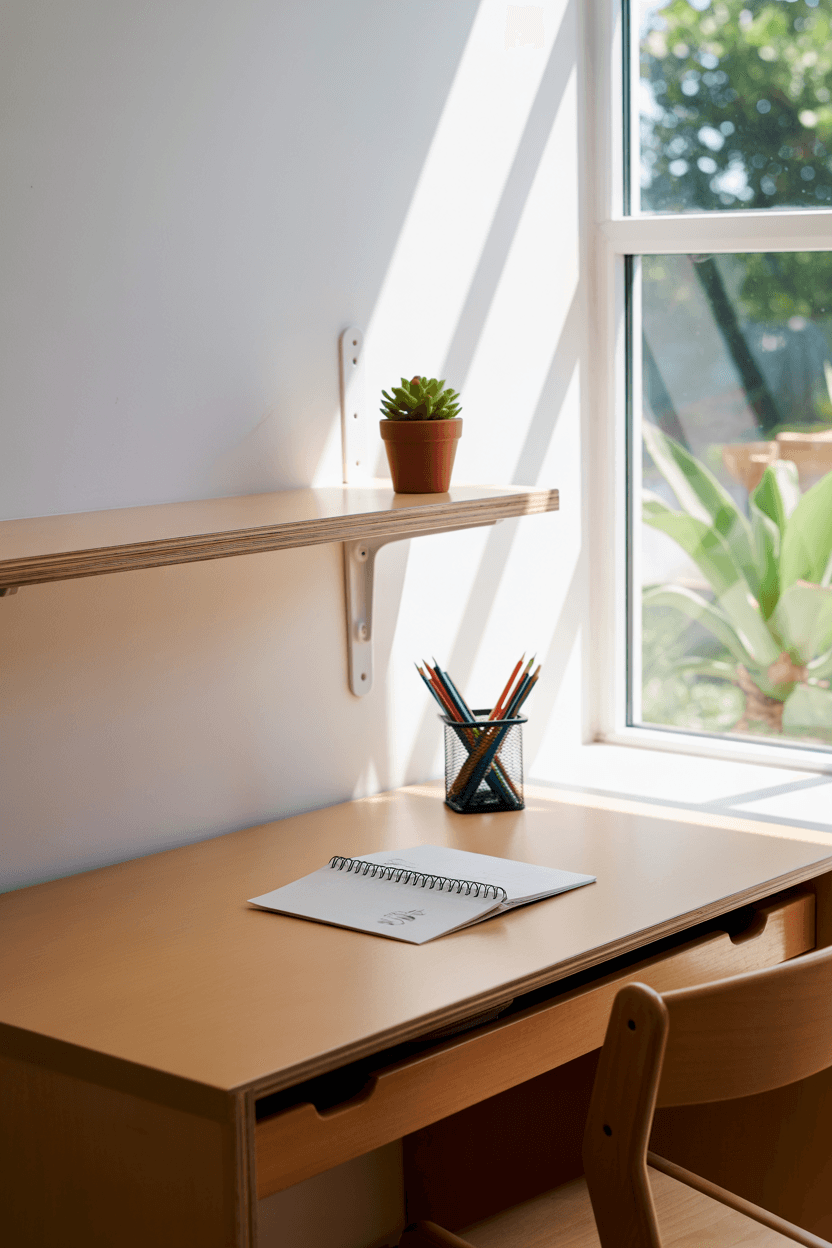
A bright and airy design with plenty of natural light is one of the best ways to make a kids’ study room feel open and inviting. White or pastel walls, paired with sleek furniture, keep the room clutter-free and calming. Minimalism helps children focus without distractions while still looking chic and modern.
Adding a small indoor plant or wall art with soft colors can bring warmth to the room without overwhelming it. Floating shelves can hold books and supplies neatly, making the study zone practical while preserving a clean aesthetic.
Best For: Families who prefer a clean, modern look that promotes focus and organization.
Pro Tip: Place the desk near a window for maximum natural light—it reduces eye strain and boosts concentration.
2. Colorful Wall Murals for Creative Energy
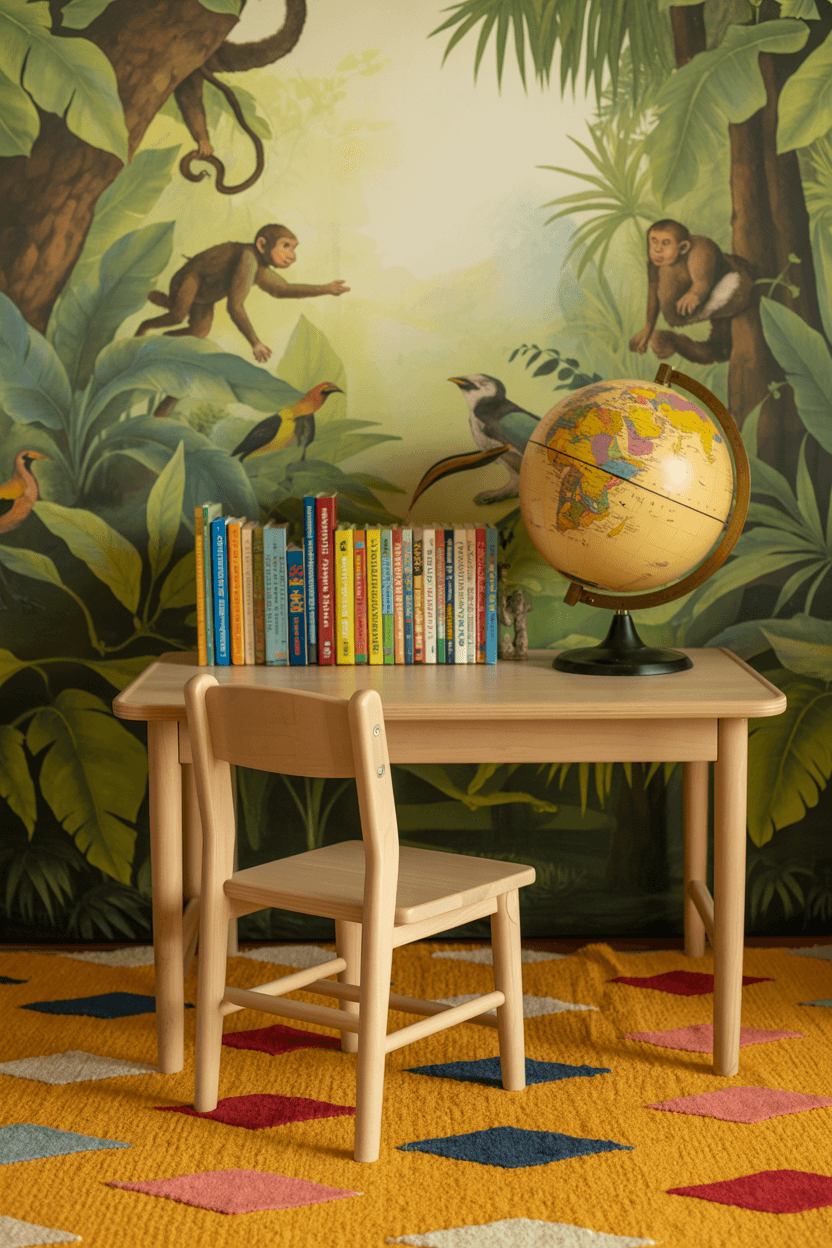
A study room doesn’t have to feel dull—vibrant wall murals can instantly energize the space. Themes like outer space, jungle adventures, or geometric patterns add personality and excitement. Kids are naturally drawn to bold visuals, and murals make studying more fun while stimulating creativity.
You can either paint murals or use removable wallpaper for easy updates as your child grows. Choosing designs that tie into their interests—like dinosaurs, planets, or books—creates a personalized learning environment that feels truly theirs.
Best For: Kids who thrive in bright, stimulating environments filled with creativity.
Pro Tip: Use removable wall decals or wallpapers so you can update the theme without a full redesign.
3. Scandinavian-Inspired Study Nook
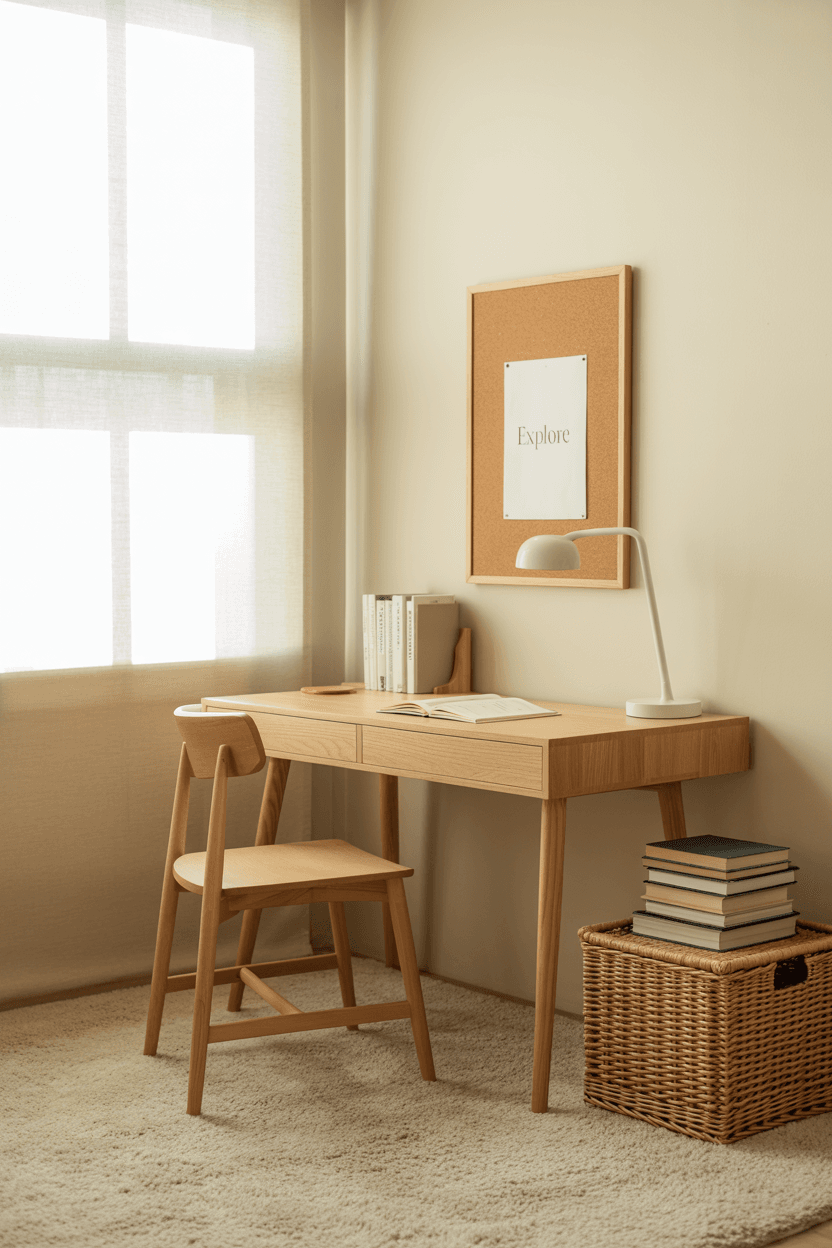
Scandinavian design is all about simplicity, light, and functionality—perfect for a kids’ study room. Light wood furniture, neutral colors, and cozy textures create a calm space that encourages focus. This timeless style grows with your child and adapts easily to changing needs.
Adding touches like woven baskets, soft rugs, and neutral-toned shelves makes the space inviting without feeling cluttered. A small corkboard or pegboard can help keep notes and artwork organized while blending into the minimalist style.
Best For: Parents who want a timeless, versatile, and clutter-free study space.
Pro Tip: Use multifunctional furniture, like desks with storage drawers, to save space while staying organized.
4. Playful Storage Solutions
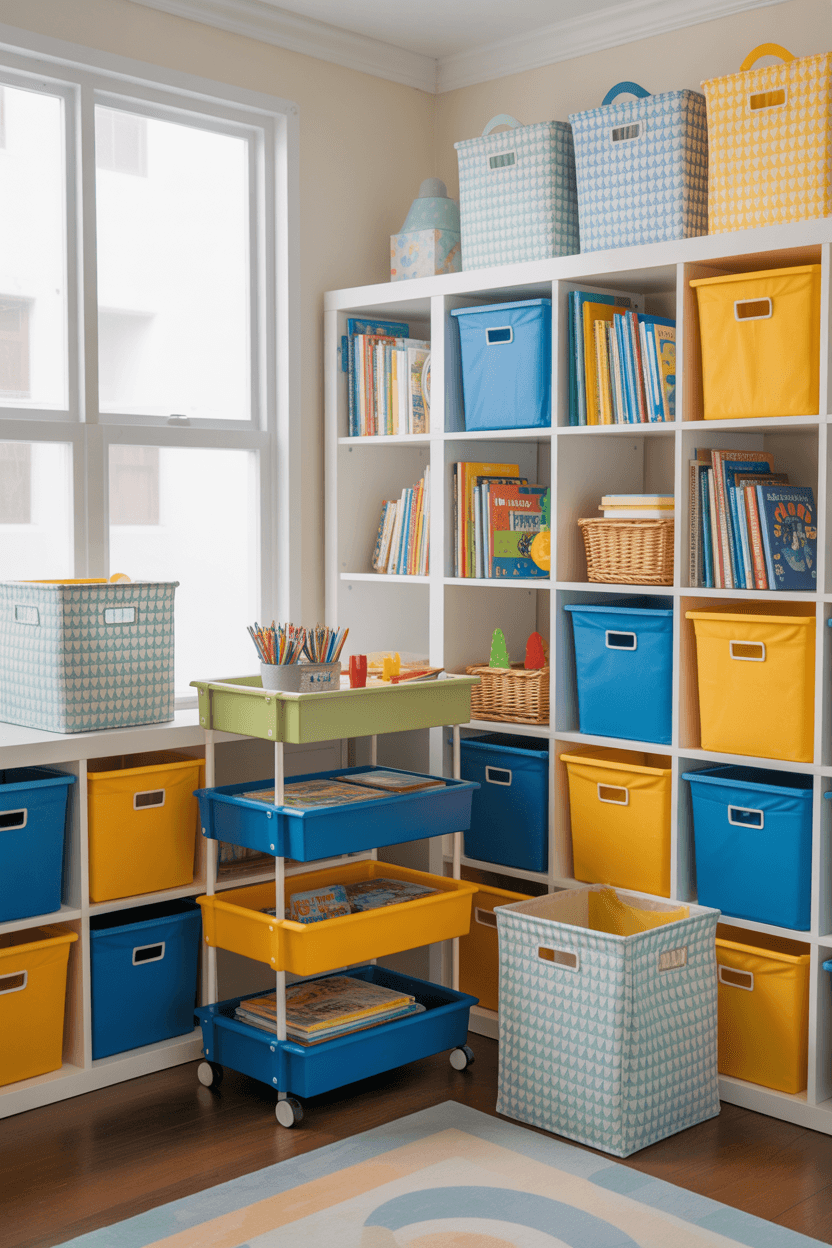
Kids often struggle with clutter, so playful storage is essential for a functional study room. Think colorful bins, cubby shelves, and rolling carts that make organization fun. Labeling each section with words or pictures helps younger kids keep things tidy on their own.
Storage that doubles as decor—like patterned baskets or painted shelving—adds charm while serving a practical purpose. When kids see organization as part of the fun, they’re more likely to keep their study space neat.
Best For: Busy families who want to keep the study room both practical and stylish.
Pro Tip: Choose open shelving at kid-friendly heights so they can easily reach and return their supplies.
5. Cozy Reading Corner Add-On
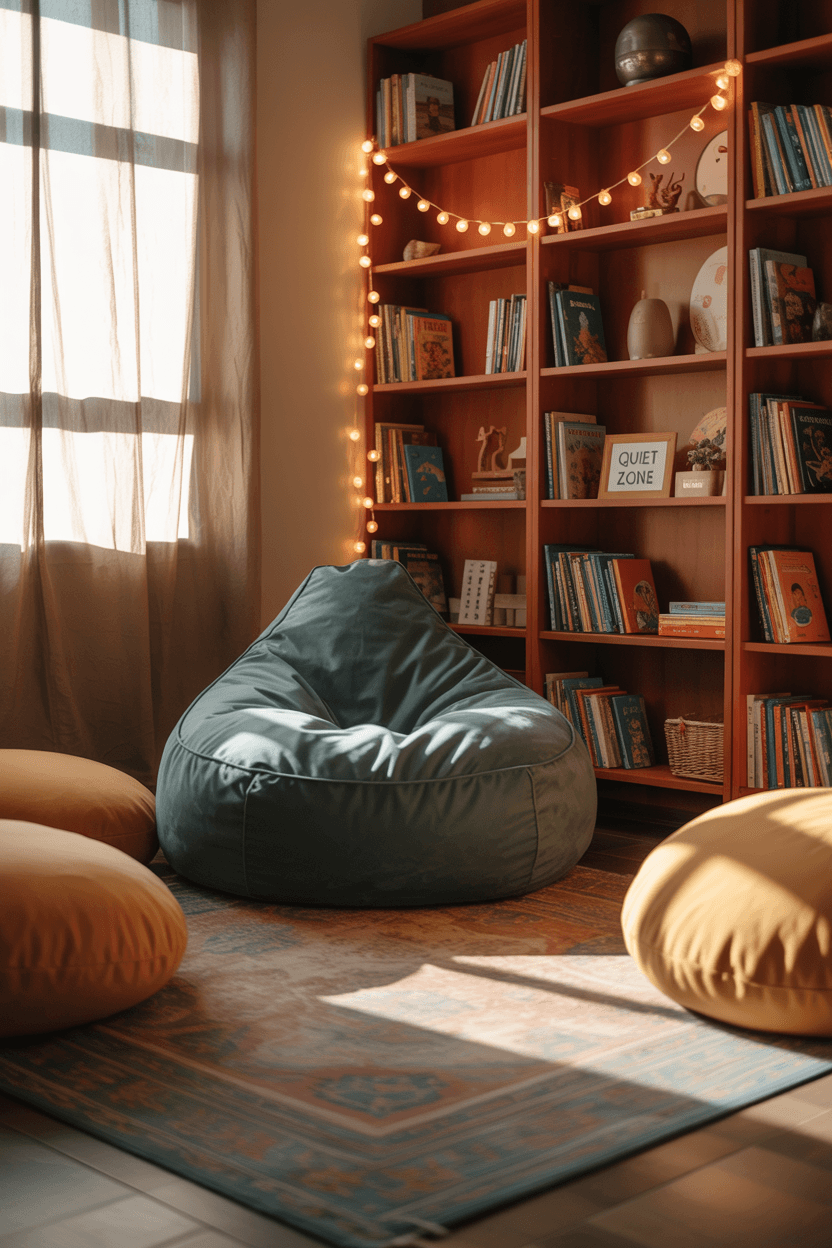
A reading nook within the study room can make learning more enjoyable. Adding a soft chair, bean bag, or cushioned bench creates a cozy corner where kids can dive into books away from their desk. Soft lighting, like a floor lamp or string lights, enhances the relaxing vibe.
This corner can be decorated with colorful pillows, themed bookends, or a mini bookshelf. Creating a separate reading zone allows kids to transition between focused studying and relaxed reading in the same space.
Best For: Kids who love reading or need a calm break space within their study room.
Pro Tip: Use a small canopy or tent cover to create a magical, private reading nook that feels special.
6. Dual Study Stations for Siblings
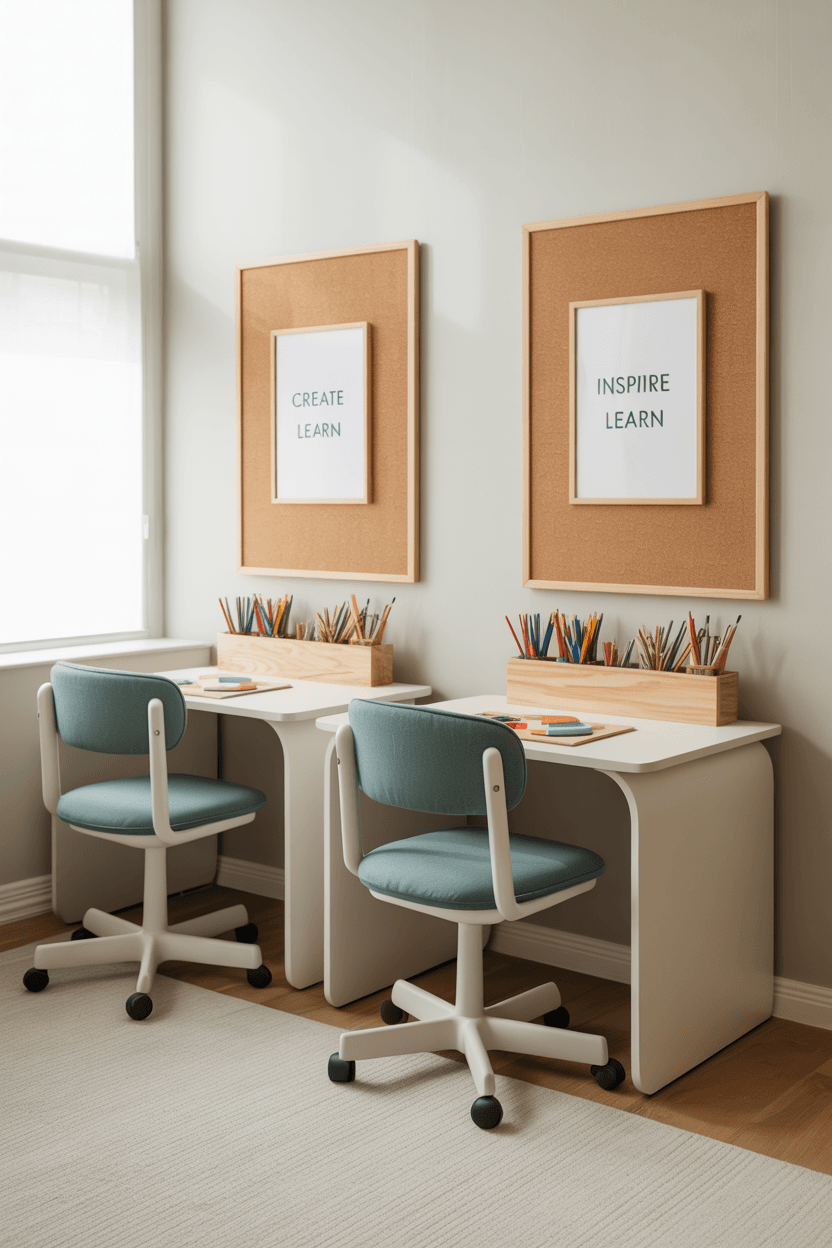
If you have more than one child, a dual study station is a smart solution. Side-by-side desks allow siblings to learn together while still maintaining their own space. Using matching chairs and similar setups keeps the room balanced and encourages teamwork.
To avoid distractions, you can add dividers, individual pinboards, or personalized wall shelves. This way, each child feels like they have ownership of their space while still sharing the same study environment.
Best For: Families with siblings close in age who need to study at the same time.
Pro Tip: Color-code supplies for each child to minimize confusion and add a fun, personal touch.
7. Nature-Inspired Study Room
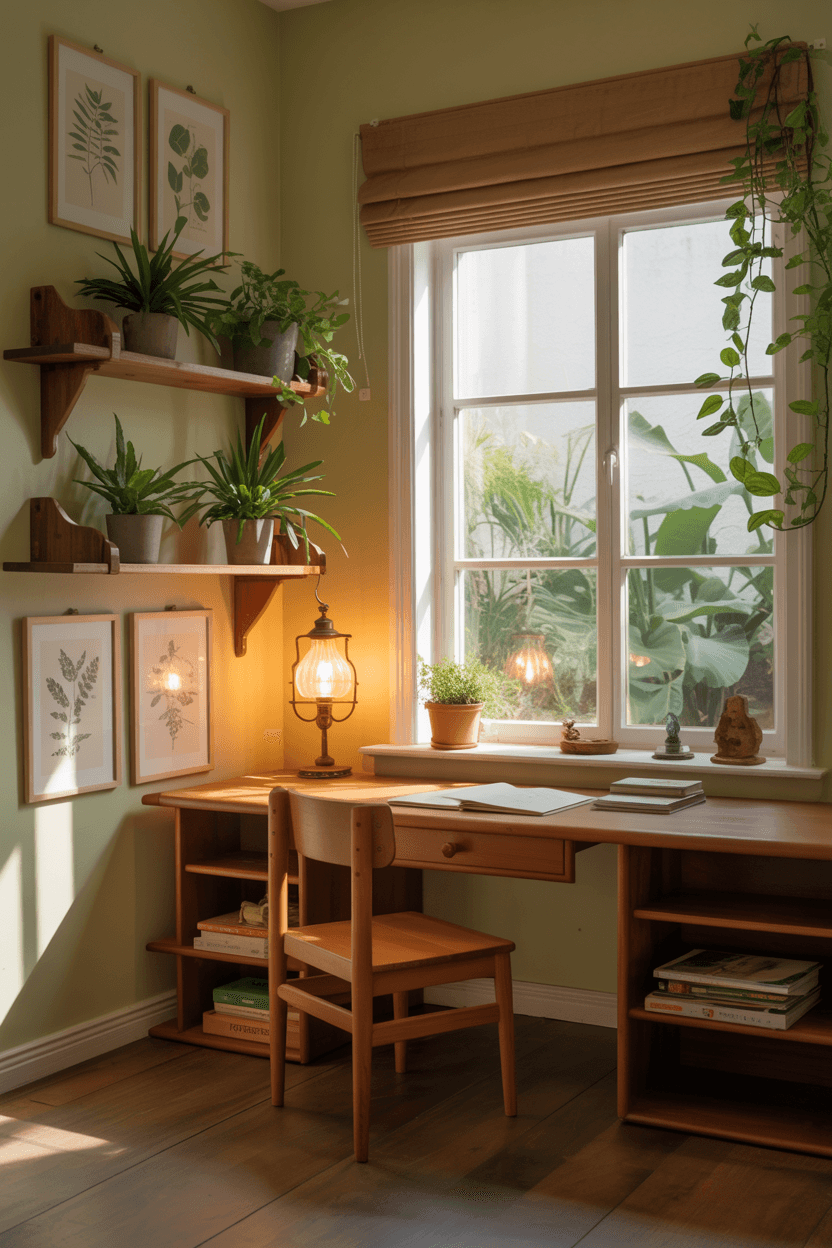
Bringing nature indoors creates a calming and refreshing environment for kids. Wooden furniture, leafy plants, and earthy tones can reduce stress and make studying feel more peaceful. Natural textures also add warmth and character to the room.
You can decorate with botanical prints, rattan baskets, and plenty of sunlight to keep the space airy. Even small potted plants on the desk can boost concentration and improve air quality.
Best For: Kids who feel more relaxed in natural, grounding environments.
Pro Tip: Choose low-maintenance plants like snake plants or pothos to keep the greenery stress-free.
8. Wall-Mounted Desks for Small Spaces
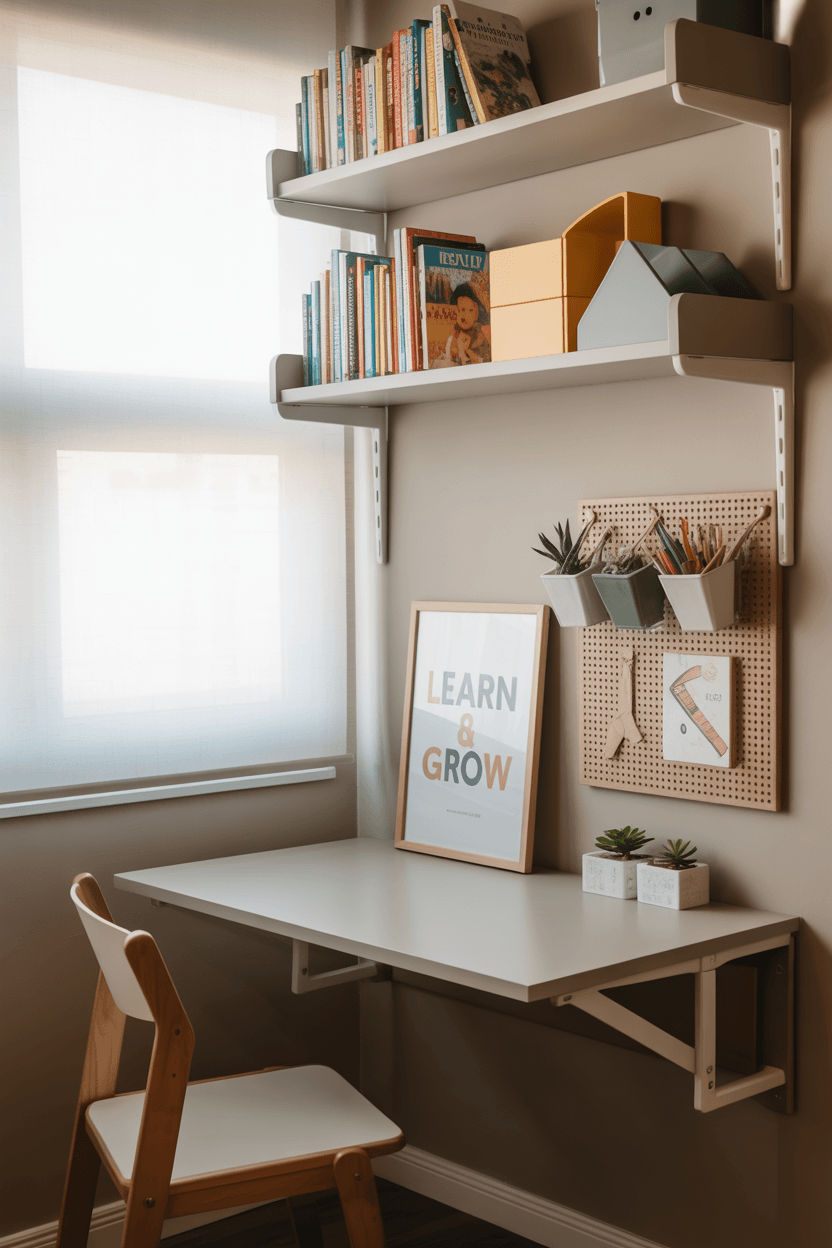
For compact homes, wall-mounted desks are a game-changer. They save floor space and give the study room a sleek, modern look. Some even fold up when not in use, making the area more flexible for playtime.
Pair the desk with floating shelves or pegboards above to maximize vertical storage. This setup keeps everything within reach while ensuring the room doesn’t feel crowded.
Best For: Families living in apartments or homes with limited space.
Pro Tip: Add under-desk storage baskets to keep supplies organized without cluttering the floor.
9. Creative Lighting Design
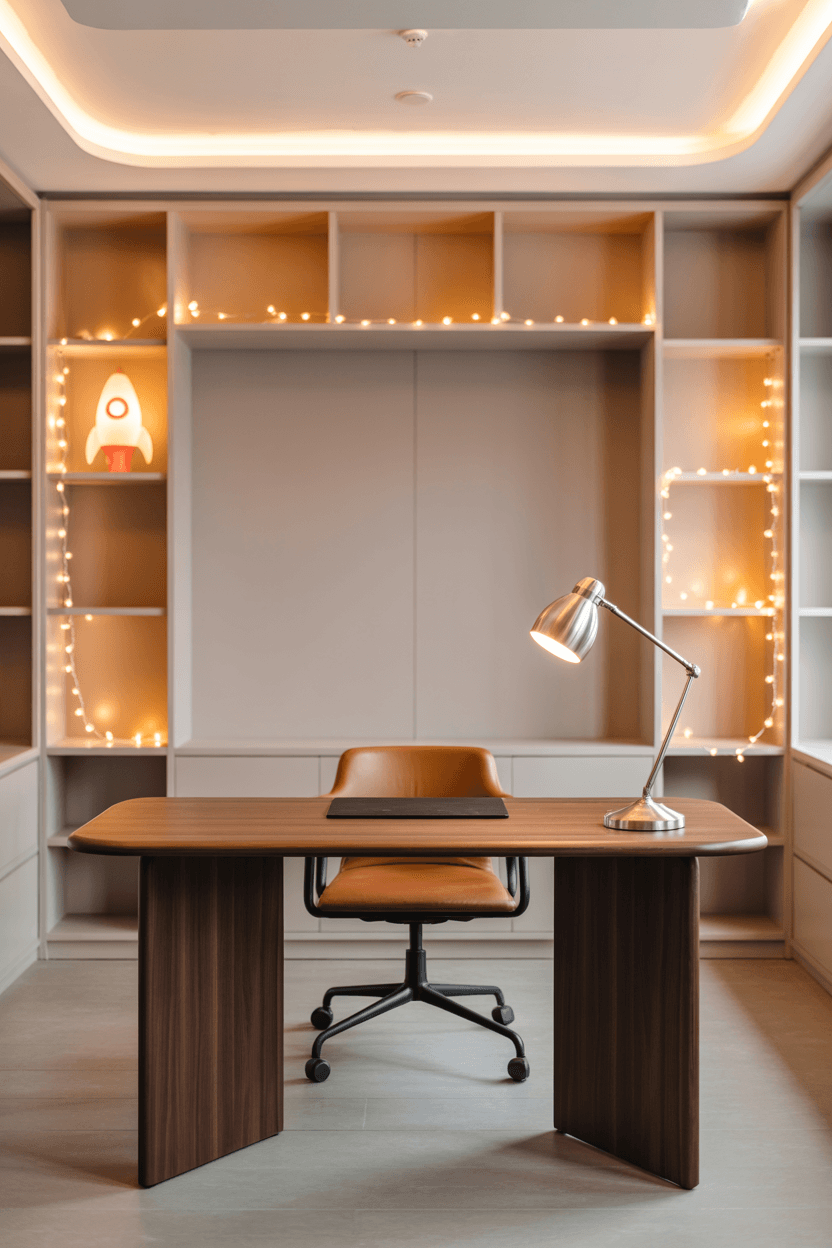
Lighting is one of the most important aspects of a kids’ study room. A mix of task lighting, ambient lights, and fun decor lights creates a productive yet cozy atmosphere. Desk lamps with adjustable heads help focus light where it’s needed most.
Adding string lights or themed lamps, like rocket-shaped or animal lamps, brings personality to the space. The right balance of lighting reduces strain on the eyes and keeps the mood uplifting.
Best For: Kids who need both function and fun in their study environment.
Pro Tip: Choose warm LED lights—they mimic natural light and are gentle on young eyes.
10. Personalized Study Walls
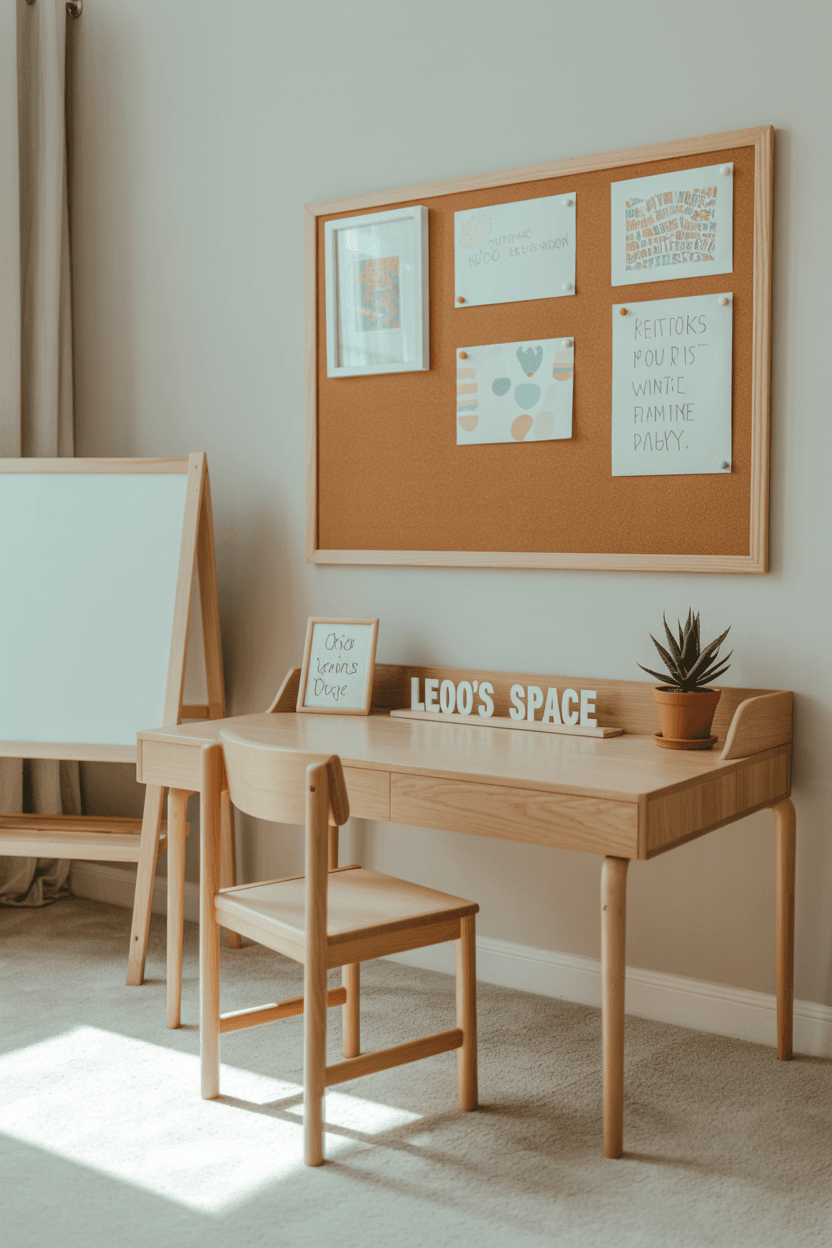
Personalization makes a study room feel truly special for kids. You can create a wall with corkboards, whiteboards, or magnetic boards where they can display artwork, notes, and goals. This keeps them motivated and engaged in their own space.
Adding name signs, favorite quotes, or framed pictures helps kids feel proud of their study zone. The more the space reflects their personality, the more likely they’ll enjoy using it.
Best For: Children who are motivated by visual inspiration and personal touches.
Pro Tip: Dedicate one wall as their “creative board” so they can change it up as they grow.
11. Study Room with Chalkboard or Whiteboard Wall
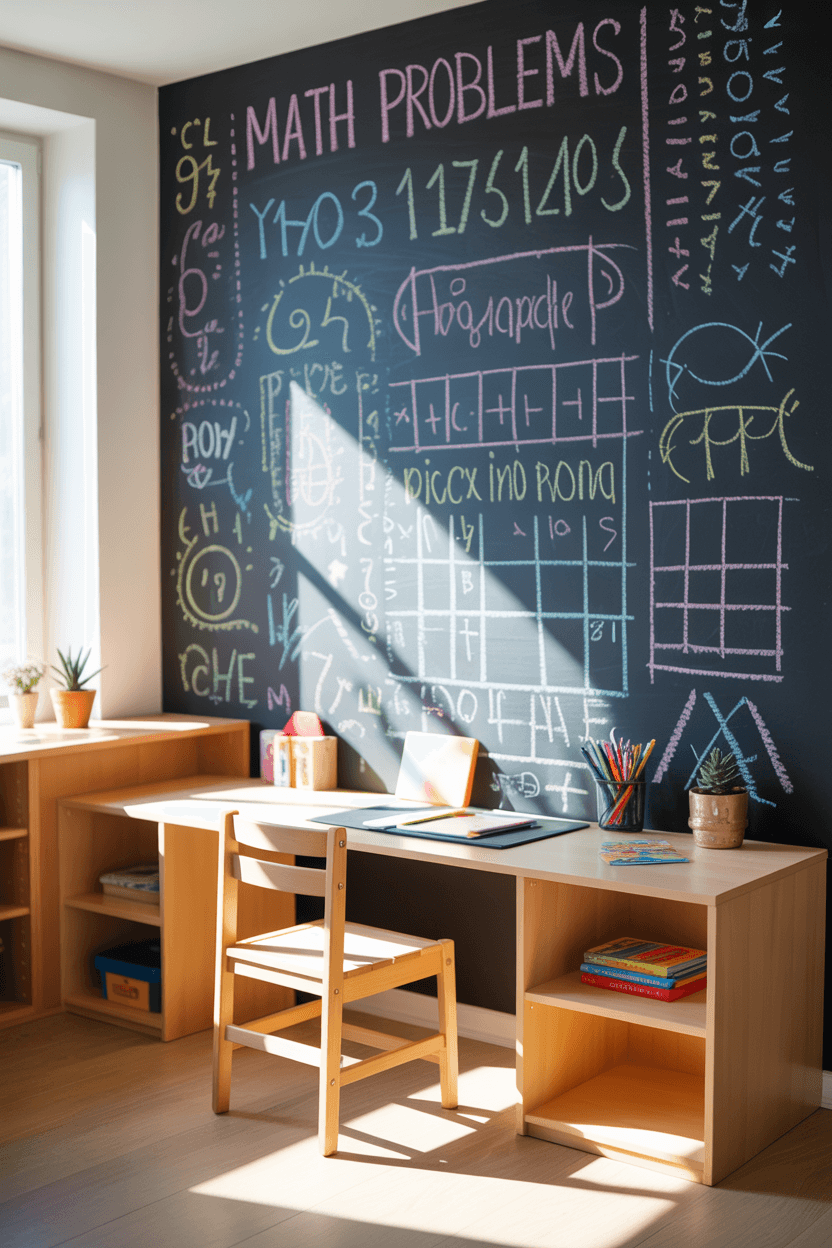
A chalkboard or whiteboard wall is both practical and exciting for kids. They can practice math problems, brainstorm ideas, or sketch drawings directly on the wall. It turns learning into an interactive experience and reduces the need for endless paper.
Parents can use this wall to post reminders, weekly schedules, or motivational quotes. It creates a visual learning hub that keeps children engaged while promoting creativity.
Best For: Kids who enjoy hands-on and visual learning activities.
Pro Tip: Use colorful chalk or dry-erase markers to keep lessons and doodles lively.
12. Vintage-Inspired Study Space
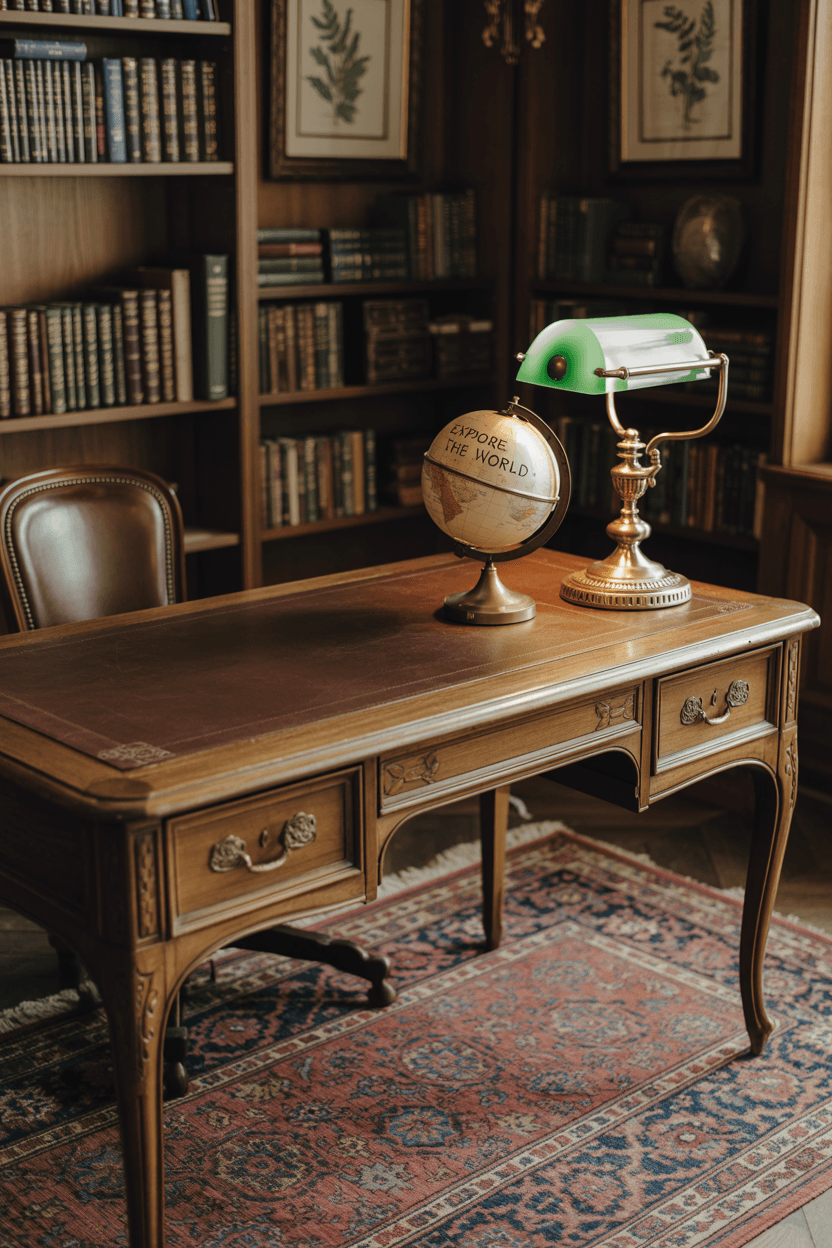
A vintage-inspired study room brings charm and character with classic furniture. Wooden desks, antique lamps, and patterned rugs create a timeless look. This aesthetic not only feels warm but also sets a nostalgic mood that sparks imagination.
Adding maps, globes, or vintage-style storage boxes completes the design. The mix of old and new makes the room unique while still being functional and inspiring for kids.
Best For: Families who prefer a cozy, traditional, and classic aesthetic.
Pro Tip: Look for secondhand treasures at thrift shops to create an authentic vintage vibe.
13. Tech-Friendly Study Zone
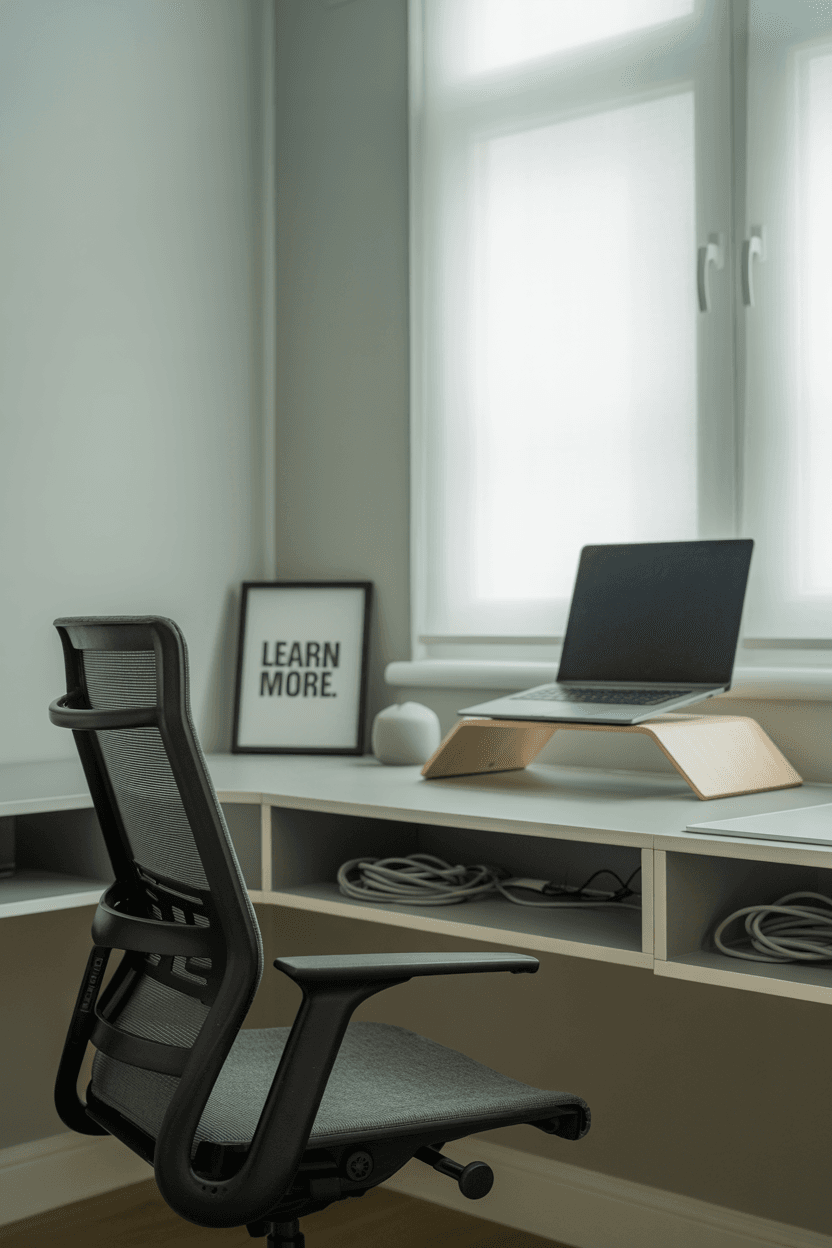
Technology plays a big role in modern learning, and a tech-ready room makes it easier. Desks with built-in cable organizers, charging ports, and monitor stands keep the setup neat. This allows kids to study without distractions from messy wires.
Pairing the desk with an ergonomic chair ensures comfort during long sessions. With thoughtful planning, technology blends seamlessly into the room instead of overwhelming it.
Best For: Older children who rely heavily on digital devices for school.
Pro Tip: Add a surge protector with USB ports for safe and organized charging.
14. Fun and Themed Study Spaces
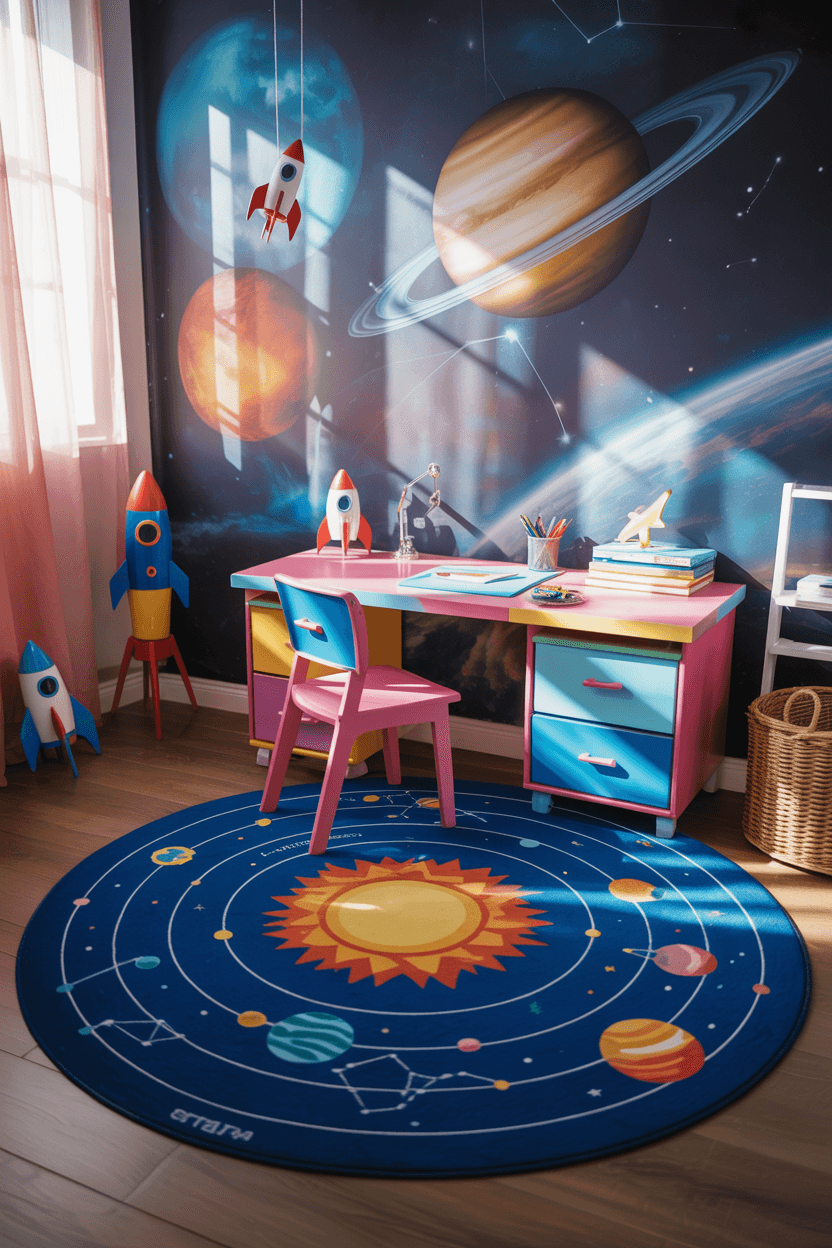
Themed study spaces make learning feel like an adventure instead of a chore. A space-inspired desk, jungle wallpaper, or fairy-tale nook sparks imagination. These creative touches help children associate studying with excitement and fun.
Themed rugs, chairs, and shelves complete the look without overpowering the space. Choosing flexible themes ensures the room grows with your child and remains relevant for years.
Best For: Younger kids who enjoy playful, imaginative environments.
Pro Tip: Use peel-and-stick wallpapers and decals for easy theme updates.
15. Study Room with Modular Furniture
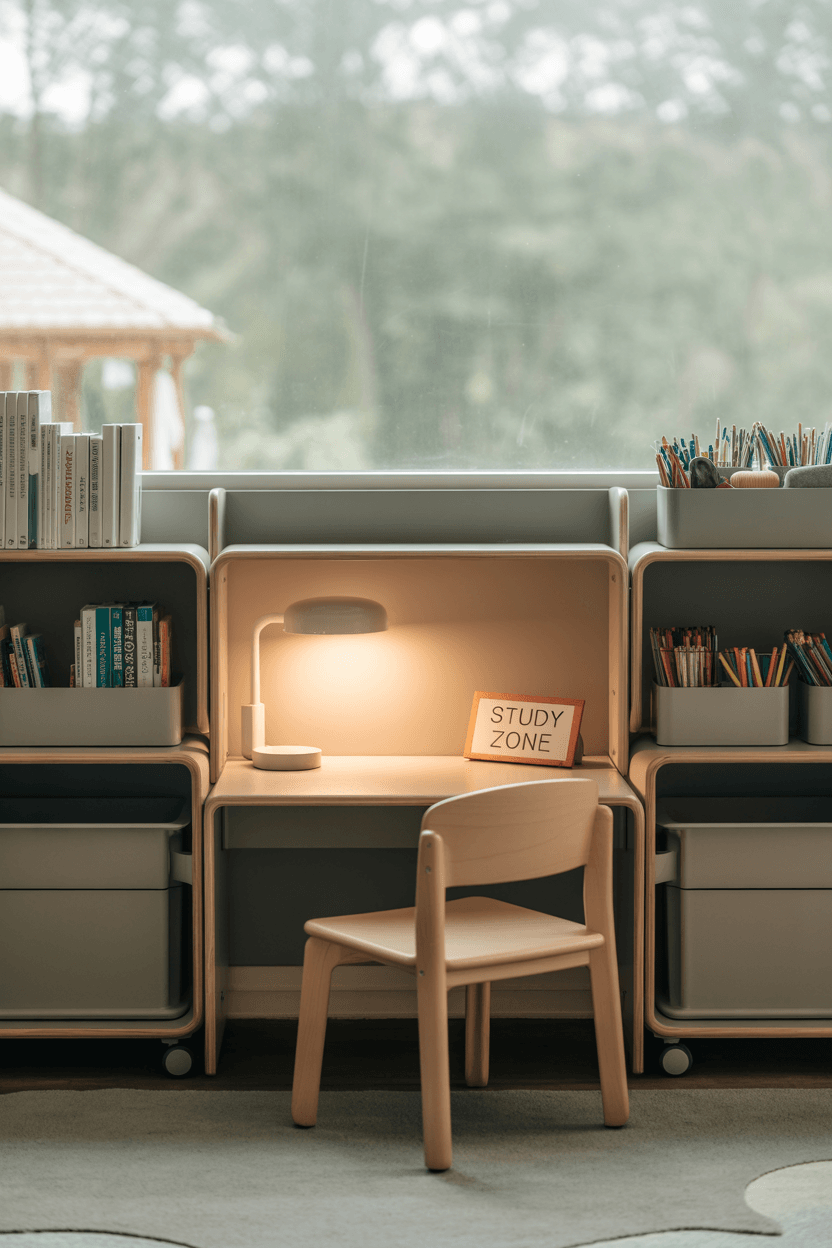
Modular furniture is perfect for families who need flexibility as kids grow. Adjustable desks, rolling carts, and stackable shelves can be rearranged anytime. This allows the space to adapt to changing study needs and age groups.
Neutral-colored modular pieces make redecorating easier in the future. They blend with any theme, allowing you to update decor without buying new furniture.
Best For: Families looking for adaptable, long-lasting study solutions.
Pro Tip: Invest in modular desks with storage drawers to maximize function.
16. Study Room with Pegboard Organization
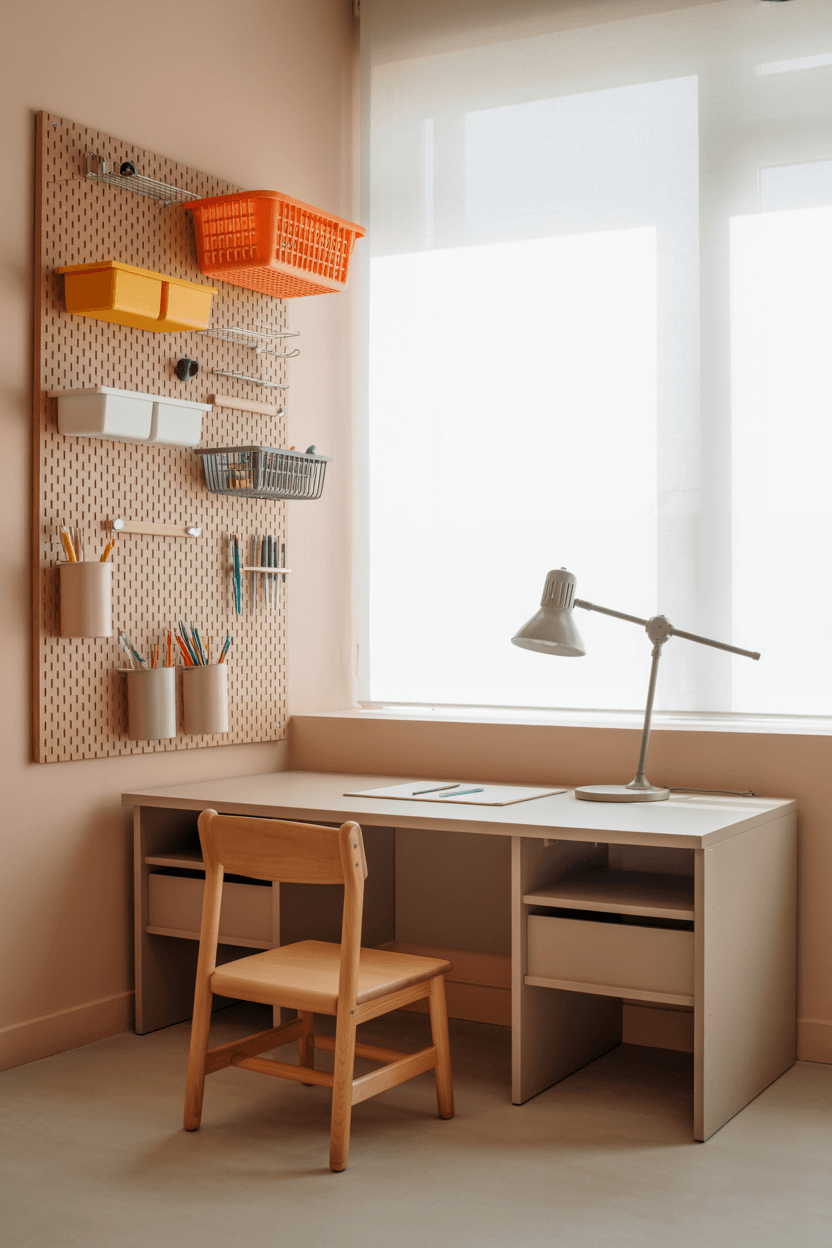
Pegboards are a smart and stylish way to organize supplies in a kids’ study room. They can hold pencil holders, shelves, baskets, and even headphones in one neat vertical space. This keeps the desk surface clear and makes the room feel tidy.
Parents can customize pegboards with colorful hooks and fun accessories. The flexibility allows the setup to grow with your child’s needs, adapting easily over the years.
Best For: Families who want a practical and customizable storage solution.
Pro Tip: Paint the pegboard in bright colors to add a cheerful and playful vibe.
17. Study Room with Built-In Bookshelves
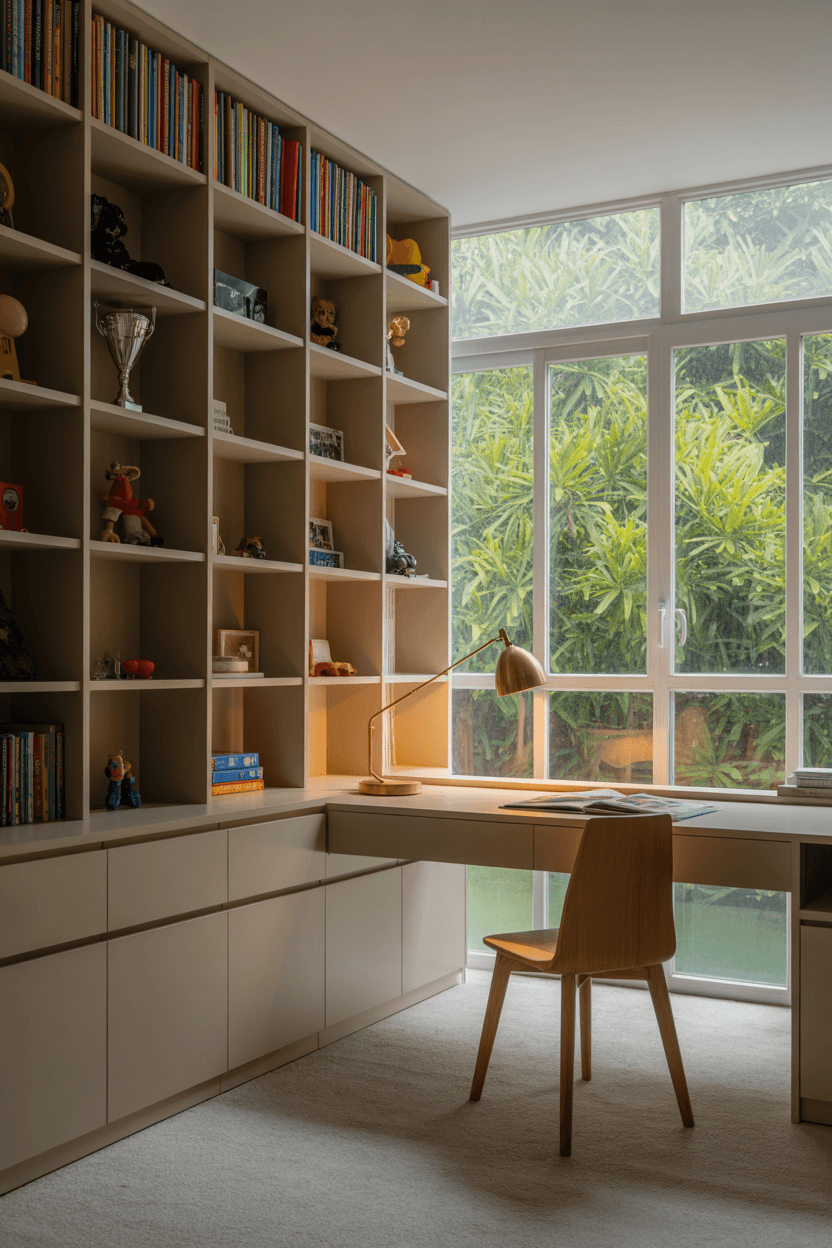
Bookshelves built directly into the walls make study rooms both functional and stylish. They provide plenty of storage for books, games, and school supplies without taking up extra floor space. Built-ins also add a clean, polished look to the room.
Children can display their favorite books alongside decorative items like trophies or art. This not only organizes their study space but also motivates them by showcasing achievements.
Best For: Families who want storage solutions that blend seamlessly with decor.
Pro Tip: Add adjustable shelves so the book storage can grow as your child’s collection expands.
18. Bright Pop of Accent Colors
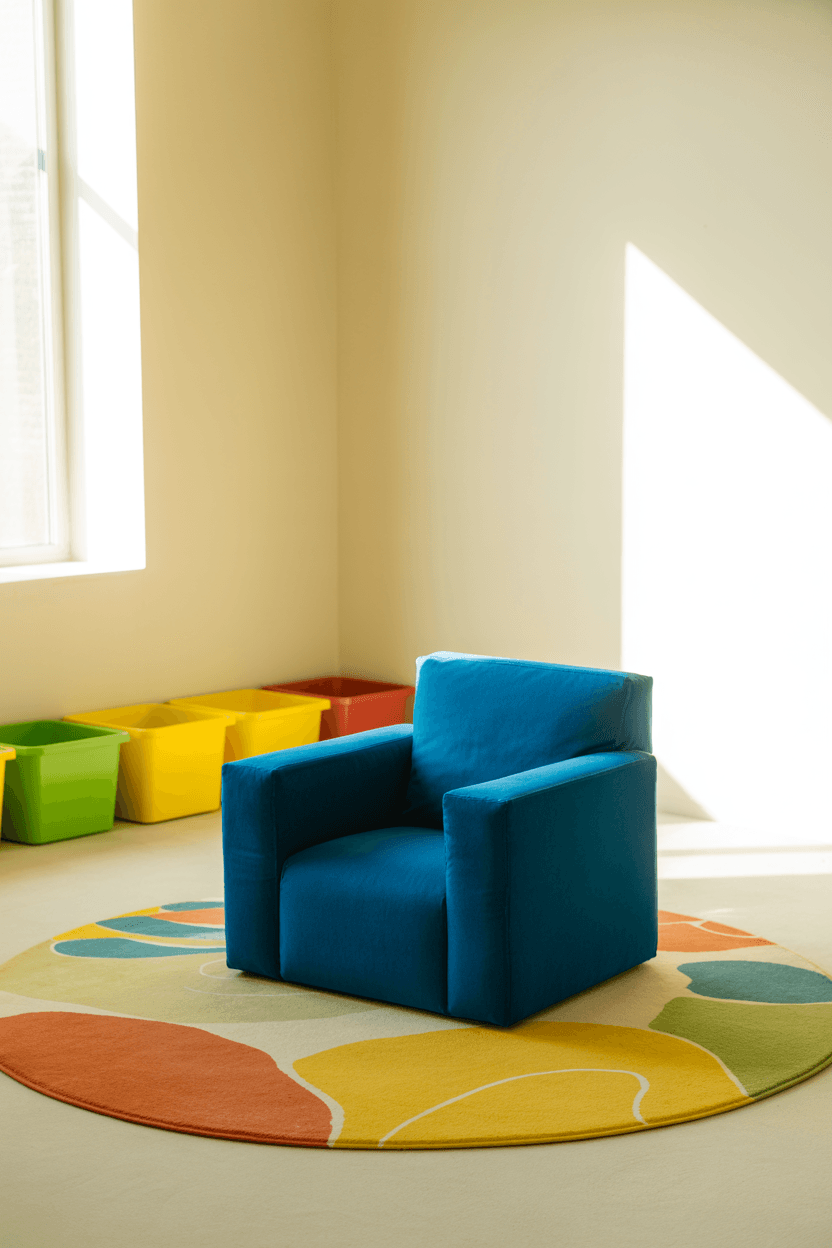
Adding accent colors can transform a kids’ study room from plain to exciting. A bold desk chair, colorful rug, or bright storage bins create a cheerful vibe. The right accents energize the space without overwhelming the room.
Accent colors also help define different zones within the study room. A colorful wall behind the desk, for example, can make the learning area stand out beautifully.
Best For: Kids who enjoy vibrant, lively, and personality-filled spaces.
Pro Tip: Use one or two bright colors as accents while keeping the rest neutral for balance.
19. Study Room with Artistic Display Wall
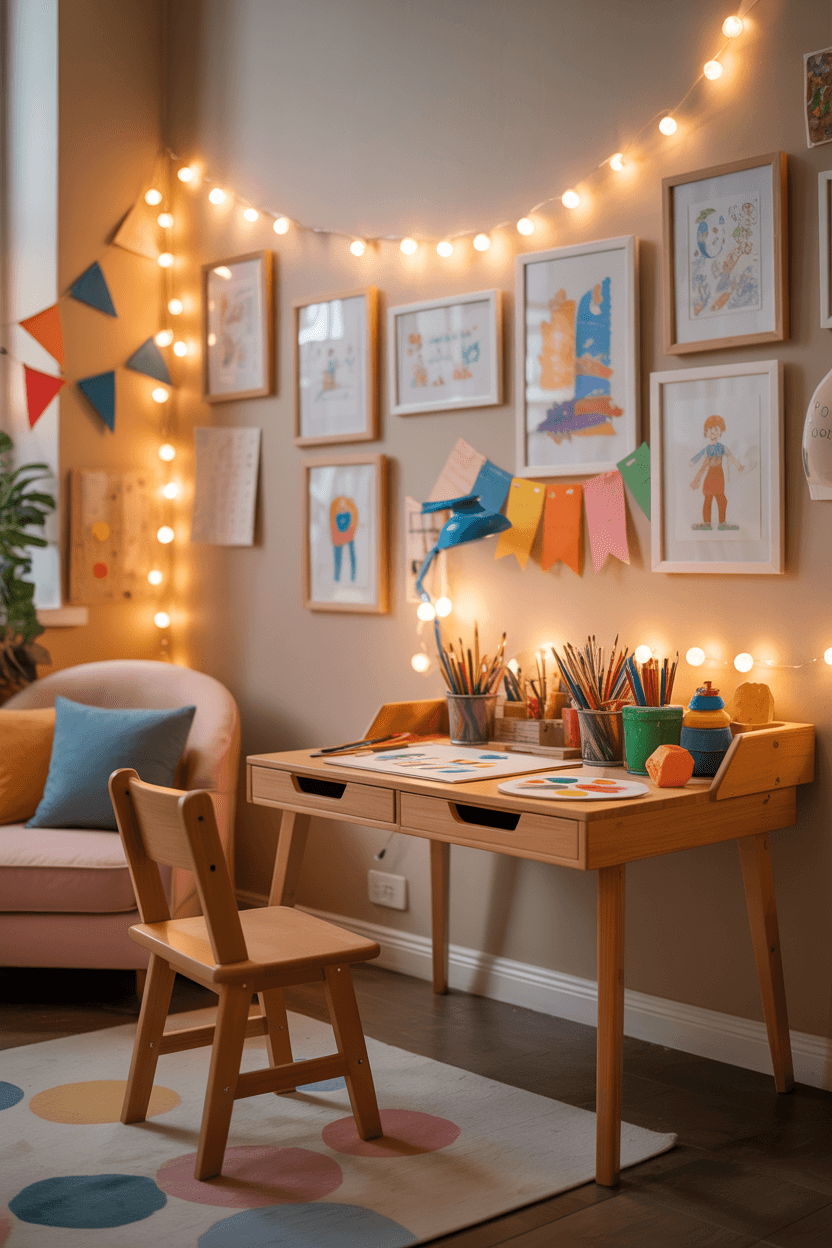
An artistic display wall gives children a space to showcase their creativity. From framed art pieces to pinned crafts, it creates a personal gallery. This not only decorates the study room but also boosts their confidence and pride.
Rotating displays keep the wall fresh and inspiring. Adding string lights or colorful frames makes the display even more engaging and inviting for kids.
Best For: Creative children who love to showcase their artwork or projects.
Pro Tip: Use clipboards or string-and-clips for easy swapping of new art pieces.
20. Study Room with Cozy Window Seat
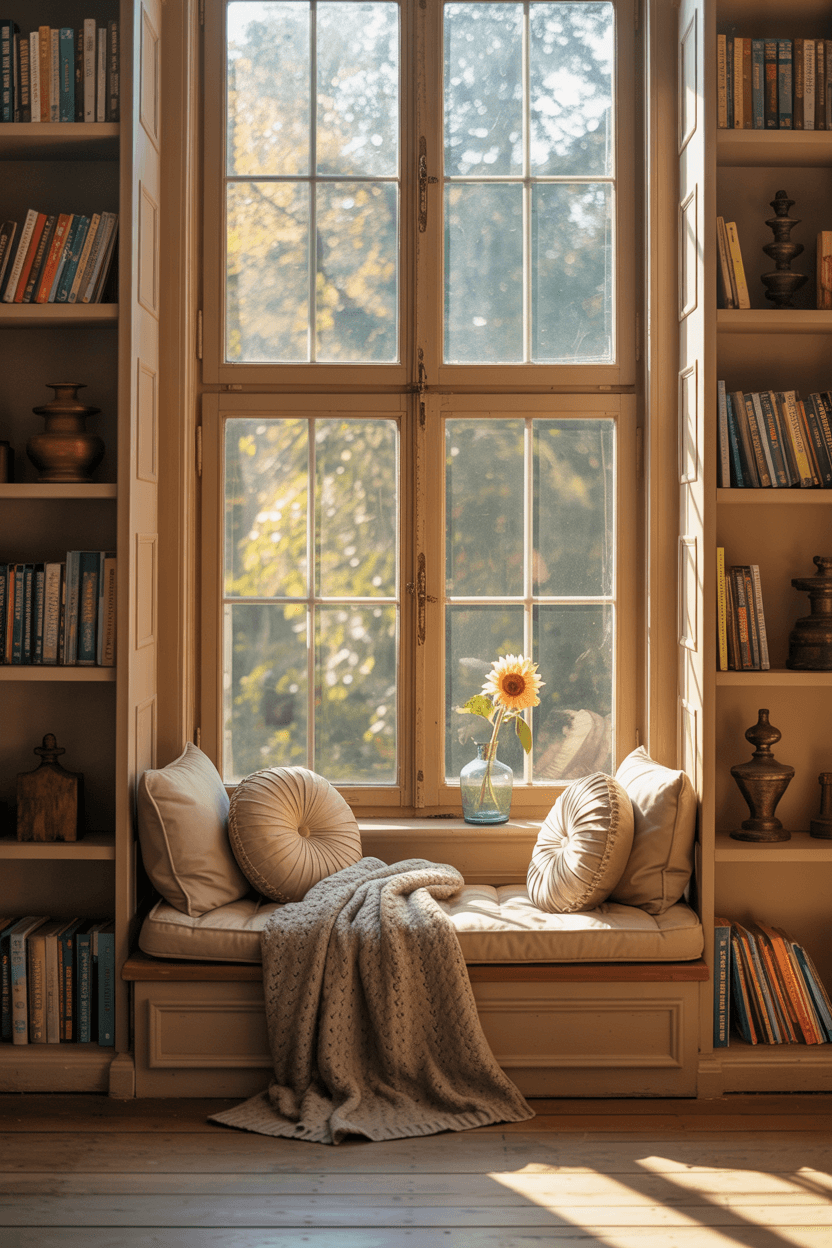
A window seat in a study room adds comfort and charm. It’s perfect for reading, relaxing, or taking breaks between study sessions. Natural light from the window creates a bright and uplifting atmosphere for kids.
Cushions, blankets, and built-in storage under the seat make it both cozy and practical. It becomes a multifunctional spot that enhances the overall design of the room.
Best For: Kids who enjoy a mix of comfort, study, and relaxation in one space.
Pro Tip: Add storage drawers beneath the window seat to maximize functionality.
21. Study Room with Statement Rugs
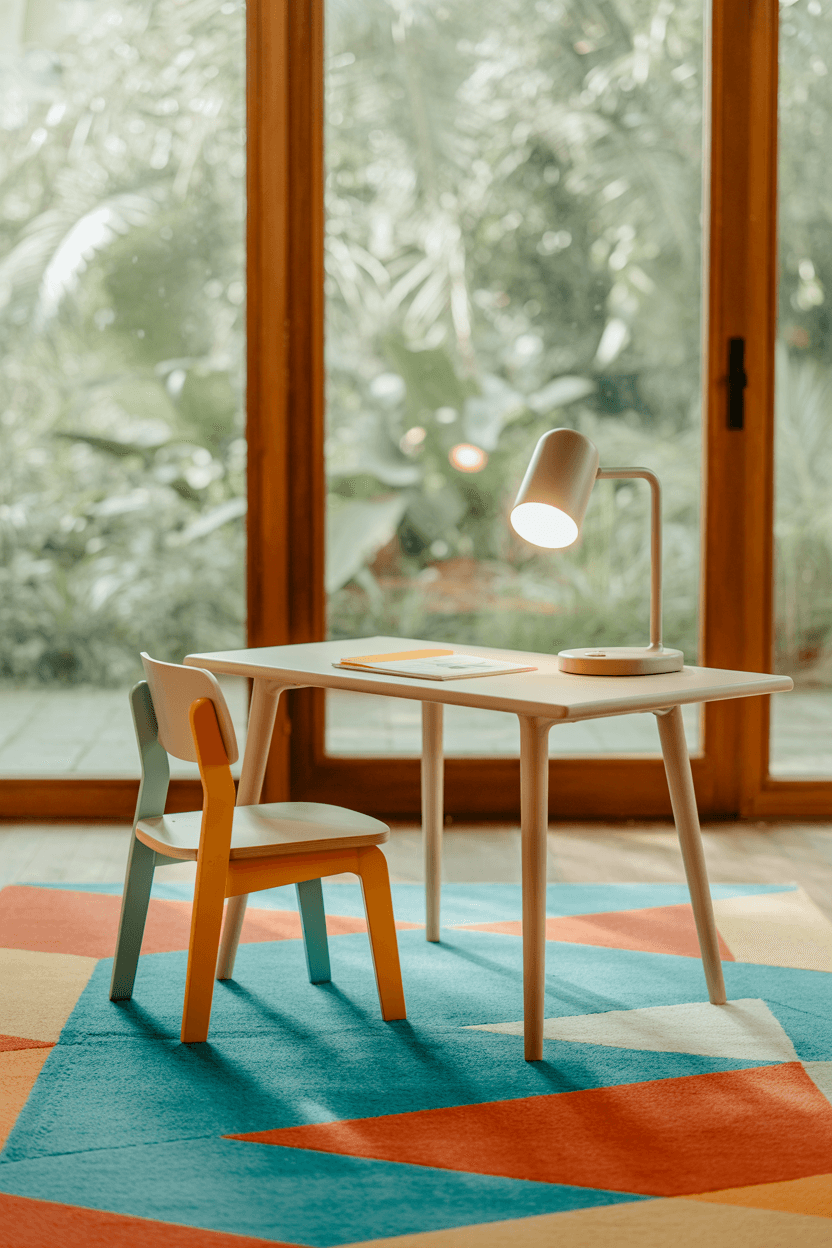
A bold rug can instantly define a study space and make it inviting. Colorful patterns, playful shapes, or themed rugs add personality to the room. Rugs also bring warmth underfoot, making long study sessions more comfortable.
They help anchor the furniture and create a dedicated study zone within a larger room. Plus, rugs can be swapped easily as your child’s tastes and needs evolve over time.
Best For: Families wanting quick and stylish updates with minimal effort.
Pro Tip: Choose washable rugs to handle spills and messes in kids’ spaces.
22. Study Room with Floating Shelves
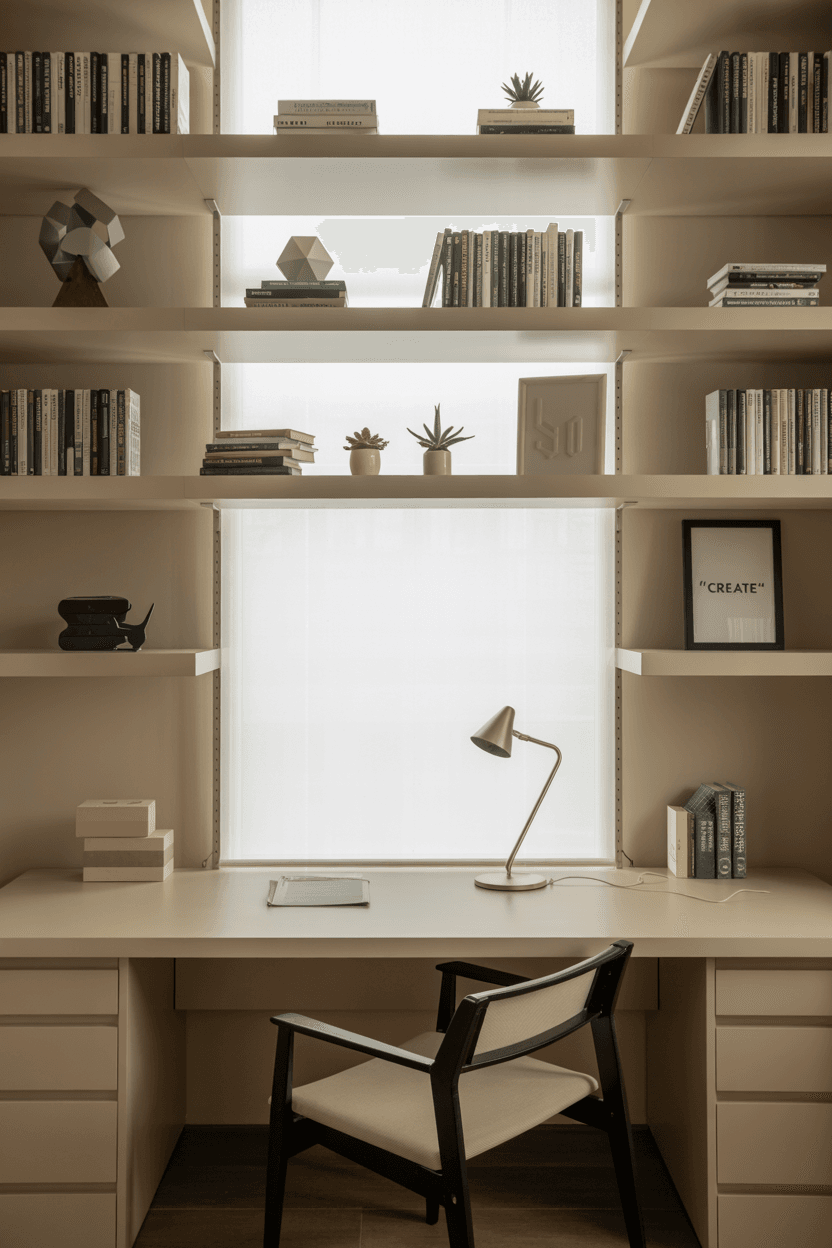
Floating shelves are a sleek and functional choice for organizing books and supplies. They free up desk space while keeping essentials within easy reach. This adds storage without making the room feel crowded or cluttered.
You can style shelves with books, plants, and small decor items for a balanced look. Their flexibility allows you to rearrange decor whenever the space needs a refresh.
Best For: Families who want storage that doubles as stylish wall decor.
Pro Tip: Install floating shelves at kid-friendly heights to promote independence.
23. Study Room with Multipurpose Furniture
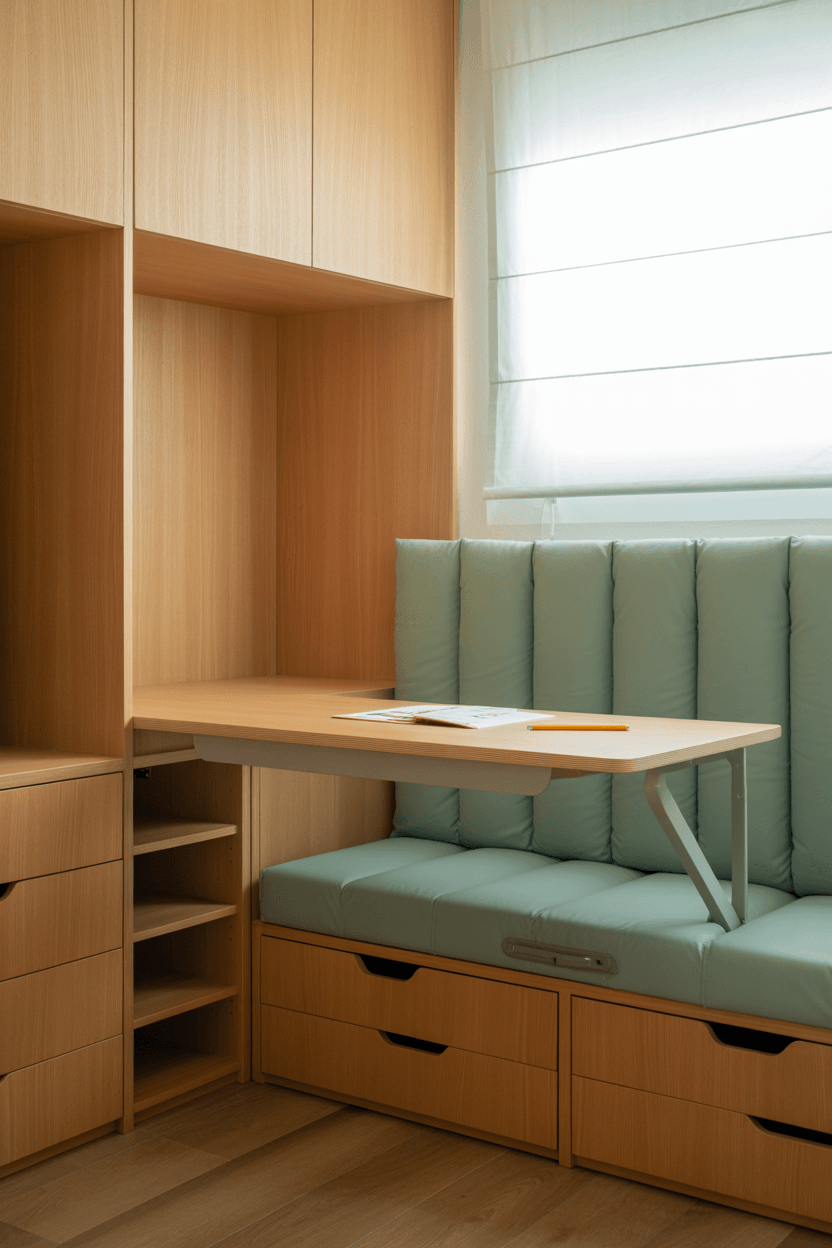
Multipurpose furniture maximizes both space and function in kids’ study rooms. Desks with hidden storage, fold-out tables, or convertible seating save room while staying practical. This makes small rooms feel larger and more efficient.
Furniture that serves multiple purposes also adapts as children grow. Investing in these smart pieces ensures the study room stays useful for years to come.
Best For: Compact homes where efficiency and versatility are key.
Pro Tip: Look for pieces that blend storage, comfort, and durability all in one.
Final Thoughts
Creating the perfect study room for kids is about more than furniture—it’s about inspiring learning and joy. These 23 Kids Study Room Decor Ideas offer both style and function, ensuring that children feel motivated and comfortable in their own space. A thoughtfully designed study zone can spark creativity and build healthy study habits that last a lifetime.
From playful themes to practical furniture solutions, each idea helps you shape a room tailored to your child’s needs. Whether you have a small nook or a spacious room, these designs will help you build an environment where focus and imagination thrive together.
I hope you found inspiration in these Ideas to create a space that truly supports your child’s growth. For more creative and stylish home design guides, follow me at Trendy Decor Guide—where design meets functionality and every room tells a story.